




Remote Workers Face Rising Electricity Costs Despite Awareness and Strategies for Saving
Remote Workers Face Rising Electricity Costs Despite Awareness and Strategies for Saving
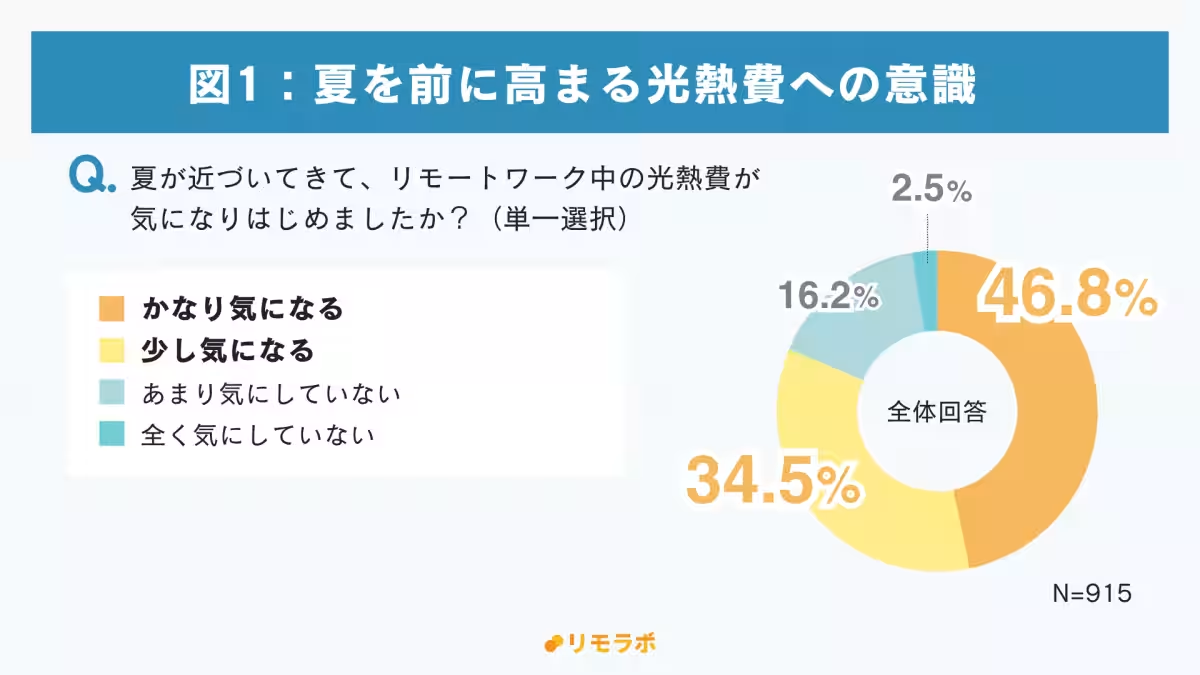
In a world increasingly leaning towards remote work, the expenses associated with home energy usage have become a pressing concern. According to a recent study conducted by Remolabo, a remote work education platform based in Shibuya, Tokyo, nearly 81.3% of remote workers expressed apprehension about the rising utility bills, particularly in the scorching summer months. Of this number, 46.8% noted that their concern was significant.
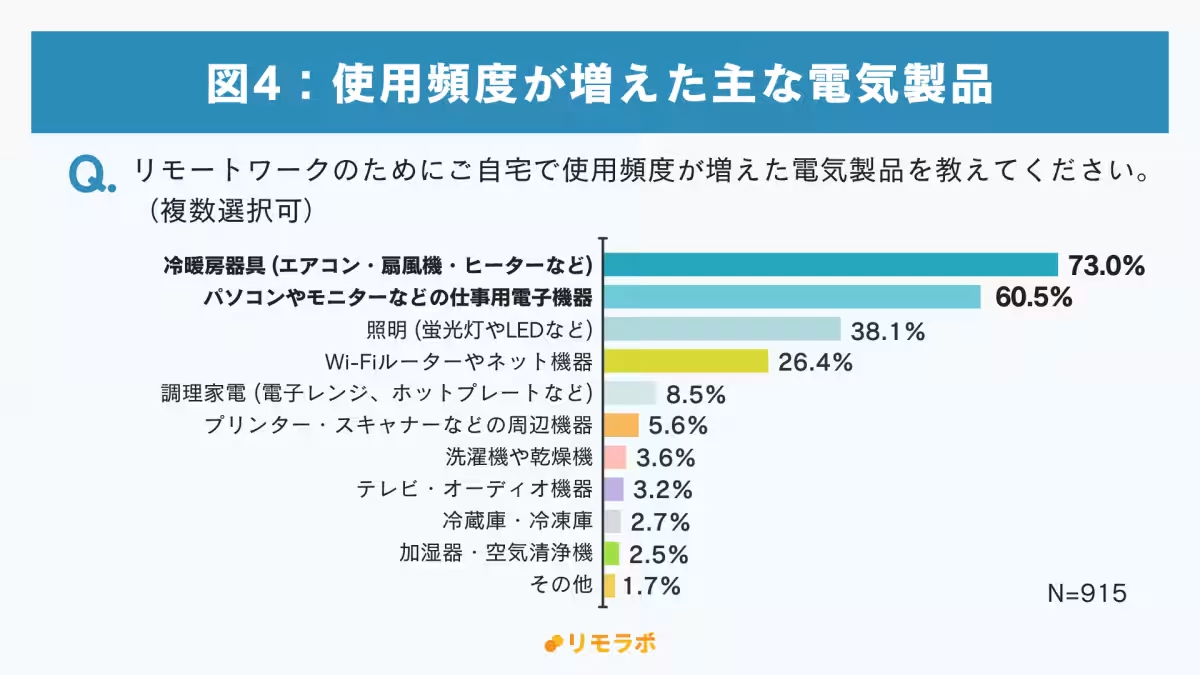
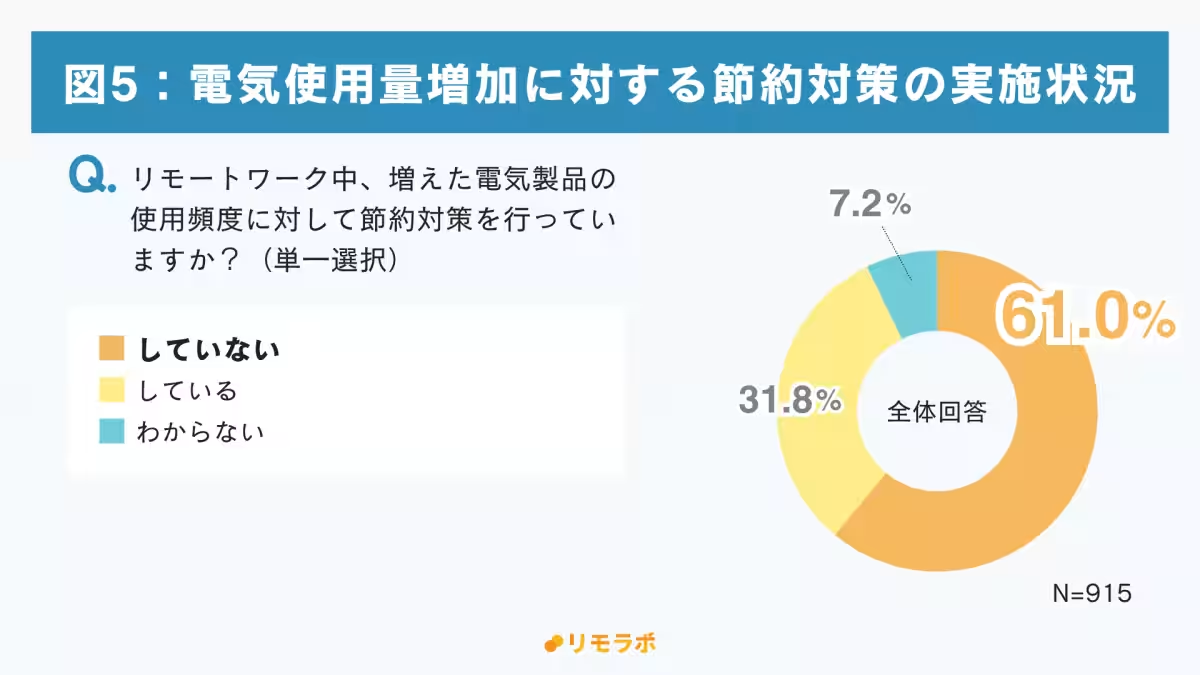
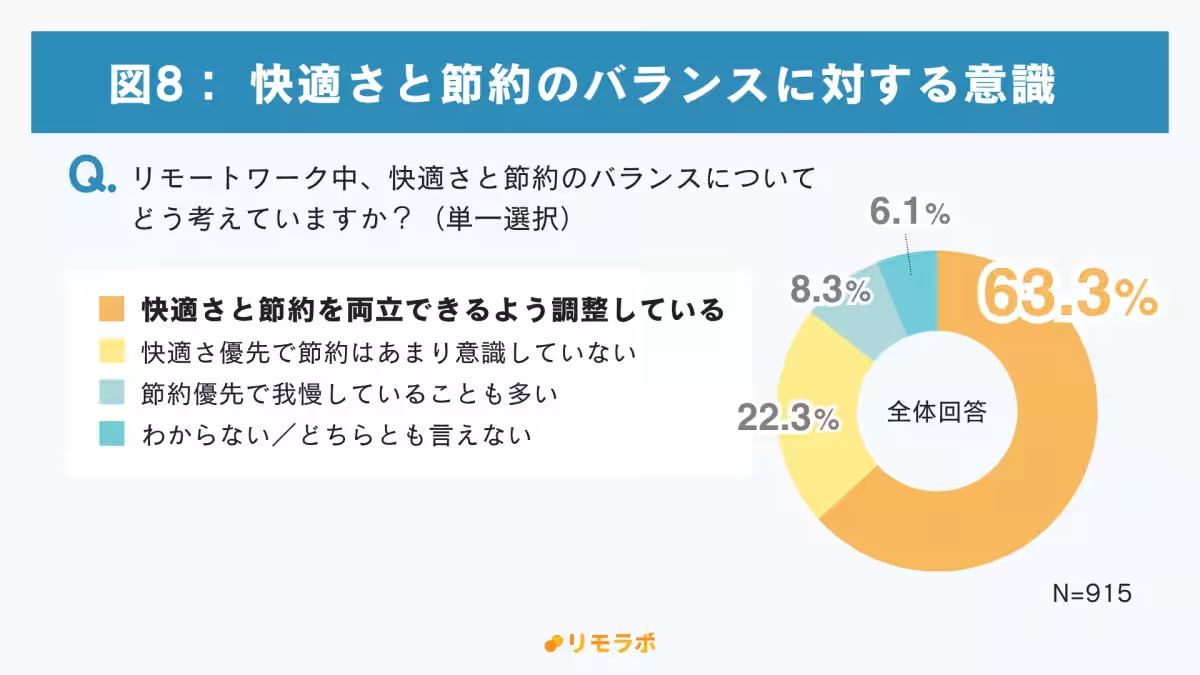
Remarkably, the survey included approximately 1,000 female members of Remolabo, aiming to gather insights on their financial strategies as they navigate the rigorous demands of remote work. While 73.0% reported increased usage of heating and cooling systems and 60.6% acknowledged they were utilizing computers and monitors more frequently, only 31.8% claimed they were actively pursuing measures to minimize their electricity bills. Alarmingly, a substantial 61.0% admitted to not taking any savings actions, revealing a concerning gap between awareness and action in tackling energy costs.
The Dilemma of Increased Power Consumption
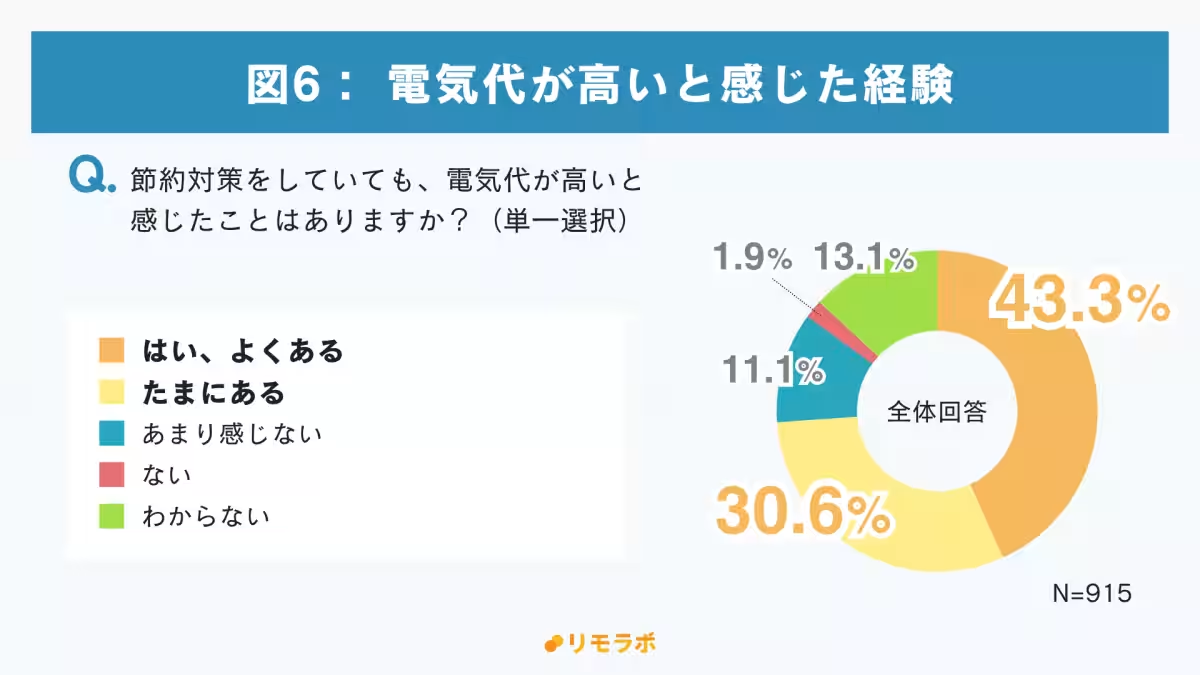
With remote work enabling longer hours at home, the pressure to manage rising energy costs is palpable. Respondents indicated that, even as they recognized the heightened energy consumption attributed to their work habits, many felt paralyzed by indecision regarding effective saving strategies. Most notably, nearly 73.9% of those attempting to save on electricity still felt dissatisfied, asserting that they found bills unmanageably high.
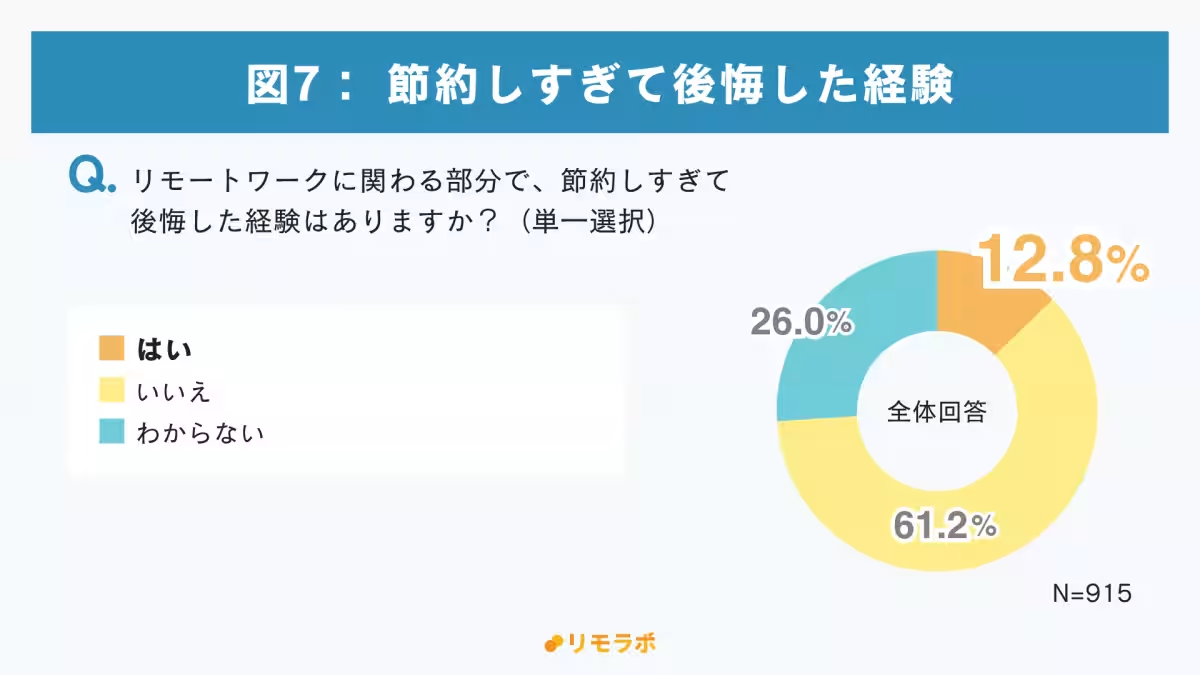
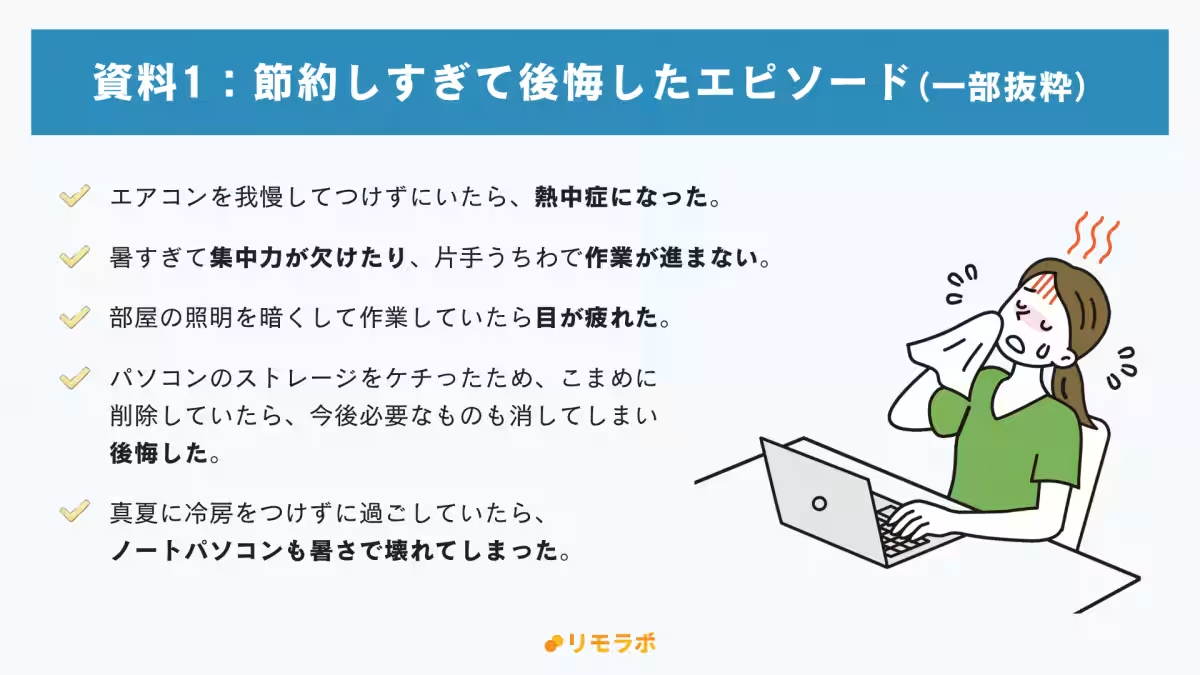
Interestingly, those who adopted austerity measures encountered unexpected drawbacks, including health issues such as heat stress or a reduced ability to concentrate due to excessive climate control restrictions. Such findings paint a disturbing picture where the need to save money inadvertently leads to declining well-being and productivity among remote workers.
Strategies for Smart Saving
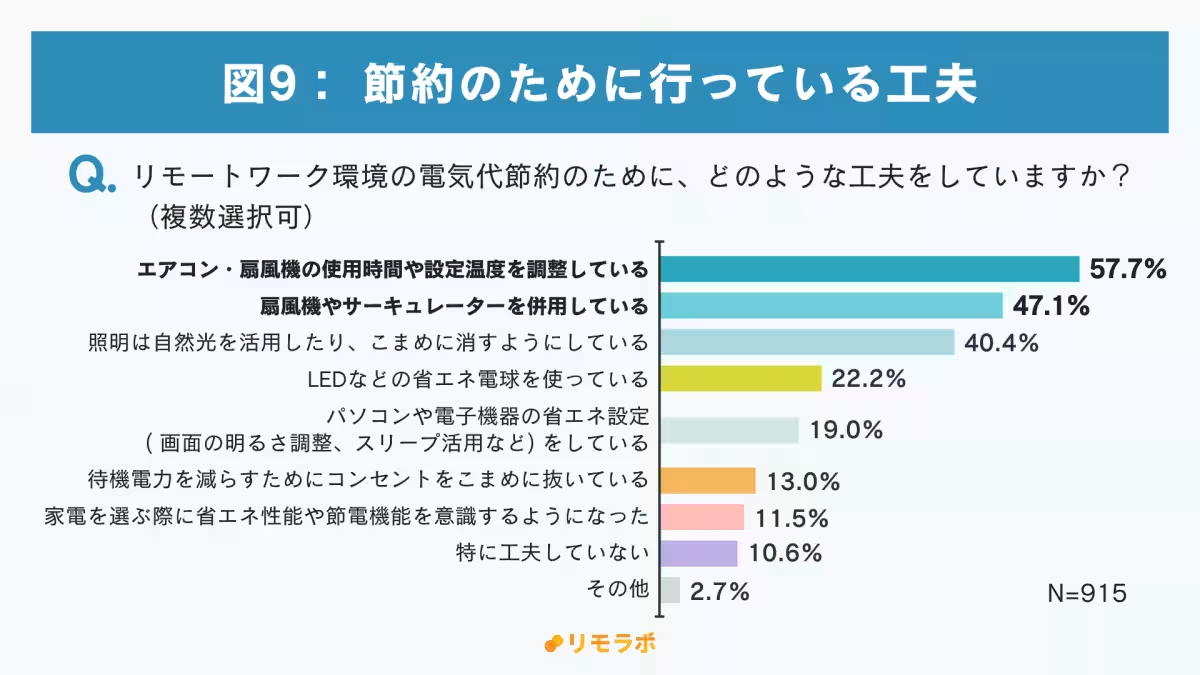
Amid these challenges, practitioners of remote work have developed several unique strategies for managing their electricity usage. According to the survey, the most popular method (57.7%) involved adjusting the use and temperature settings of air conditioning units and fans, followed closely by a complementary use of fans and circulators (47.1%). Interestingly, some respondents have taken creative approaches, such as relocating their work environments to libraries or cafes to mitigate their home energy consumption.
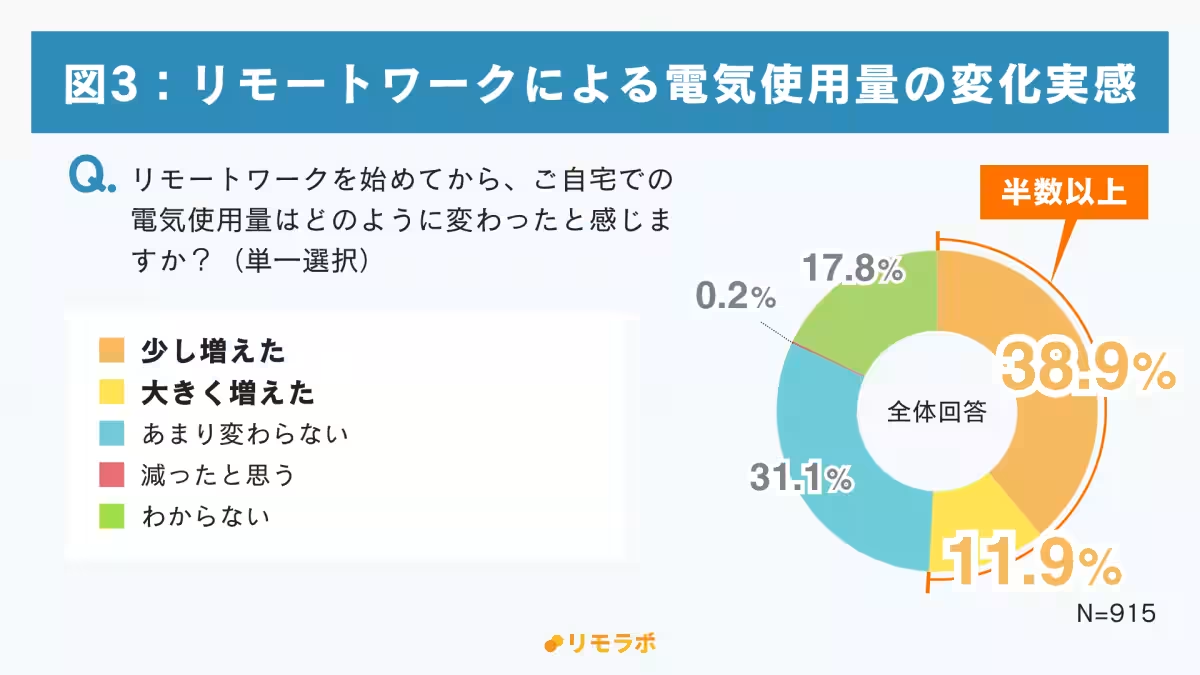
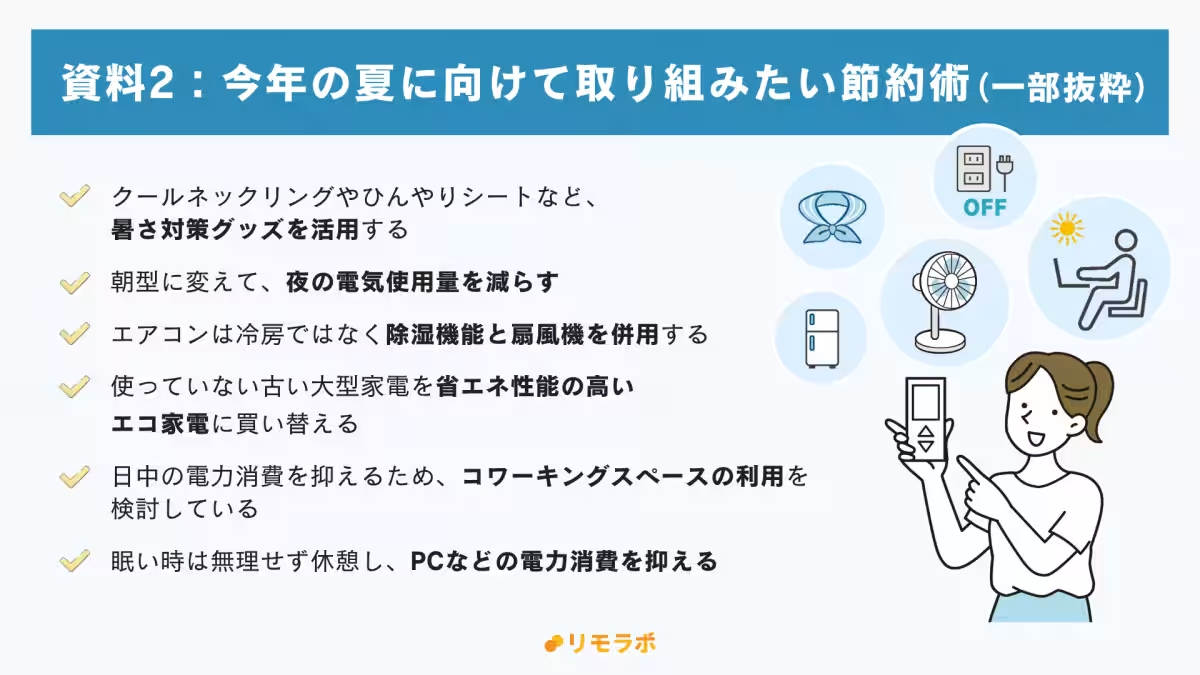
The survey unveiled revealing statistics—half of the respondents (50.8%) noticed an increase in energy usage since adopting remote work, primarily due to their growing reliance on essential appliances. They expressed enthusiasm over actively pursuing alternative plans or even switching service providers to achieve significant savings. The top responses for future actionable energy-saving methods included utilizing cooling products, shifting to a morning schedule to cut evening electricity use, and upgrading old appliances to energy-efficient models.
Acknowledging the Broader Value of Remote Work
Despite these concerns, it seems remote workers still derive tremendous value from their work arrangement. The survey uncovered that members cherished the benefits of remote work beyond mere financial concerns: enhanced time flexibility, the absence of stressful commutes, increased family time, and opportunities for personal growth and income enhancement. This suggests that remote work is perceived as a strategic investment in lifestyle and well-being, potentially allowing workers to prioritize comfort and satisfaction despite their energy expenditure.
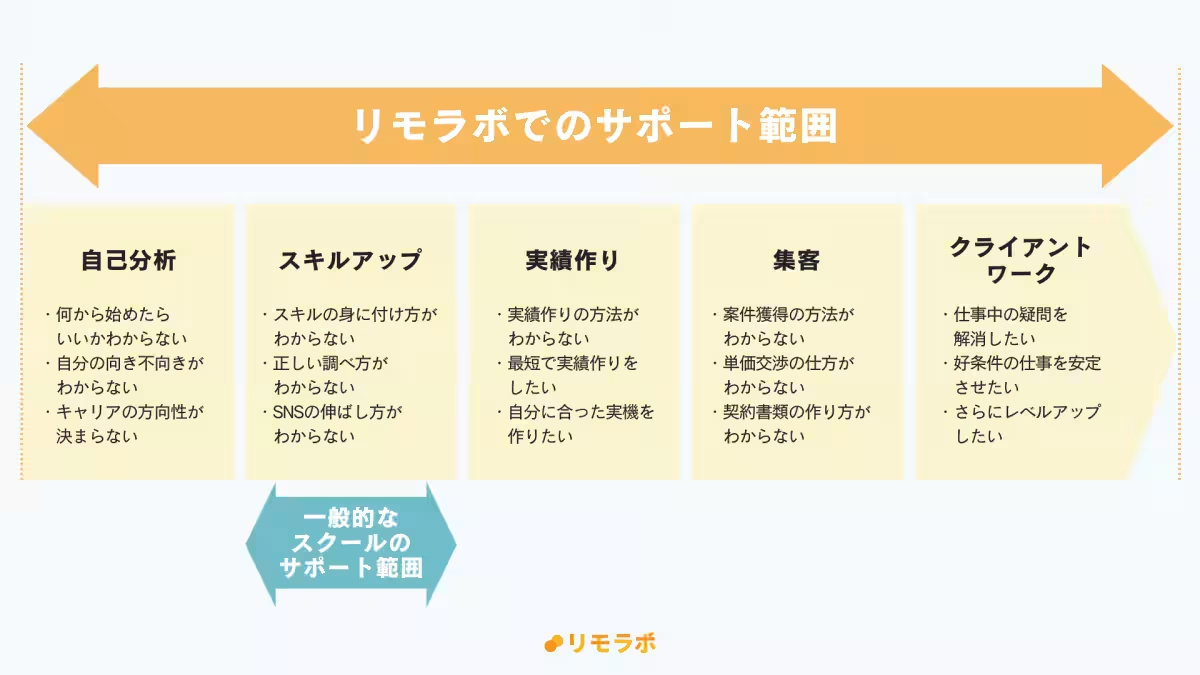
Moreover, Remolabo remains committed to empowering remote workers to capitalize on these advantages by providing essential resources and community support. As the company continues to enhance its offerings, it aligns itself with the ideals of adapting working philosophies that facilitate women in navigating the multifaceted challenges of work and life stages, including marriage, childcare, and caregiving responsibilities.
Empowering Future Remote Workers
The Remolabo platform has thrived since its launch in December 2021, continuing to draw attention from women across various backgrounds seeking to build rewarding careers via remote work. With over 7,000 participants benefiting from comprehensive support tailored to individual lifestyles, the platform emphasizes both skill acquisition and practical fieldwork opportunities. Those interested in building a sustainable career in remote working environments can find ample resources and community at Remolabo.
In a landscape where remote work is gaining traction, the collective insights from this survey illustrate a clear need for programs that address not only professional ambitions but also the everyday realities of managing home expenses and maintaining personal wellness.



Topics Consumer Products & Retail)




【About Using Articles】
You can freely use the title and article content by linking to the page where the article is posted.
※ Images cannot be used.
【About Links】
Links are free to use.