




Survey Reveals Impact of Rising Costs on Saving Behaviors Among Japanese Consumers
Understanding Consumer Behavior Amidst Rising Costs
In a recently conducted survey by Loyalty Marketing, which operates the popular point service Ponta, over 1,000 participants aged between 20 and 69 shared their insights on how rising costs are affecting their spending habits. The survey carried out between June 8 and June 15, 2026, highlighted several key trends in saving behaviors among Japanese consumers.
High Awareness of Rising Costs
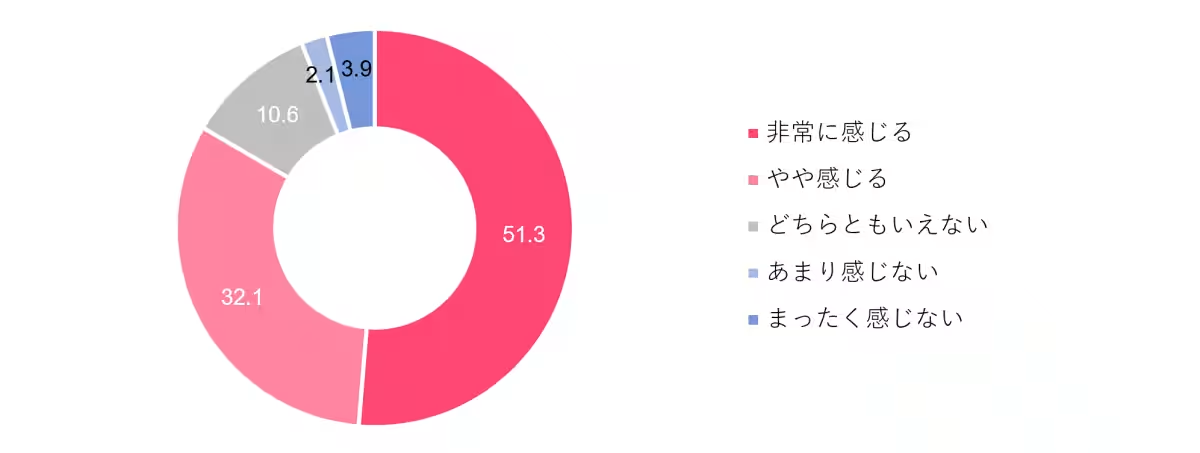
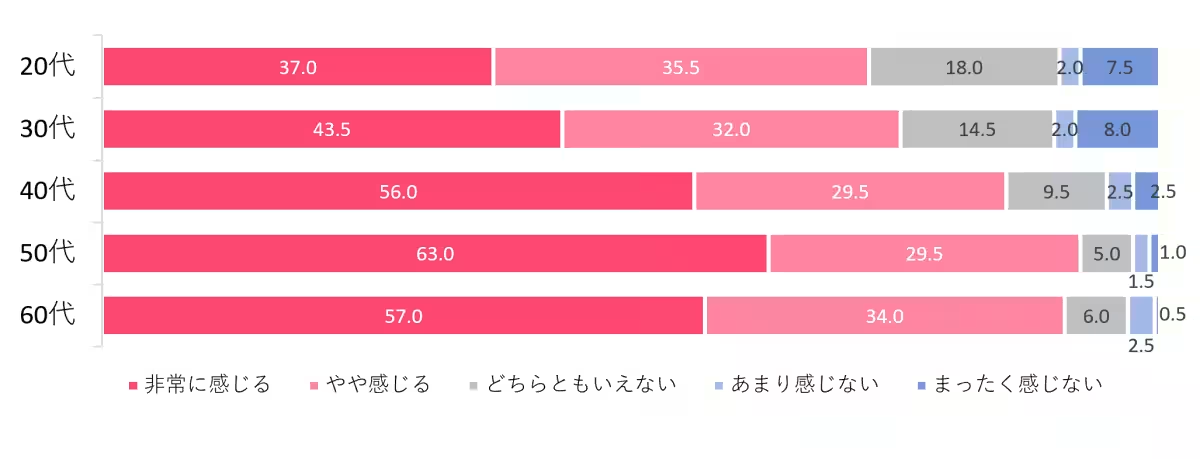
A staggering 83.4% of respondents reported feeling the impact of rising costs in their daily lives. Specifically, 51.3% indicated that they felt it significantly, while 32.1% felt it somewhat. Interestingly, the sentiment was particularly pronounced among those in their 50s, where 63.0% reported feeling the effects strongly. This trend is consistent across older demographics, with 57.0% of respondents in their 60s and 56.0% in their 40s echoing similar sentiments.
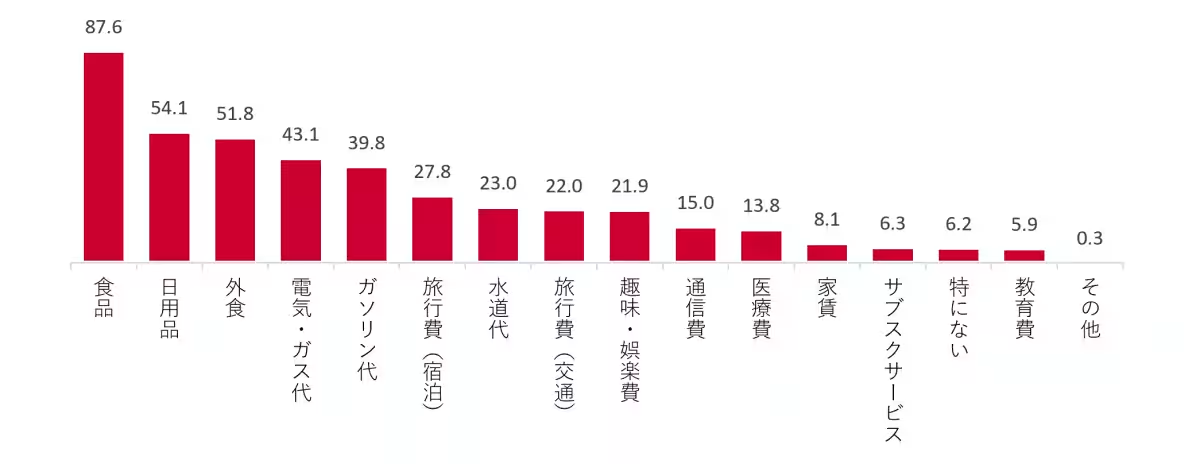
When asked which categories they felt the most financial strain, 87.6% identified food as the top concern, followed by household supplies at 54.1%, dining out at 51.8%, and utility bills, specifically electricity and gas, at 43.1%. This data underscores a critical insight into the essentials that consumers prioritize amidst financial pressures.
Strategies for Saving
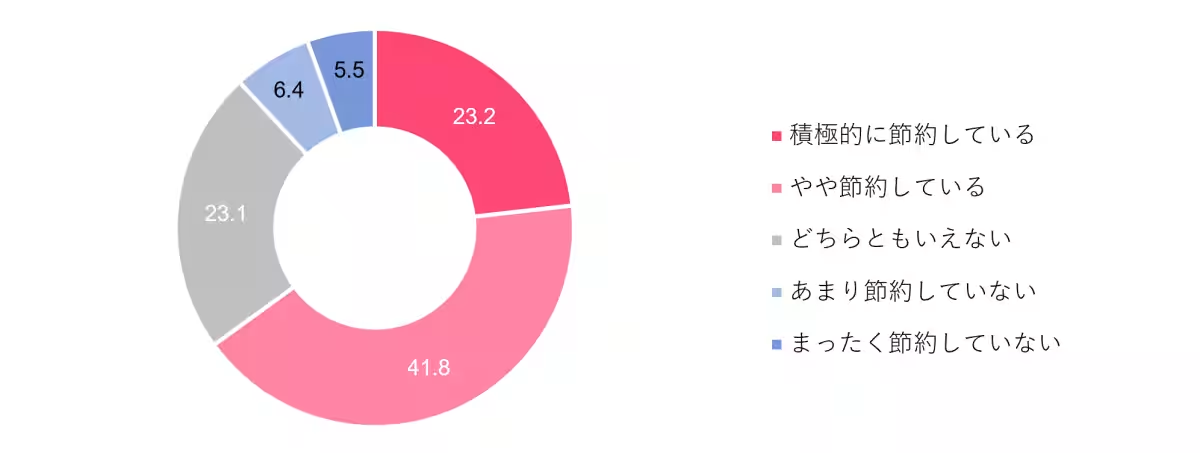
In response to the pressure from rising prices, approximately 65.0% of those surveyed reported implementing some form of cost-saving measures in their lives. Of these, 23.2% actively engage in significant savings, while 41.8% admit to making minor adjustments.
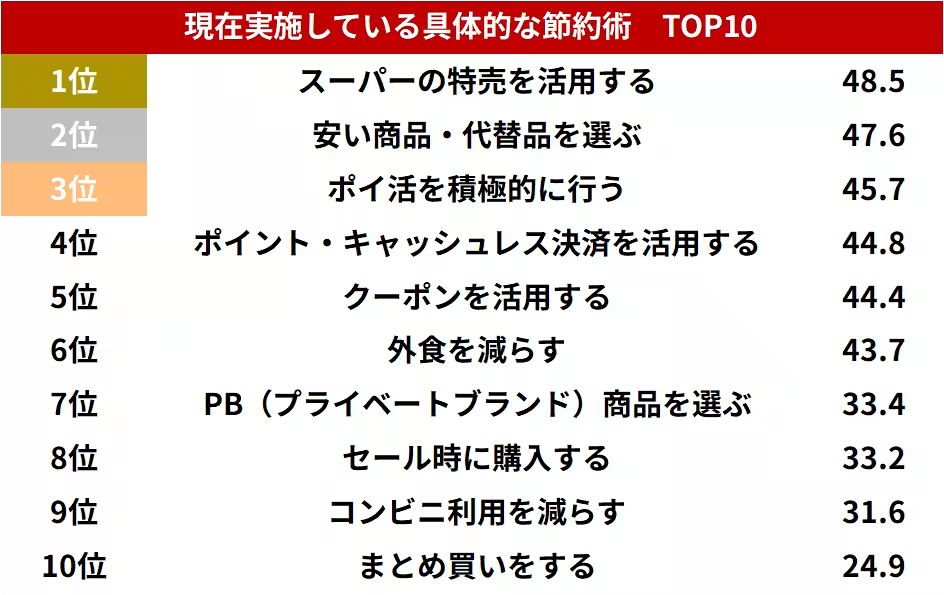
Among the various methods employed for savings, 48.5% of respondents indicated that they are taking advantage of sales at supermarkets, making it the most popular strategy. Following closely are choosing alternative and cheaper products at 47.6%, and 45.7% of individuals are engaging in point collection activities. Furthermore, 44.8% reported utilizing points and cashless payment systems while 44.4% make use of coupons as well. This showcases a shift not merely towards reducing expenses but towards savvy shopping practices among consumers.
Essential Expenditures That's Hard to Cut Down
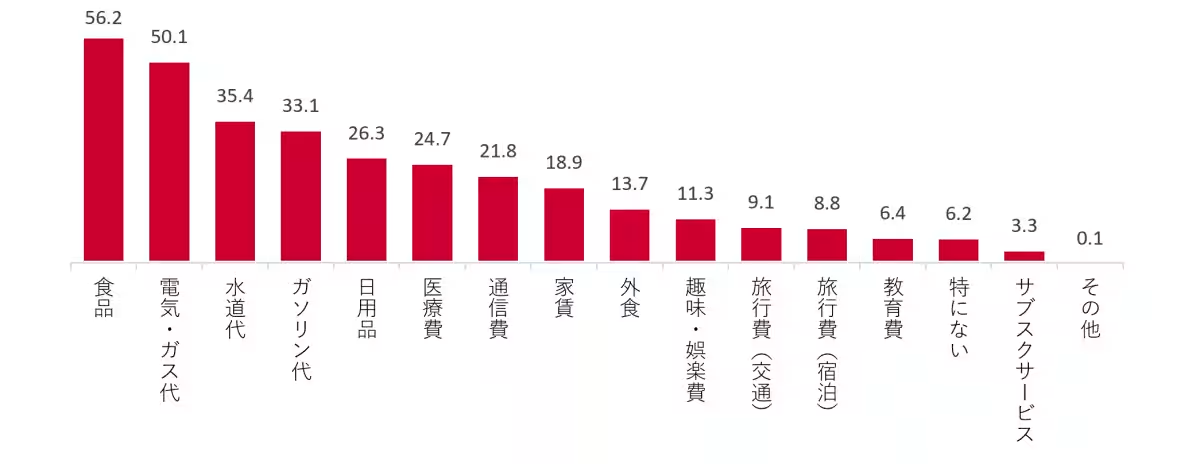
Despite a strong inclination toward savings, participants expressed that cutting back on certain expenses remains challenging. Over 56.2% cited food as a category where reductions are difficult, followed by utility bills at 50.1%. Other categories where savings are perceived as challenging include water at 35.4%, while gasoline expenses stand at 33.1%. These insights suggest that essential living costs are less susceptible to savings measures, making budgeting a daunting task for many.
Sources of Information on Saving Practices
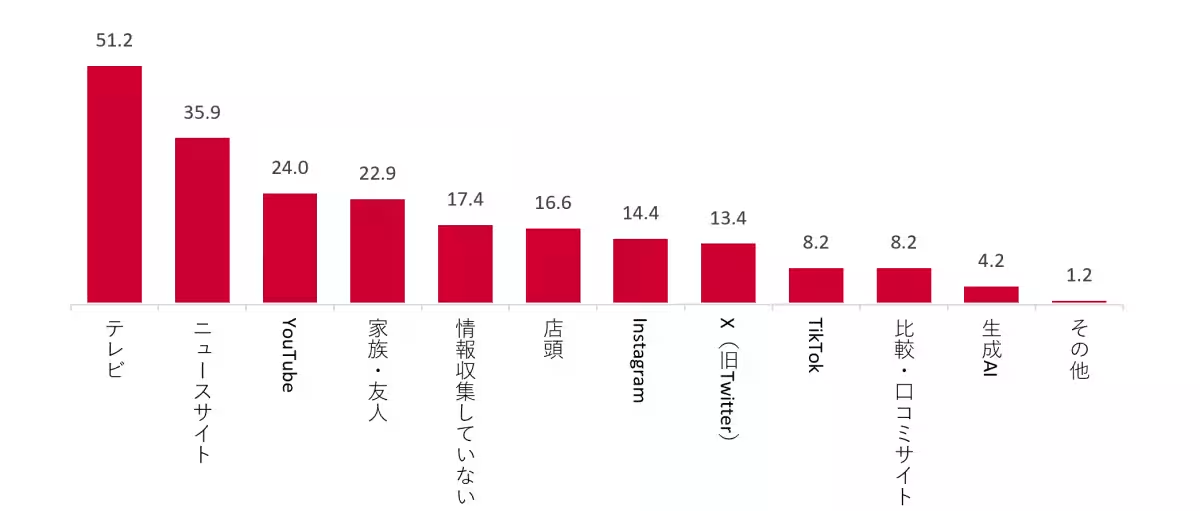
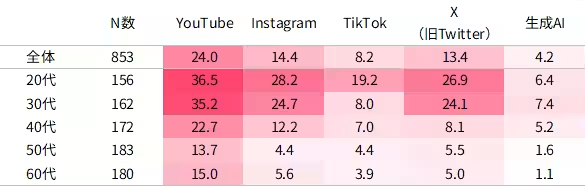
The survey also assessed where respondents are sourcing their information regarding savings. Television emerged as the leading source of information at 51.2%, followed by news websites at 35.9%, and YouTube at 24.0%. Interestingly, the younger generation, particularly those in their 20s and 30s, demonstrated a higher tendency to turn to social media platforms such as Instagram and X (formerly Twitter) for saving tips. Notably, just 4.2% of respondents overall reported sourcing their saving information from generative AI, indicating room for growth in this area among older demographics.
Desires Beyond Financial Constraints
When participants were asked about the discretionary spending they would prefer if costs were not a limiting factor, travel-related responses dominated. Options such as overseas trips, domestic travel, family outings, and even spa vacations were frequently mentioned. Other desires included dining out, pursuing hobbies, investing, and saving. This inherent longing for experiences amid financial caution paints a picture of a consumer base looking beyond immediate constraints toward future opportunities.
Conclusion
The findings from this survey provide a profound glimpse into how rising costs in Japan are reshaping consumer behavior and spending. As individuals grapple with necessary expenditures, their resourcefulness in seeking savings reflects not just pragmatism but also a desire for balance between economic challenges and personal aspirations. The impact of these ongoing economic shifts will continue reverberating throughout society, defining consumer trends in the years to come.
The full findings can be accessed through Loyalty Marketing's report, showcasing the depth of Japan's responsive strategies to an evolving economic landscape.


Topics Consumer Products & Retail)
【About Using Articles】
You can freely use the title and article content by linking to the page where the article is posted.
※ Images cannot be used.
【About Links】
Links are free to use.