




Hiring Trends from Major Players in the Recruitment Industry for June 2026
Introduction
In June 2026, the talent acquisition landscape has exhibited significant shifts, as detailed in the latest report by Frog, a leading provider of recruitment big data. This analysis examines the hirings trends among notable players in the recruitment industry—Recruit, MyNavi, Dip, BizReach, and Timy—revealing how these companies are adapting their strategies to enhance growth and address market demands.
Recruitment Data Analysis
The recruitment activities of companies evolve in response to changes in business strategy, including organizational restructuring and the introduction of new services. By tracking the volume and content of job postings, one can glean valuable insights into which areas companies are focusing on and the type of talent they aim to attract.
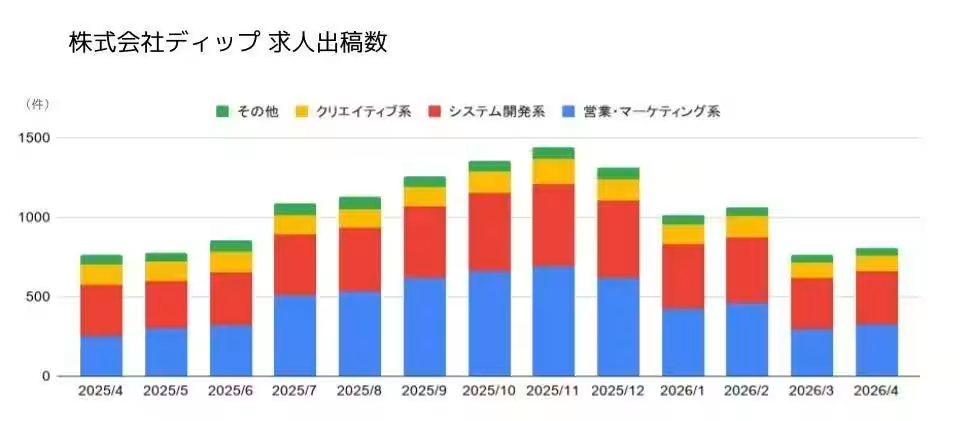
According to Frog’s data, Dip observed a dramatic increase in job listings, reaching 1,437 at peak, about 1.9 times higher than the previous year. Notably, the surge was predominantly in the sales and marketing sectors, which increased approximately 2.7 times.
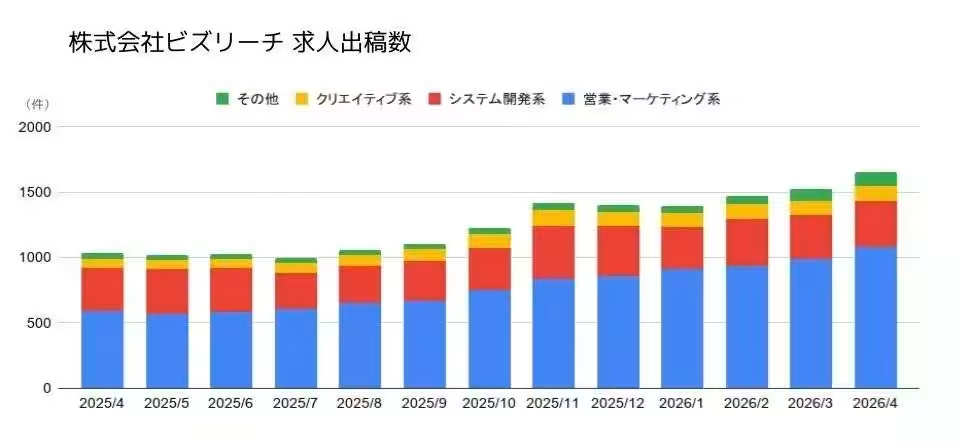
Meanwhile, BizReach expanded its investments in its HRMOS platform, resulting in a remarkable growth in sales and marketing positions, which rose 1.8 times year-on-year, along with a 1.7 times increase in creative roles.
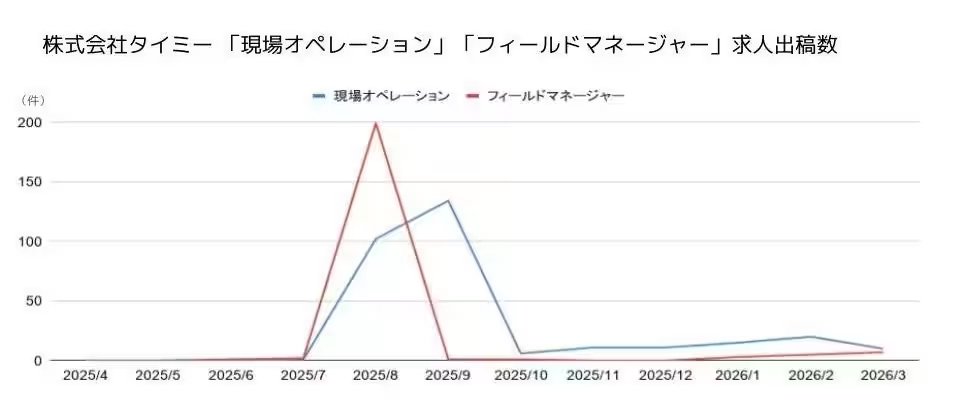
Timy’s focus on warehouse management positions also surged, with job postings for field managers peaking at 199 in August.
Analyzing Major Companies
Recruit
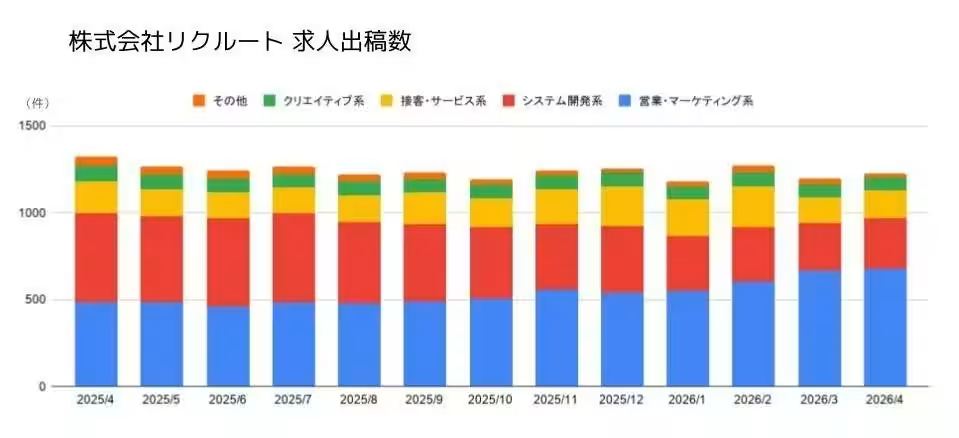
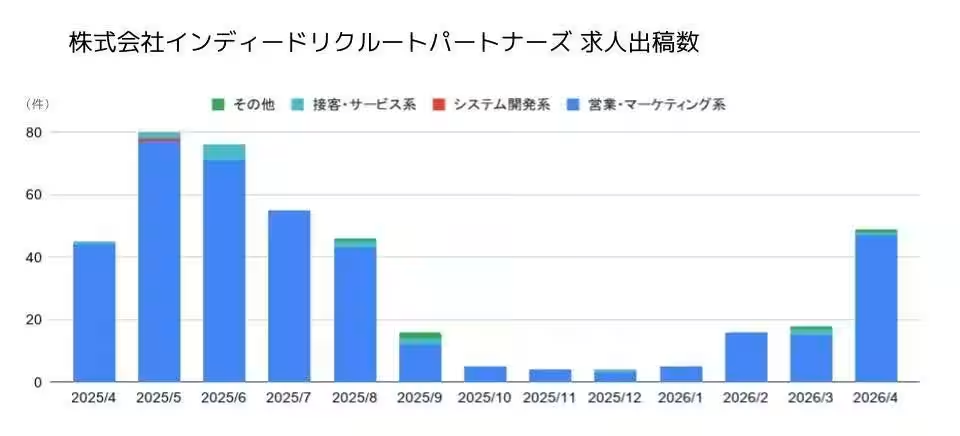
Following the restructuring in April 2025, Recruit Group redefined its focus on lifestyle promotional services, while Indeed Recruit Partners took charge of its recruitment matching services. Over fiscal year 2025, Recruit's monthly job listings fluctuated between 1,150 to 1,300.
A significant shift occurred in job categories; by April 2026, the ratio of sales and marketing positions to system development roles had changed to 2.3:1 from 1:1 in April 2025, indicating a strategic pivot towards enhancing business growth via stronger marketing and sales teams.
MyNavi
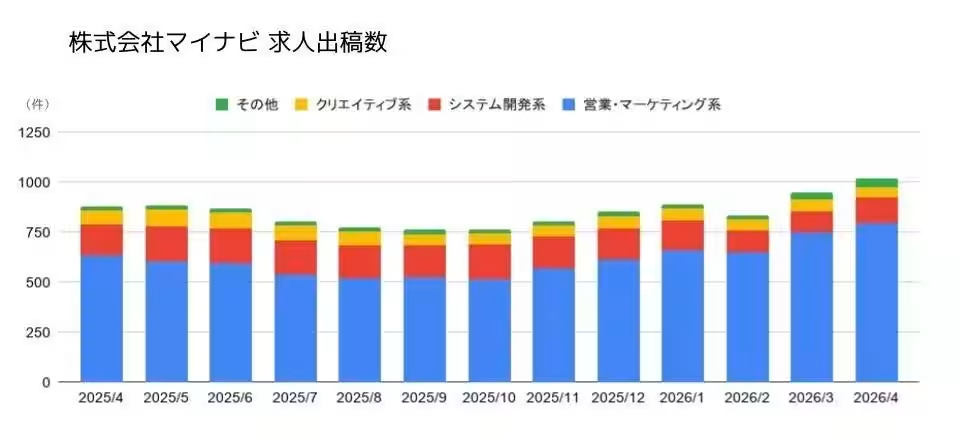
MyNavi maintained a steady job posting figure of approximately 750 to 1,000 throughout 2025. However, a noticeable change in job composition emerged. By April 2026, job postings for system development decreased to 12.7% from 17.6%, while sales and marketing roles climbed to 77.8% from 72.2%. This shift suggests a sharpening focus on business expansion via enhanced sales and marketing initiatives.
In December 2025, MyNavi rebranded its job matching service to strengthen its media and talent acquisition segments. They also launched new services like talent management systems and AI-driven recruitment tools, indicating a commitment to developing their sales and marketing workforce.
Dip
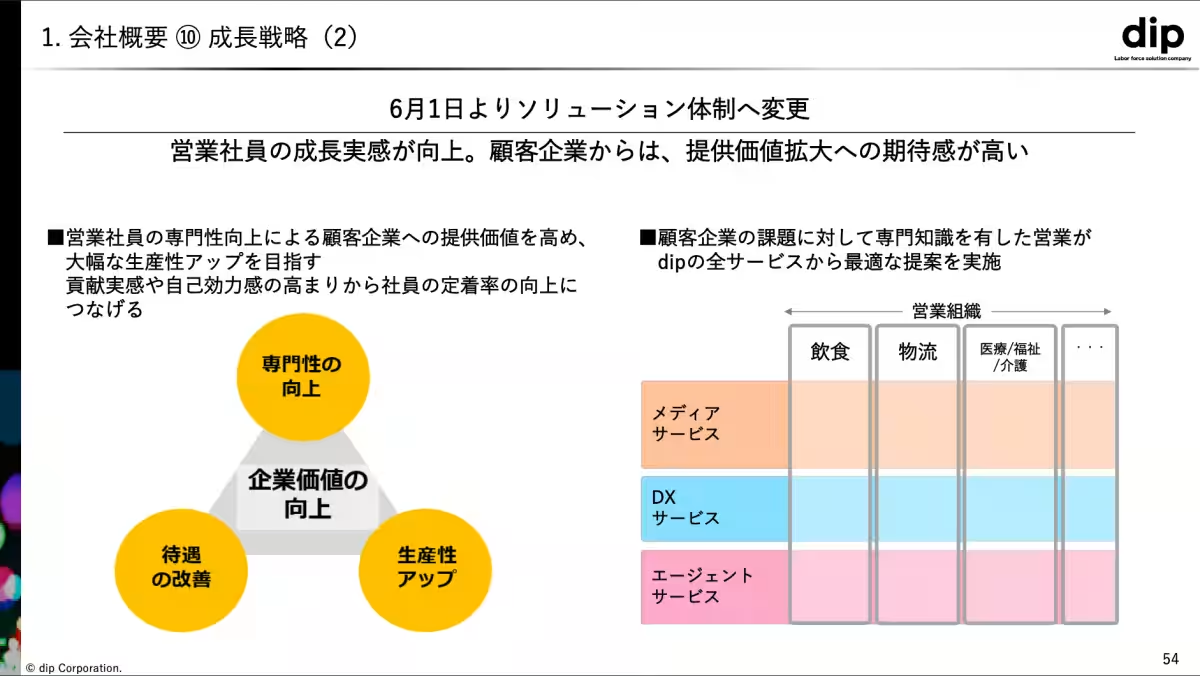
The latter half of 2025 saw a substantial increase in job postings from Dip, reaching a peak of 1,437 listings by November, representing a 1.9 times increase since April of that year. The spike was primarily attributed to the sales and marketing sector, which saw a 2.7 times increase in job postings. Dip's solution-focused approach involves specialized sales teams dedicated to providing optimal proposals across its services, indicating a keen interest in hiring experienced personnel.
By Q3 of 2026, predictions of 200 new hires, significantly exceeding their initial goal of 100, further reflected their aggressive recruitment policy.
BizReach
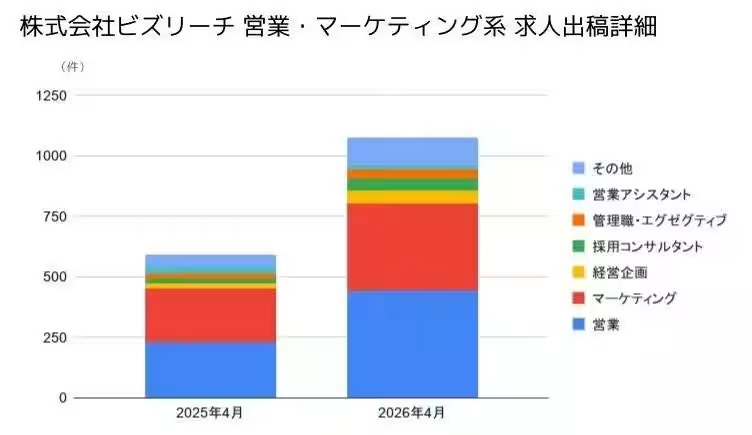
Throughout fiscal year 2025, BizReach sustained a steady increase in job postings, culminating at 1,650 by April 2026, a 1.6 times increase year-on-year. The sales and marketing positions expanded impressively to 1,076 postings, almost 1.8 times higher than before.
With a clear emphasis on creative talent to back their business pursuits, the company’s hiring strategy has been influenced by substantial investments in their HRMOS and BizReach services.
Timy
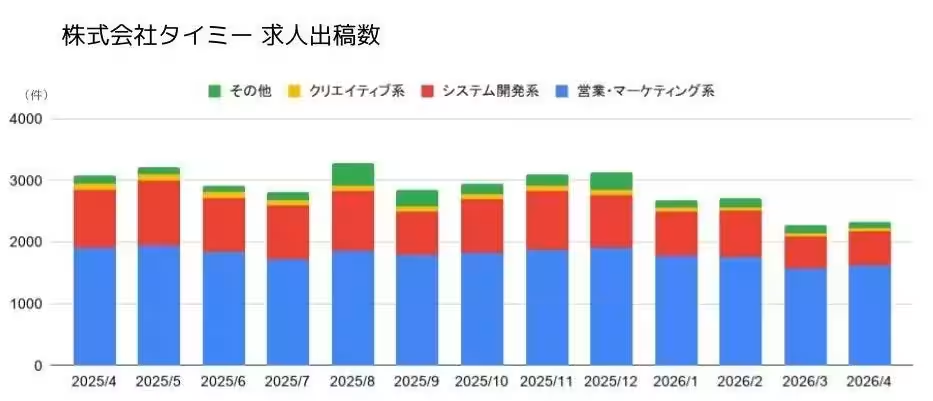
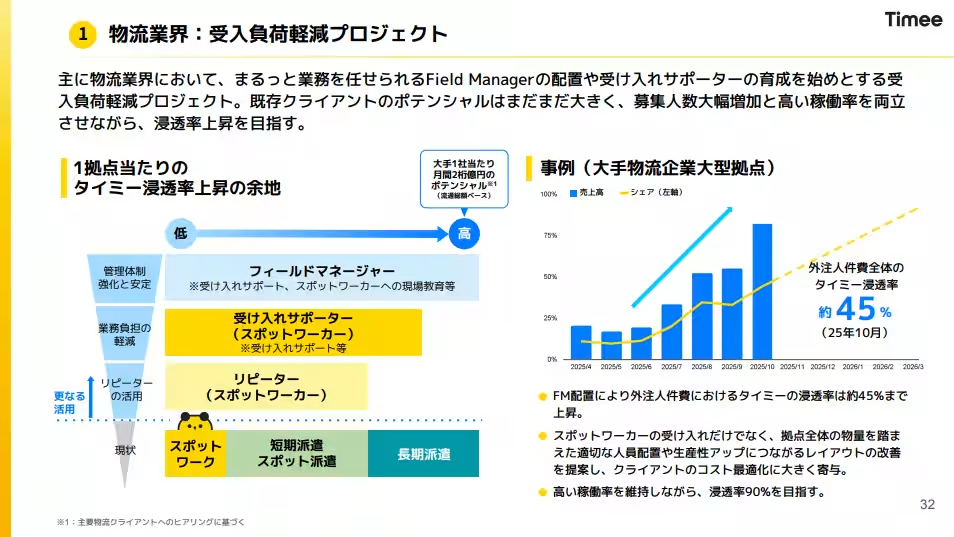
Timy's job postings frequently hovered around 3,000 throughout 2025, but a slight contraction was noted in 2026. The firm focused notably on logistics and warehouse management roles, during which they ramped up hiring for operational leaders and field managers significantly, demonstrating their commitment to streamlining logistics operations.
Conclusion
A comparison of job postings across these major recruitment players underscores a clear trend: hiring policies are adapting to organizational changes, expansive investments, and new service launches. Companies are directing their recruitment efforts toward sales and marketing roles, highlighting a consistent emphasis across the industry. Yet, unique needs such as logistics personnel for Timy and creative roles for BizReach reflect varying strategic priorities. The utilization of recruitment big data is critical in visualizing these trends and strategies, and Frog intends to continue monitoring these dynamics in the staffing industry.

Topics People & Culture)


【About Using Articles】
You can freely use the title and article content by linking to the page where the article is posted.
※ Images cannot be used.
【About Links】
Links are free to use.