



The Importance of Comfort and Aesthetic in Sleepwear for Quality Sleep
Introduction
Many individuals underestimate the importance of quality sleep and the right sleepwear to achieve it. String Corporation, based in Amagasaki City, Hyogo, recently conducted a survey examining the relationship between the discomfort of sleeping in the rainy and early summer seasons and the choice of roomwear. Targeting both health-conscious individuals and those without specific interests in self-investment, the study revealed several insights about the interactions between sleep quality and wardrobe choices.
Increasing Sleeping Difficulties
As the rainy season transitions into early summer, rising temperatures and humidity are leading to increased levels of discomfort during sleep. While many assume higher room temperatures are the primary culprit, this survey suggests that suboptimal roomwear may play a significant role. Outdated clothing can contribute to an atmosphere of discomfort, acting as "visual noise" that disrupts the mental state necessary for relaxation.
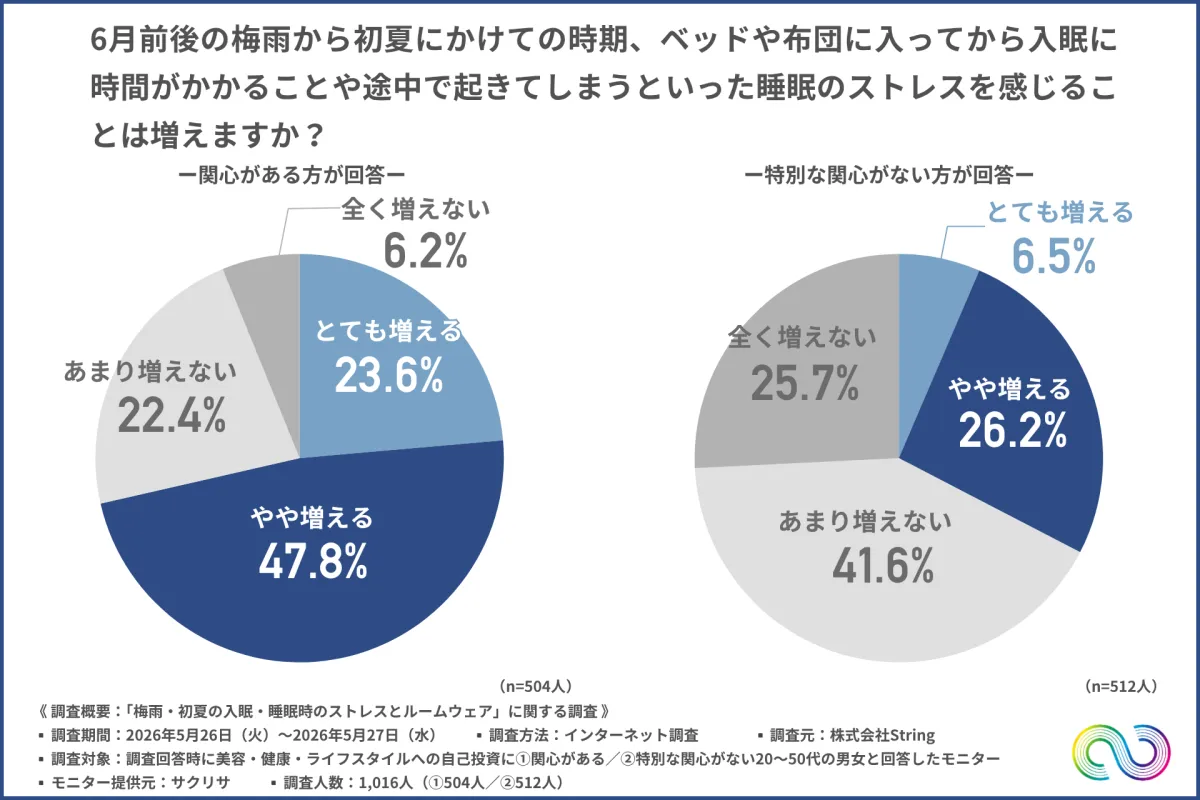
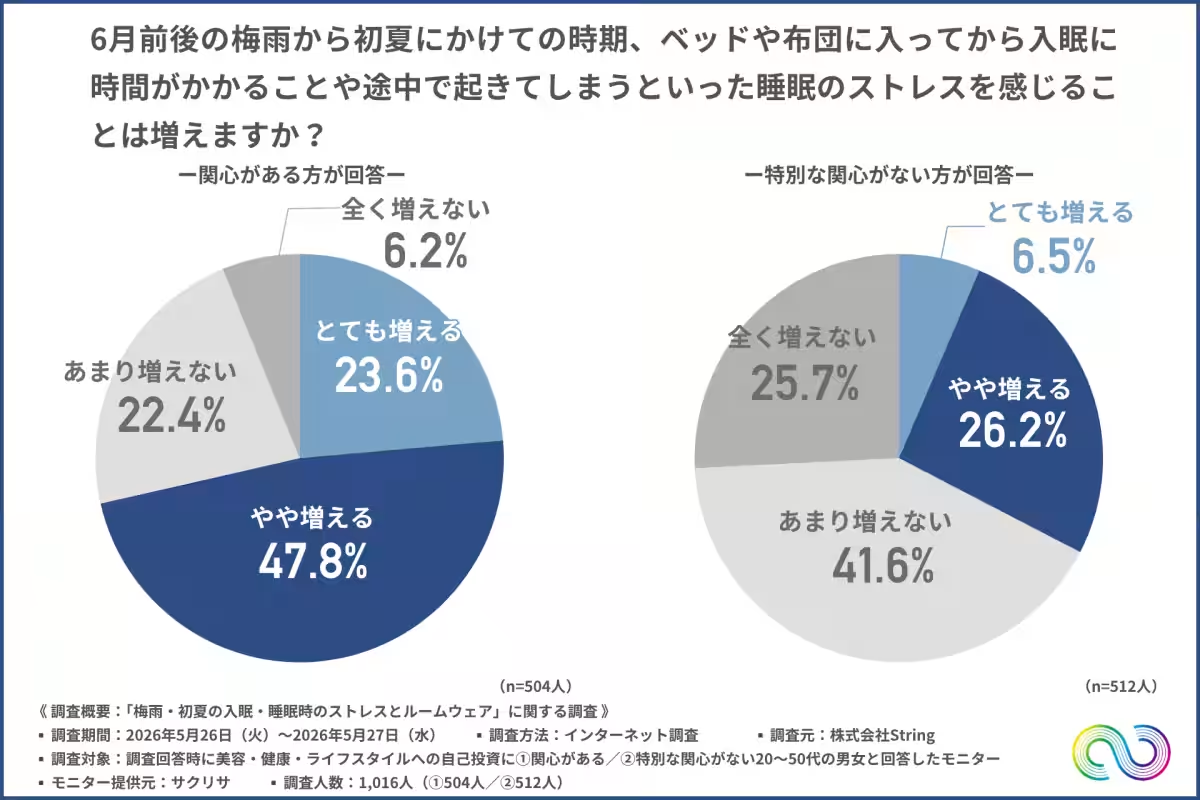
The survey sought to understand how many individuals feel stressed during sleep as summer approaches, focusing specifically on the harmony of clothing and the sleeping environment.
Survey Overview
The survey conducted from May 26 to May 27, 2026, involved 1,016 participants aged between 20 and 50. Participants were divided based on their interest in self-investment related to beauty, health, and lifestyle. The findings from this wide-ranging survey illuminate key factors impacting sleep quality during this transitional time.
Sleep Stress Factors
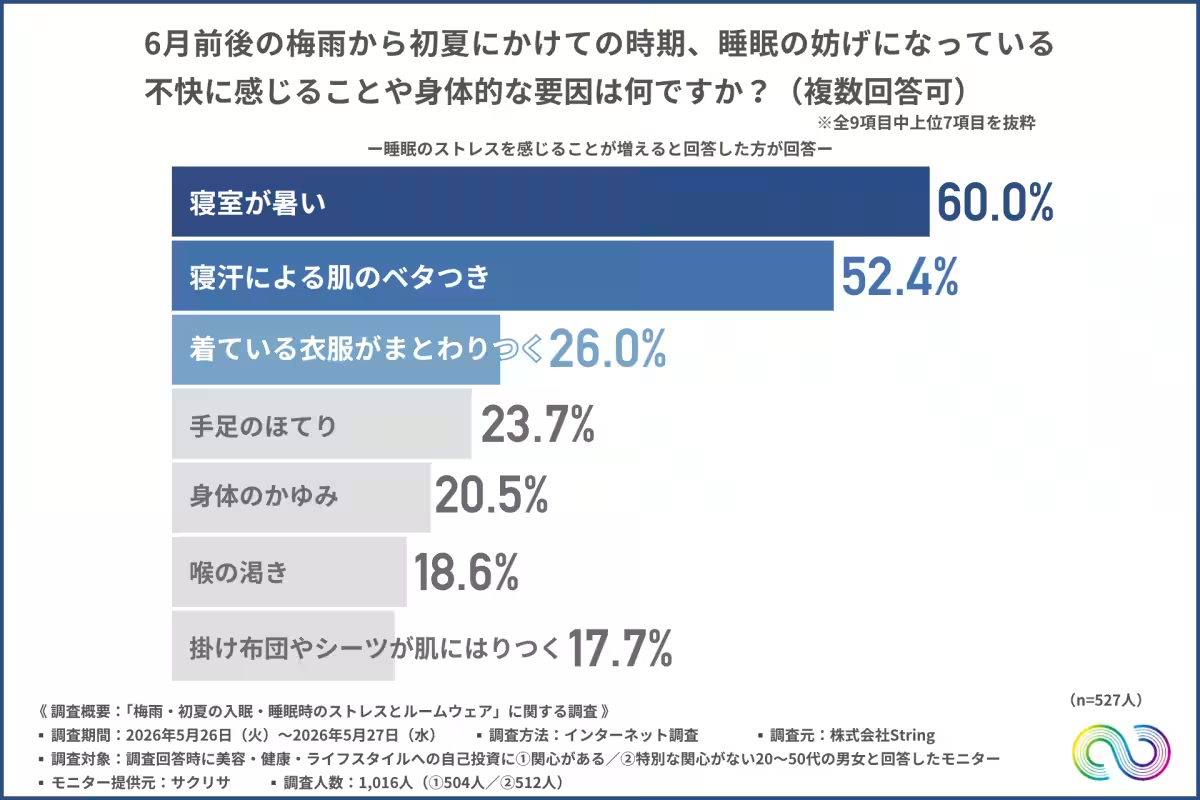
The survey responses indicated that discomfort is not solely attributed to higher temperatures but also includes physical sensations like stickiness from perspiration and the clinginess of clothes. Notably, 60% of participants expressed that heat in the bedroom negatively impacted their sleep quality, alongside 52.4% acknowledging that sweat’s stickiness affects comfort.
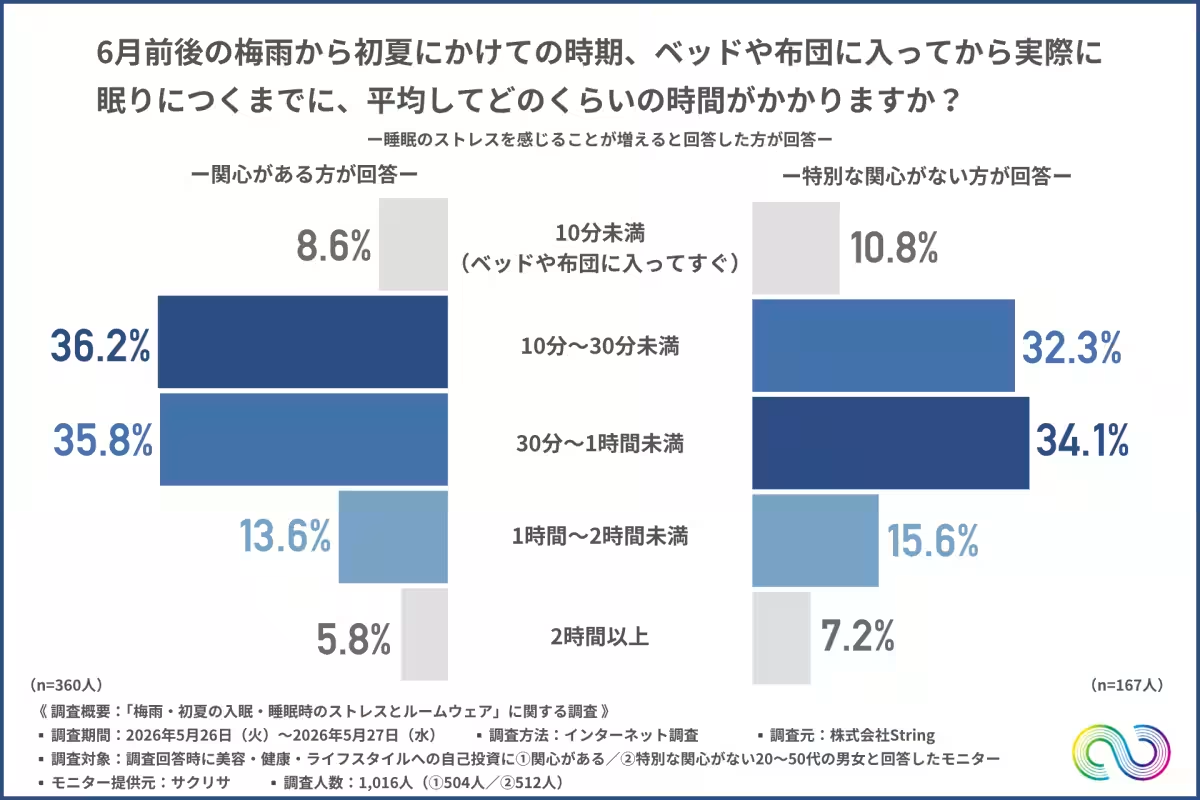
Interestingly, despite having a general interest in self-investment, individuals from both interest groups reported similar average times taken to fall asleep, revealing another layer of concern regarding sleep quality. Many participants took more than 10 minutes to fall asleep, while some took over 30 minutes, indicating a prevalent issue affecting various demographics.
Clothing Choices Matter
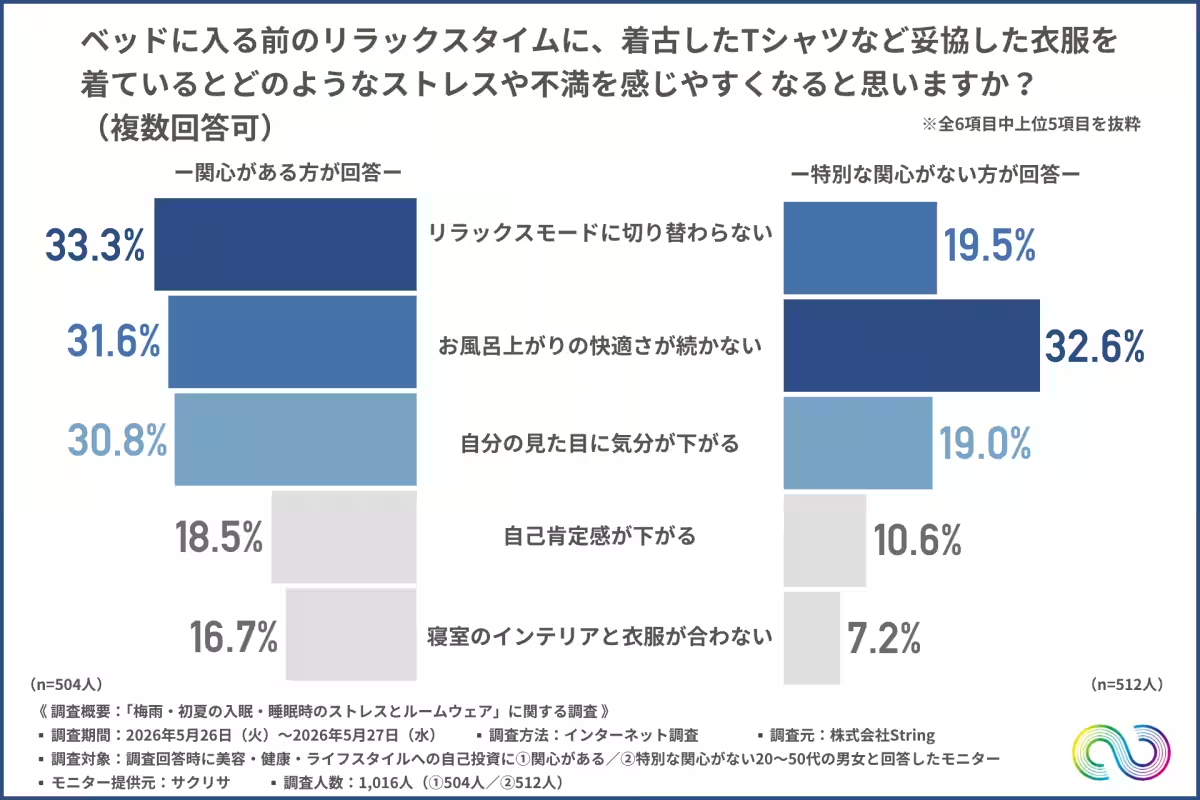
Respondents were also asked how their choice of clothes before bedtime affected their relaxation levels. A significant proportion (around 30%) stated that wearing old clothing decreased the comfort they experienced after a bath. Those particularly attuned to self-investment noted additional stresses like failing to switch to a relaxation mode or feeling disheartened by their appearance.
This suggests that the transition from daytime to nighttime—both physically and mentally—can be hindered by inadequate clothing choices, emphasizing the need for high-quality sleepwear that serves functional and aesthetic purposes.
Design’s Role in Sleep Quality
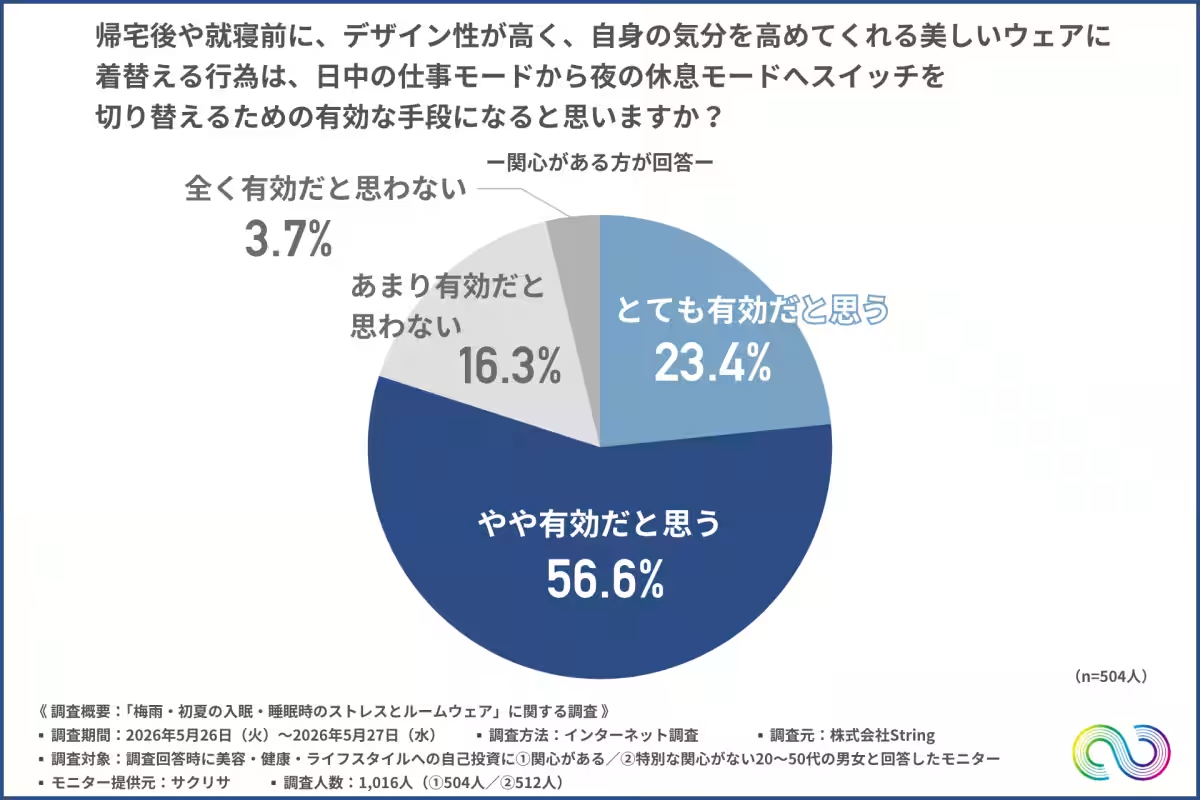
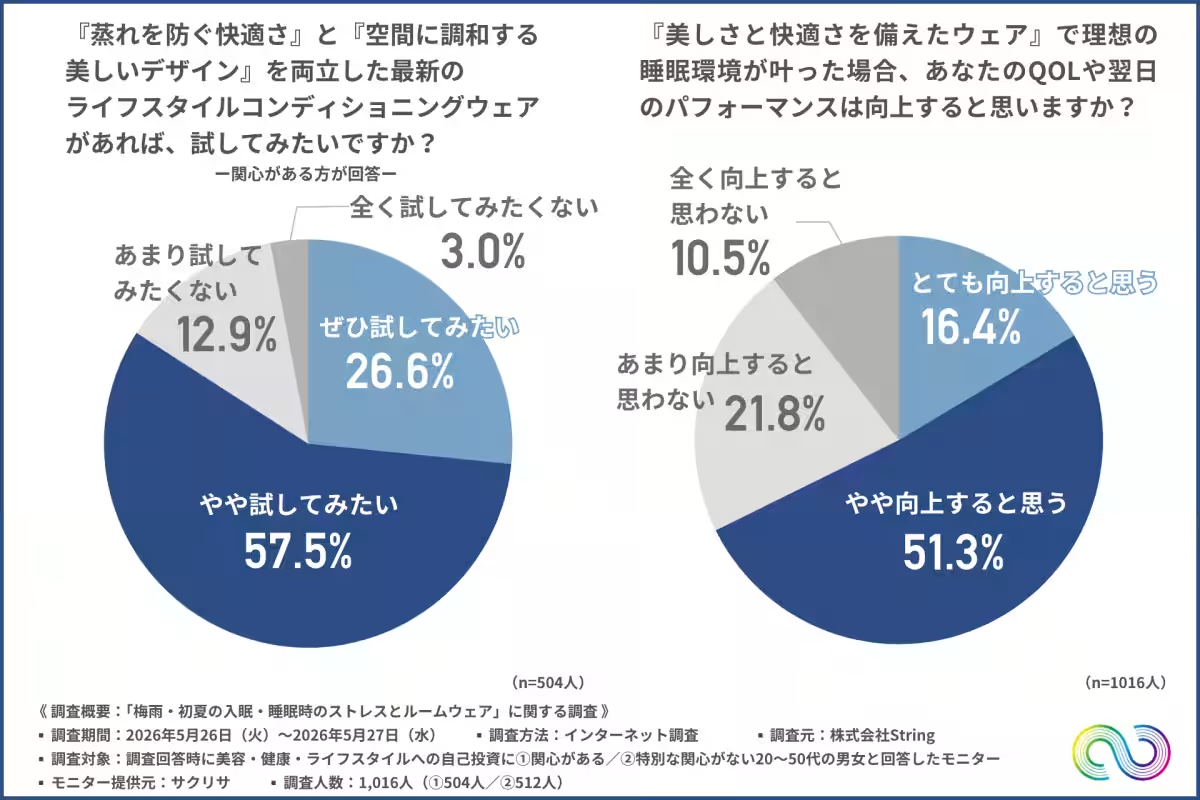
Participants expressed a strong preference for aesthetically pleasing sleepwear, with close to 80% believing that changing into beautiful, well-designed clothing enhances the switch from work mode to relaxation mode in the evening. The choice of clothing not only impacts physical comfort but influences mental readiness for sleep.
Aesthetic vs. Functionality
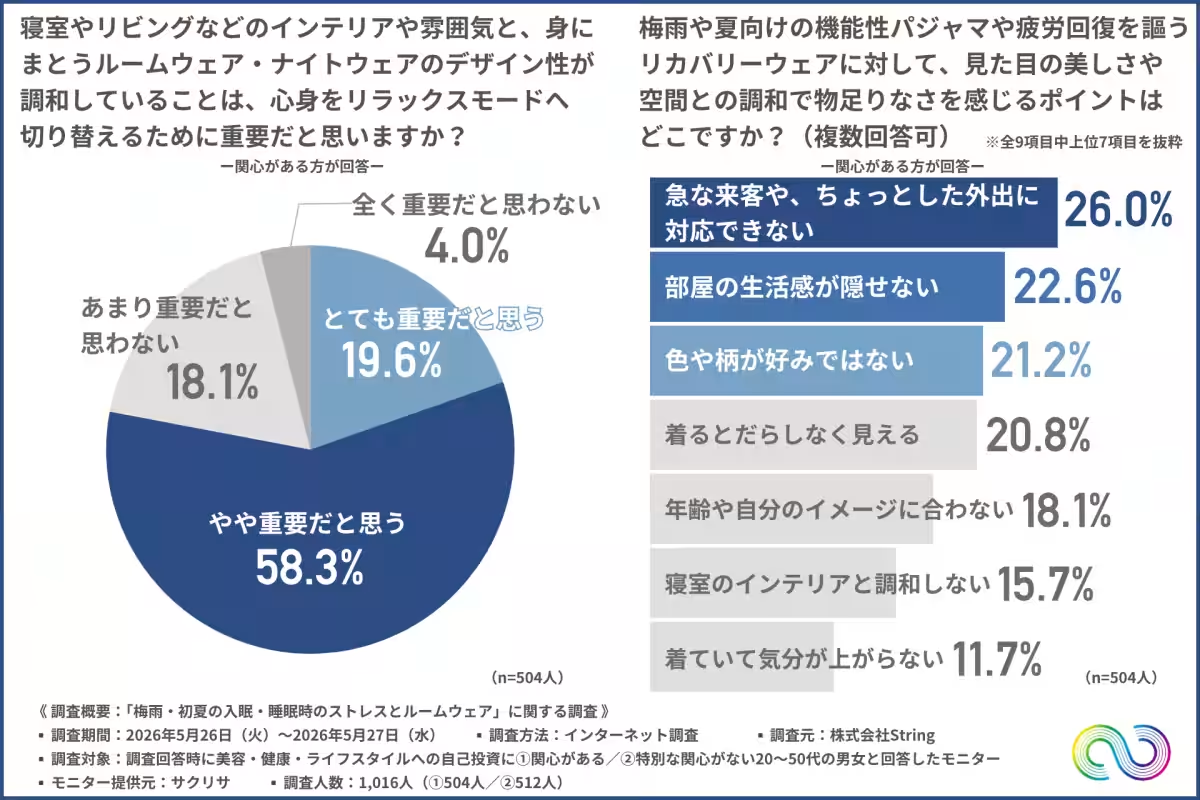
Participants were also queried about the importance of creating a harmonious atmosphere between their room and attire. Approximately 80% agreed that matching the design of roomwear with bedroom decor was vital for achieving a relaxed mental state, highlighting an emerging trend emphasizing both comfort and visual appeal in sleepwear.
Despite this inclination towards design, many existing functional pajamas didn’t satisfy aesthetic needs, which has left consumers unsatisfied with options that lack visual allure suitable for unexpected visitors or quick outings. Nearly 70% expressed a desire for sleepwear that balances beauty and comfort, which could lead to an improved quality of life (QOL) and productivity the next day.
Challenges of Current Sleepwear
Respondents also raised common complaints regarding functional pajamas currently on offer, with many stating that they didn’t feel presentable for unexpected guests (26%) or that their designs showed everyday wear (22.6%). These insights illustrate a gap in the market: practical sleepwear must also cater to aesthetic preferences.
Future Directions for Sleepwear
Reflecting on the survey findings, many individuals are eager to explore innovative sleepwear that integrates aesthetics with practicality, reinforcing the idea that sleepwear choices significantly impact daytime performance and overall well-being. Notably, many believe that a well-selected sleep environment can enhance both relaxation and rejuvenation.
Conclusion: Merging Function and Design
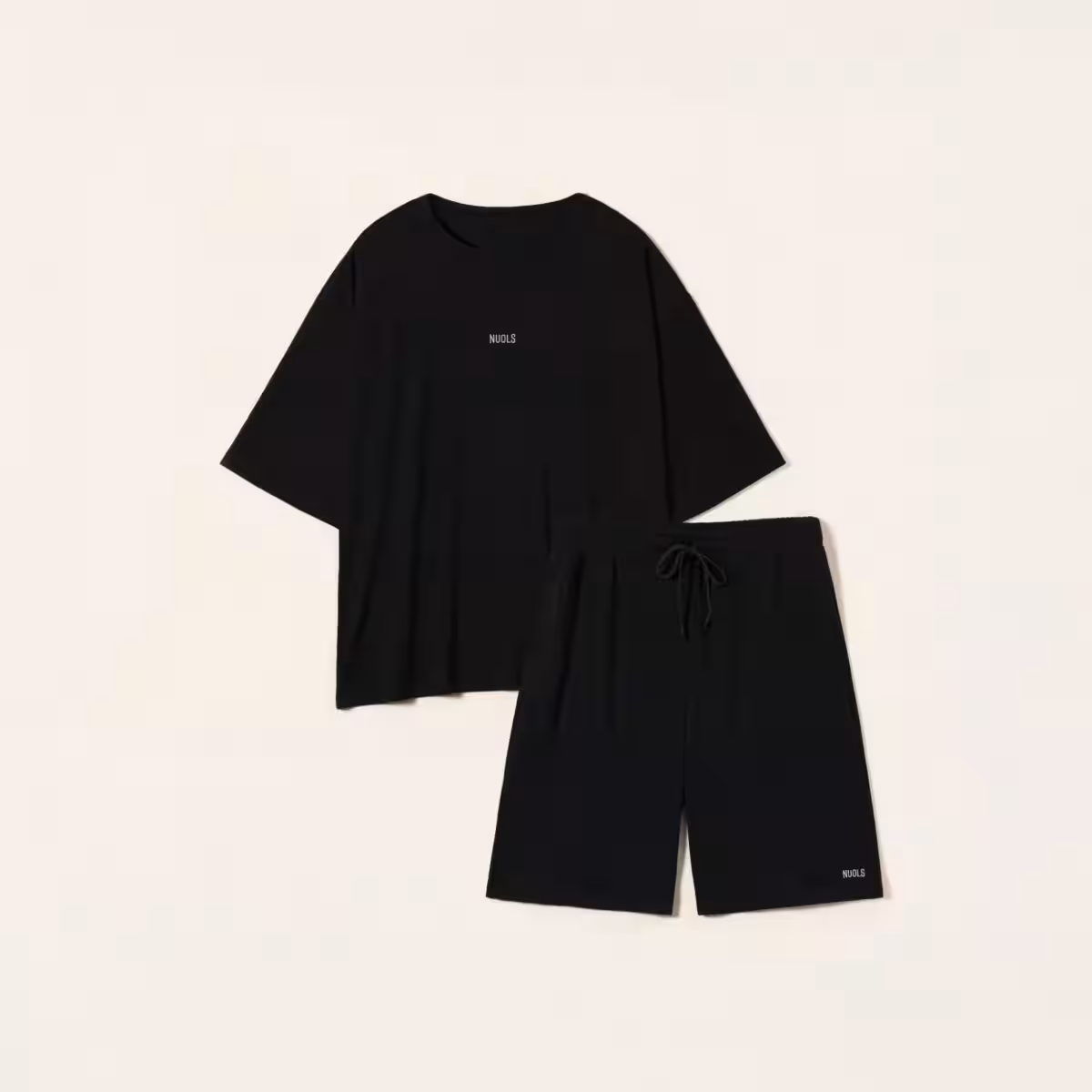
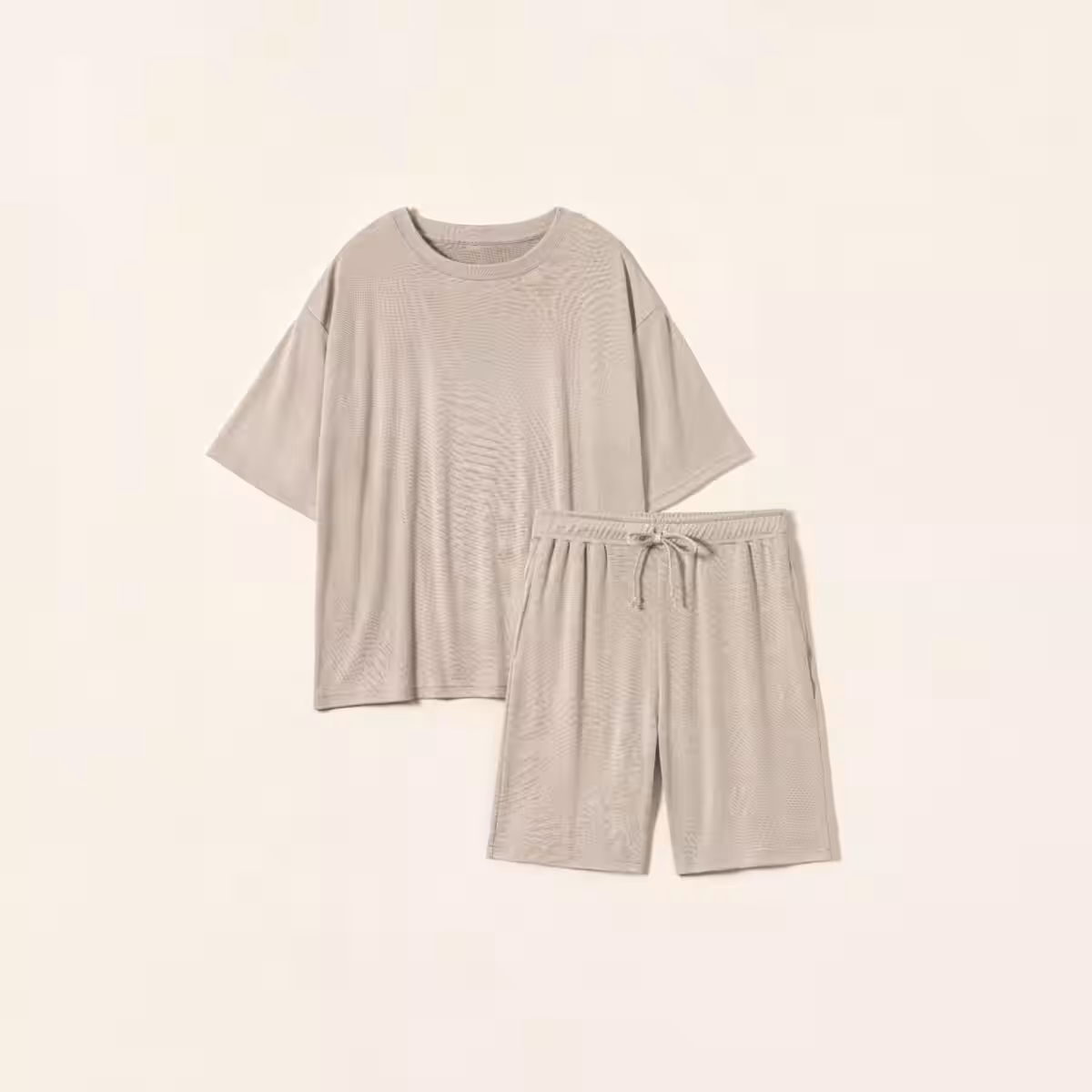
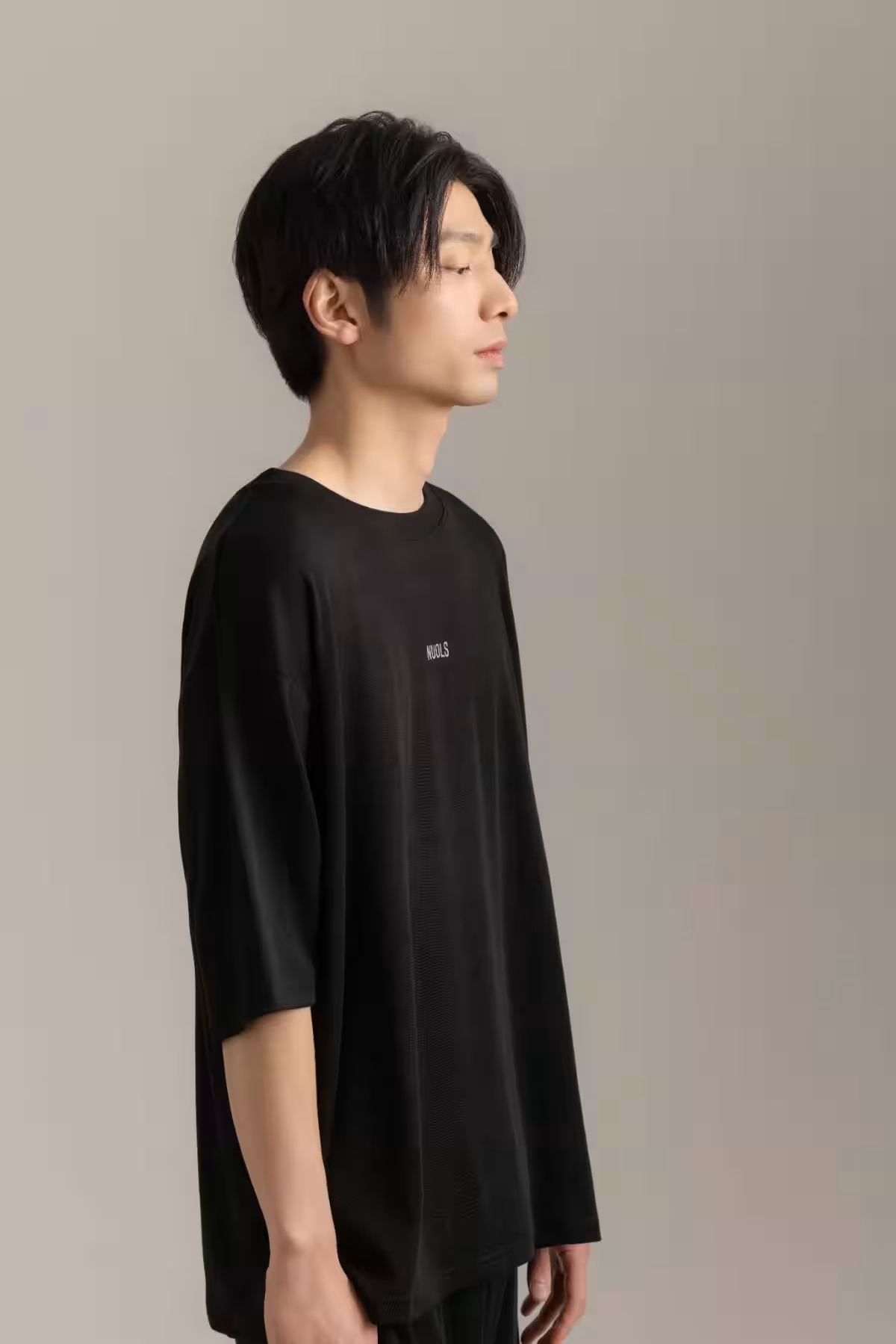
This investigation emphasizes the need for sleepwear that addresses both functional comfort and aesthetic appeal, particularly during the transition from rainy to hot seasons. As consumer trends highlight the growing desire for sleepwear that meets these needs, brands like String Corporation are stepping in to provide quality products like "NUOLS" that aim to unify comfort, aesthetic appeal, and the overall relaxation experience. Their offerings are designed to not only enhance sleep quality but also contribute positively to QOL, making the pursuit of effective roomwear a valuable investment.
About NUOLS
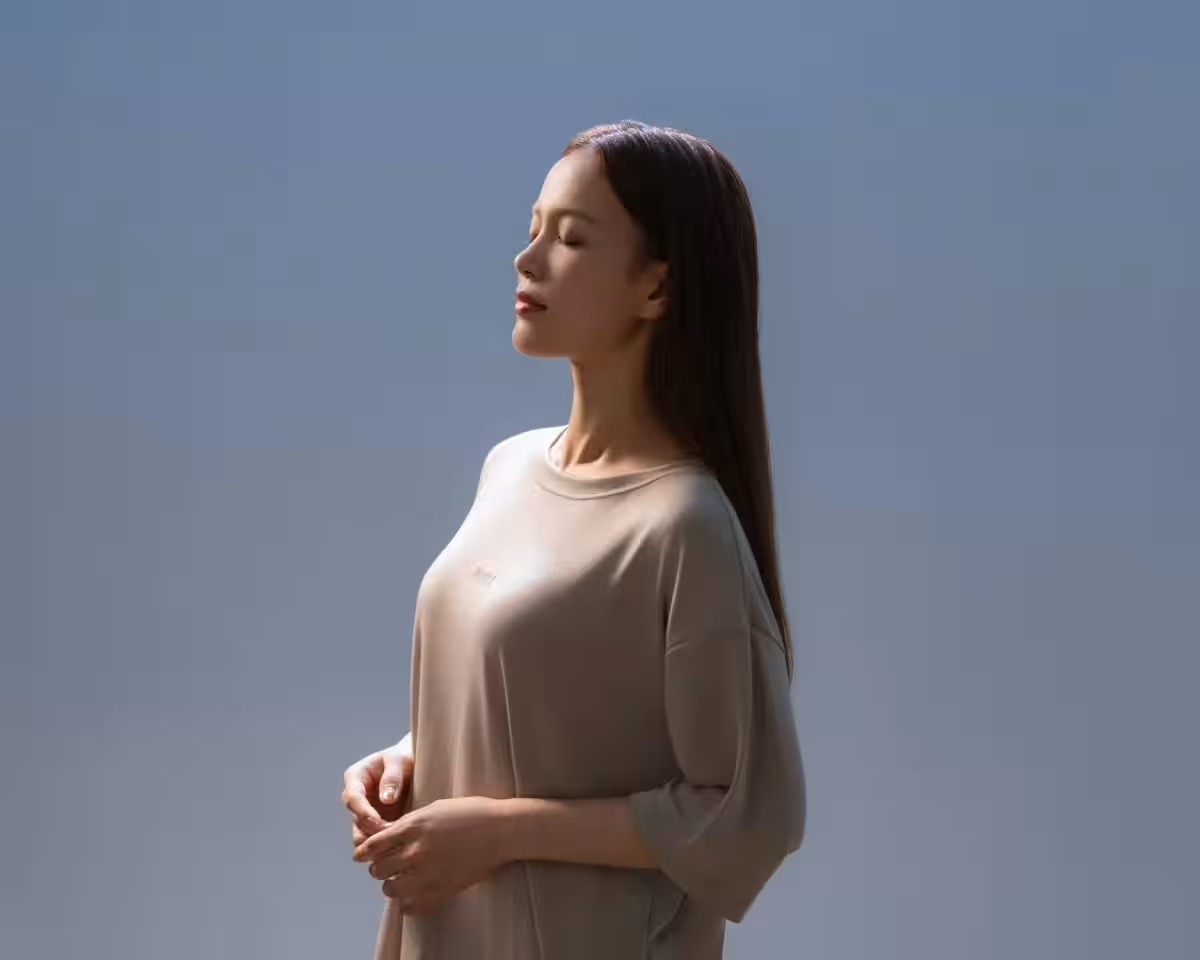
NUOLS serves as a pioneering solution in the realm of sleepwear. It incorporates advanced fabric technology to ensure wearers not only experience physical comfort but also enjoy a stylish look that transitions seamlessly from day to night. This approach recognizes the dual role of sleepwear in influencing both wellness practices and lifestyle aesthetics.

Topics Consumer Products & Retail)
【About Using Articles】
You can freely use the title and article content by linking to the page where the article is posted.
※ Images cannot be used.
【About Links】
Links are free to use.