




Revitalizing East Japan: The Collaborative Strategy of JR East, JAL, and JTB for Innovative Tourism
The Collaboration for East Japan's Future Tourism
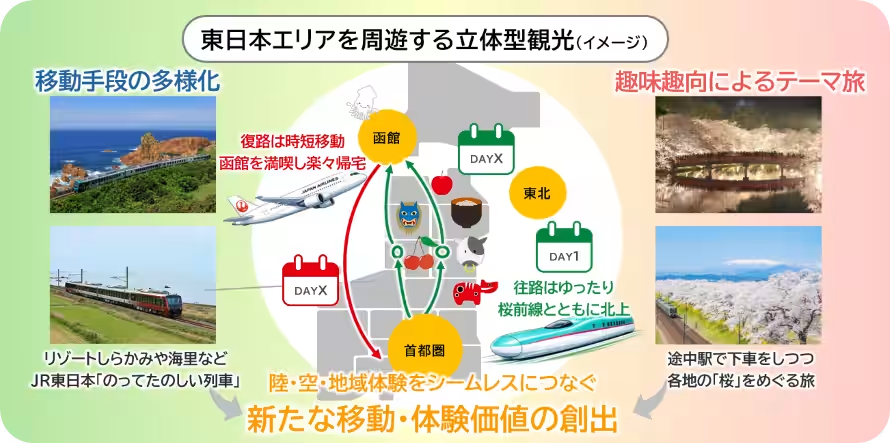
In an exciting new initiative, East Japan Railway Company (JR East), Japan Airlines (JAL), and JTB Corporation are joining forces to promote a multidimensional tourism strategy for the eastern region of Japan. With this collaboration, the three organizations aim to develop a seamless travel experience combining rail and air travel.
Objectives of the Collaboration
The primary goal of this partnership is to leverage the unique strengths and networks of each company to establish a new tourism model that encourages extensive regional travel. By integrating rail, air, and local experiences, they aim to create a new value in mobility and experiences. A series of initiatives will focus on enhancing local cultural, culinary, and natural resources while creating attractive tourism content and experience programs. The collaboration seeks to foster sustainable tourism that promotes human movement and increases visitor engagement while enhancing the sustainability of the tourism industry and revitalizing the regional economy.
Specific Initiatives to Promote Multidimensional Tourism
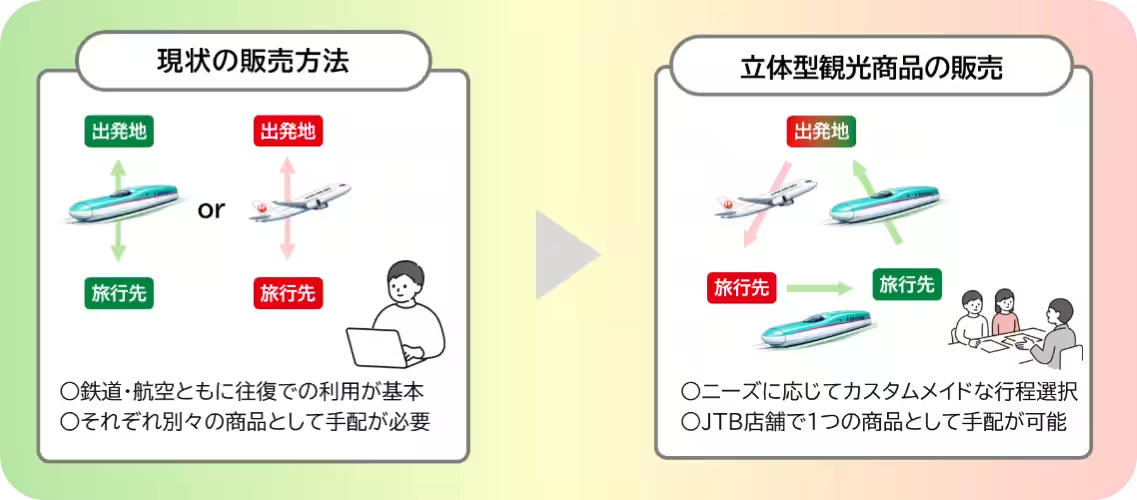
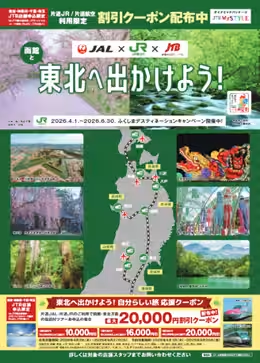
The collaboration focuses on expanding travel options integrating air and rail to encourage regional exploration across East Japan. For example, travelers can leisurely experience the region on their way to a destination and enjoy their time to the fullest before returning home by plane, maximizing their travel experiences. To support this, promotional campaigns and travel coupons will be launched to entice more visitors. Starting from April 2026, JTB will offer special products that allow customers in the Tokyo metropolitan area to customize their travel, choosing between rail and air for inbound and outbound journeys.
Creating Attractive Destinations
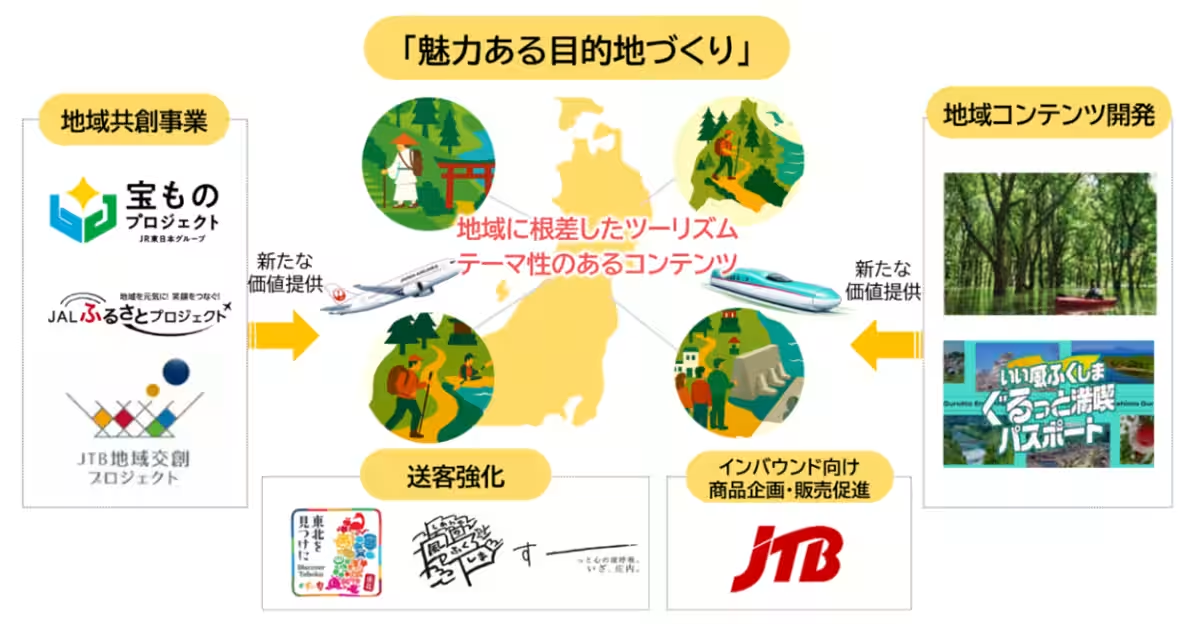
The collaboration also focuses on destination creation through thematic tourism. By developing content rooted in local communities and utilizing JTB's strength in fostering connections, the initiative will promote various campaigns, including the Fukushima Destination Campaign and the Michinoku Coastal Trail. These campaigns aim for revitalization and extensive regional travel, promoting both established and emerging attractions in the area.
Examples of Destination Development Initiatives
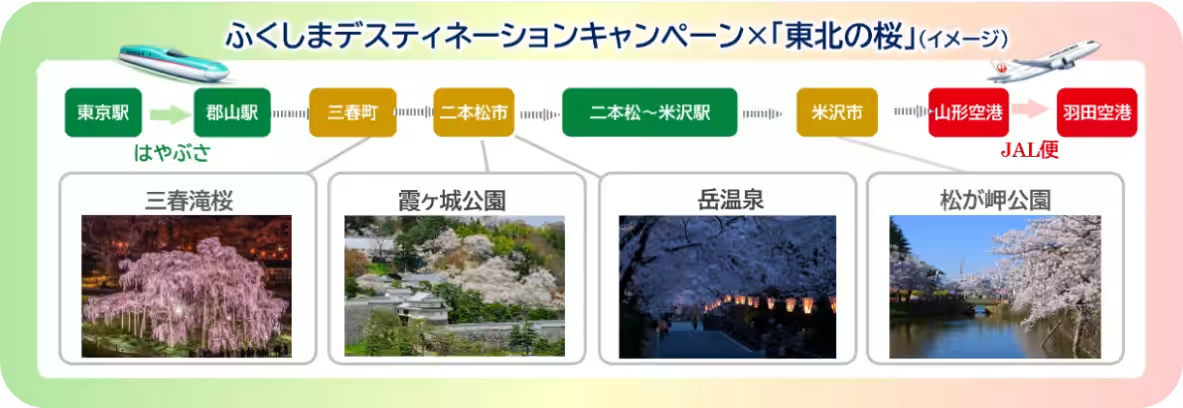
1. Fukushima Destination Campaign: Launched in line with the 15th anniversary of the Great East Japan Earthquake, this campaign aims to increase tourist visits to the Tohoku area.
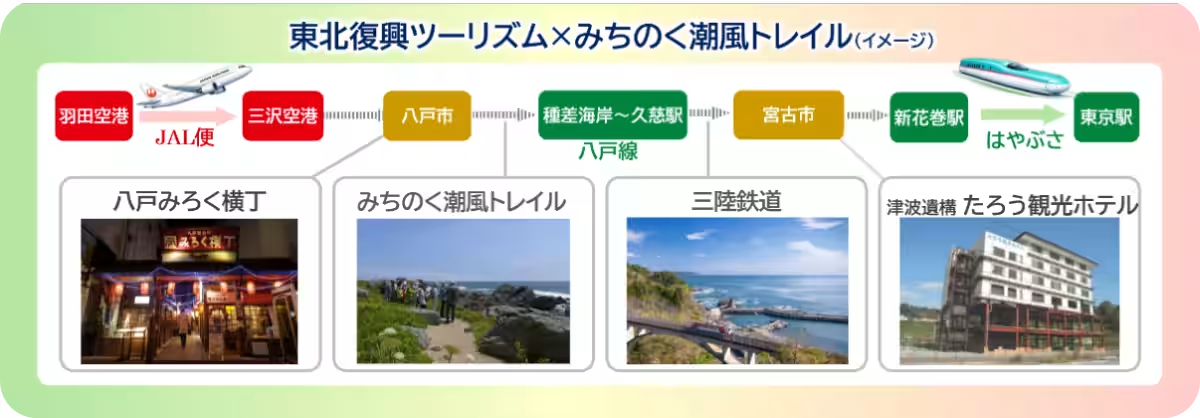
2. North East Reconstruction Tourism: Focusing on the educational travel and corporate training sectors, this initiative delves deeper into local experiences, aiming to boost tourism and partnerships with local organizations.
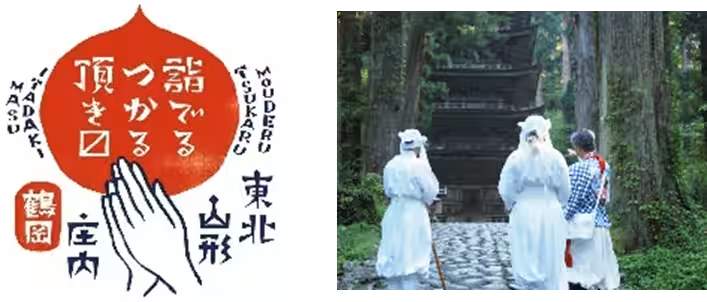
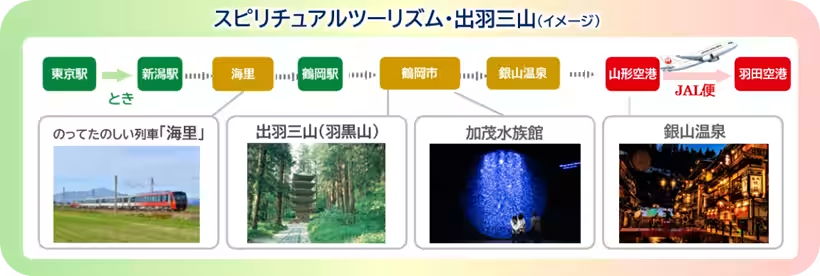
3. Spiritual Tourism: The sacred mountains of Dewa offer unique experiences surrounding traditional religious cultures, making them increasingly popular among international tourists.
Promotion Efforts
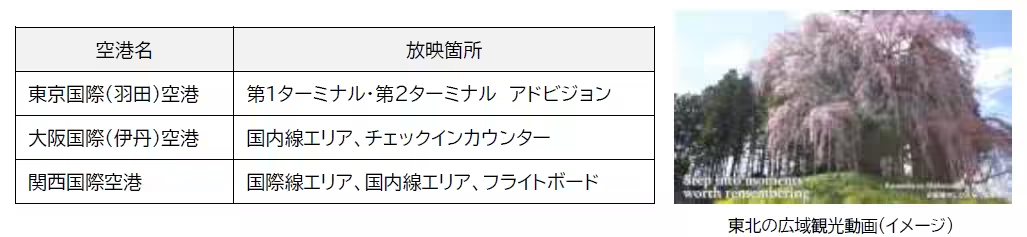
Starting March 2026, digital advertising campaigns at major airports like Haneda and Kansai will target domestic and international travelers. These promotions will highlight the cherry blossoms and encourage interest in multidimensional tourism. Through various initiatives, the partnership aims to showcase the richness of East Japan's landscapes, culture, and experiences.
This collaboration represents an innovative step toward enriching tourism in East Japan and promoting sustainable practices that benefit local communities. By blending experiences across land and air travel, JR East, JAL, and JTB seek to unveil the hidden gems of this beautiful region, attracting visitors from near and far.



Topics Travel)
【About Using Articles】
You can freely use the title and article content by linking to the page where the article is posted.
※ Images cannot be used.
【About Links】
Links are free to use.