



Discover Local Eateries in Okinawa: Free Data Release of 10,665 Restaurants
Unveiling Okinawa's Culinary Treasures: Free Restaurant Data Release
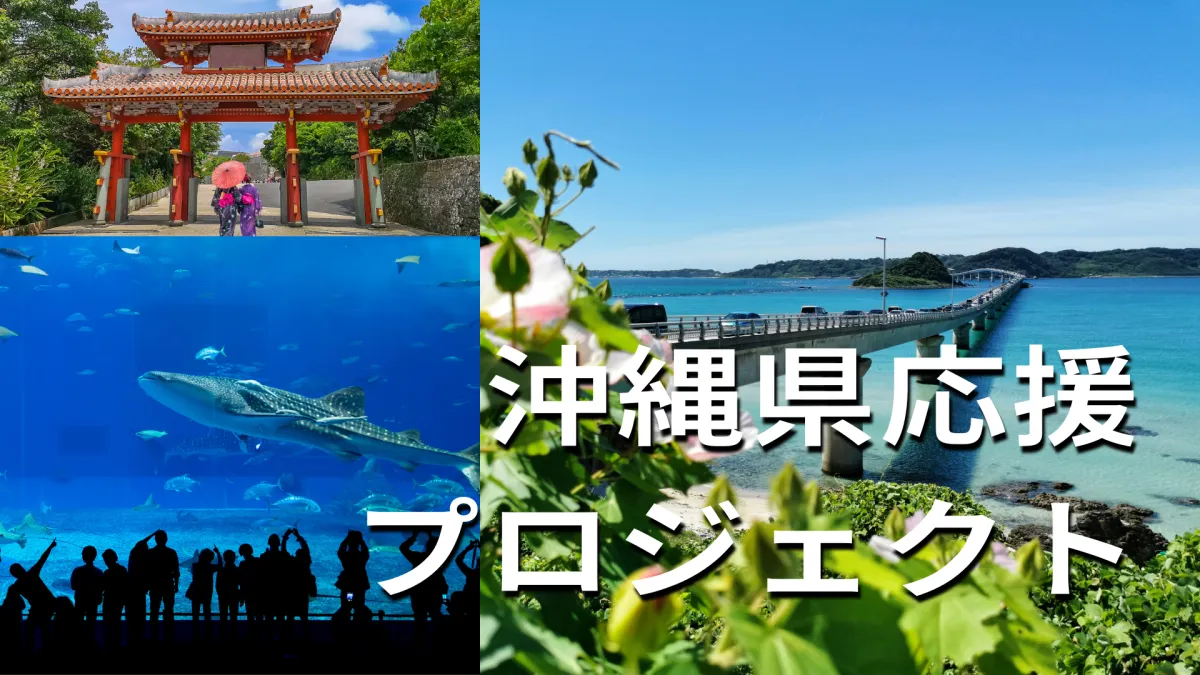
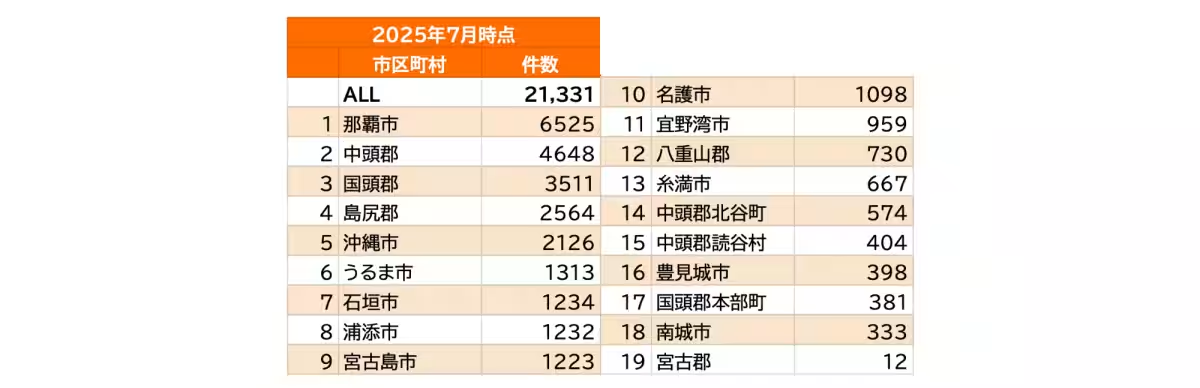
In an exciting development for food enthusiasts and entrepreneurs, Review Inc. has released its second set of restaurant data for Okinawa, featuring 10,665 eateries across various genres. Famed for its stunning beaches and unique culture, Okinawa is also home to a vibrant food scene that few have had the chance to explore in depth. This initiative not only showcases local dining establishments but also emphasizes the intersection of tourism and daily life upon the island.
A Strong Start to Local Support
The first round of data was met with overwhelming enthusiasm, prompting Review to expand its offering to include a diverse set of restaurants across 13 categories, including cafes, traditional Ryukyu cuisines, and noodle shops specializing in soba. This resource aims to serve entrepreneurs looking to expand into Okinawa’s market, as well as locals seeking to explore their gastronomic heritage.
Understanding Okinawa’s Food Culture
Often associated with tropical vacations, Okinawa is more than just a tourist hotspot. The island holds a treasure trove of local delights that cater to the everyday palate, shedding light on a different culinary narrative than the overhyped tourist fare. Discovering local favorites connects visitors with the genuine essence of Okinawan culture.
Restaurant Genre Insights
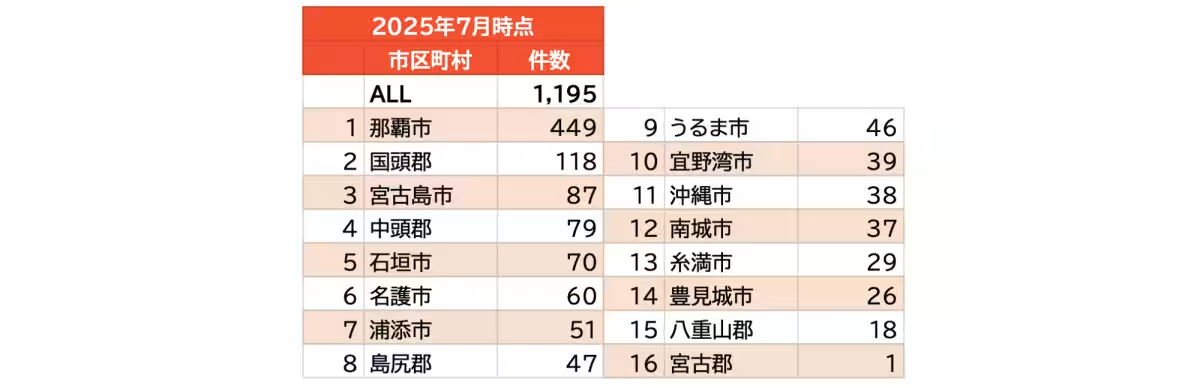
Among the released data, the ‘Japanese Cuisine and Regional Food’ category has garnered particular attention, placing fourth in the overall restaurant genre rankings. The areas leading this charge include:
1. Naha City - 449 establishments
2. Kunigami District - 118 establishments
3. Miyako Island - 87 establishments
4. Chatan District - 79 establishments
5. Ishigaki City - 70 establishments
Notably, both Miyako Island and Ishigaki City have risen in prominence within this specific genre, showcasing a blend of local dining spots and those catering to tourists.
Cultural Intersection: Tourist vs. Local
Miyako Island, in particular, has seen a remarkable shift, climbing from 9th to 3rd place in the locality ranking for traditional cuisines. This trend reflects the growing demand for authentic Okinawan dining experiences, underscoring the islands' unique culture and local ingredients. The coexistence of neighborhood diners preferred by locals and more commercial restaurants targeting tourists illustrates a distinctive feature of Okinawa's culinary landscape.
Noodle Culture: Soba vs. Udon
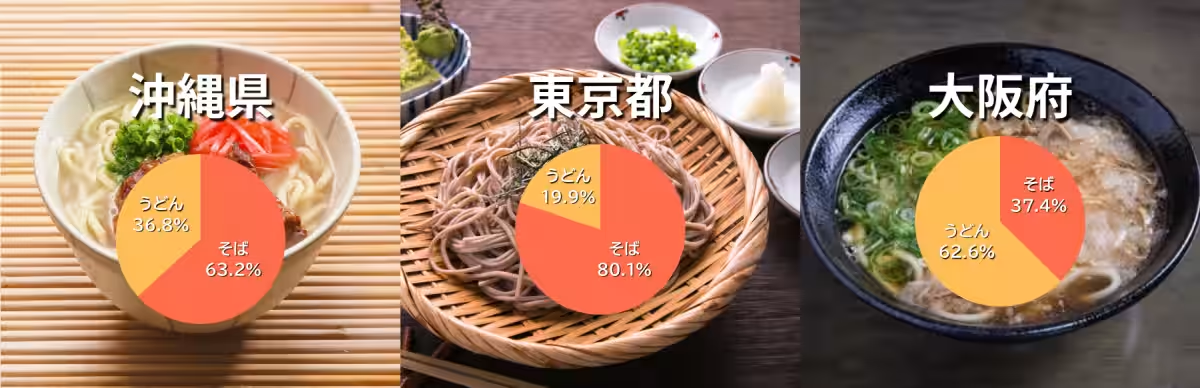
The fascination with noodle dishes also sheds light on regional preferences. Analysis from Okinawa, Tokyo, and Osaka reveals the divergent culinary practices concerning soba and udon:
- - In Okinawa, the preference for soba stands out, with soki soba as a beloved staple not only for visitors but locals alike.
- - Tokyo mirrors a strong soba culture due to its historical ties to Edo-style noodles, emphasizing convenience and taste in fast eateries.
- - Osaka shifts the balance, where udon dominates, featuring local variations like kitsune udon known for its unique dashi broth.
These regional distinctions indicate how local history and culinary traditions influence dining trends and cultural identity.
Download the Data: A Gateway To New Opportunities
While Okinawa gears up for increased tourist activity with new attractions and expanded travel accessibility, this dataset serves as a key tool for regional market analysis. Understanding local dining options is essential for those looking to integrate or invest in Okinawa’s rich culinary scene. The free downloadable data includes a wealth of insights perfect for market strategies, branding, and more.
Conclusion: Embracing Okinawan Lifestyle Through Cuisine
The release of this extensive restaurant data encapsulates not just numbers, but the narrative of abandoned pockets of authenticity in Okinawa amidst burgeoning tourism. The call to action for both local residents and aspiring business owners is clear: dive into the world of Okinawan eateries for a genuine taste of local life. The promotional offer is available for a limited time, inviting everyone to discover the culinary diversity that thrives on the island. For more information and access to the downloadable content, visit Review's dedicated page.
Taste the true Okinawa – where every meal tells a story.



Topics Consumer Products & Retail)
【About Using Articles】
You can freely use the title and article content by linking to the page where the article is posted.
※ Images cannot be used.
【About Links】
Links are free to use.