



Unlocking the Future: The Semiconductor Industry in the Era of Physical AI
The Semiconductor Industry in the Era of Physical AI
Introduction
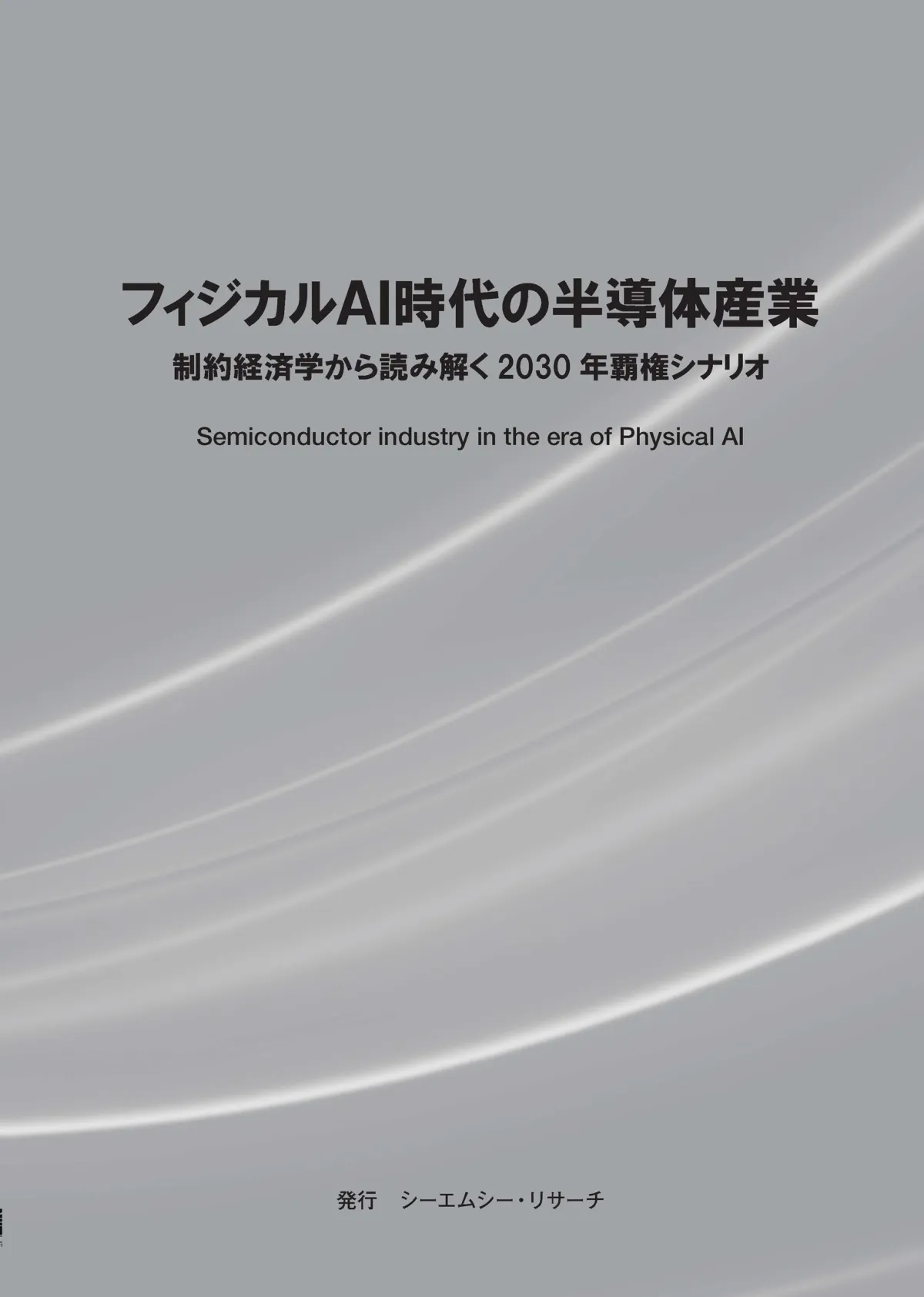
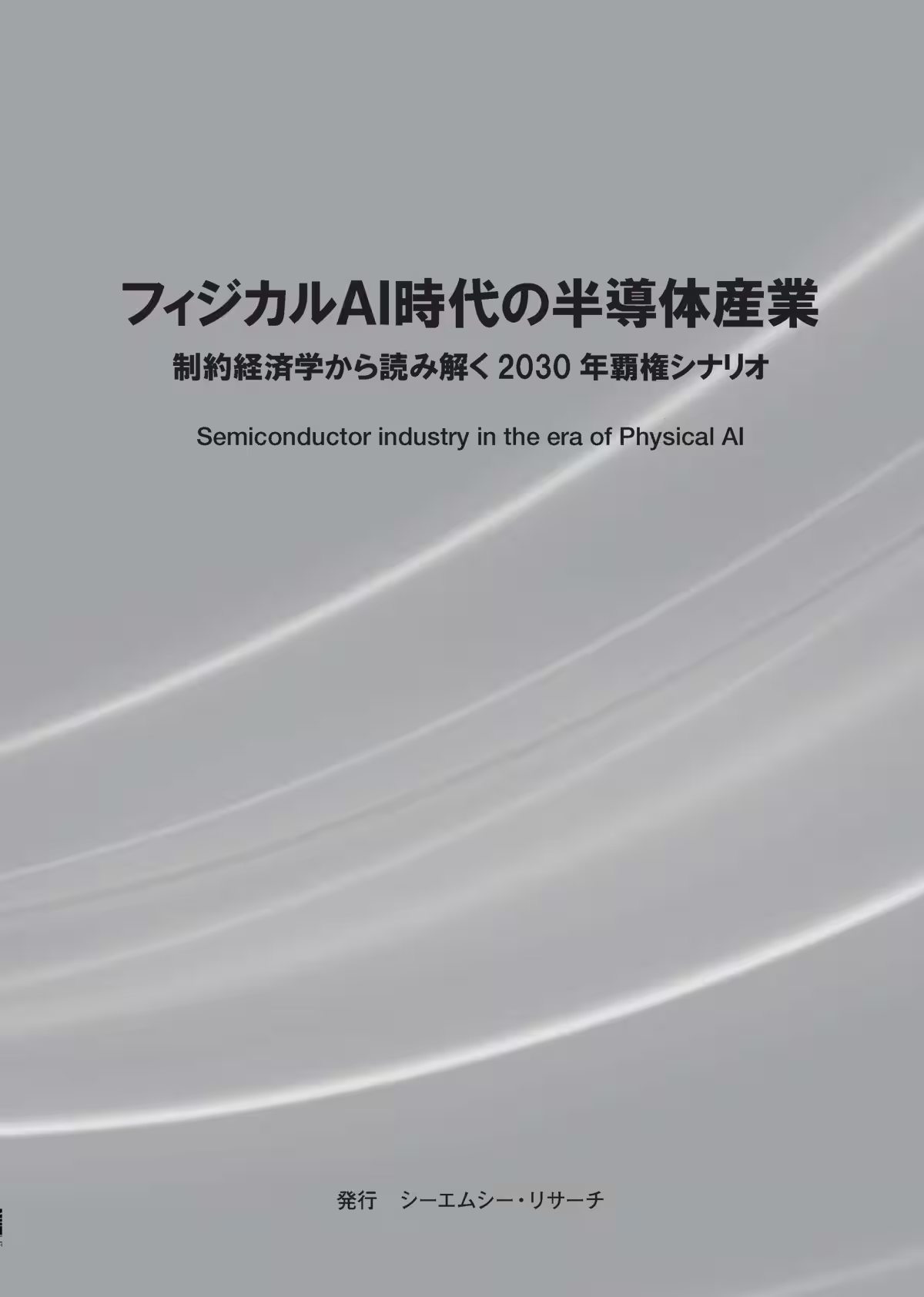
The newly published book, "The Semiconductor Industry in the Era of Physical AI: Understanding the 2030 Dominance Scenario through Constraint Economics," provides an in-depth analysis of the semiconductor industry's transformation as it enters the Physical AI era. Published by CMC Research, the book is set to reshape understanding around key bottlenecks hindering AI semiconductor development and explores strategies for overcoming these challenges.
Key Focus Areas
One crucial aspect of this publication is its exploration of where the true bottlenecks in AI semiconductors lie. By delving into the depths of physics and technology, the text identifies significant constraints such as high-bandwidth memory (HBM), CoWoS implementations, substrates, and the related issues of power, thermal management, and cooling technologies.
The era of Physical AI, which encompasses robotics, autonomous driving, and smart factories, positions semiconductors not just as components in digital industries but as the backbone of societal infrastructure. The book emphasizes the need to analyze these components collectively, noting how intertwined factors contribute to ongoing supply chain complexities exacerbated by geopolitical tensions, particularly between the US and China.
Overcoming Constraints
Achieving success in the semiconductor industry, particularly for the next generation of AI-driven applications, requires overcoming various constraints. The publication discusses strategies for breaking through limitations and identifies the criteria that define future champions in the semiconductor landscape. Critical inquiries raised include why silicon alone is inadequate and how emerging physical constraints are reshaping economic value.
The discussions extend to the dynamics within the semiconductor supply chain, examining how supply shortages and geopolitical factors are influencing market conditions, particularly Japan’s semiconductor industry. Notably, the text draws connections between technological advancements and necessary economic frameworks to adapt to evolving market demands.
The Physical AI Revolution
The report intricately examines the shift resulting from the rise of Physical AI, arguing that the industry now faces a different kind of competition. This new competition requires companies to identify and synchronize factors that constrain overall system performance instead of merely pushing for ever-faster computing capabilities.
The focus is now on integration and managing the entire constraints network. Recognizing that the fastest chip is no longer the crucial determinant of success, the text outlines the significance of managing HBM, advanced packaging, substrates, optical interconnects, cooling technologies, and power infrastructure as part of a coherent strategy for sustaining industry leadership.
A Comprehensive Framework
The book emphasizes a shift from traditional semiconductor design paradigms towards one grounded in constraint management. This involves a need for a more integrated approach to semiconductor manufacturing and development, pivoting from merely enhancing chip performance through miniaturization towards designing systems that manage constraints effectively.
To this end, the study provides readers with both strategic insights and practical frameworks for navigating decision-making processes related to management strategies, business development, capital investments, research and development, mergers and acquisitions, and investment evaluations. By focusing on the structural elements defining competitiveness in the semiconductor market, it prepares relevant stakeholders for future industry scenarios.
Conclusion
As more businesses engage with Physical AI advancements, leaders must question not just who can create the highest-performing chips, but rather which organizations can control the entire network of constraints and convert physical bottlenecks into economic value.
The insights provided in this book aim to serve as a guide for navigating the roadmap towards a more integrated understanding of both the technical hurdles faced and the economic strategies vital for long-term success in the semiconductor industry. With the Physical AI revolution underway, companies must rethink their approaches to remain competitive in a rapidly changing market. The book is an essential read for anyone involved in the semiconductor sector looking to anchor their strategies for the upcoming decade.
About CMC Research
CMC Research continues to provide valuable market and technical insights into various fields, including materials and chemicals, through seminars and publications, helping stakeholders prepare for future industrial challenges and opportunities.
For further exploration of the book and its implications, check here: Order your copy today.
Topics Consumer Technology)
【About Using Articles】
You can freely use the title and article content by linking to the page where the article is posted.
※ Images cannot be used.
【About Links】
Links are free to use.