



Credit Card Rewards: How Users Navigate Everyday Spending Challenges
Understanding Credit Card Rewards and User Behavior
A recent survey conducted by Crecari, a company based in Tokyo, highlights a significant challenge among credit card users—achieving the rewards they desire through everyday spending. The study, targeting individuals aged 20 to 50 who regularly use credit cards for their rent payments, reveals that nearly 70% feel it's tough to hit the annual spending thresholds to enjoy beneficial credit card rewards.
With the rise of cashless transactions, the market has seen an influx of diverse credit cards offering enticing perks, from lifetime waiver of annual fees to complimentary stays at luxury hotels. Yet, many users find it challenging to achieve the necessary spending just through regular purchases and fixed expenses. This article explores credit card users' experiences, preferences, and strategies for maximizing rewards amid these obstacles.
The Push for Credit Card Rewards
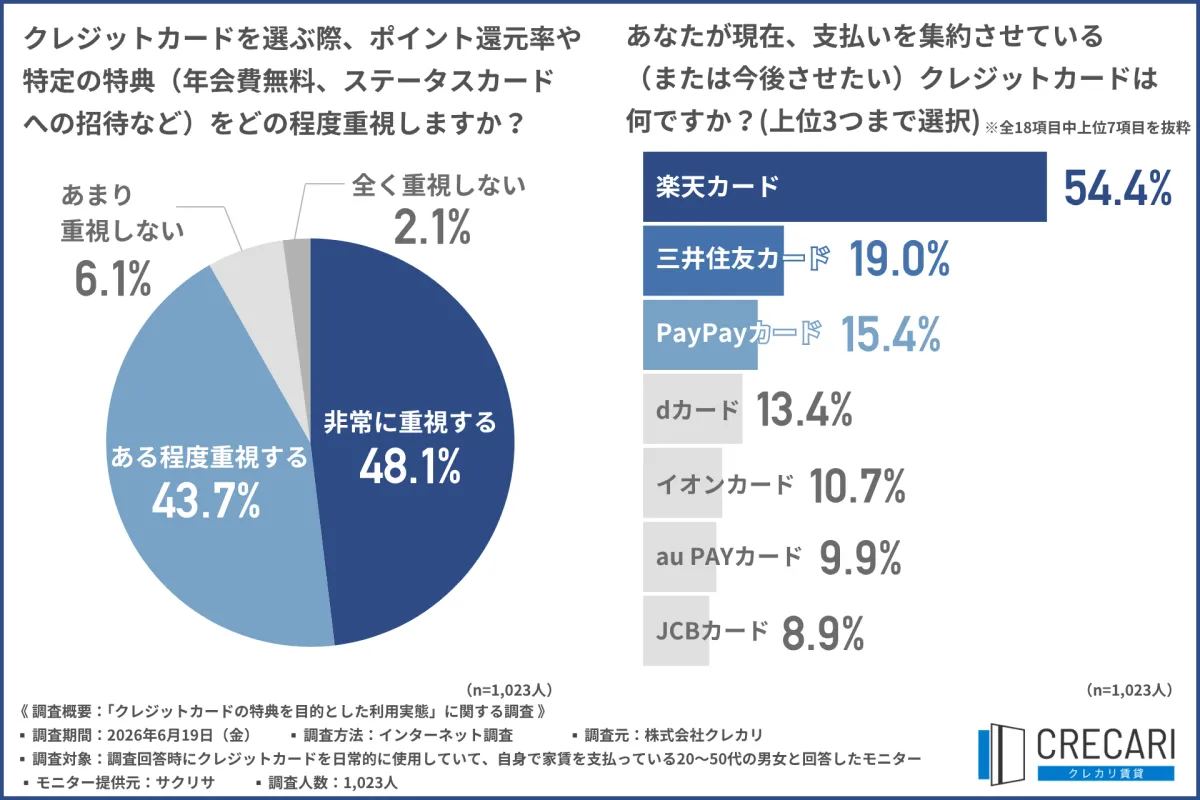
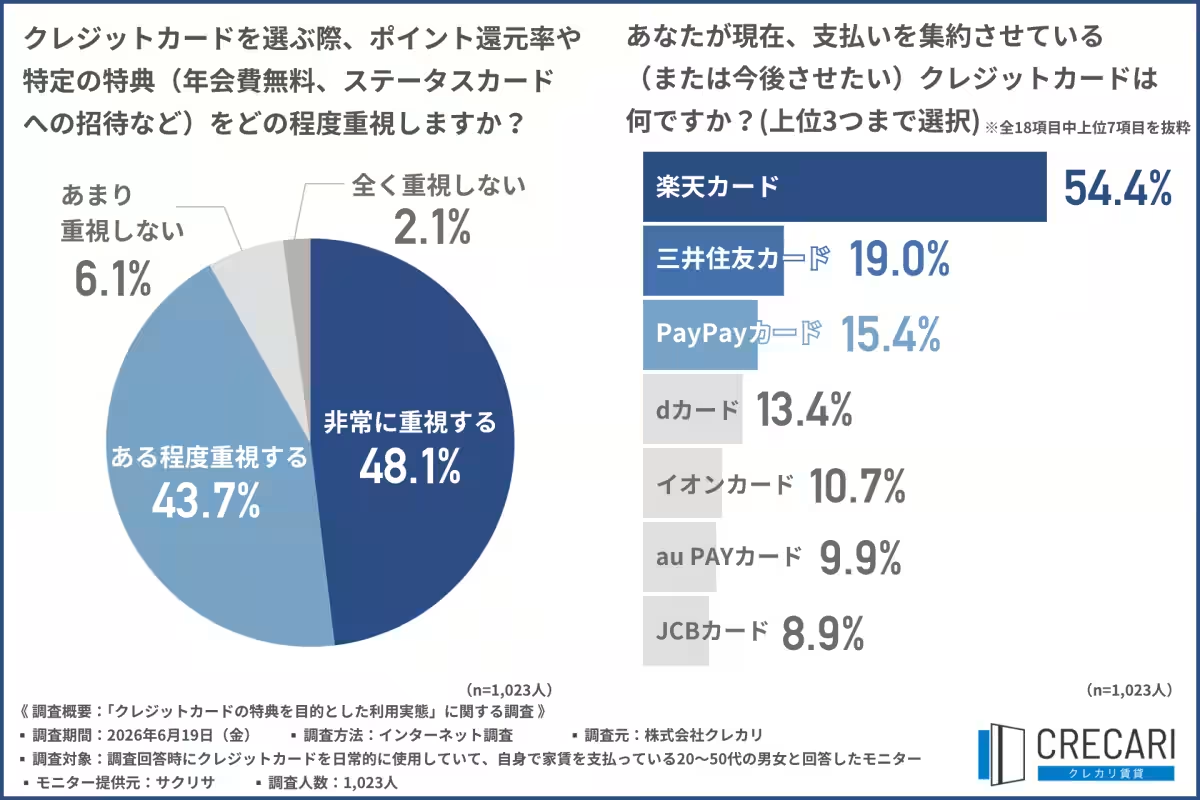
An overwhelming majority of participants—around 90%—indicate that they prioritize rewards. When asked about the importance of factors like point return rates or specific perks (like free annual fees or invitations to status cards), nearly half (48.1%) stated they consider them 'very important,' while 43.7% said they 'somewhat' emphasize these aspects. This inclination highlights a growing interest in tangible financial benefits derived from credit card usage, showcasing the desire for economic advantages beyond mere convenience.
In the survey, participants identified their preferred credit cards for managing payments. The standout winner was the Rakuten Card, chosen by 54.4%, followed by the Sumitomo Mitsui Card (including Olive) at 19.0% and PayPay Card at 15.4%. The commonality among these top cards is their ability to integrate with multiple point-based services, indicating that users prefer cards that align well with the points economy and their everyday services.
What Users Find Appealing
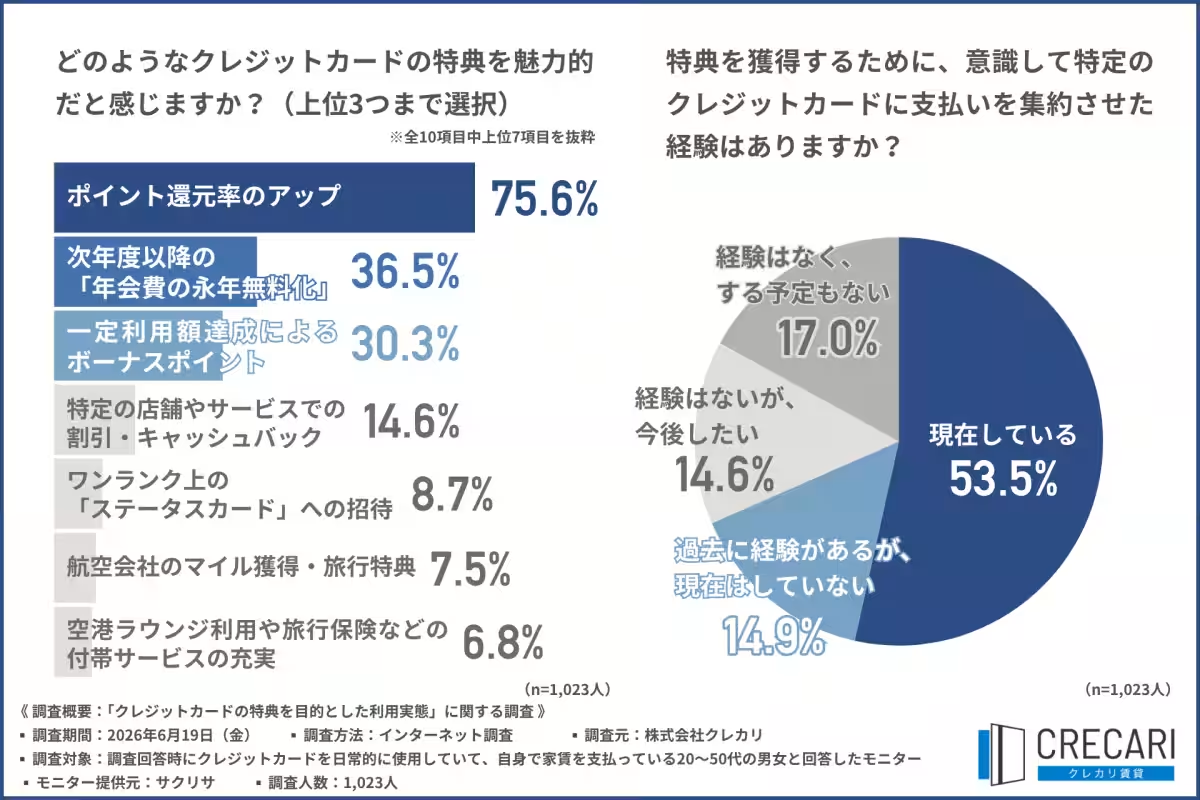
When asked which credit card benefits they find most attractive, increasing point return rates led with 75.6%. Other appealing features include a free annual fee for subsequent years (36.5%) and bonus points for reaching certain usage thresholds (30.3%). These preferences reveal that users are drawn toward clear and understandable benefits, as well as rewards tied to sustained usage and specific accomplishments.
Adjusting Spending Habits for Rewards
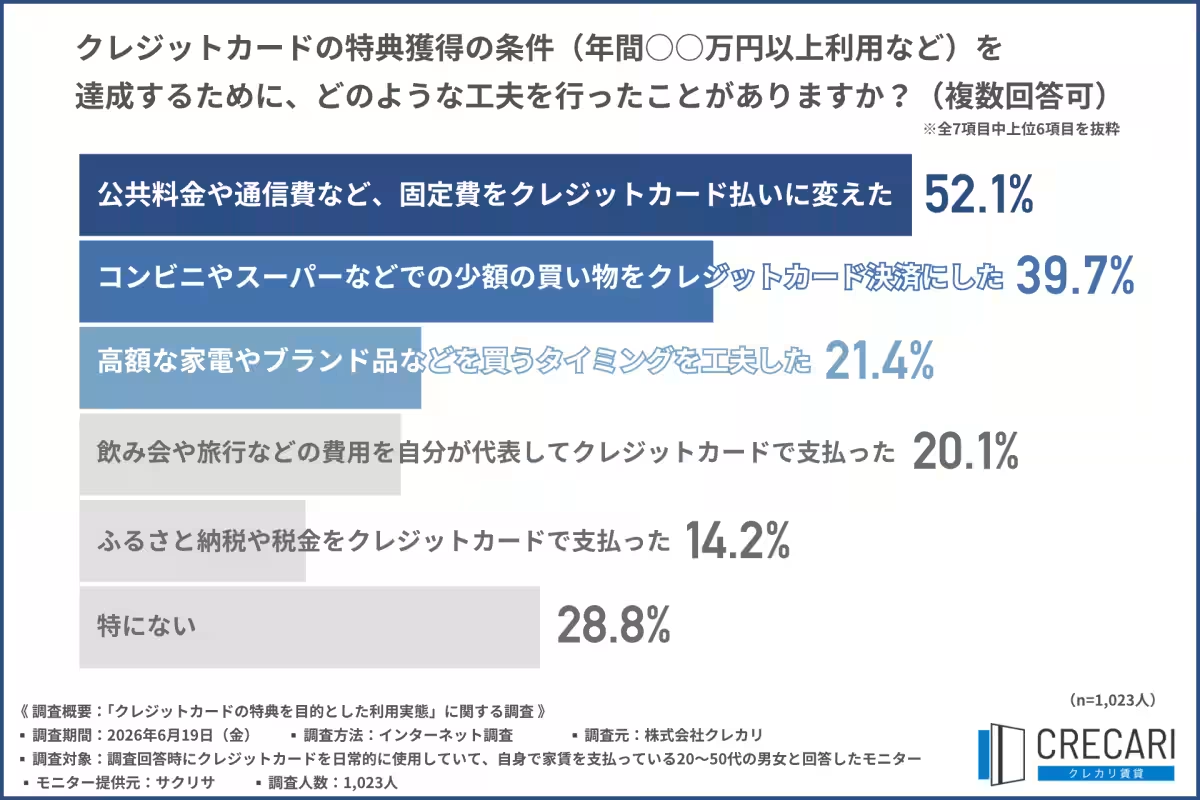
The survey delved deeper into how users adapt their spending to earn rewards. For example, over half (52.1%) have switched fixed costs like utility bills and communication fees to credit card payments to reach their reward requirements. Increased spending on small purchases in convenience stores or supermarkets (39.7%) and strategizing major purchases (21.4%) further illustrate the varied approaches users adopt to boost their credit card utilization.
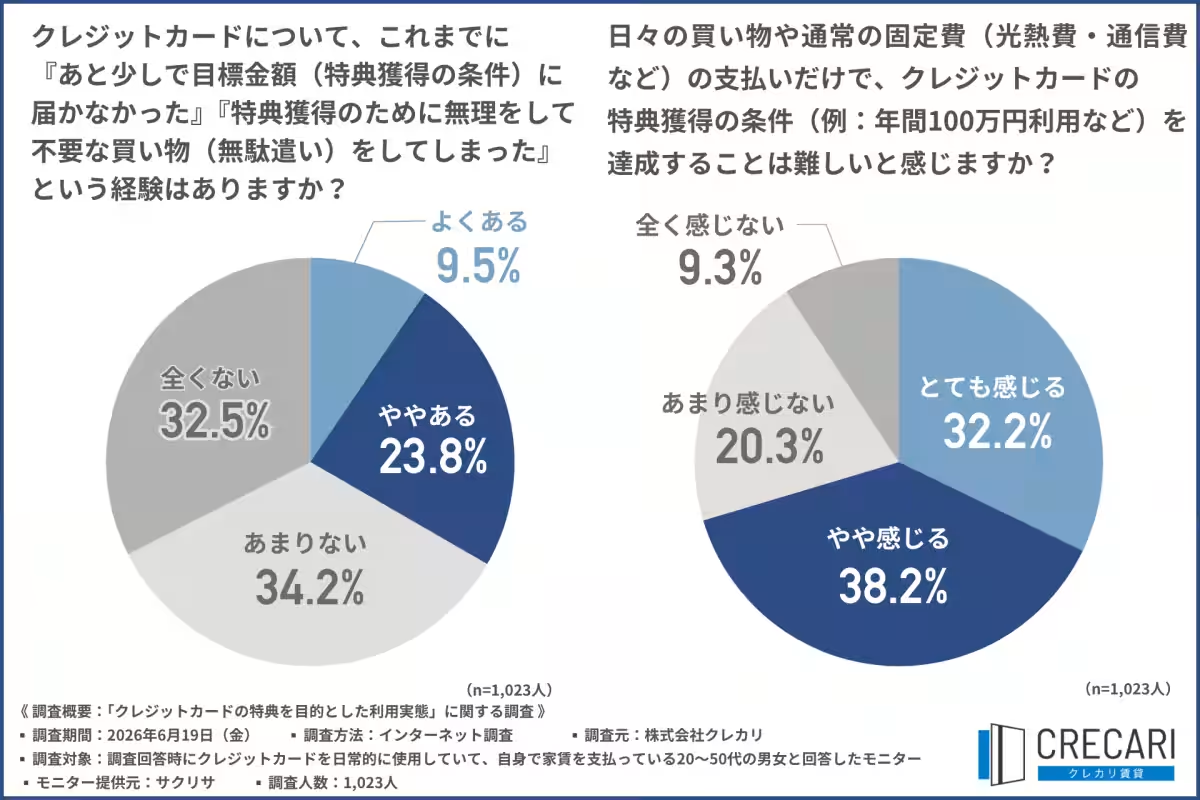
Nevertheless, this quest for rewards can sometimes lead to unwanted side effects. Approximately 30% of users admitted they have engaged in unnecessary spending to meet reward conditions, indicating that the drive toward achieving credit card perks can lead to irresponsible financial behaviors.
The Impact of Regular Expenses
As users highlight the challenges of meeting annual spending conditions with daily expenses, a significant portion, nearly 70%, acknowledges that typical fixed costs like rent are insufficient to reach these thresholds. Many credit card holders express that having their rent payments counted toward rewards would simplify their quest for benefits, making everyday spending much more rewarding.
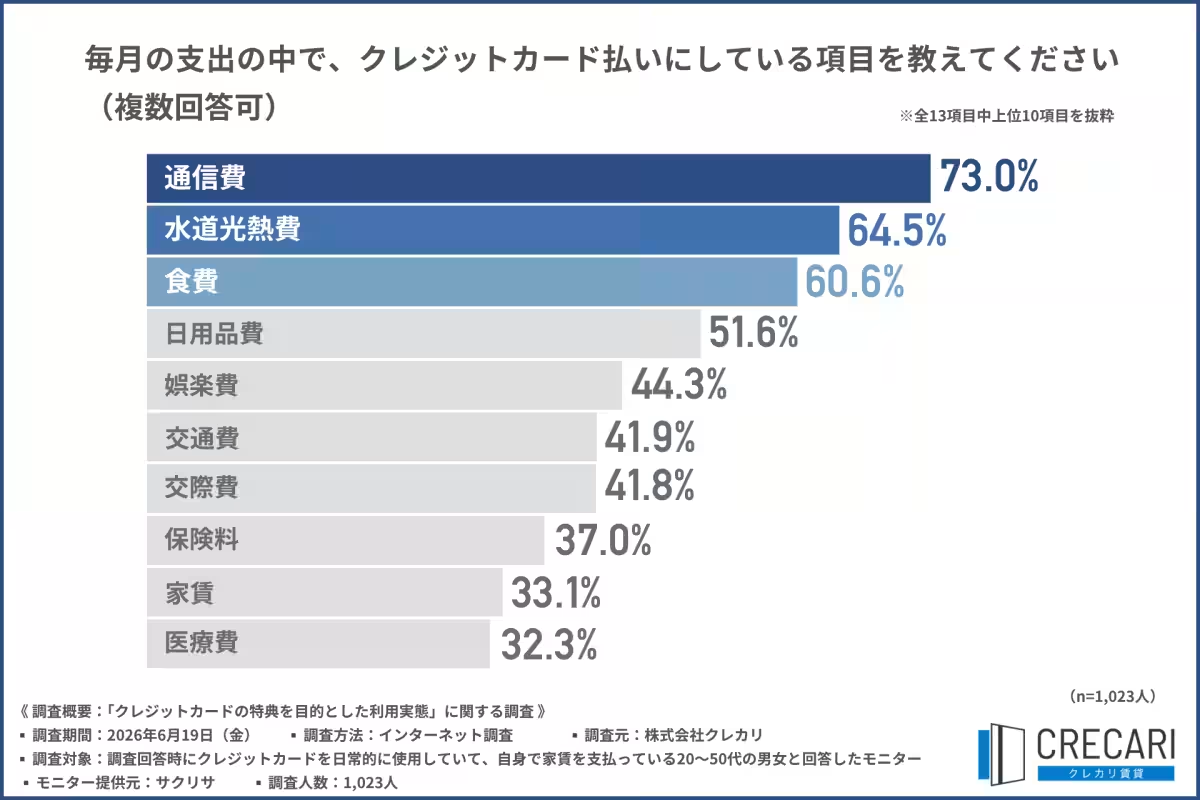
In exploring users' monthly expenses, key contributors to credit card use include communication costs (73.0%), utilities (64.5%), and food expenses (60.6%). While these categories cover a wide range of essential living costs, rent remains a significant gap in a consumer's ability to accumulate points effectively.
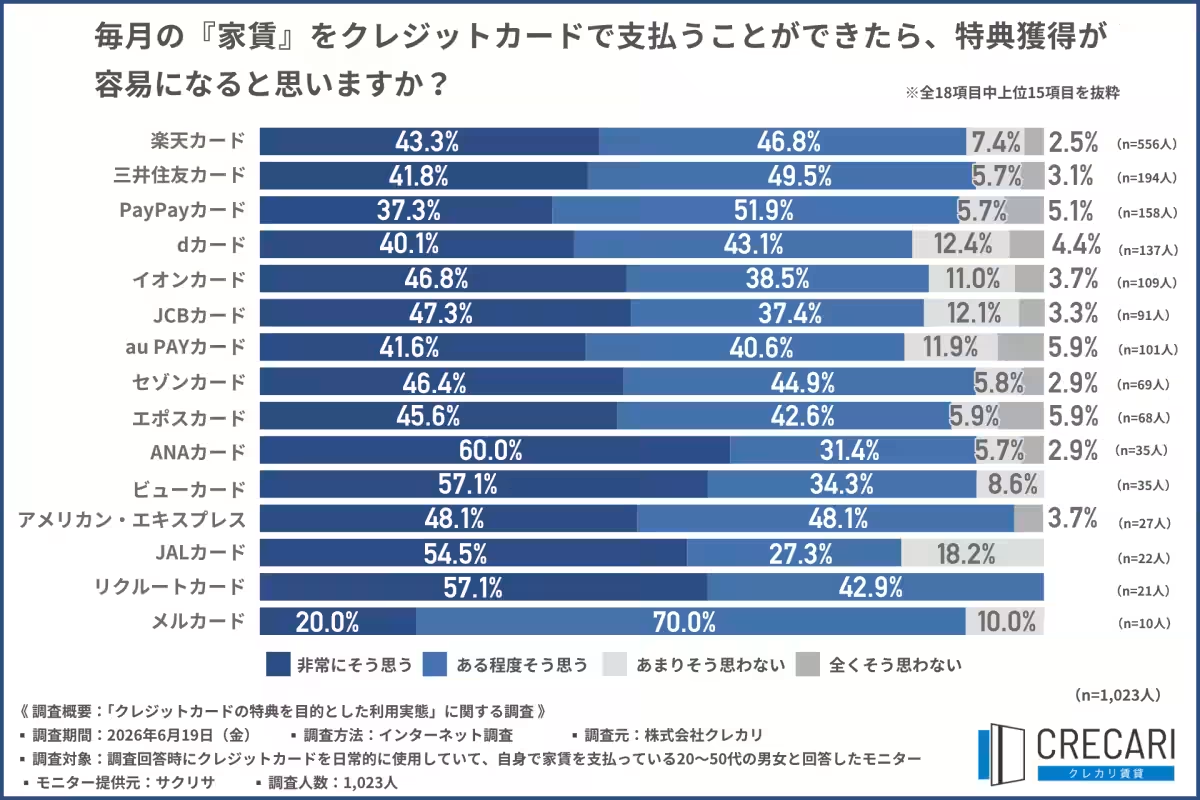
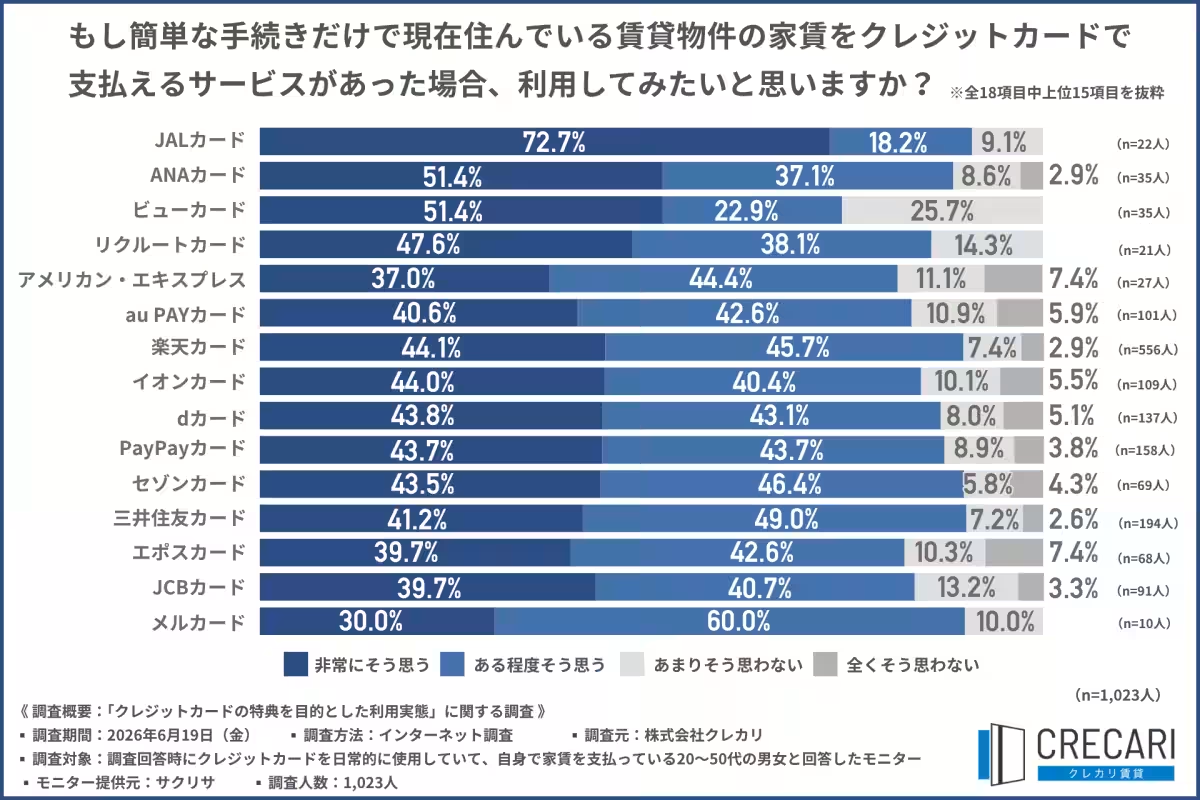
Interestingly, about 90% of users believe that allowing credit card payments for rent would facilitate easier collection of rewards. This sentiment holds true across major credit cards, indicating that the ability to leverage rent payment for rewards would be a game-changer in the current landscape.
Introducing Crecari Rent Payment Options
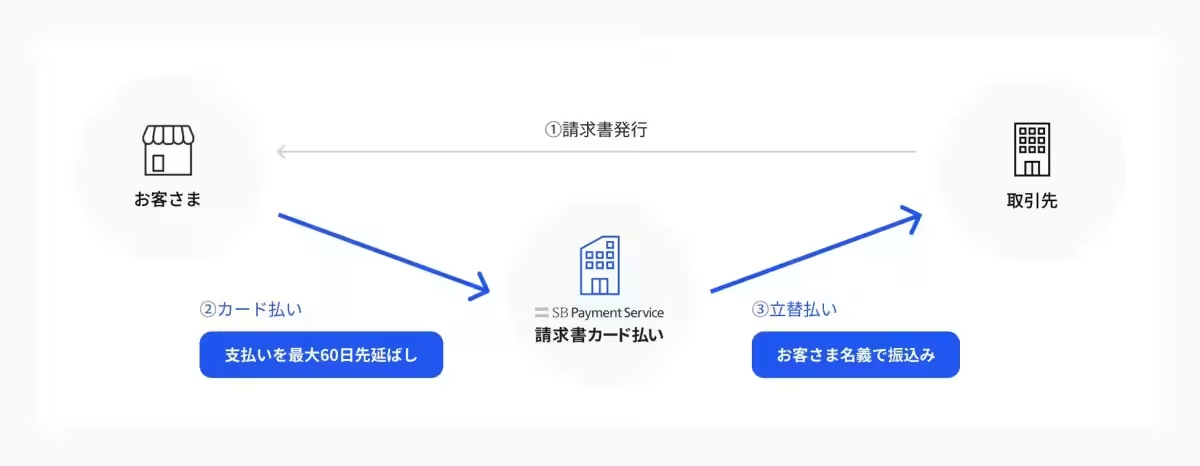
In light of these findings, Crecari offers a service called 'Crecari Rent', allowing for credit card payments on rent, regardless of whether the rental property supports such transactions. They handle payments directly, enabling tenants to enjoy credit card perks without worrying about their landlord's payment options.
Benefits of Using Crecari Rent
1. Rewards Accumulation: Paying rent with a credit card leads to significant points and miles.
2. Payment Flexibility: Users can delay immediate cash outflow while effectively managing rent payments.
3. Initial Costs: Expenses related to initial renting or renewal fees can be charged to the card.
4. Convenient Process: The platform facilitates straightforward mobile transactions without banking fees.
Conclusion: Navigating Reward Challenges
This survey clearly indicates that while credit card rewards are crucial for many users, the existing systems often don’t support effortless accumulation solely through routine expenditures. The ability to pay rent with credit cards could represent a vital shift in making rewards more attainable and addressing the explicit needs of users.
As financial behaviors adapt to prioritize efficiency and reward accumulation, services like Crecari Rent present a practical solution, alleviating the burden of unnecessary spending while promoting sensible financial management. For users eager to maximize their benefits without compromising their budgets, this innovative approach could be the key to unlocking a more rewarding credit card experience.


Topics Financial Services & Investing)
【About Using Articles】
You can freely use the title and article content by linking to the page where the article is posted.
※ Images cannot be used.
【About Links】
Links are free to use.