



Hitachi City and Hitachi Ltd. Launch a Collaborative Health Project for a Smarter Future
Collaborative Health Project in Hitachi City
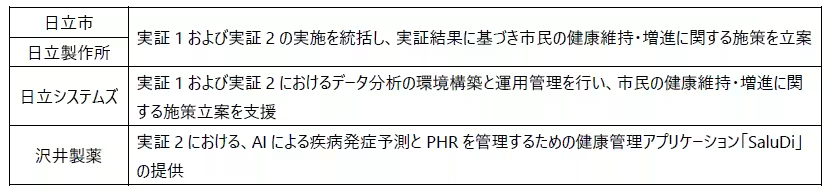
Hitachi City, under the leadership of Mayor Haruki Ogawa, has embarked on a significant collaborative venture with Hitachi Ltd., under the helm of CEO Toshikazu Tokunaga, and Hitachi Systems, led by President Takehiko Watanabe, along with Sawai Pharmaceutical Corporation, headed by President Toshiyuki Nakate. This project is part of a larger initiative aimed at realizing a next-generation smart city through enhanced health and wellness strategies.
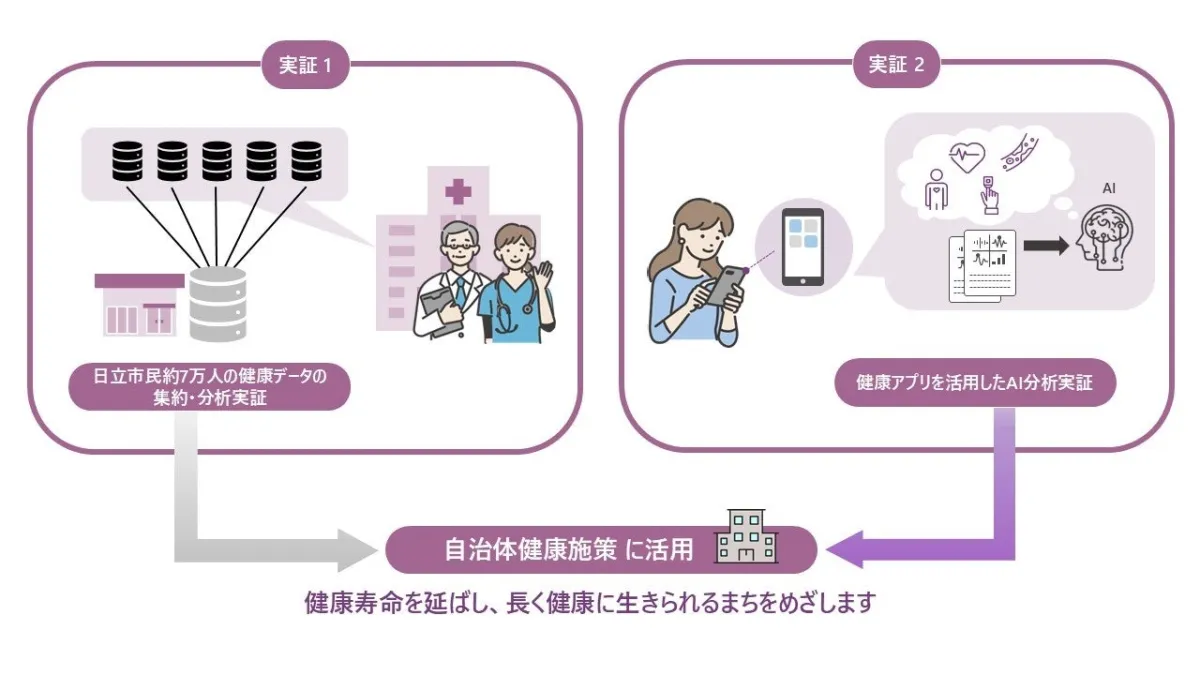
The collaborative effort focuses on two major proof-of-concept trials scheduled for 2025. These trials aim to aggregate health data from approximately 70,000 residents aged between 40 and 79 in Hitachi City and analyze it with the aid of a health management application called SaluDi. The overarching goal is to enhance health consciousness among citizens and promote healthier behaviors through innovative health policies.
The first trial involves the aggregation and analysis of health data from various insurance providers serving the local population. By coordinating with insurers, such as the National Health Insurance and the Late-Stage Elderly Medical Care System, the project aims to collect a robust dataset that covers about 75% of the target age group in the city. Early data analysis has revealed significant patterns, including a high incidence of hypertension among residents, which calls for targeted public health interventions.
In the second trial, 305 participants will actively engage with the SaluDi app, which integrates AI technology to predict disease onset based on personal health records (PHR). Preliminary surveys have shown that the app has the potential to enhance health literacy among users, suggesting that the use of technology in health management can lead to more proactive health behaviors.
Looking forward, the project emphasizes the significance of using data-driven policy making (EBPM) to craft health initiatives tailored to the specific needs of the population. Building on the insights gained from the two trials, Hitachi City plans to implement additional measures focusing on the prevention of hypertension and enhancing the functionality of the health app by 2026.
Furthermore, this initiative aligns with national health policies aimed at promoting the standardization and wider adoption of personal health records. By leveraging the collective power of data, Hitachi City and Hitachi Ltd. aspire to establish a comprehensive, data-driven health framework that will significantly contribute to improving residents' health span and overall well-being.
Amidst Japan's ongoing challenges, such as a declining population and increasing healthcare costs, the project reflects a progressive step toward sustainable health practices and proactive community welfare. Local citizens are now encouraged to engage actively with the SaluDi app, contributing to a larger movement of health empowerment and data transparency that promises not only to enhance personal wellness but also to strengthen community health initiatives.
Background
Japan is facing a growing societal challenge due to the dual pressures of a decreasing population and rising elderly demographics, which have led to escalating healthcare and caregiving costs. With a marked increase in lifestyle-related diseases and chronic conditions expected as the population ages, there is a pressing need for sustainable health and medical policies that address these issues effectively.
Historically rich, Hitachi City has continuously evolved, integrating its natural beauty with industrial growth. The initiatives from Hitachi City exemplify how technology and community engagement can converge to create a healthier society. As part of this journey, various stakeholders including the prefectural government and academia will be engaged to fortify collaborative frameworks aimed at promoting community wellness.
This pioneering project sheds light on the essential role of technology, particularly artificial intelligence, in facilitating healthcare innovation. The collaboration aims not only to enhance health outcomes but also to foster a culture of informed health decisions among the residents. As Hitachi City strides toward becoming a model smart city, the lessons learned here may serve as a blueprint for other cities navigating similar challenges across Japan.
Future Aspirations
Moving forward, the collaborative partners are committed to expanding their efforts by sharing results and methodologies with other regions. Sawai Pharmaceutical will particularly focus on augmenting the application of the SaluDi app beyond Hitachi, promoting the advantages of PHR in preventive health.
In conclusion, this project marks a significant milestone not only for Hitachi City but also for the future of health management systems across Japan, aligning goals of digital health with community-centered initiatives. The focus remains on achieving a balance between technological advancement and the essential human touch that defines effective health care.

Topics Health)
【About Using Articles】
You can freely use the title and article content by linking to the page where the article is posted.
※ Images cannot be used.
【About Links】
Links are free to use.