



Revolutionary Study Reveals Two Distinct Orca Ecotypes in Hokkaido's Waters
Discovering the Unique Orca Ecotypes of Hokkaido's Seas
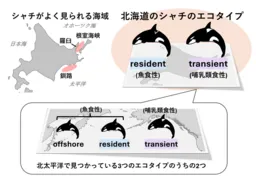
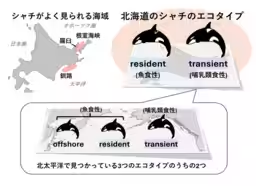
A recent collaborative research effort led by Kyoto University's Wildlife Research Center has made a significant contribution to marine biology by uncovering distinct ecotypes of orcas that inhabit the waters around Hokkaido. These findings, published in the prestigious journal Marine Mammal Science, confirm that the orcas observed in this robust ecosystem belong to two ecotypes: resident and transient.
Background of the Study
Orcas, or killer whales, are oceans' apex predators found in various marine environments worldwide. They are classified into different ecotypes based on their ecological characteristics and genetic lineage. In the North Pacific, researchers recognize three main ecotypes: the fish-eating resident orcas, the mammal-eating transient orcas, and offshore orcas, which primarily prey on sharks. While orcas frequently appear off Hokkaido's shores, particularly near Rausu and Kushiro, previously there was minimal understanding of their specific ecotypes.
For years, researchers had observed that orcas in these regions engaged in unique feeding behaviors. However, a lack of detailed genetic analysis hindered effective classification and understanding of their ecological roles. To address this gap, a team composed of various esteemed researchers began a comprehensive genetic study focusing on the full mitochondrial genomes of orcas around Hokkaido, providing fresh insights into their ecological dynamics.
Methodology and Findings
The researchers collected tissue samples from 25 orcas that had either stranded along Hokkaido's coastline or were obtained through live captures at sea. These samples were then analyzed using next-generation sequencing to read the entire mitochondrial DNA sequences. The results were compared with existing databases from North Pacific orcas to classify the Hokkaido specimens.
The analysis confirmed that these orcas belong to both the resident and transient ecotypes, providing vital information about their feeding patterns and ecological interactions. Furthermore, significant differences in mitochondrial genomes and haplotype diversity between the two ecotypes were observed, suggesting unique ecological adaptations may be present in Hokkaido orcas as compared to their counterparts in North America.
Implications for Conservation and Future Research
The discovery of these two distinct ecotypes has far-reaching implications not only for marine biology but also for local industries such as tourism and fisheries that are closely intertwined with orca populations. Understanding the behavioral and ecological nuances of these orcas can inform better management and conservation strategies for their populations.
Given the implications of these findings, the study emphasizes the importance of continuous research. Orcas in Hokkaido may exhibit feeding preferences and behaviors that differ from those observed in U.S. and Canadian waters. The integration of ongoing observational studies and genetic research will be vital in continuing to uncover more about these majestic marine mammals' lifestyles and their interactions with the ecosystem.
Concluding Thoughts
Ultimately, the understanding of orca ecotypes is crucial as it sheds light on the intricate relationships between these organisms and their environment. Moving forward, this research aims to not only address the ecological requirements of orcas but also improve mutual coexistence between humans and these magnificent creatures, ensuring a balanced marine ecosystem for generations to come.
This research, well-supported by grants and collective academic institutions, marks a significant milestone in the ongoing quest to understand Hokkaido's diverse marine wildlife. The efforts of numerous dedicated researchers have provided a clearer picture of the ecological tapestry woven by orcas in these vital coastal waters.

Topics Environment)


【About Using Articles】
You can freely use the title and article content by linking to the page where the article is posted.
※ Images cannot be used.
【About Links】
Links are free to use.