



Seven-Eleven Japan Promotes Environmental Awareness with Sustainable Rice Events
Seven-Eleven Japan's Sustainable Approach to Rice
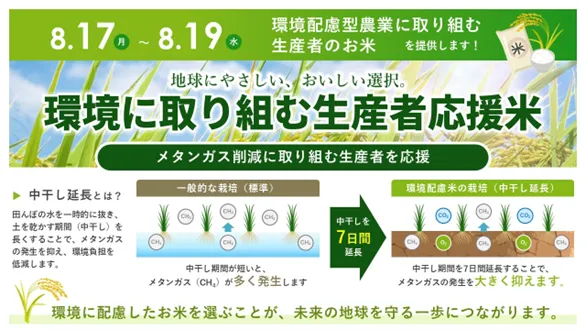
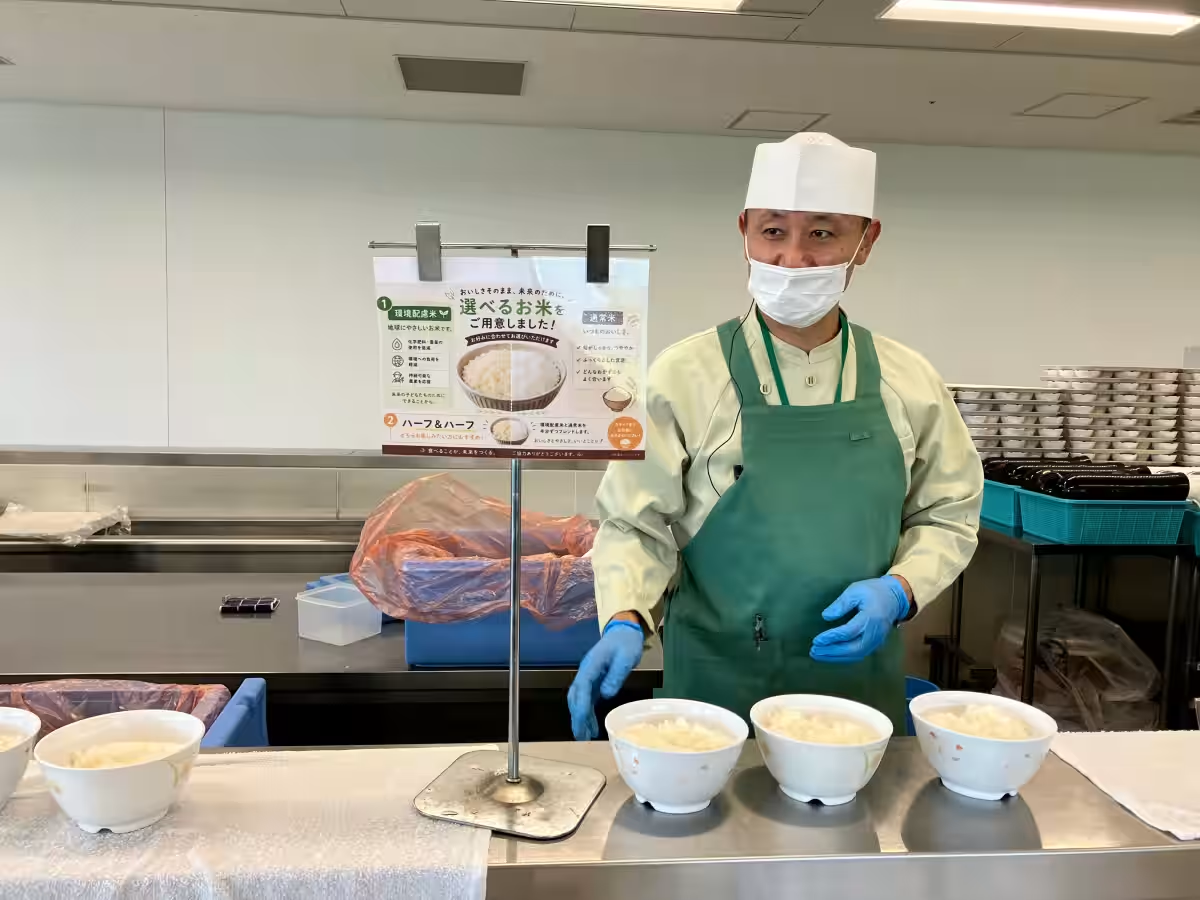
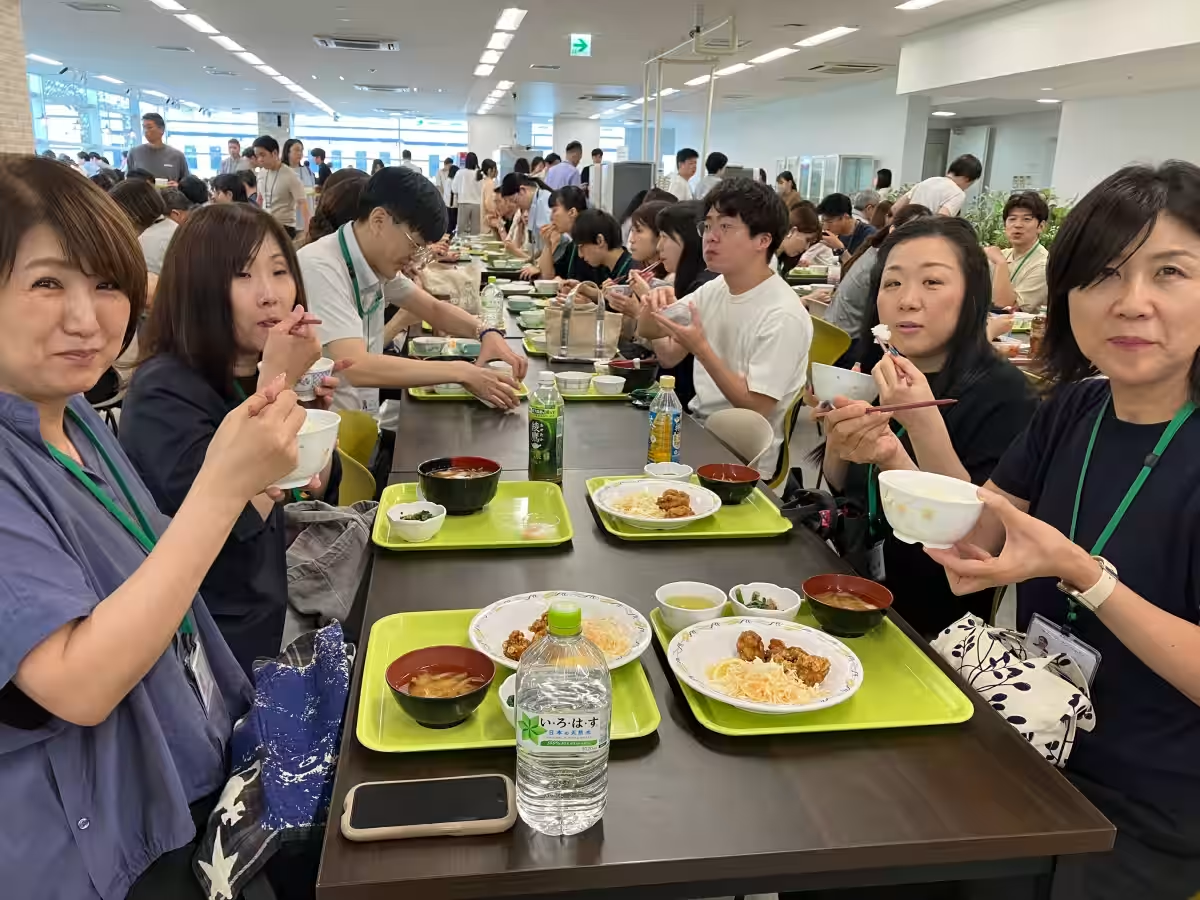
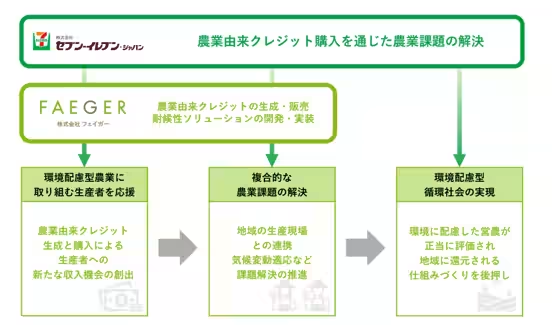
From August 17 to 19, 2026, Seven-Eleven Japan held a unique event in its employee cafeteria, showcasing rice produced with environmental considerations. The initiative is part of a larger partnership with Faiga Co., Ltd., aimed at supporting farmers through agricultural carbon credits.
The concept of agricultural carbon credits involves the certification of greenhouse gas reductions achieved through specific farming practices. During this three-day event, Seven-Eleven utilized approximately 270 kilograms of environmentally friendly rice, offering around 4,500 meals to employees.
The Role of Environmental Rice
The rice provided was produced using a method known as 'chudashi,' which involves extending the drying period of rice paddies. This process helps to significantly cut down methane emissions, a potent greenhouse gas that contributes to climate change. By reducing methane emissions by about 30%, this farming method aligns with Seven-Eleven's commitment to sustainability.
Engaging Employees
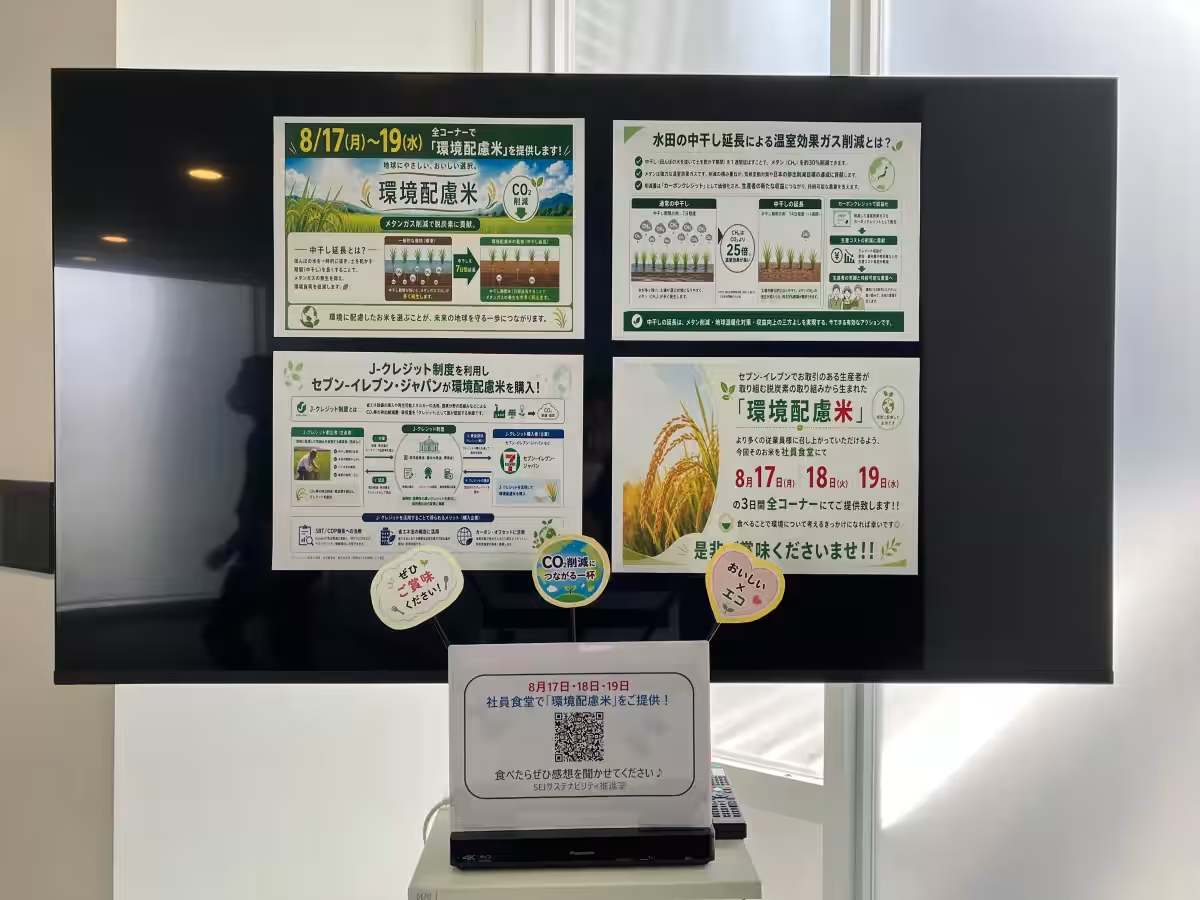
The event also featured displays about environmental rice and included interactive elements such as photo props, allowing employees to engage with the topic of sustainable eating actively. The aim was to provide each employee with a realization that their daily rice choices can contribute to safeguarding the planet.
Delicious Menu Options
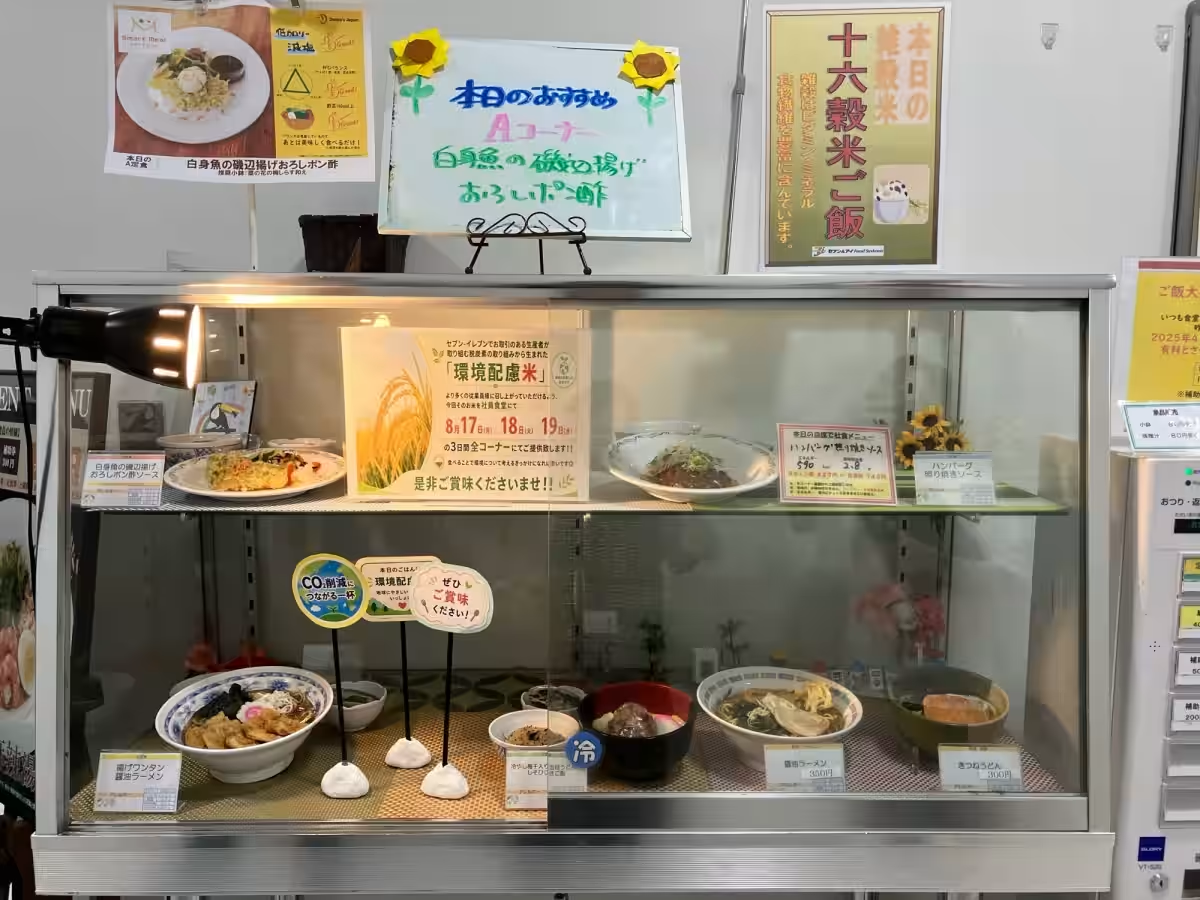
The cafeteria menu during the event included:
- - Teriyaki hamburgers
- - Chicken soboro bibimbap
- - Grilled silver flounder with saikyo miso
These meals not only highlighted delicious recipes but also emphasized the importance of using environmentally conscious ingredients.
Understanding Environmental Rice
The environmentally friendly rice initiative represents Seven-Eleven's first effort to serve such rice within its cafeteria setting, made possible through its collaboration with Faiga. The rice's cultivation method involves crucial steps to mitigate methane emissions during the rice-growing process and secures recognition within the J-Credit system. This system certifies greenhouse gas reductions across various sectors, including energy efficiency and agriculture.
As recognized environmental value, these credits can generate new income streams for farmers, encouraging them to pursue environmentally friendly agricultural practices.
Commitment to Sustainability
The overarching goal of this event is to inspire employees to reflect on their food choices' environmental impact through experiences linked to the present-day dining options at work. The initiative showcases that past-rooted sustainability efforts can lead to enriching flavors as well as environmental advocacy.
Faiga Co., Ltd. is a startup dedicated to creating and selling agricultural carbon credits while working collaboratively with farmers to enable profitable sustainable farming practices. Their approaches contribute meaningfully to developing resilient solutions to combat climate change.
Looking Ahead
As more employees engage with sustainable practices, Seven-Eleven Japan envisions an ongoing commitment to environmental responsibility and support for sustainable agriculture through accessible, everyday choices. Future initiatives will continue to feature opportunities for employees to connect their dietary habits to broader environmental goals, ultimately ensuring that sustainable agricultural practices remain a vital part of the conversation at the workplace.
For the latest updates and initiatives, please check Seven-Eleven's official website.
Topics Consumer Products & Retail)








【About Using Articles】
You can freely use the title and article content by linking to the page where the article is posted.
※ Images cannot be used.
【About Links】
Links are free to use.