



The Alarming Trade of Japanese Passports Online on Dark Web with Prices Starting at ¥1,500
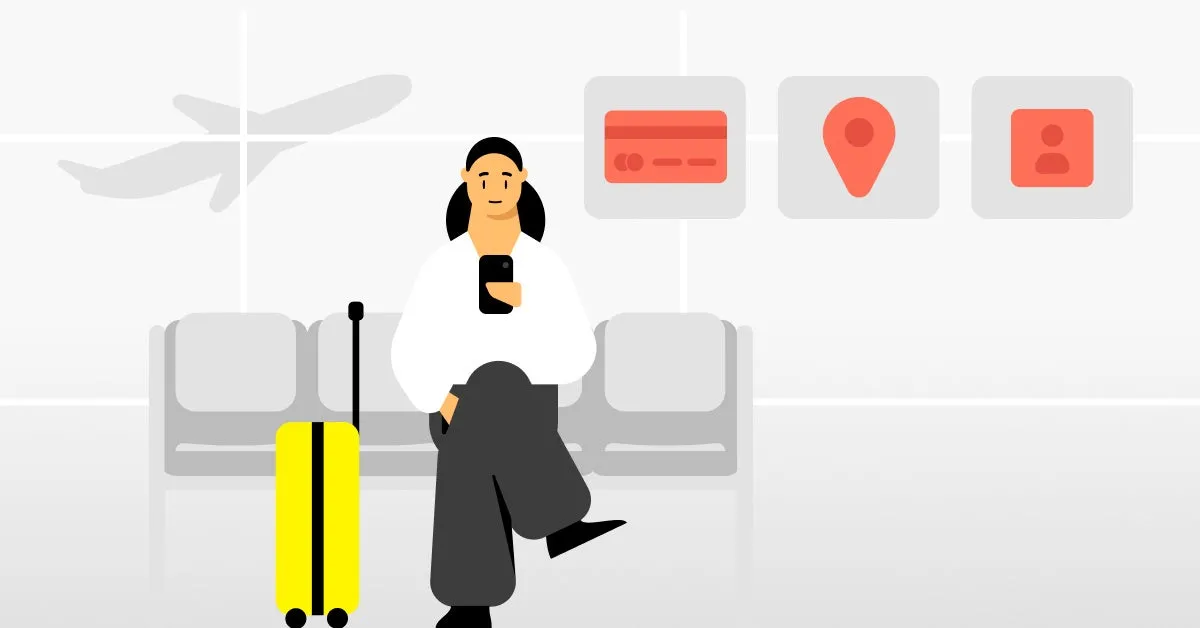
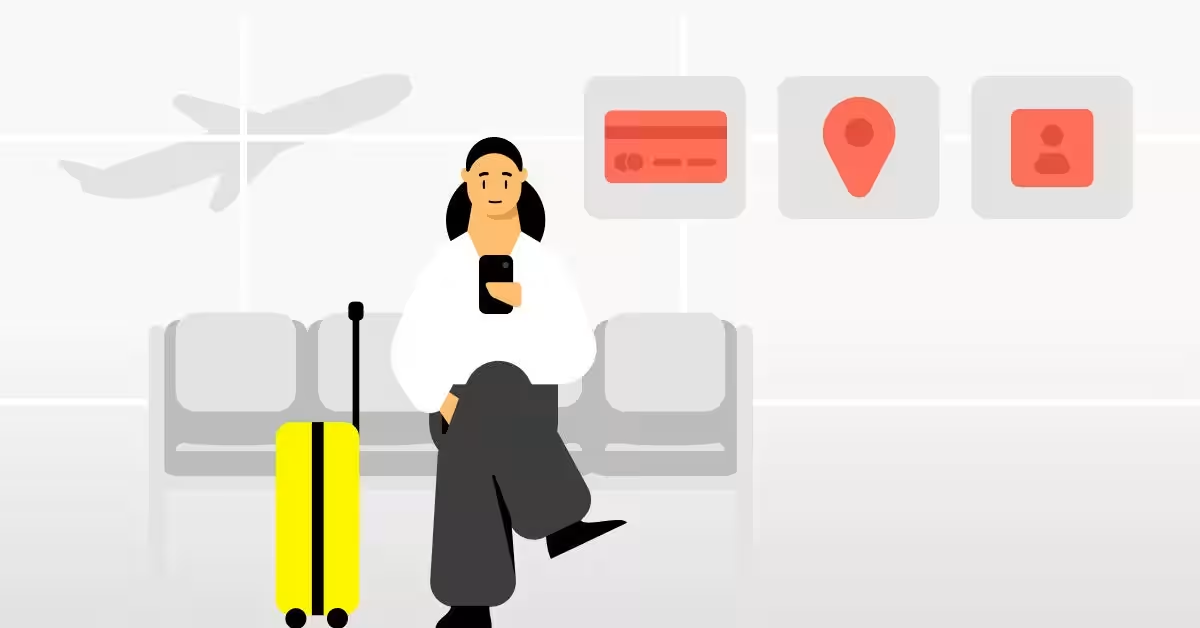
In a shocking revelation, an investigation conducted by the security service provider NordVPN and the global eSIM service Saily has uncovered the alarming trade of personal travel data including passports on the dark web. Prices for scanned versions of Japanese passports start as low as $10 (approximately ¥1,500), whereas verified EU passports can fetch prices exceeding $5,000 (around ¥750,000). The dark web marketplace operates with astonishing accessibility, enabling cybercriminals to buy sensitive information and commit identity theft at an alarming rate. This investigation comes at a pivotal time when the demand for overseas travel is soaring as summer approaches, consequently increasing the targeting of travelers by cybercriminals. Often posing as legitimate travel agencies or airlines through fake sites and fraudulent SMS messages, these criminals are employing various tactics to mislead and exploit unsuspecting travelers.
With the surge in international travel demand for the summer season, criminal cyber activities are spiking targeted towards travelers. Scammers utilize deceptive websites masquerading as airlines and travel agencies, along with sending fraudulent SMS messages to lure and deceive potential victims. To understand the extent of the personal data trades on the dark web, NordVPN, alongside Saily, implemented an investigation focusing on the sale of travelers’ personal information.
NordVPN collaborated with Saily using their data leak management platform 'NordStellar' to investigate how travel-related data operates within cyber marketplaces. The investigation took place from June 10 to June 20, 2025, targeting data exchanges, including stolen travel documentation on dark web marketplaces and hacker forums. The analysis included prevalent listings of passports, visas, loyalty accounts, travel reservation information, along with their pricing rates.
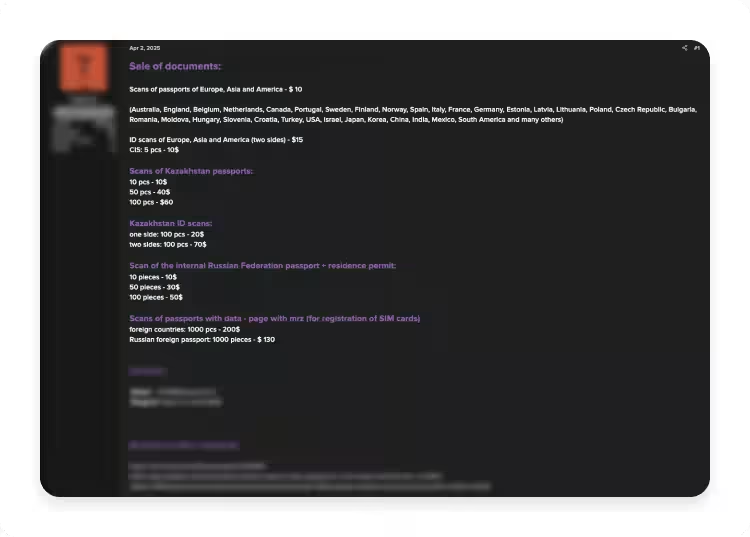
This analysis highlights a shocking fact about the scale and affordability of traveler data transactions. For instance, the availability of scanned passports from Asia, such as Japan, is priced at a mere $10 (¥1,500). In stark contrast, the value of a verified EU passport significantly escalates, surpassing $5,000. Furthermore, fake bank transaction statements and visa stickers, as well as hacked airline loyalty accounts with millions of miles, are transacted for just a few hundred dollars. Information from major booking platforms about hotels and flights is also sold for over $250 (approximately ¥38,000) at discount prices.
It is imperative to note that cybercriminals are beginning to leverage artificial intelligence (AI) to enhance their methodologies. Phishing scams are evolving, with counterfeit sites mimicking airline check-in procedures demanding identification with photographs and IDs, leading victims towards fake airport lounges and free public Wi-Fi registration pages. As AI is misused by criminals, these scams are becoming more sophisticated, making discerning legitimate requests from fraudulent ones increasingly difficult.
1. Encrypt Important Documents:
Always store crucial documents, like passports and driving licenses, securely and in encrypted formats. Using folders with protective features or advanced password management applications can ensure your data is encrypted and reduce leakage risks.
2. Stay Vigilant Against Phishing:
Do not input personal information readily; ensure you access websites through official channels. Be cautious of messages urging 'urgent' or 'important' responses, and verify URLs for authenticity.
3. Use VPN on Public Wi-Fi:
While using public Wi-Fi in cafes or airports provides convenience, it poses risks of data interception. A VPN creates a secure protocol, safeguarding your communications against malware and malicious interception. Always approach public networks with the VPN on.
4. Regular Account Check-Up:
Monitoring your banking and credit card accounts regularly can facilitate the quick detection of unauthorized uses. Activate notifications on suspicious transactions and scrutinize login histories monthly to catch overlooked transactions.
5. Swift Actions in Case of Loss or Theft:
Immediately report any lost or stolen essential documents and smartphones to the appropriate entities. This includes halting services with credit card companies and filing reports with law enforcement.
As stated by Marius Brache, Chief Technology Officer of NordVPN, 'The highlighted trade prices on the dark web indicate the immense value of traveler personal information, which stands as a vulnerability and a “gold mine” for hackers. The ease of access to personal details can lead to severe financial repercussions through identity theft and fraudulent activities.' He emphasizes the critical importance of protecting personal information during travel.
For further details regarding passport information leaks and sales, you can check the following link: NordVPN Research on Stolen Travel Documents
NordVPN is an advanced VPN service provider that boasts millions of users globally. It operates over 7,600 servers in 118 countries, offering features such as dedicated IP addresses, Double VPN, and Onion Over VPN. Its key feature, 'Threat Protection Pro,' guards against malicious websites, trackers, and advertisements while scanning for malware. They have also introduced 'Saily,' a global eSIM service designed for travelers that facilitates the use of data without needing to purchase local SIM cards.
Investigation Background
With the surge in international travel demand for the summer season, criminal cyber activities are spiking targeted towards travelers. Scammers utilize deceptive websites masquerading as airlines and travel agencies, along with sending fraudulent SMS messages to lure and deceive potential victims. To understand the extent of the personal data trades on the dark web, NordVPN, alongside Saily, implemented an investigation focusing on the sale of travelers’ personal information.
Investigation Overview
NordVPN collaborated with Saily using their data leak management platform 'NordStellar' to investigate how travel-related data operates within cyber marketplaces. The investigation took place from June 10 to June 20, 2025, targeting data exchanges, including stolen travel documentation on dark web marketplaces and hacker forums. The analysis included prevalent listings of passports, visas, loyalty accounts, travel reservation information, along with their pricing rates.
How Traveler's Personal Information Is Sold at Astonishingly Low Prices
This analysis highlights a shocking fact about the scale and affordability of traveler data transactions. For instance, the availability of scanned passports from Asia, such as Japan, is priced at a mere $10 (¥1,500). In stark contrast, the value of a verified EU passport significantly escalates, surpassing $5,000. Furthermore, fake bank transaction statements and visa stickers, as well as hacked airline loyalty accounts with millions of miles, are transacted for just a few hundred dollars. Information from major booking platforms about hotels and flights is also sold for over $250 (approximately ¥38,000) at discount prices.
The Evolving Tactics of Cyber Criminals: The Utilization of AI
It is imperative to note that cybercriminals are beginning to leverage artificial intelligence (AI) to enhance their methodologies. Phishing scams are evolving, with counterfeit sites mimicking airline check-in procedures demanding identification with photographs and IDs, leading victims towards fake airport lounges and free public Wi-Fi registration pages. As AI is misused by criminals, these scams are becoming more sophisticated, making discerning legitimate requests from fraudulent ones increasingly difficult.
Protecting Yourself: NordVPN’s Top 5 Digital Defense Strategies Before Traveling
1. Encrypt Important Documents:
Always store crucial documents, like passports and driving licenses, securely and in encrypted formats. Using folders with protective features or advanced password management applications can ensure your data is encrypted and reduce leakage risks.
2. Stay Vigilant Against Phishing:
Do not input personal information readily; ensure you access websites through official channels. Be cautious of messages urging 'urgent' or 'important' responses, and verify URLs for authenticity.
3. Use VPN on Public Wi-Fi:
While using public Wi-Fi in cafes or airports provides convenience, it poses risks of data interception. A VPN creates a secure protocol, safeguarding your communications against malware and malicious interception. Always approach public networks with the VPN on.
4. Regular Account Check-Up:
Monitoring your banking and credit card accounts regularly can facilitate the quick detection of unauthorized uses. Activate notifications on suspicious transactions and scrutinize login histories monthly to catch overlooked transactions.
5. Swift Actions in Case of Loss or Theft:
Immediately report any lost or stolen essential documents and smartphones to the appropriate entities. This includes halting services with credit card companies and filing reports with law enforcement.
The Takeaway
As stated by Marius Brache, Chief Technology Officer of NordVPN, 'The highlighted trade prices on the dark web indicate the immense value of traveler personal information, which stands as a vulnerability and a “gold mine” for hackers. The ease of access to personal details can lead to severe financial repercussions through identity theft and fraudulent activities.' He emphasizes the critical importance of protecting personal information during travel.
For further details regarding passport information leaks and sales, you can check the following link: NordVPN Research on Stolen Travel Documents
About NordVPN
NordVPN is an advanced VPN service provider that boasts millions of users globally. It operates over 7,600 servers in 118 countries, offering features such as dedicated IP addresses, Double VPN, and Onion Over VPN. Its key feature, 'Threat Protection Pro,' guards against malicious websites, trackers, and advertisements while scanning for malware. They have also introduced 'Saily,' a global eSIM service designed for travelers that facilitates the use of data without needing to purchase local SIM cards.
Company Overview
- - Company Name: NordVPN
- - Address: Fred. Roeskestraat 115, 1076 EE Amsterdam, Netherlands
- - Japan Representative: Takuya Ohara
- - NordVPN Website: nordvpn.com
- - About VPN: What is a VPN
Topics Consumer Technology)
【About Using Articles】
You can freely use the title and article content by linking to the page where the article is posted.
※ Images cannot be used.
【About Links】
Links are free to use.