




Revealing Findings on Summer Colds and the Role of Nutrition in Recovery
Understanding Summer Colds and Nutritional Insights
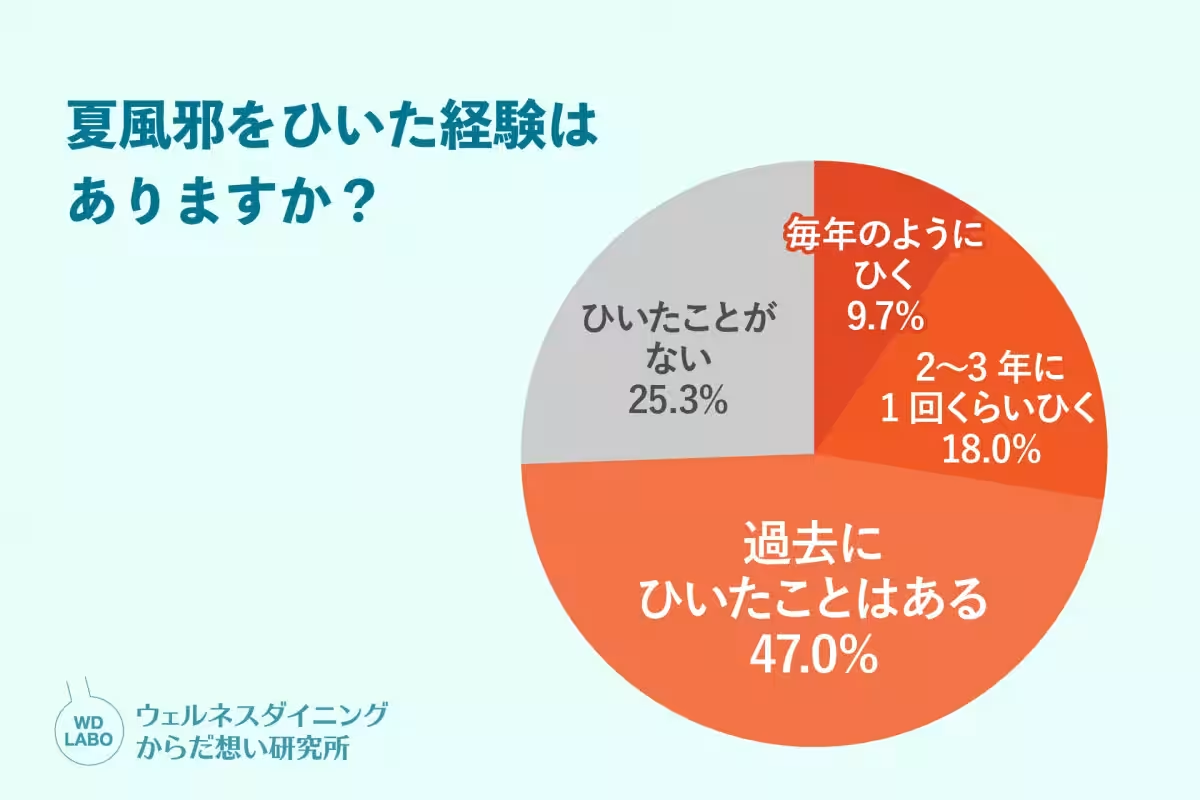
Recent research conducted by Wellness Dining Co., based in Sumida, Tokyo, sheds light on the prevalence of summer colds among Japanese adults aged 20 to 60. According to the survey, about 74.7% of respondents reported having experienced a summer cold, highlighting a common health issue that many face during the hotter months.
The Impact of Summer Colds
Summer colds can significantly affect an individual's wellbeing, stripping away the vitality often associated with the summer season. Symptoms such as fatigue, loss of appetite, and a sore throat can be debilitating. The fluctuation of temperatures due to air conditioning, combined with lifestyle disruptions typical of summer, can exacerbate these issues.
Key Findings from the Survey
The survey revealed that:
- - 74.7% of respondents had experienced a summer cold.
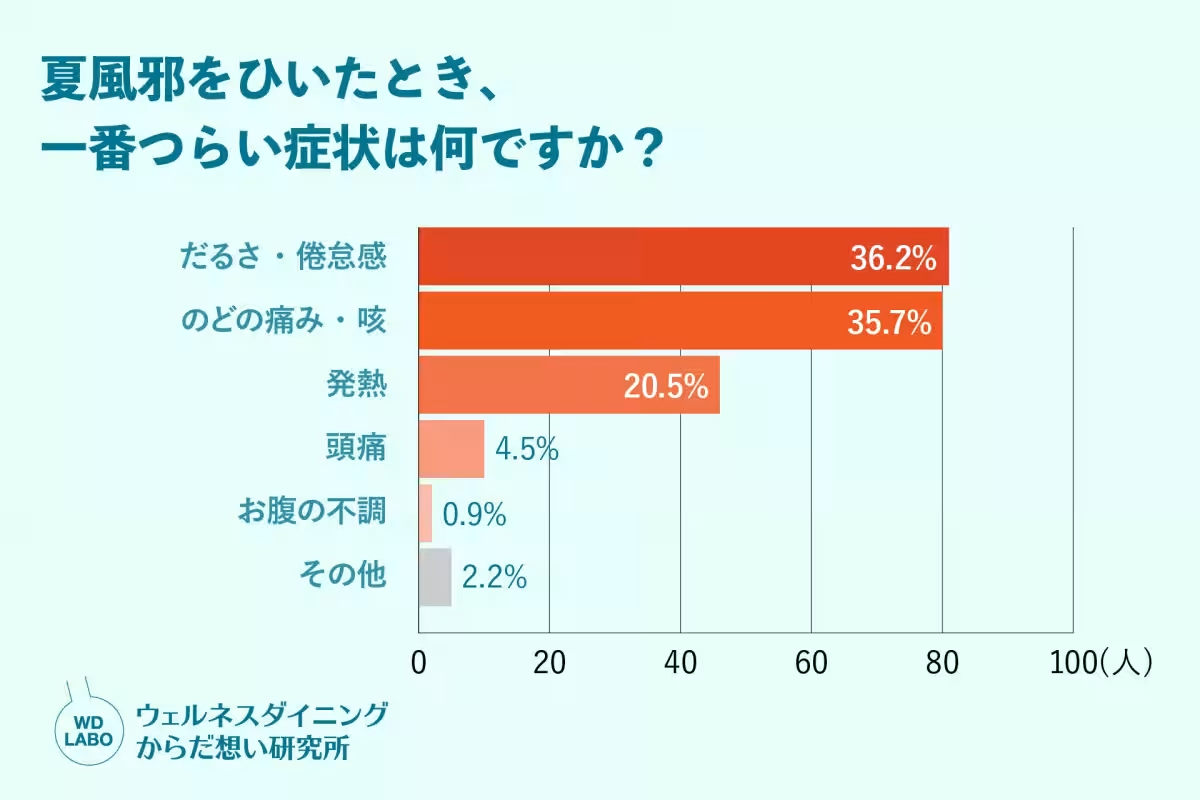
- - Common symptoms include fatigue (36.2%) and sore throat/cough (35.7%).
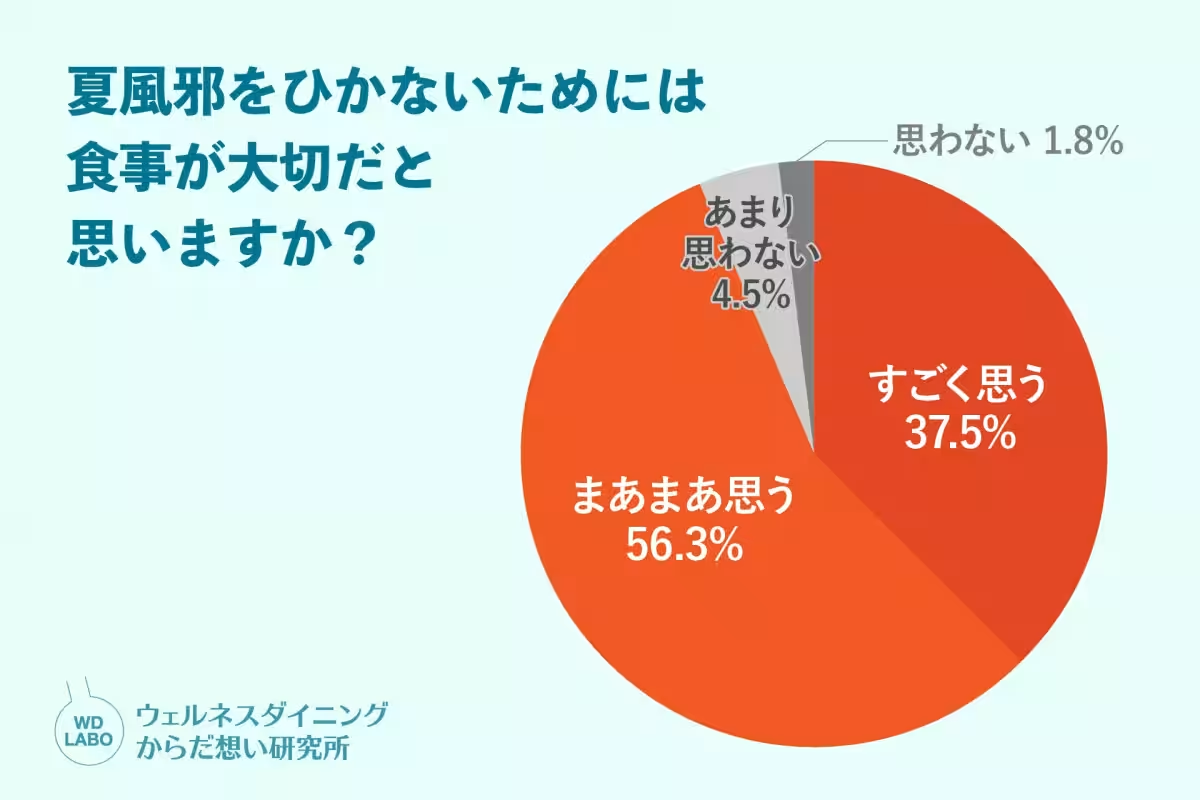
- - An overwhelming 93.8% of participants believe that proper nutrition is critical for preventing summer colds.
These findings raise important questions about mitigating the effects of summer colds and recognizing the role that diet plays in managing health.
Identifying Causes
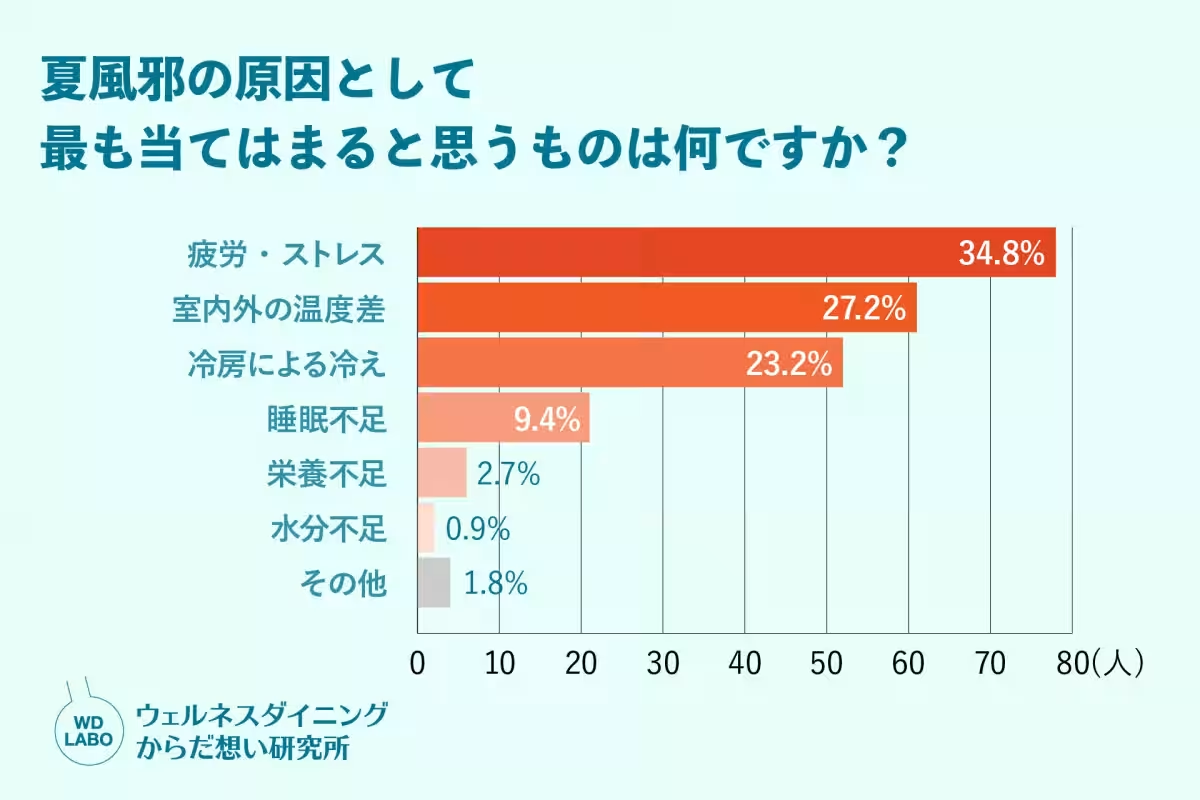
When asked about the primary causes of summer colds, respondents indicated:
- - Fatigue and Stress (34.8%)
- - Indoor-Outdoor Temperature Differences (27.2%)
- - Chilling from Air Conditioning (23.2%)
These insights suggest that the summer heat combined with the overuse of air conditioning can lead to a significant toll on the body’s health, reinforcing the need for cautious temperature management and attentiveness to personal wellbeing during this season.
Nutrition as a Defense
Importantly, nearly all respondents (93.8%) concurred that eating well is essential for thwarting summer colds. This consensus underlines a growing recognition that diet directly influences health outcomes. Foods high in nutrients can bolster the immune system and promote recovery when illness strikes.
Preferred Foods During Illness
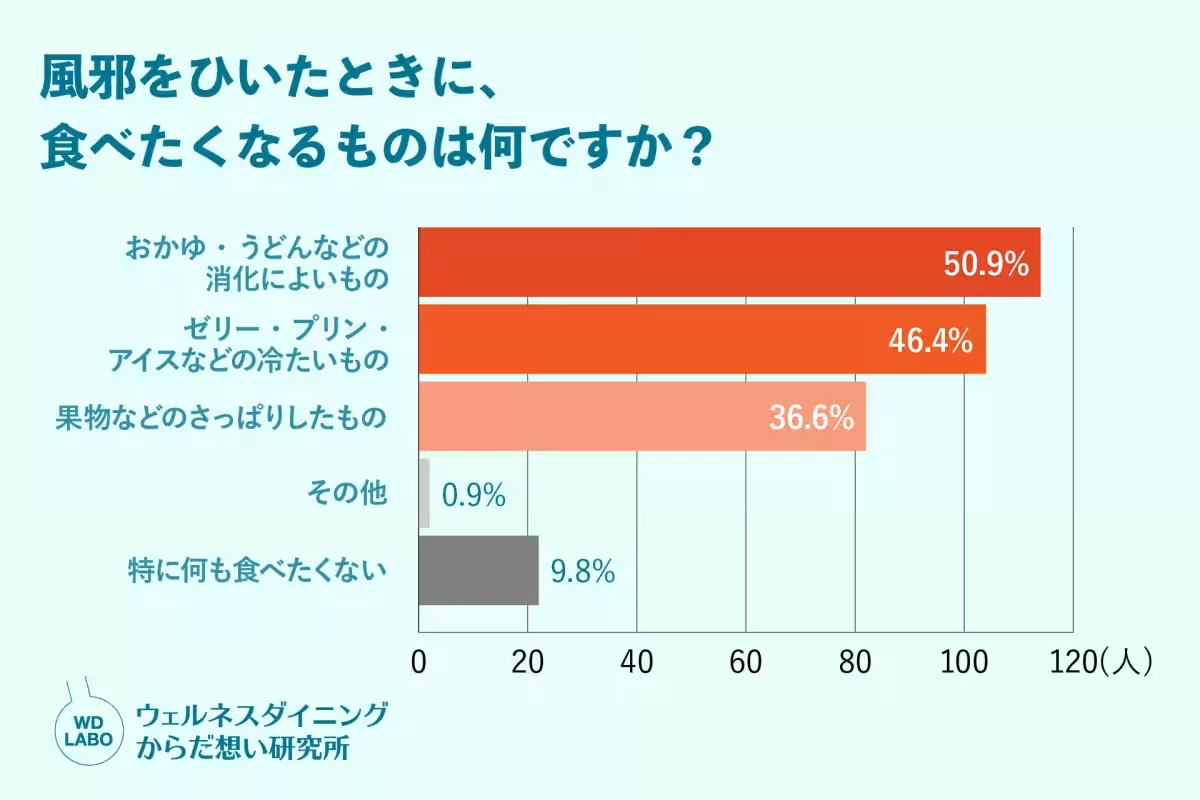
Participants also shared their cravings during a summer cold:
- - Easily Digestible Foods: 50.9% preferred options like rice porridge or udon noodles.
- - Cooling Desserts: 46.4% leaned towards items such as jelly, pudding, or ice cream.
This preference highlights how digestive concerns are often prioritized when dealing with a decreased appetite during illness. The desire for light, soothing foods is essential for comfort and recovery.
Nutritional Strategies for Summer Colds
Wellness Dining's nutritionists emphasize that balanced nutrition is crucial for preventing and recovering from summer colds. Here are some recommended ingredients:
1. Ginger and Myoga: These ingredients are beneficial for boosting blood circulation and enhancing energy production, useful for combating cold-induced fatigue.
2. Pickled Plums and Vinegar: Sour flavors stimulate saliva production, aiding digestion and potentially increasing appetite, especially vital during the hot summer months.
3. Pork: Rich in vitamin B1, pork helps convert carbohydrates into energy, essential for combating summer fatigue and supporting immune function.
Conclusion
Practicing mindful eating and ensuring adequate hydration are fundamental strategies for maintaining health during the summer. Even amid decreased appetite, incorporating easy-to-digest, nutrient-rich foods can provide necessary sustenance and support recovery from illness.
As the survey indicates, significant lifestyle modifications and nutritional strategies play a pivotal role in navigating the summer months healthily and effectively.
About Wellness Dining Co.
Wellness Dining operates with a philosophy of promoting health through thoughtful meal delivery tailored to individual needs. With a commitment to providing nutritious meals, they focus on fostering a positive relationship with food, regardless of dietary restrictions. For more information about their services or to engage with their food specialists, visit their official website.



Topics Health)

【About Using Articles】
You can freely use the title and article content by linking to the page where the article is posted.
※ Images cannot be used.
【About Links】
Links are free to use.