



Waseda University Selected to Enhance Quality of Life in Space for Civilians
Enhancing Quality of Life in Space for Civilians
Waseda University, based in Tokyo, has taken a significant step towards improving the quality of life (QOL) for civilians in space by being chosen as the sole private institution for JAXA's Space Strategic Fund project, known as SX-CRANE. This initiative aims to develop technologies that facilitate healthy and comfortable living conditions for non-astronauts as space exploration expands beyond professional astronauts.
Background of the Project
With an increasing expectation for civilian activity in low Earth orbit (LEO) post-2030, it is crucial to ensure that this new demographic experiences not only safety but also comfort while living in space. The Environmental Control and Life Support System (ECLSS) has traditionally been designed for highly-trained astronauts; however, as commercial space tourism and other civilian space initiatives come to fruition, the need to adequately support general civilians without the benefit of extensive training is more pressing than ever. Ensuring their health and comfort in this unique environment is paramount.
Approach to Research
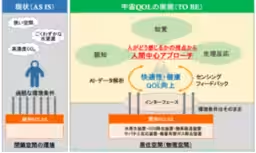
Waseda University's research will adopt a human-centric approach, focusing on understanding the cognitive, sensory, and physiological reactions of civilians in space. The project will integrate various data sources, including experimental data from Earth, verification data from space bases, and simulations within virtual environments. This integrated data analysis platform will allow researchers to comprehensively assess and enhance the wellbeing of civilians in space, ultimately contributing to novel QOL improvements.
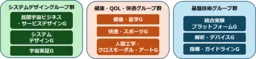
As principal investigator, Tomomi Nonaka from Waseda aims to lead a consortium of nine institutions, including renowned partners like Keio University, Osaka University, and Panasonic Corporation, to propel the development of space habitation technologies. They will work collectively to create an environment that supports a satisfying experience in space.
Collaborative Efforts
The strategic collaboration between multiple universities and companies aims to leverage academic research and industry expertise. The foundational research topics will span several domains:
1. System Design Group: This group will focus on creating guidelines for service design in space, ensuring that the psychological and practical needs of users are met.
2. Health and Comfort Studies: Research will delve into the impact of exercise, environmental controls, and ergonomics on the QOL of civilians.
3. Analysis and Technology Development: This sector will ensure that environmental factors such as temperature, humidity, and radiation are closely monitored and optimally managed in space habitats.
Long-term Vision
The project's scope extends beyond immediate research and development. By 2034, it aims not only to improve conditions in space but also to translate the insights gained from this research back to Earth. This could lead to innovations in urban environments, architecture, and service design, promoting overall better living standards both in space and on the ground.
Conclusion
The groundwork laid by Waseda University’s initiative signals a promising future for civilian space activity. As commercial space travel and habitation become more prevalent, ensuring that every individual can enjoy a healthy, safe, and comfortable experience during their time in space will be fundamental. With this project, Waseda University is well-positioned to lead the charge in revolutionizing how we think about life beyond our planet, making space not just accessible but truly enjoyable for all.

Topics Other)
【About Using Articles】
You can freely use the title and article content by linking to the page where the article is posted.
※ Images cannot be used.
【About Links】
Links are free to use.