



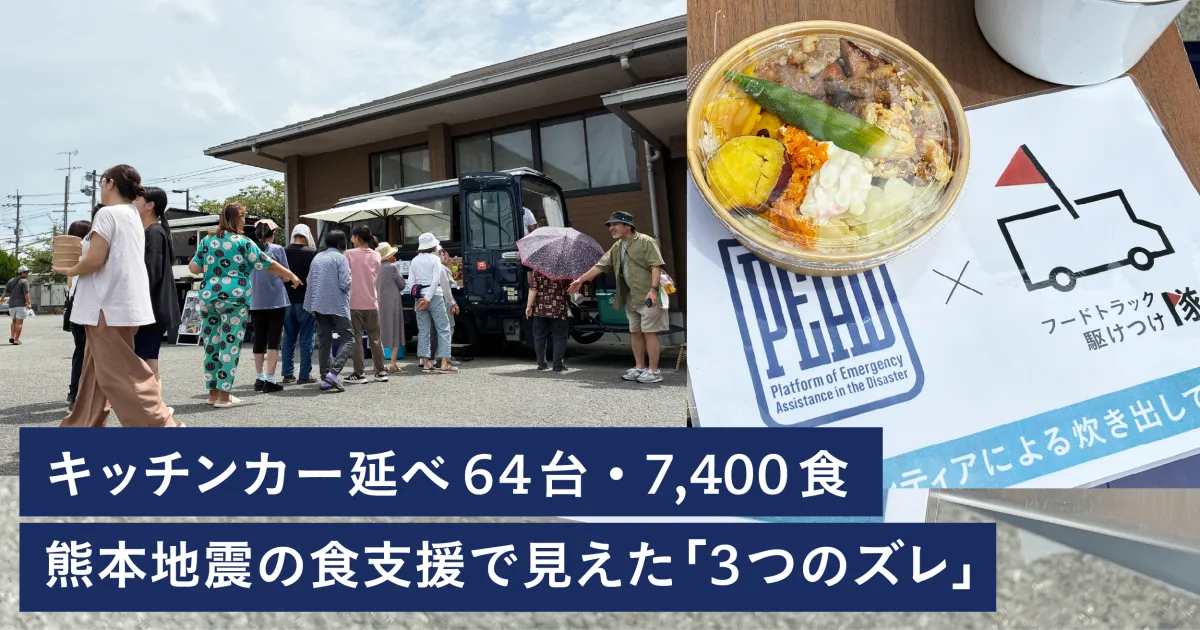
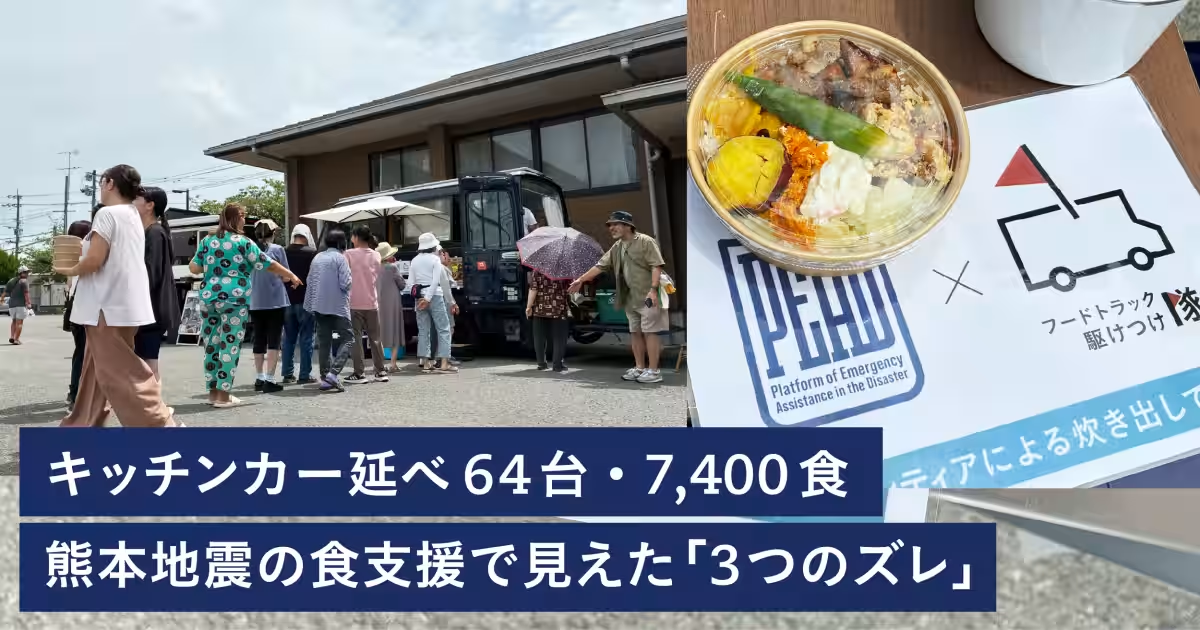
Food Truck Response Team Shares Data on Earthquake Food Support in Kumamoto
Food Truck Response Team: Insights from the Kumamoto Earthquake Food Support
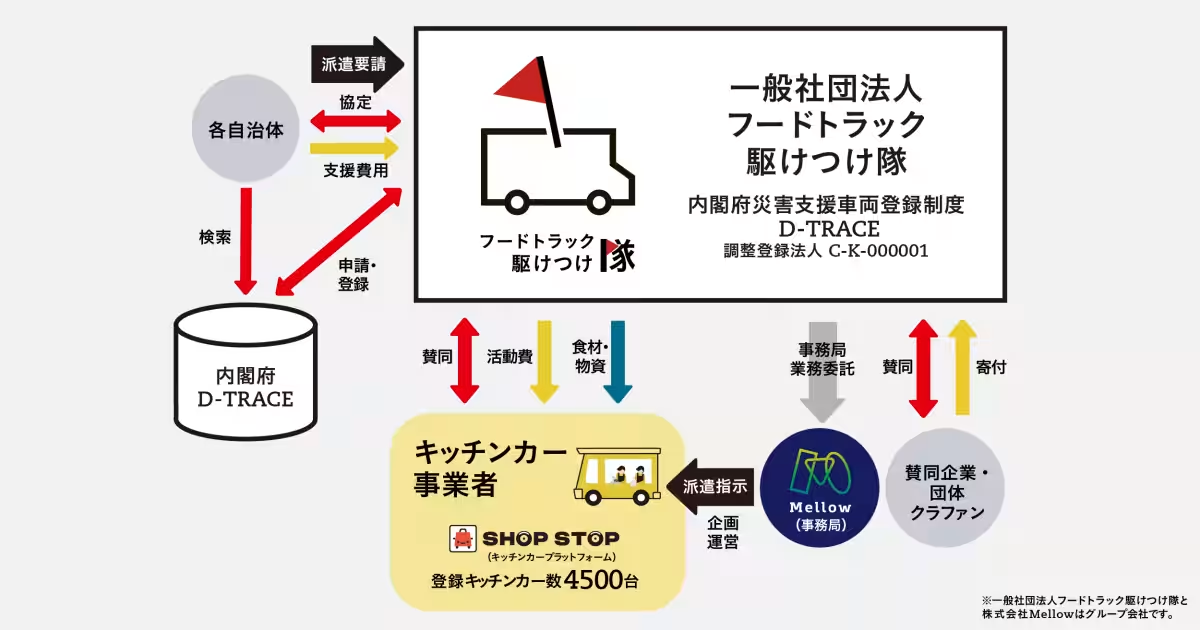
On July 28, 2026, a powerful earthquake struck Kumamoto, prompting immediate action from the Food Truck Response Team, organized by Mellow Inc. This initiative provided vital food support for those affected, utilizing a fleet of 64 food trucks over a period of 25 days.
Overview of the Initiative
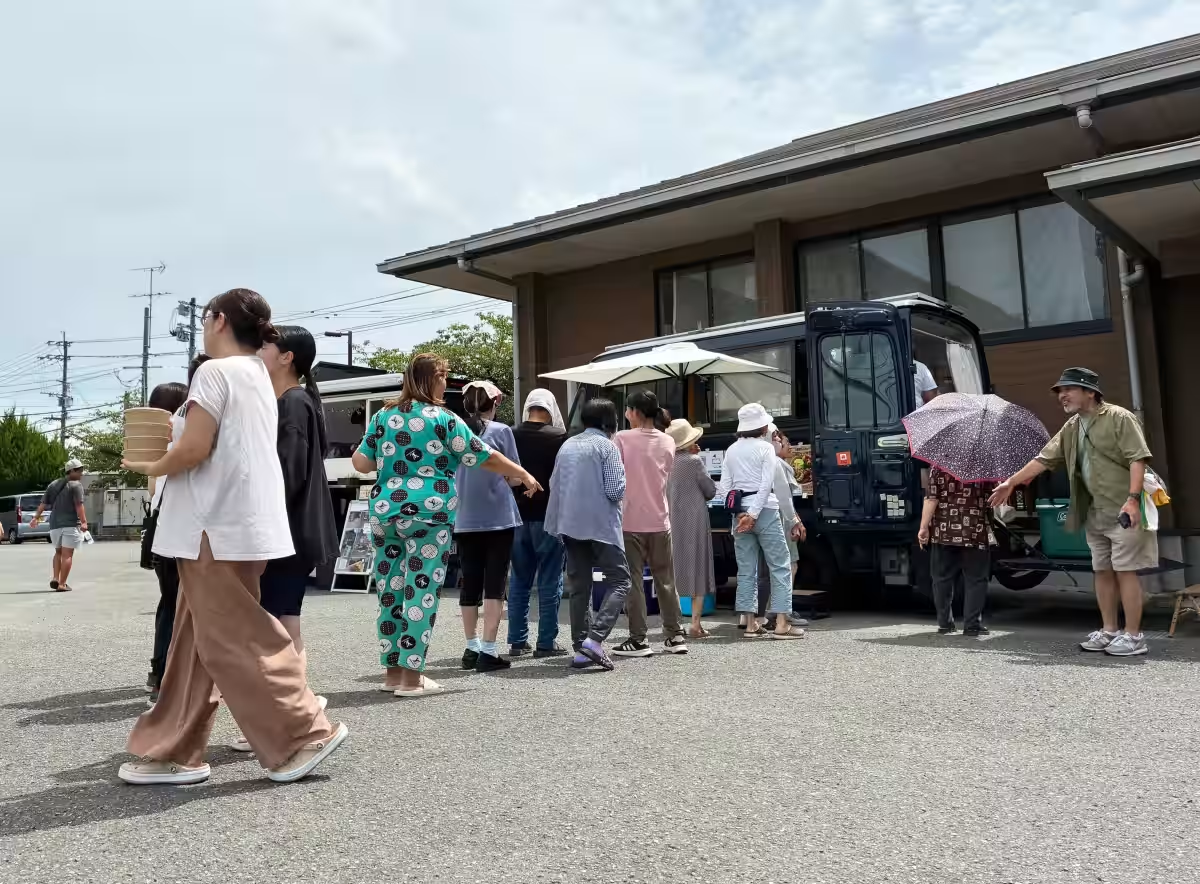
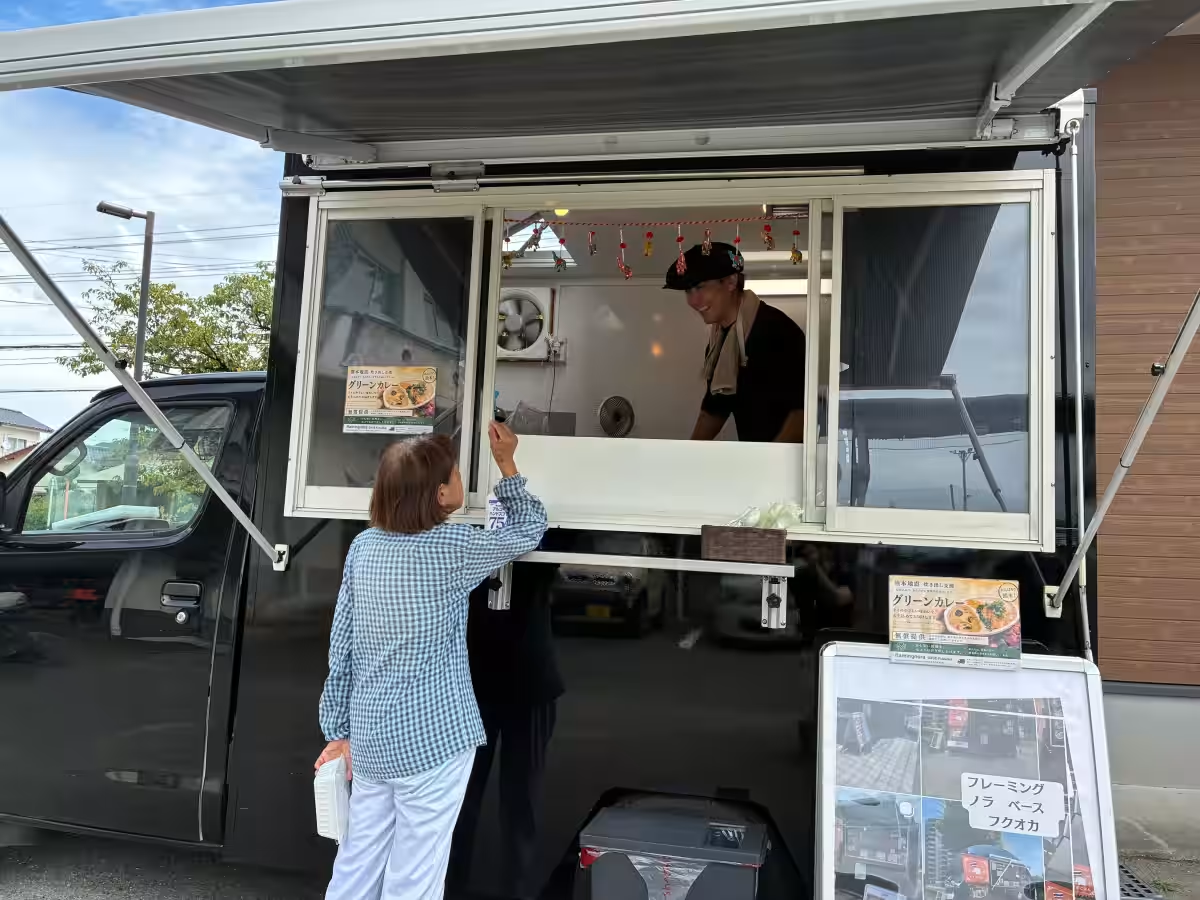
From August 4 to 31, the Food Truck Response Team served approximately 7,400 meals across nine evacuation sites in Yatsushiro City. This response not only showcased the mobilization of 64 food trucks but also highlighted how pre-existing structures within the SHOP STOP platform enabled a smooth and effective deployment of resources in times of crisis.
First Three Days in Action
Initially, attention was focused on the city’s largest evacuation site, with 11 trucks delivering 2,100 meals. As the situation progressed, the team realized that smaller evacuation sites required more support due to lower resource availability. Consequently, the focus of operations shifted, and food trucks were dispatched to these underserved areas. The sites included significant locations such as Yatsushiro Toyooka Chiken Arena and several community centers and schools.
Understanding the 'Three Misalignments'
Throughout this operation, the team identified three critical 'misalignments' that impacted food provision:
1. Preparation Time: Coordination began just one day before deployment, which emerged around 7 days post-earthquake. Active communication with local authorities was necessary to ensure a smooth request process for food provision, which complicated initial deployments.
2. Estimated Meal Requirements: Assessing the number of meals required based solely on reported evacuee numbers proved inaccurate. For instance, while the evacuee count at one school was around 63, the demand turned out to be much higher as individuals often collected multiple meals.
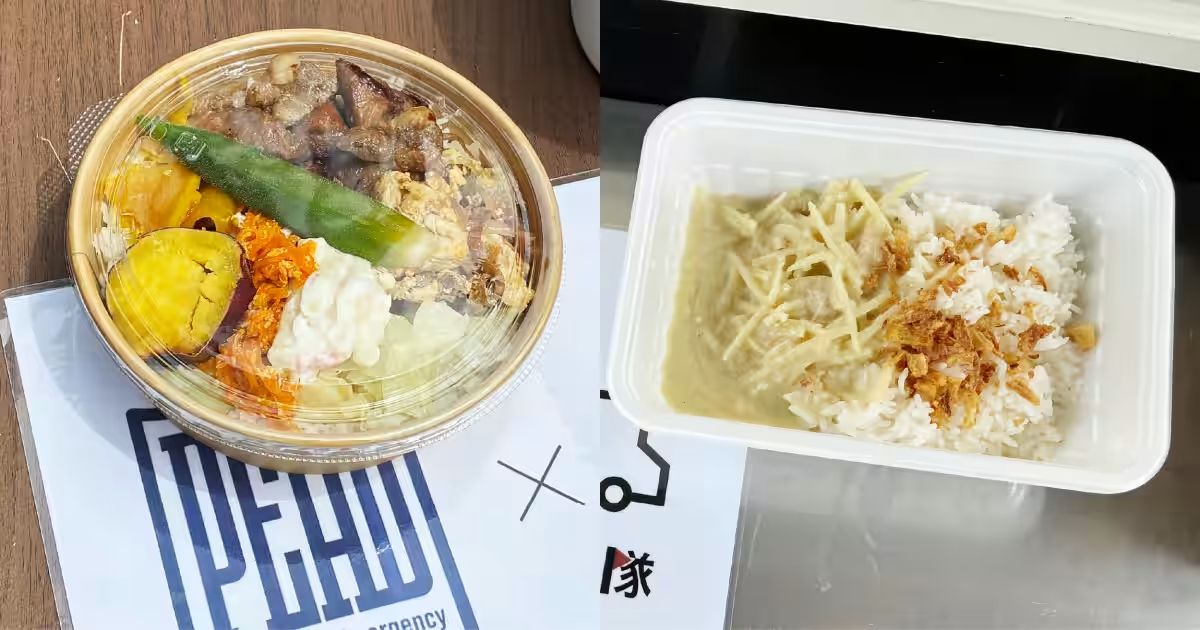
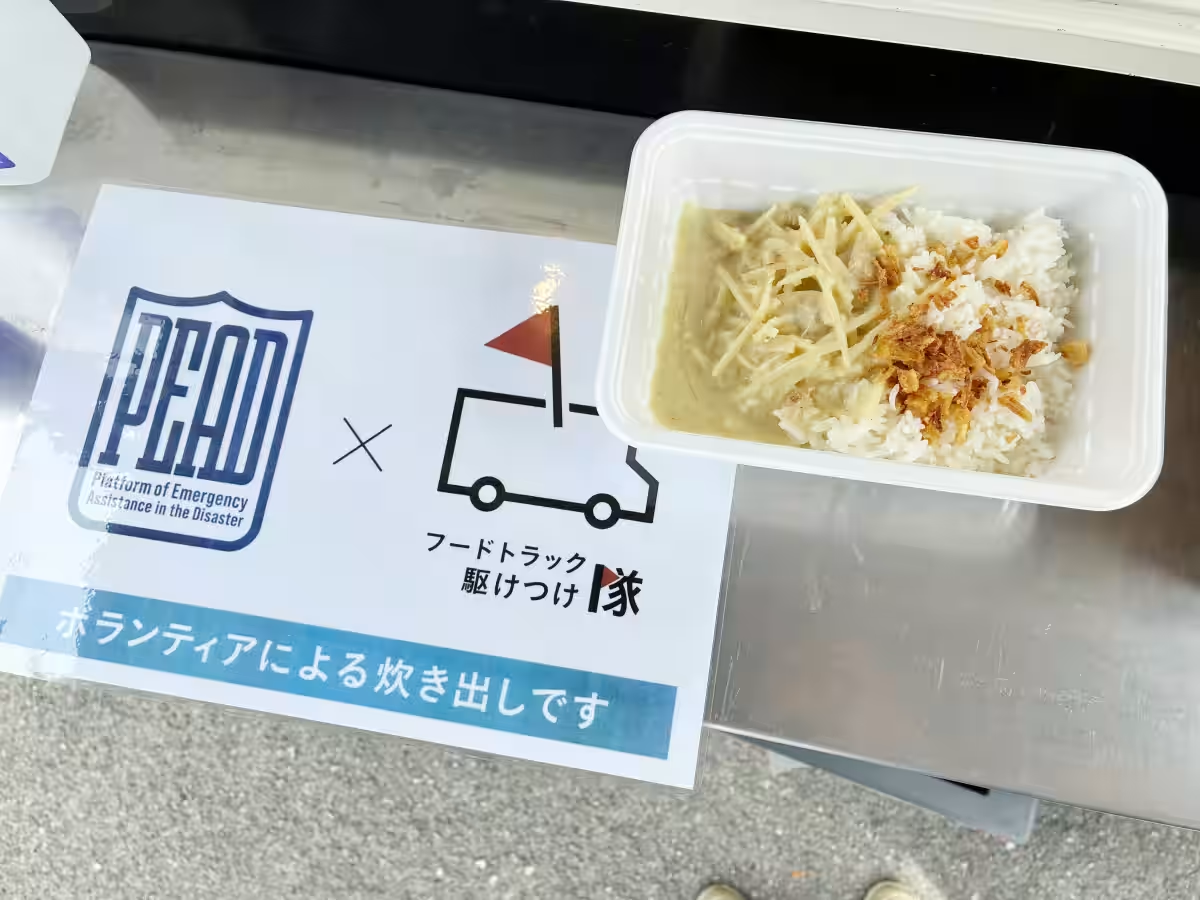
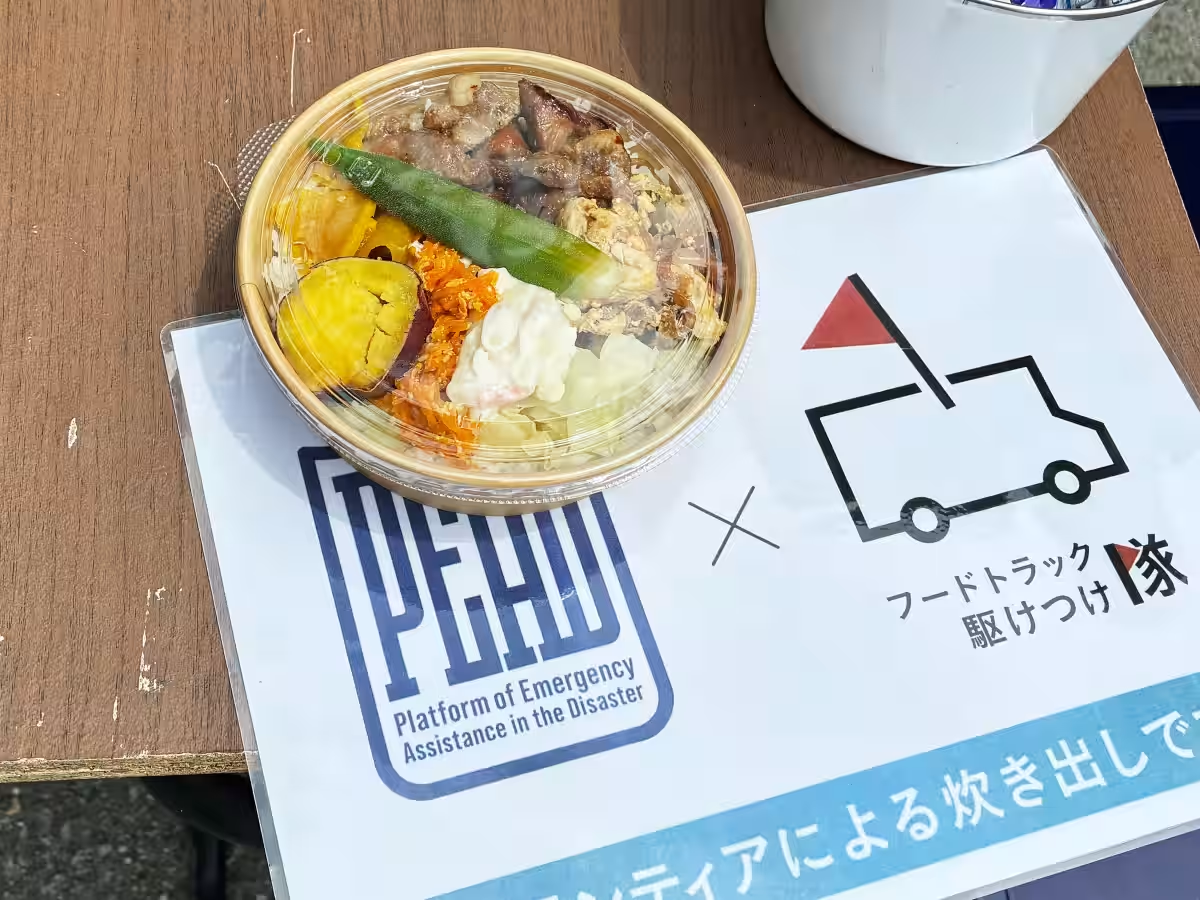
3. Menu Diversity Needs: The initial availability of light snacks and desserts didn’t meet the ongoing demand for hearty meals, particularly warm rice dishes crucial for those in prolonged evacuation. The response team quickly adapted to ensure that their offerings addressed these needs.
Leveraging the SHOP STOP Platform
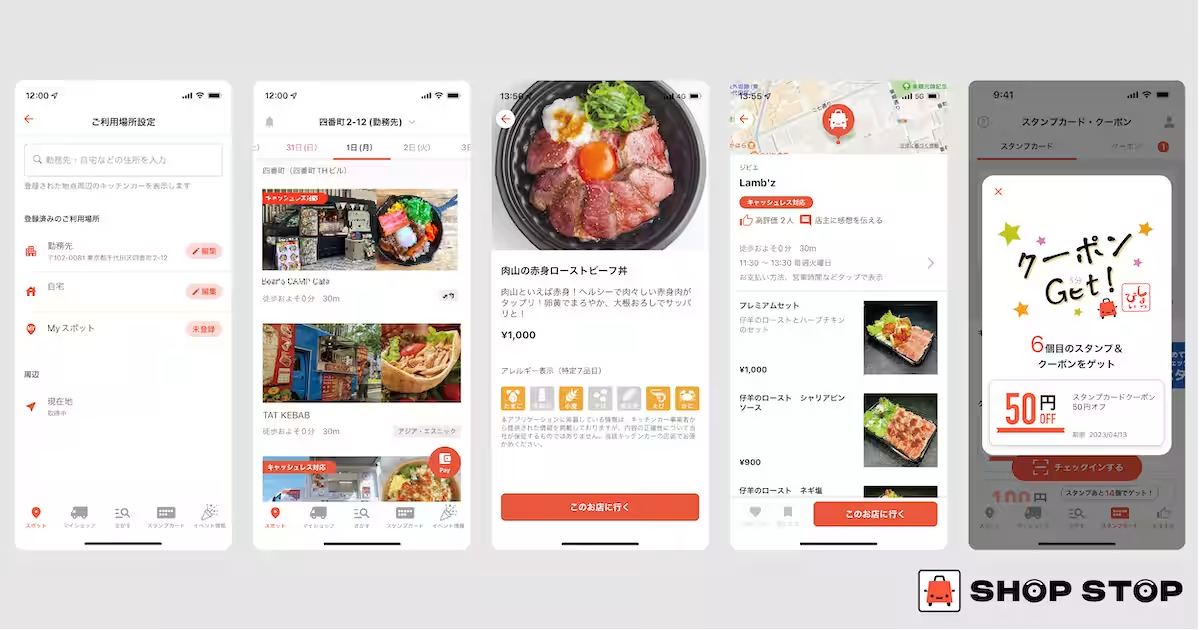
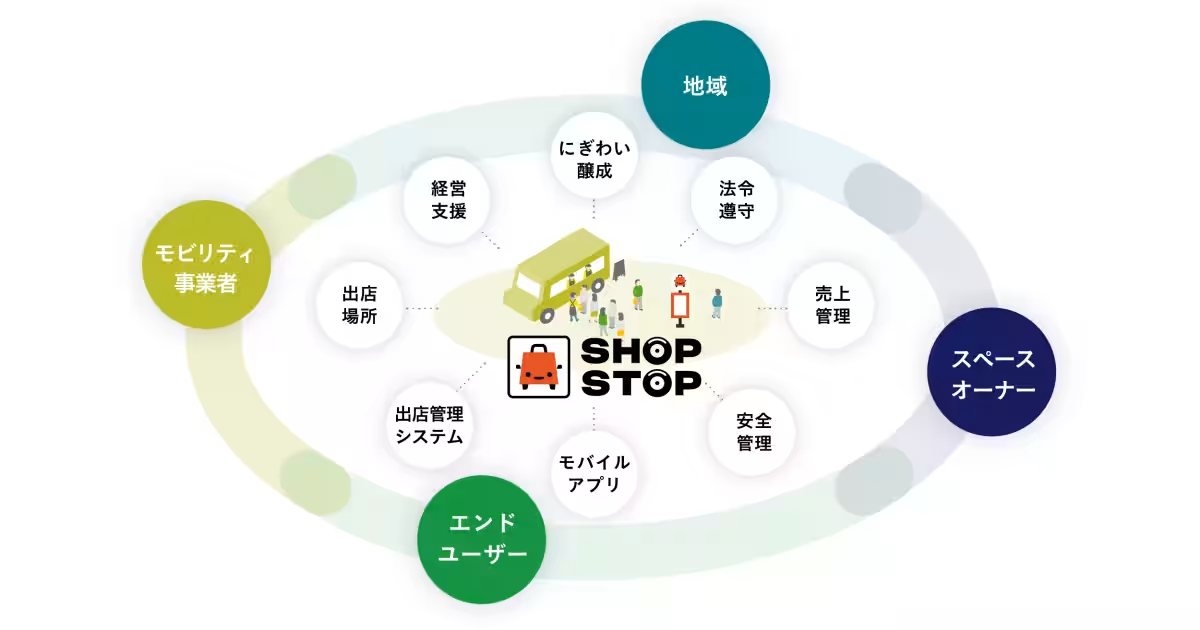
The operational efficiency observed during the earthquake response can be greatly attributed to the pre-existing infrastructure of the SHOP STOP platform. With over 4,500 registered food trucks nationwide, the platform facilitated quick access to vendor information, menu viability, food safety regulations, and logistics, which were efficiently repurposed for disaster response. This allowed the response team to engage more directly in real-time decision-making while ensuring fast and reliable aid delivery.
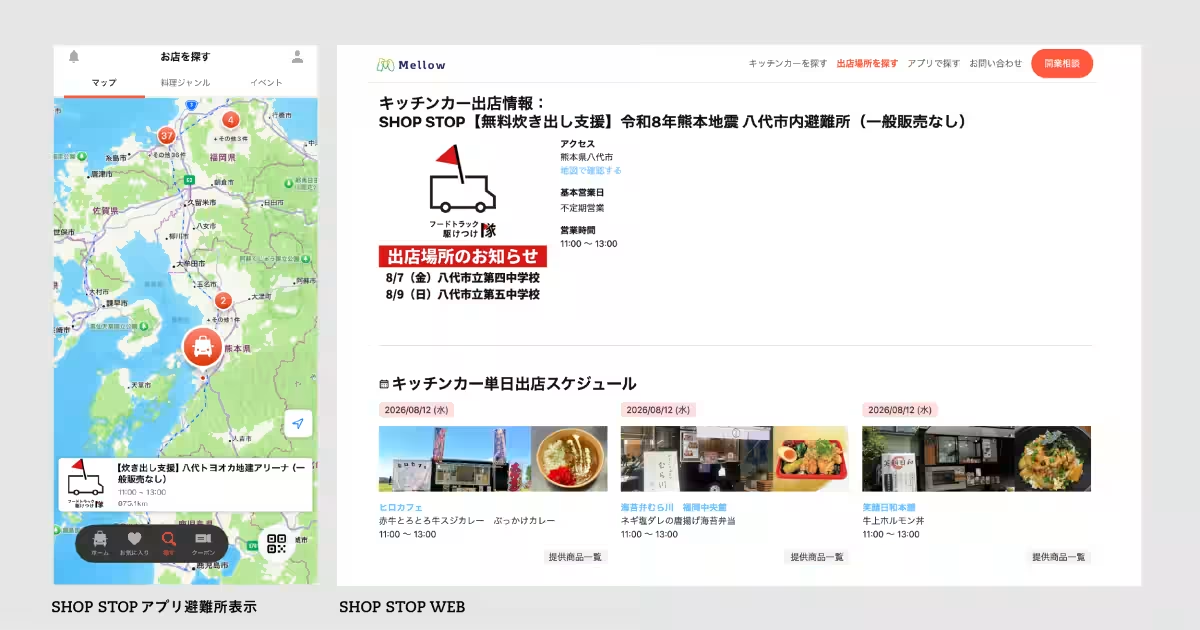
Moreover, the integration of digital tools for tracking and communicating support locations via web applications enhanced the visibility and appeal of their operations, enabling those in need to access the available resources effectively.
Moving Forward
Looking forward, the Food Truck Response Team aims to integrate findings from their recent operations into preventive measures and training protocols for future disasters. Collaborations with local municipalities, civil organizations, and food truck operators are envisioned to strengthen disaster readiness and ensure that meal assistance can adapt seamlessly to various conditions under emergency situations.
In conclusion, the collaborative efforts made during the Kumamoto earthquake response exemplify how a pre-existing business model can lead to effective disaster management initiatives. By refining their operations and focusing on effective communication and adaptability, the Food Truck Response Team establishes a resilient framework that extends beyond crisis management into sustainable community support.
For further inquiries regarding disaster readiness and collaborations, please contact the Food Truck Response Team directly. Their proactive approach signifies the importance of community resilience powered by robust, adaptable frameworks.
Topics Policy & Public Interest)
【About Using Articles】
You can freely use the title and article content by linking to the page where the article is posted.
※ Images cannot be used.
【About Links】
Links are free to use.