



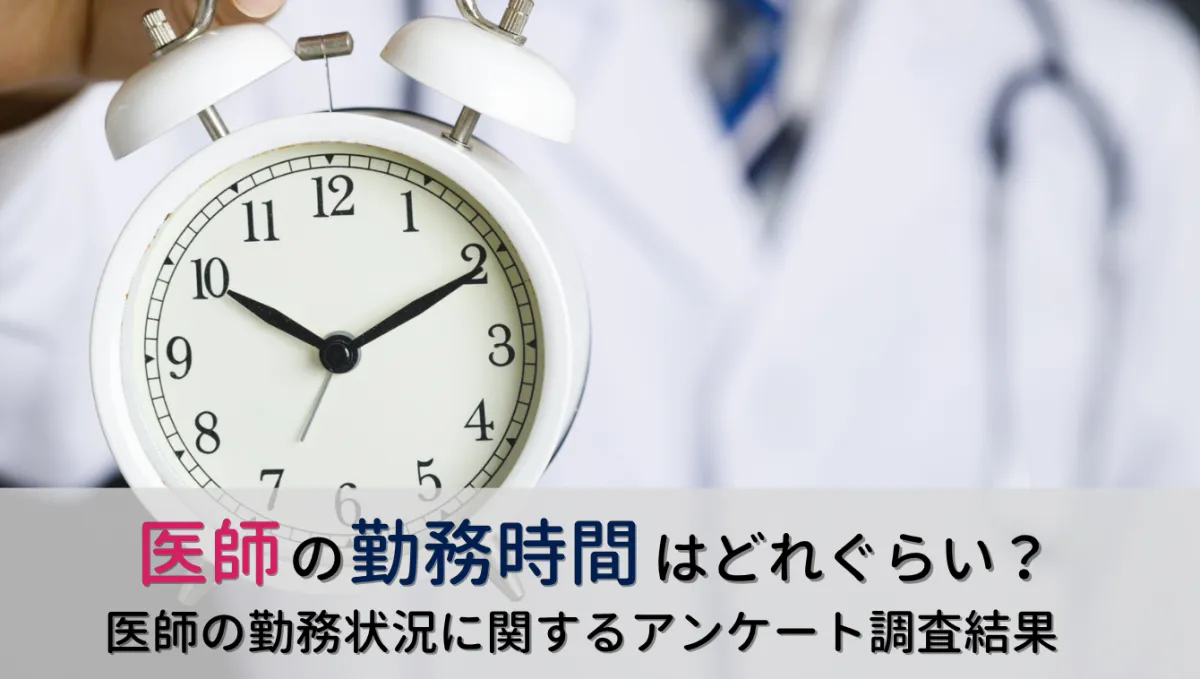
Survey Reveals Insights into Doctor Work Conditions and Satisfaction Levels
Understanding the Work Conditions of Physicians in Japan
In an era where medical professionals are often seen as overworked and stressed, a recent survey conducted by MediWell, a career support service for doctors based in Sapporo, Hokkaido, offers valuable insights into the actual working conditions of physicians. This survey, which involved 1,511 doctors from across Japan, sought to explore various aspects of their work lives, including overtime hours, on-call responsibilities, and opportunities for side jobs.
Key Findings from the Survey
Overtime Hours
The survey results reveal an interesting picture concerning overtime. Among all participants, 36.2% reported having no overtime hours at all. However, for hospital-based doctors working more than five days a week, the average overtime was found to be about 25 hours per month, with a median of 15 hours.
On-Call and Duty System
When it comes to on-call duties, nearly 60% of doctors indicated that they are responsible for on-call work. Specifically, in hospitals where doctors work at least five days a week, 42.9% reported that they have no on-call responsibilities, leaving a large segment managing such duties periodically. The median number of on-call sessions was not explicitly stated but reflects a substantial commitment.
Side Jobs
The survey shed light on the prevalence of side jobs among doctors, particularly in university hospitals. Overall, 64% of physicians reported engaging in some form of side work. Notably, a remarkable 90.4% of doctors working in university hospitals mentioned that they have secondary employment opportunities, which raises questions about workload balance and financial necessity.
Job Satisfaction
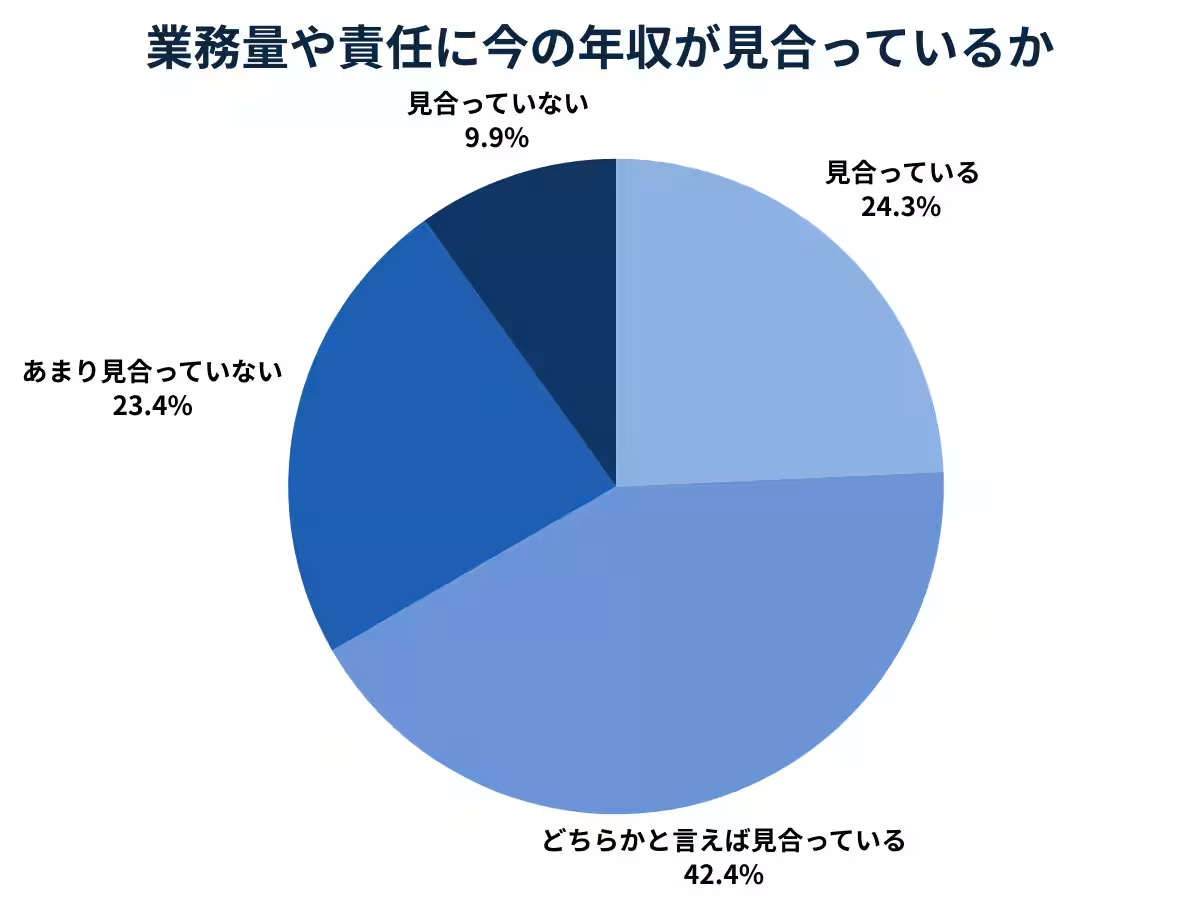
In terms of job satisfaction, 48.9% of the doctors indicated that they were somewhat satisfied with their current working conditions, while 29.1% expressed full satisfaction. This means that a total of 78% of surveyed physicians feel reasonably content with their professional lives amidst the challenges they face.
Job Patterns Examples
A few detailed case examples from the survey participants highlight the diversity in physician workloads:
1. Case Study 1: A male gynecologist in his 40s working at a general hospital reportedly works five days a week with an astounding monthly overtime of 140 hours. His on-call commitment is high, and he also engages in side work involving on-call duties six days a month.
2. Case Study 2: A female gynecologist, also in her 40s, employed at a university hospital, works six days weekly and has a monthly overtime of 90 hours. Her schedule includes four to five night shifts a month, with recent rotation duties for on-call responsibilities.
3. Case Study 3: A male psychiatrist in his 40s works four days a week with minimal overtime of just five hours a month and manages on-call duties once or twice monthly.
In contrast to common perceptions, these case studies depict a spectrum of working hours and conditions across different medical fields, emphasizing the unique challenges faced by each specialist.
Conclusion
The findings from this extensive survey by MediWell underscore the complexity of the medical profession in Japan, revealing both the stressors and satisfactions that physicians experience. Understanding these dynamics is crucial for stakeholders aiming to improve working conditions for medical professionals. For more detailed information about the survey, please visit the provided link.
For further reading: Doctor's Working Hours and Conditions Survey.
About the Survey
- - Conducted by: MediWell, a doctor-oriented career support service.
- - Survey Duration: February 17, 2026, to February 27, 2026.
- - Respondents: Registered doctor members of MediWell.
- - Responses Collected: 1,511 valid responses through an online survey method.
Company Overview
MediWell has been providing career support and consulting services to the medical community since 2004, supporting over 76,000 registered physicians. For information about the company and its services, visit MediWell.
Topics Health)


【About Using Articles】
You can freely use the title and article content by linking to the page where the article is posted.
※ Images cannot be used.
【About Links】
Links are free to use.