



The Pressure of AI on IT Engineers: A Study on Mental Load and Expectations
The Pressure of AI on IT Engineers: A Study on Mental Load and Expectations
Artificial Intelligence has swiftly integrated into various industries, and while it has the potential to enhance efficiency, it concurrently imposes new pressures on IT engineers. A recent study by KIKKAKE CREATION analyzed the mental load experienced by IT engineers, specifically focusing on the unrealistic expectations from non-engineering professionals regarding AI capabilities.
Unpacking Unrealistic Expectations
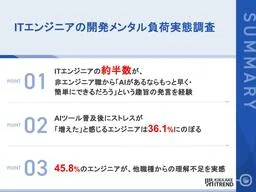
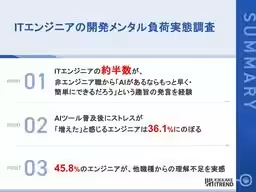
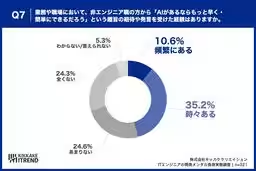
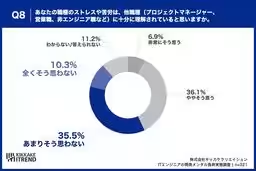
The study surveyed 321 IT engineers, revealing a troubling trend: nearly half of them have encountered expectations like “With AI, you should be able to do this faster or easier.” This sentiment was echoed by 45.8% of engineers, who feel that their struggles are not adequately understood by colleagues in different roles. This disconnect between expectations and reality results in increased mental pressure.
The Impact of AI Tools on Stress Levels
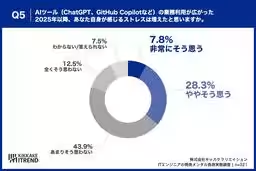
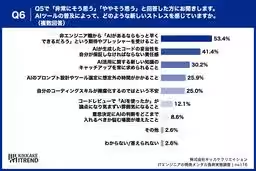
Interestingly, the findings indicate that after the advent of AI tools such as ChatGPT and GitHub Copilot, stress levels among engineers have increased. Approximately 36.1% of respondents reported feeling an uptick in stress linked to the use of these new technologies. The primary source of this stress stems from pressure to deliver faster outputs, driven by the misbelief that AI can effortlessly streamline processes.
Development Phases and Associated Stress
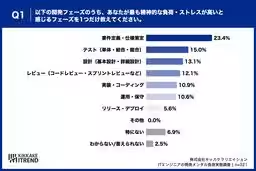
Among various development phases, the “requirements definition and specification phase” emerged as the most stressful, with 23.4% of engineers citing it as their primary source of mental strain. This phase’s complexity is exacerbated when prior agreements and expectations shift unexpectedly, leading to heightened anxiety.
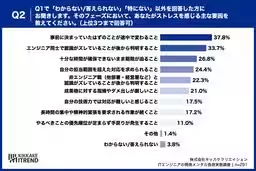
Survey responses reveal that 37.8% of engineers cited changes to pre-defined agreements as a significant stressor, followed closely by discrepancies in understanding between engineers, which affects collaboration and project outcomes. The urgency of deadlines without proper time allocation further complicates the situation, creating an environment where developers feel overwhelmed and unsupported.
Continuous Pressure Throughout the Sprint Cycle
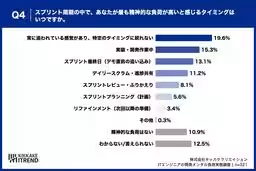
The study also delved into the mental load felt throughout the sprint cycle, with 19.6% of respondents indicating they feel a constant sense of being “chased” by deadlines and responsibilities. This sentiment highlights a broader issue where developers continuously grapple with mounting pressure in their daily tasks, unable to pinpoint specific triggers.
Recommendations for Mitigating Stress
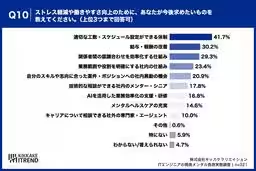
In light of these challenges, engineers have articulated several needs to alleviate their mental burden. The top three suggestions include:
1. Adequate Planning and Resource Allocation: 41.7% of respondents highlighted the need for better scheduling and workload management.
2. Improved Compensation: 30.2% suggested that better salaries and rewards could aid in reducing stress levels.
3. Enhanced Communication Systems: A notable 29.3% advocated for mechanisms that improve clarity and understanding among team members.
The Future for IT Engineers
As the landscape of technology evolves, so too do the expectations placed upon IT engineers. The call for speed and efficiency continues to rise alongside the integration of AI, yet engineers find themselves at the intersection of innovation and misunderstanding from their non-engineering counterparts. This divergence poses risks for team morale and retention of talent in the tech industry.
To move forward, organizations need to embrace a dual approach: invest in technology while simultaneously nurturing a culture of understanding and exacting reasonable expectations from their engineering teams. This balance is crucial in order to foster an environment where creativity and technical expertise can thrive without the overshadowing burden of undue pressure.
In conclusion, as AI continues to reshape the future of work, recognizing and addressing the distinct pressures engineers face will be imperative for sustained innovation and productivity. Understanding the limits of technology and fostering a collaborative atmosphere will pave the way for healthier, more resilient engineering teams in the era of AI.
For further insights and resources on this topic, visit KIKKAKE ITREND.

Topics Other)
【About Using Articles】
You can freely use the title and article content by linking to the page where the article is posted.
※ Images cannot be used.
【About Links】
Links are free to use.