



Understanding the Concept of 'Cancer Eggs' and Early Detection for a Healthier Future
The Significance of 'Cancer Eggs' in Early Detection
Cancer, often defined by its devastating impact on health, can start from a mere single cell mutation that takes years, even decades, to develop into a noticeable tumor. Understanding the significance of early detection is crucial.
The Concept of 'Cancer Eggs'
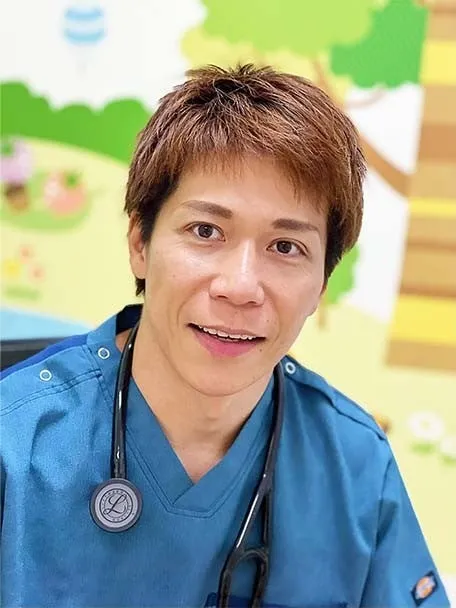
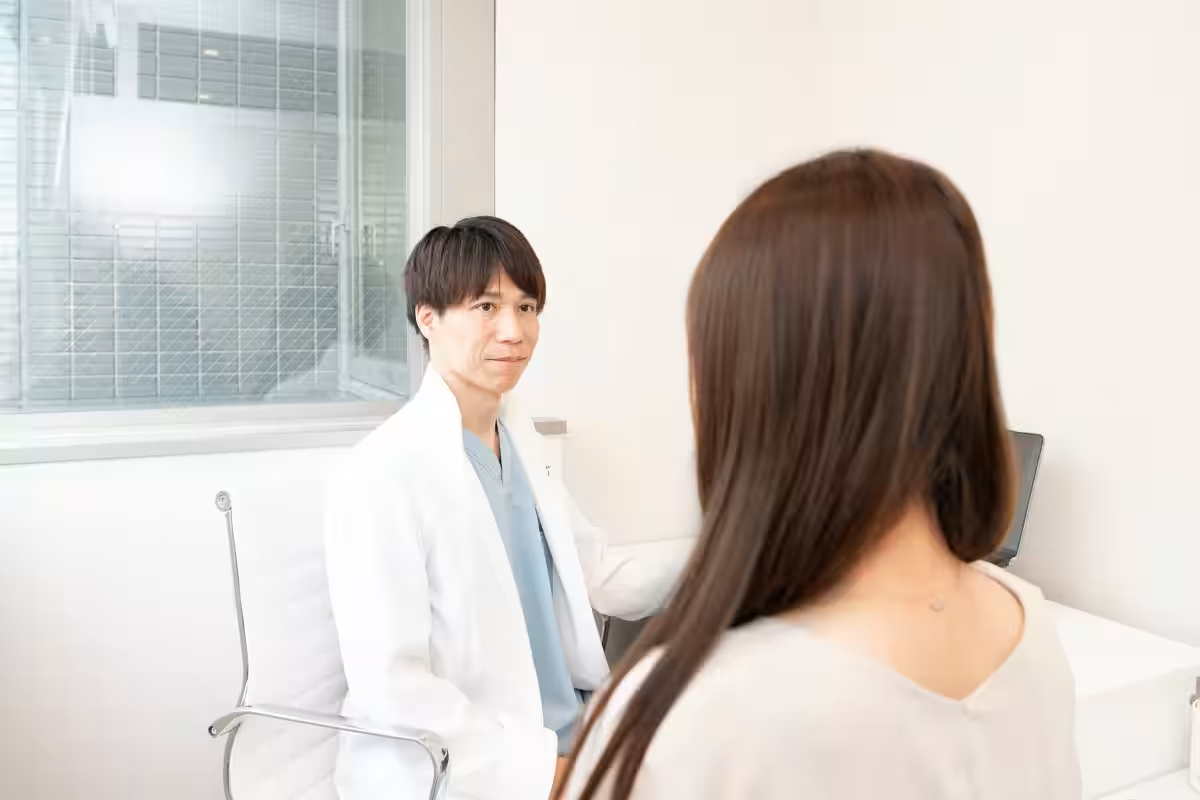
Dr. Naohiro Tamoto, a pediatrician from Yonago City, Japan, introduces the notion of 'cancer eggs.' This term refers to the very early stages of cancer—the prime time when the disease can be successfully identified and treated before it progresses into something more life-threatening.
Rather than a one-size-fits-all definition of early detection, Tamoto emphasizes that recognizing subtle signs and symptoms is key to safeguarding the health of ourselves and our loved ones. Many individuals often assume that there’s no issue if they feel fine, leading to late-stage cancer diagnoses when the illness has already advanced.
Early Detection and Survival Rates
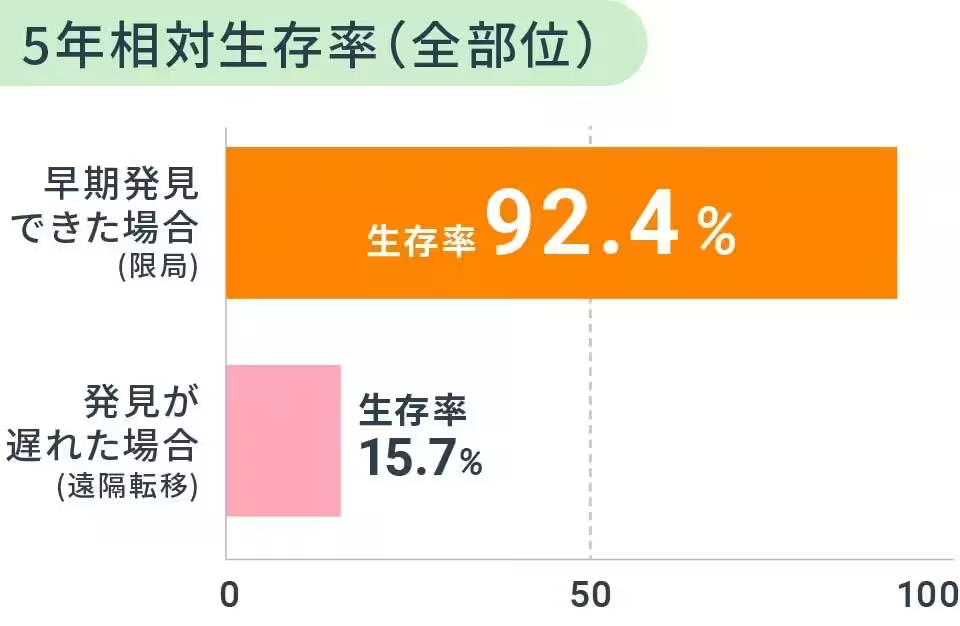
Statistical evidence highlights the stark difference in survival rates based on the stage of cancer at diagnosis. For instance, when cancer is detected at Stage 1, the five-year survival rate is impressively high at 92.4%. In contrast, this number plummets to a mere 15.7% for Stage 4 due to distant metastasis. This disparity emphasizes the crucial role of early detection as it can essentially mean the difference between life and death.
Limitations of Conventional Testing
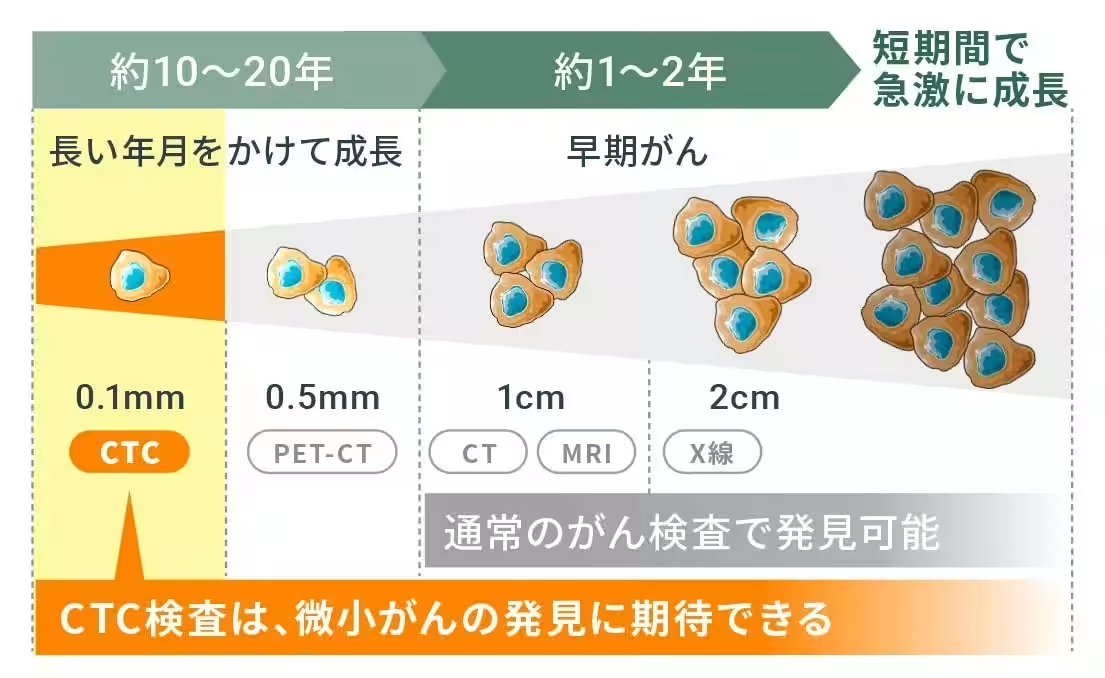
Common imaging tests like PET and CT scans are not effective in identifying tumors before they reach about 1cm in size. This limitation means that by the time the cancer becomes visible through these imaging methods, it may be on the verge of rapid progression. Hence, relying solely on these traditional methods can lead to missed opportunities for early intervention.
The Promising Future of CTC Testing
Here, the Circulating Tumor Cell (CTC) test comes into play. This innovative method can detect the existence of cancer cells in the bloodstream at an incredibly early stage. Even if a tumor isn't yet visible, the CTC test can provide insights into early signs of cancer, potentially allowing for preventive measures to be taken before the condition worsens. While it isn't a definitive diagnostic tool, its ability to identify early anomalies offers a beacon of hope in the realm of preventive medicine.
A Message for the Healthy
Dr. Tamoto, who balances his role as a father of eight and a health educator on platforms like YouTube and TikTok, urges everyone to be proactive about their health, particularly as they enter their 40s. The notion of “I am fine now” can lead to complacency, which is alarming. Understanding one’s body and being aware of the early signs of cancer is crucial for ensuring both personal health and the well-being of family members.
Shifting Perspectives on Cancer
With statistics indicating that 1 in 2 individuals will develop cancer in their lifetime, particularly as they reach middle age, the notion of cancer being a distant threat is increasingly outdated. Today's proactive approach involves recognizing the importance of early detection and preventive measures. In fact, understanding and acknowledging the signs of 'cancer eggs' may very well be a new standard for prioritizing health and safety.
In conclusion, embracing the idea of 'cancer eggs' not only provides critical insights into early detection but can also become an essential part of our approach to maintain health for ourselves and our families.
About Dr. Naohiro Tamoto
Naohiro Tamoto is the head of Yonago Children's Clinic and a passionate pediatrician. He engages actively on social media as 'Yubi-sensei', striving to create a society where every child and parent can feel secure. By translating complex medical knowledge into everyday language, he aims to empower families across Japan with crucial health information.
Topics Health)

【About Using Articles】
You can freely use the title and article content by linking to the page where the article is posted.
※ Images cannot be used.
【About Links】
Links are free to use.