



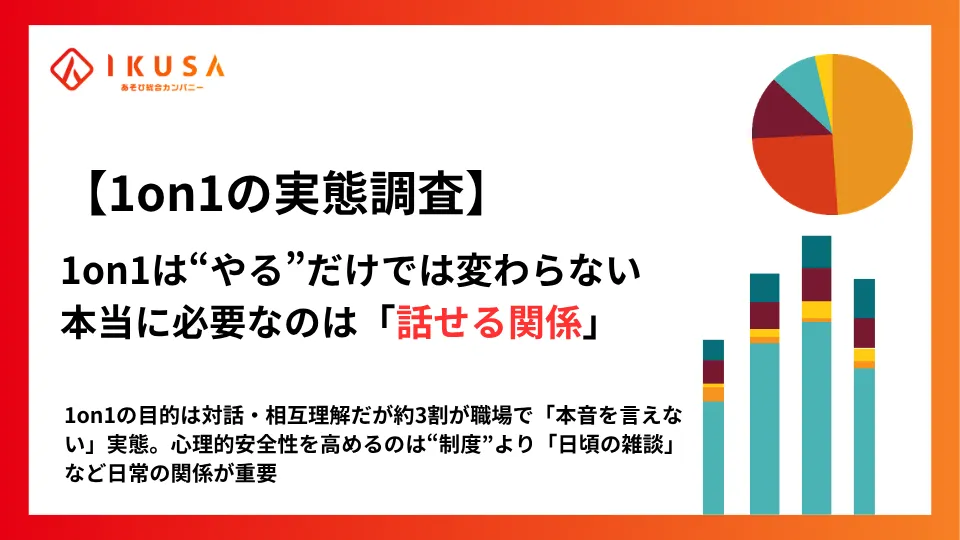
Enhancing Workplace Communication: The Role of 1on1 Meetings and Psychological Safety
Enhancing Workplace Communication Through 1on1 Meetings
In a recent study conducted by IKUSA Inc., a Tokyo-based company specializing in experiential events, the dynamics of 1on1 meetings within workplaces have come under scrutiny. This research, which surveyed 400 general employees, aimed to uncover the realities surrounding leadership, psychological safety, and the effective implementation of 1on1 meetings.
Key Findings of the Survey
The findings highlight the current state of 1on1 meeting practices:
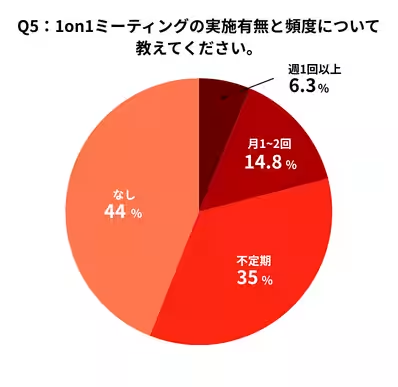
- - Only 21.0% of employees reported regularly scheduled 1on1 meetings, while a staggering 44.0% indicated that no meetings occur at all.
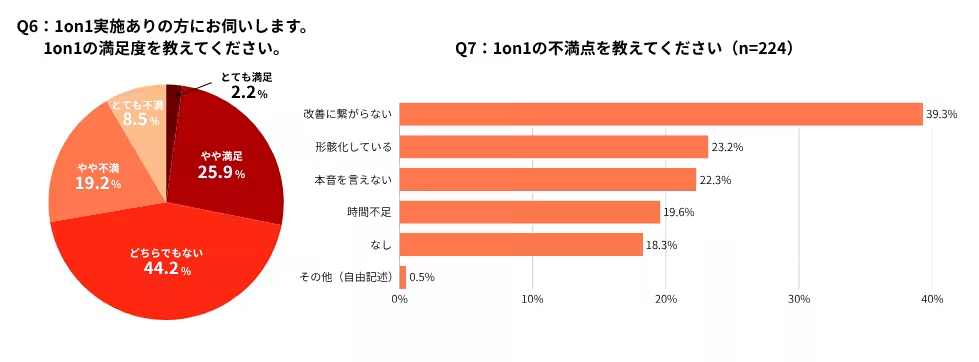
- - Satisfaction with these meetings is low, with only 28.1% of respondents feeling content with their 1on1 sessions. A major point of dissatisfaction (39.3%) was that these meetings did not lead to any improvements.
- - Moreover, roughly 60.8% of employees who do not participate in 1on1 meetings expressed that these sessions are unnecessary.
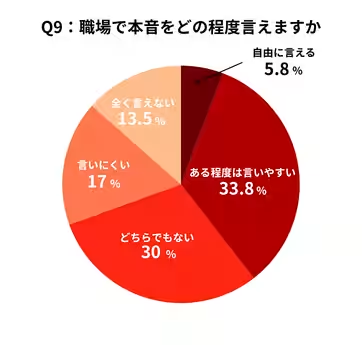
Another significant revelation is that about 30.5% of employees feel uncomfortable expressing their true opinions at work, showcasing a lack of psychological safety that is crucial for effective communication.
The Importance of Relationships
The essence of 1on1 meetings lies in fostering dialogue and mutual understanding between managers and their teams. However, the survey indicates that a significant portion of employees—about 30.5%—struggle to share their honest thoughts in the workplace environment.
Without a foundation of trust and open communication, simply scheduling meetings fails to enhance dialogue. Effective 1on1 sessions hinge not on the mere act of holding them, but rather on the establishment of a communicative relationship between those involved.
The Role of Everyday Interactions
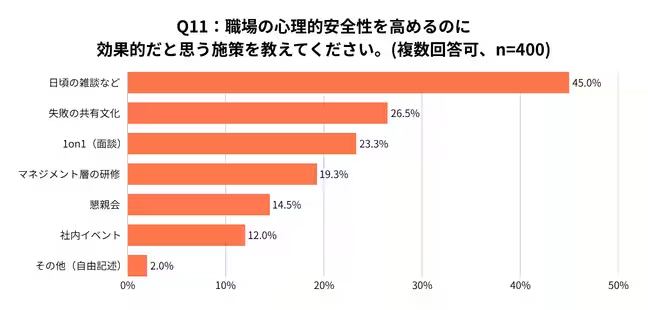
Interestingly, the survey shows that the most effective method of enhancing psychological safety in the workplace is through informal, everyday conversations, with 45.0% of respondents favoring this approach. This suggests that casual communication among colleagues can significantly improve interpersonal dynamics more effectively than formalized meeting structures.
Furthermore, fostering an environment where employees can freely engage in discussions and share feedback is essential for making 1on1 meetings genuinely productive.
Building a Communicative Culture
The survey also suggests that 1on1 meetings can easily become superficial if not integrated into a culture of open communication. It is crucial for organizations to focus on the development of relationships that encourage candid dialogue rather than merely enforcing meeting schedules.
For instance, experiential activities during social gatherings, such as ranking battles or collaborative puzzle-solving events, can create opportunities for natural conversations that bridge hierarchy within teams. These interactions can significantly contribute to a more cohesive work environment.
In a follow-up survey conducted with participants from company events, 70.8% noted that they felt more comfortable discussing issues and ideas post-event, while 91.6% reported gaining insights into their colleagues’ personalities and perspectives.
Conclusion: Moving Towards Authentic Communication
The findings from IKUSA’s survey underscore that instituting 1on1 meetings is not sufficient to foster a communicative and understanding work environment. For such meetings to flourish, they must be supported by a culture that values open and honest dialogue. Building trust and promoting interactive relationships is essential for creating a solid foundation that encourages effective communication.
As organizations seek to implement effective 1on1 meetings and other dialogue initiatives, they cannot overlook the importance of nurturing a workplace where employees feel safe and valued.
For more information about IKUSA and its initiatives, please visit IKUSA.jp.
Topics People & Culture)


【About Using Articles】
You can freely use the title and article content by linking to the page where the article is posted.
※ Images cannot be used.
【About Links】
Links are free to use.