



The Role of Generative AI in Education: Insights from Teachers on Student Learning and Challenges
The Impact of Generative AI in Education: Teacher Insights
In a recent survey conducted by AlSagar Partners, a Tokyo-based company focused on digital transformation (DX) in education, significant insights into the role and impact of generative AI within the educational landscape have been revealed. The study surveyed 328 educators across Japan, exploring how students utilize generative AI and the corresponding changes this has brought to the teaching profession.
The Rise of Generative AI in Classrooms
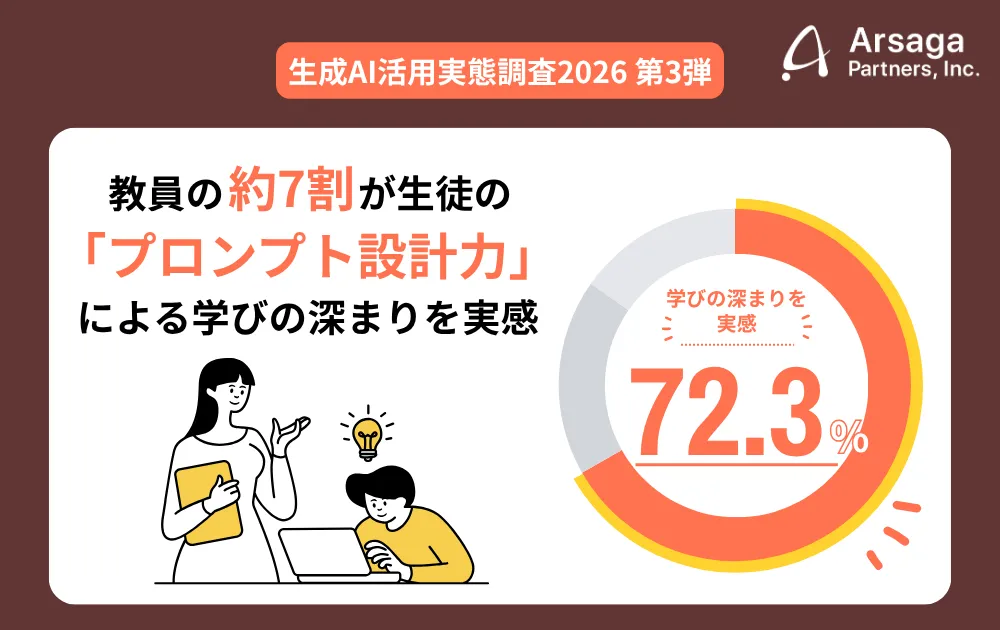
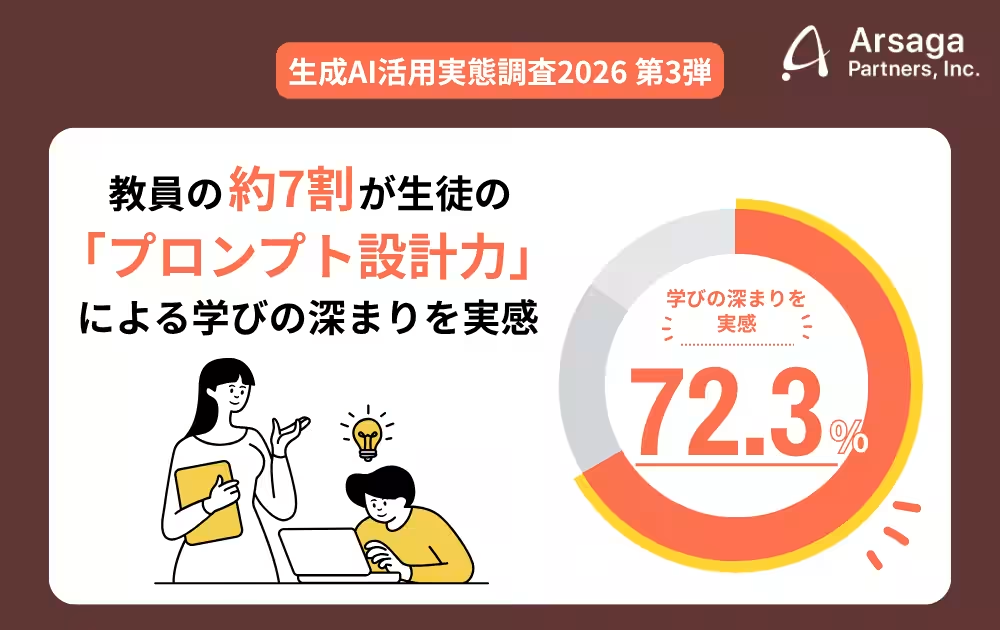
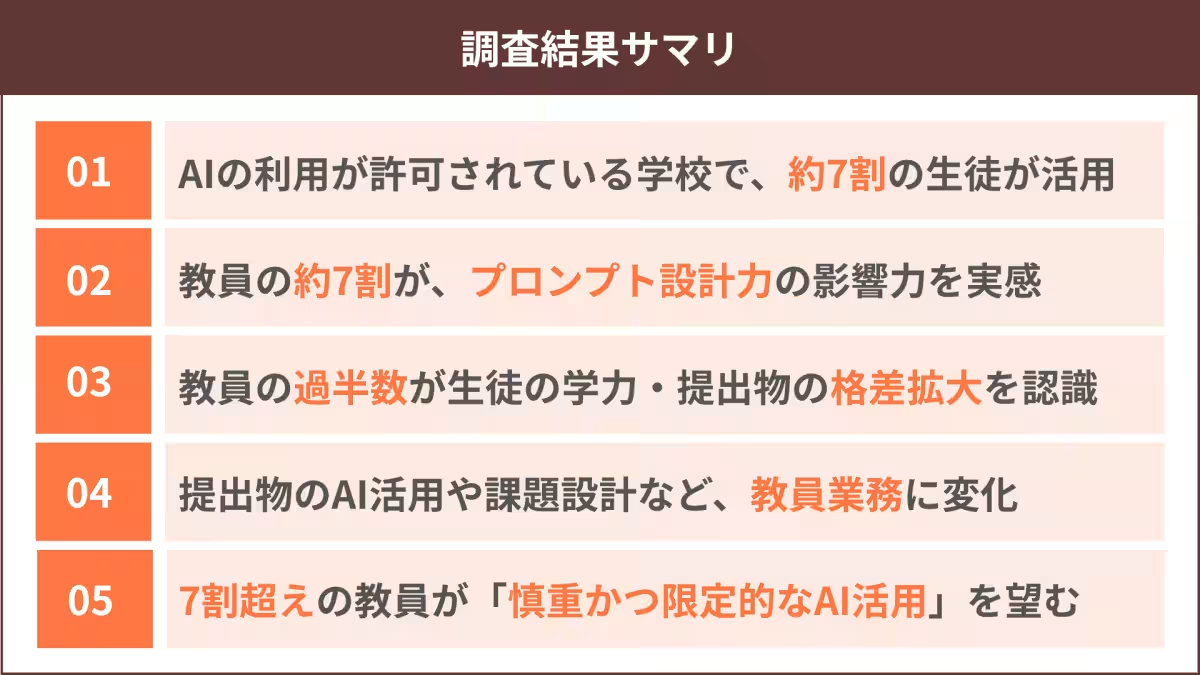
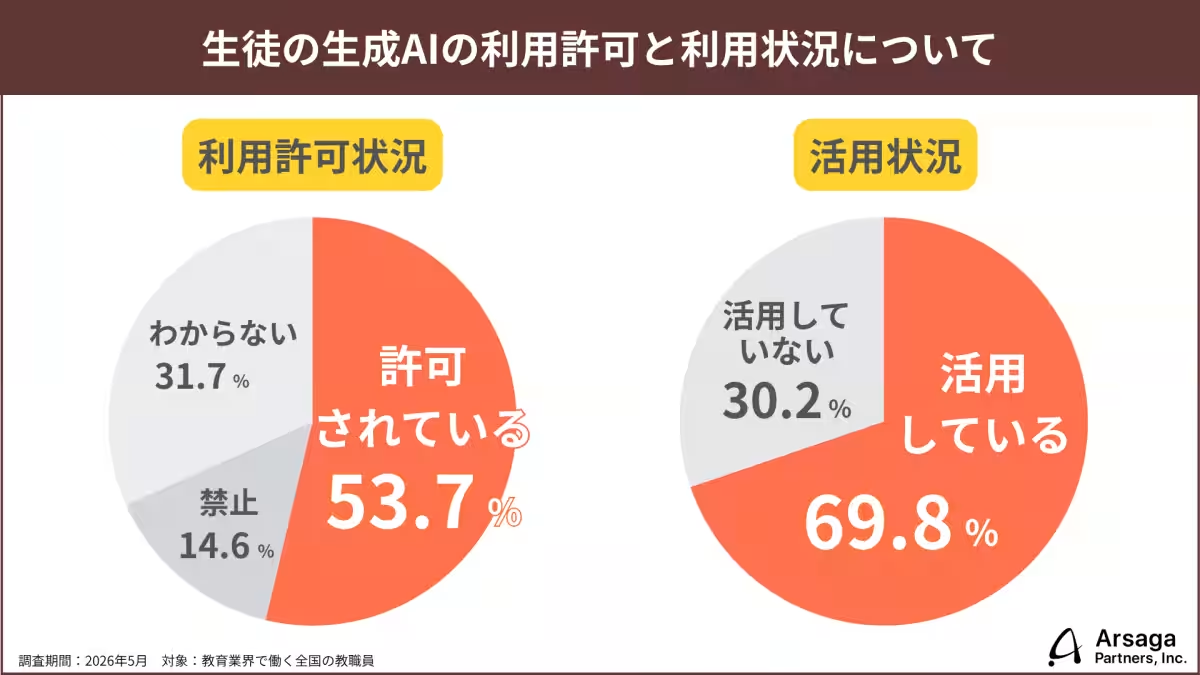
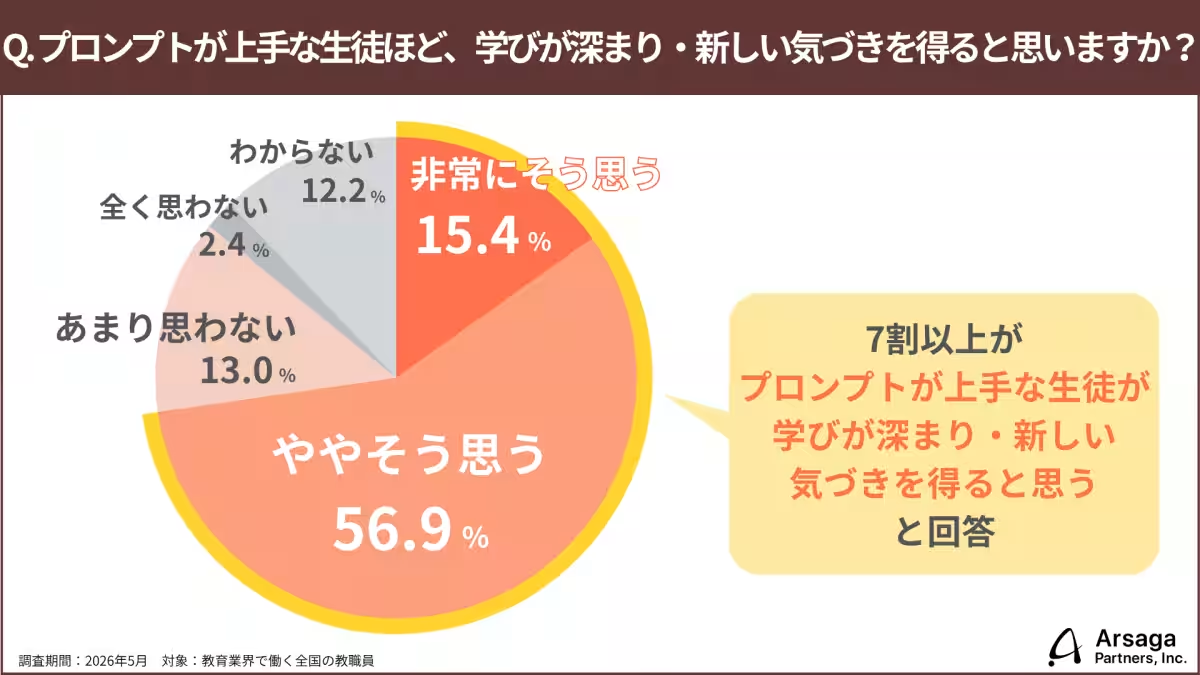
The findings indicate that around 70% of teachers feel that students are deepening their learning through skills associated with prompt designing, which refers to the way students structure their inquiries to AI. Notably, 53.7% of educators reported that their schools officially permit the use of generative AI, and among these schools, 69.8% of students actively use AI as a learning tool. This widespread acceptance suggests that generative AI tools are becoming integral to the educational experience, particularly in institutions embracing progressive technology.
Learning Gaps Amidst the AI Boom
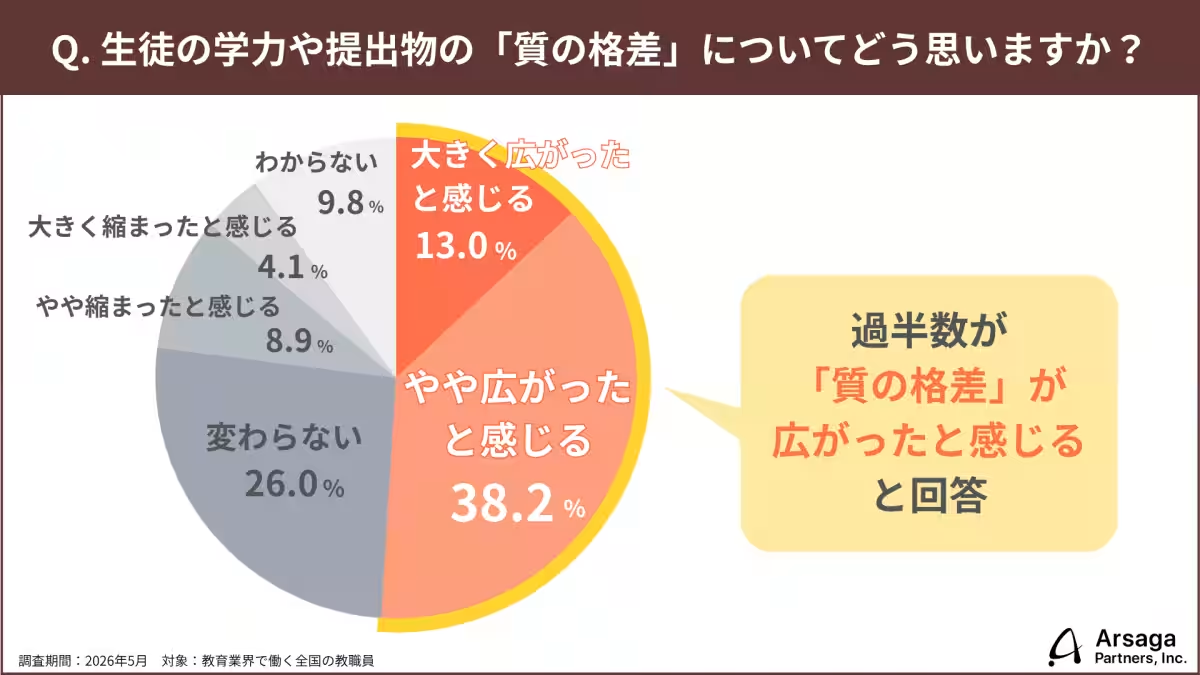
While a significant portion of the teaching staff acknowledges the benefits of AI in enhancing student learning, 51.2% of teachers also recognize a widening gap in the quality of academic work and overall academic performance. According to the survey, more than half of the educators observed that as generative AI finds its place in the educational toolkit, disparities in student capabilities have become more pronounced. The ability to craft effective prompts appears to play a crucial role in determining the depth of students' understanding and the quality of their submissions, creating new challenges for equality in learning opportunities.
Changes in Teacher Workloads
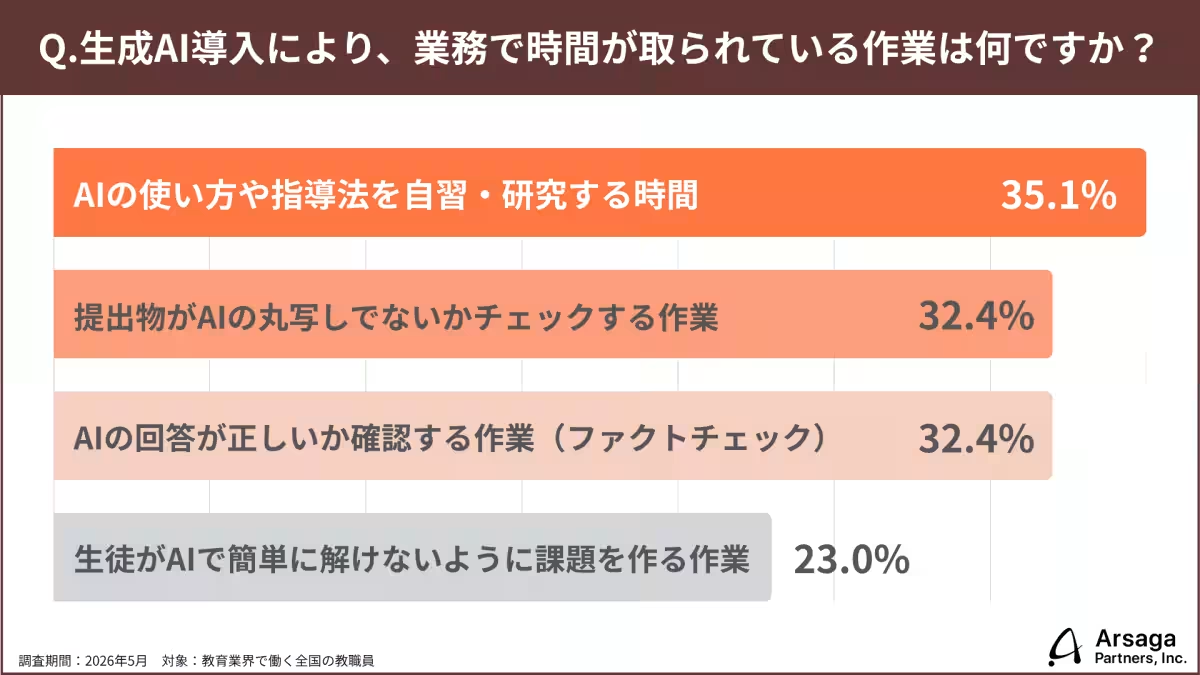
As educators adapt to the increasing integration of AI, they find themselves dedicating considerable time to understand and navigate new challenges. A staggering 35.1% of educators reported that significant hours are spent mastering generative AI usage and teaching methodologies. Furthermore, 32.4% of teachers also focused on verifying student submissions to ensure they aren't fraudulent or overly reliant on AI responses. The transformation of teaching roles raises questions about the evolving responsibilities of teachers in light of technological advancements and the need for sufficient training and resources.
Future Directions for AI in Education
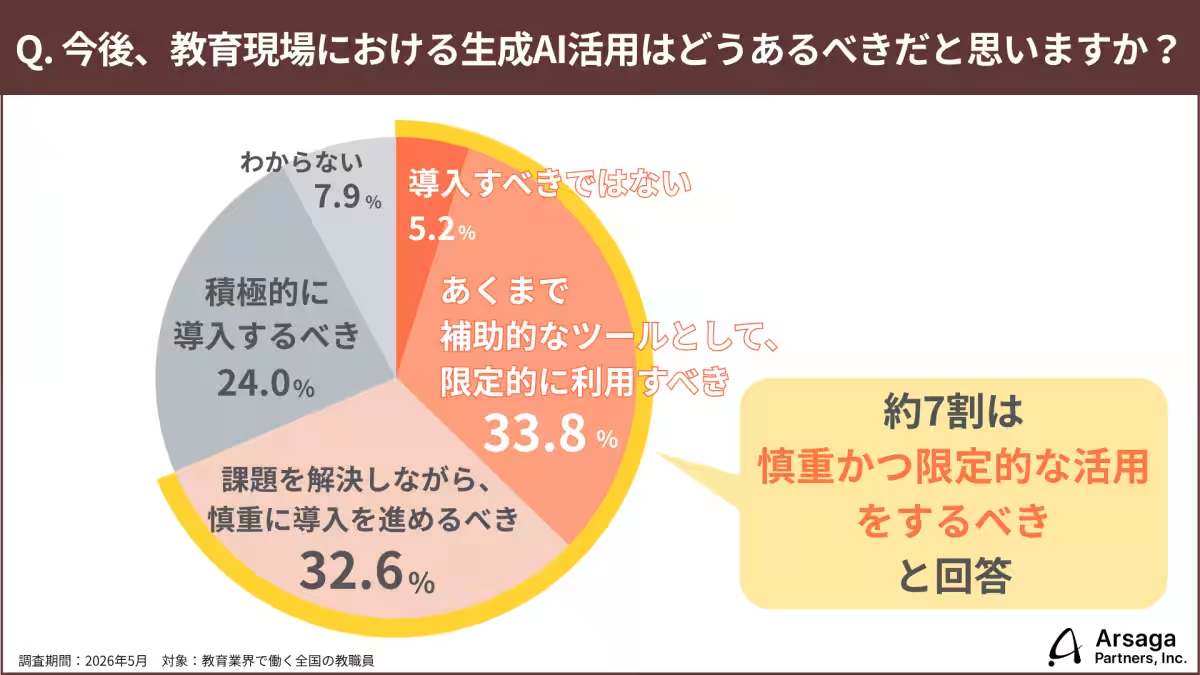
Despite the clear recognition of the potential of generative AI, most teachers exhibit caution regarding its extensive application in educational settings. Over 71% of educators expressed a preference for a careful and limited adoption of AI tools, indicating a strong desire to proceed thoughtfully rather than with unbridled enthusiasm. Teachers strive to foster a balance where AI serves as a supplementary aid without replacing foundational educational practices.
As generative AI continues to evolve, educators emphasize the need for comprehensive support systems that address pressing issues such as academic disparity while promoting beneficial classroom experiences. Initiatives like AlSagar Partners' educational generative AI tool, AI+Me, highlight the importance of creating secure, user-centered AI solutions that facilitate a nurturing learning environment while easing the burden on teachers.
Conclusion: Navigating the Future of AI in Education
The insights gleaned from this survey underscore a transformative moment in education as generative AI becomes more prevalent in classrooms. While it holds the promise of enriching student learning, it also necessitates careful attention to the growing challenges that accompany its adoption. The need to cultivate students' skills in prompt design, as well as to support teachers in adapting their pedagogical strategies, emerges as essential for realizing the full potential of AI in education. Thus, together with innovative technologies, a commitment to addressing educational disparities and enhancing instructional methods remains paramount for the path ahead.


Topics Other)

【About Using Articles】
You can freely use the title and article content by linking to the page where the article is posted.
※ Images cannot be used.
【About Links】
Links are free to use.