


Glico and Konoike Transport Launch Japan's First Refrigerated Fuel Cell Truck
Introduction of Japan's Pioneering Refrigerated Fuel Cell Truck
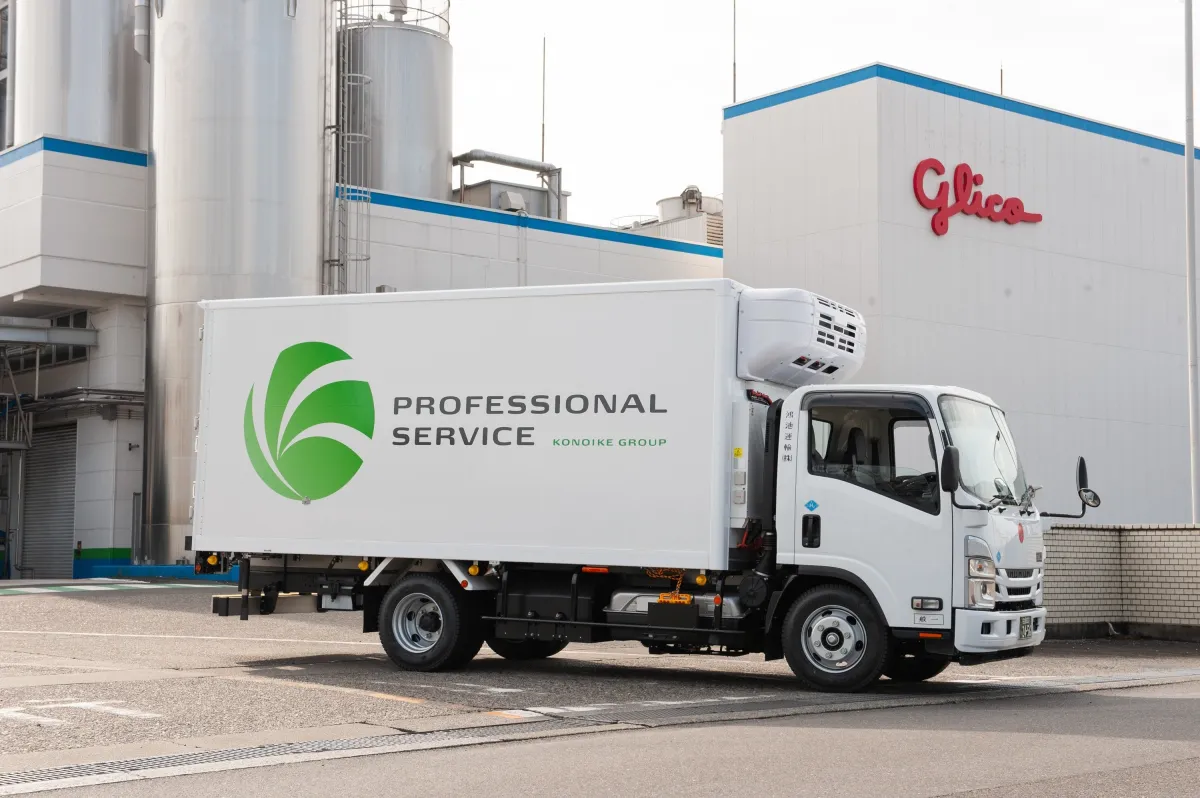
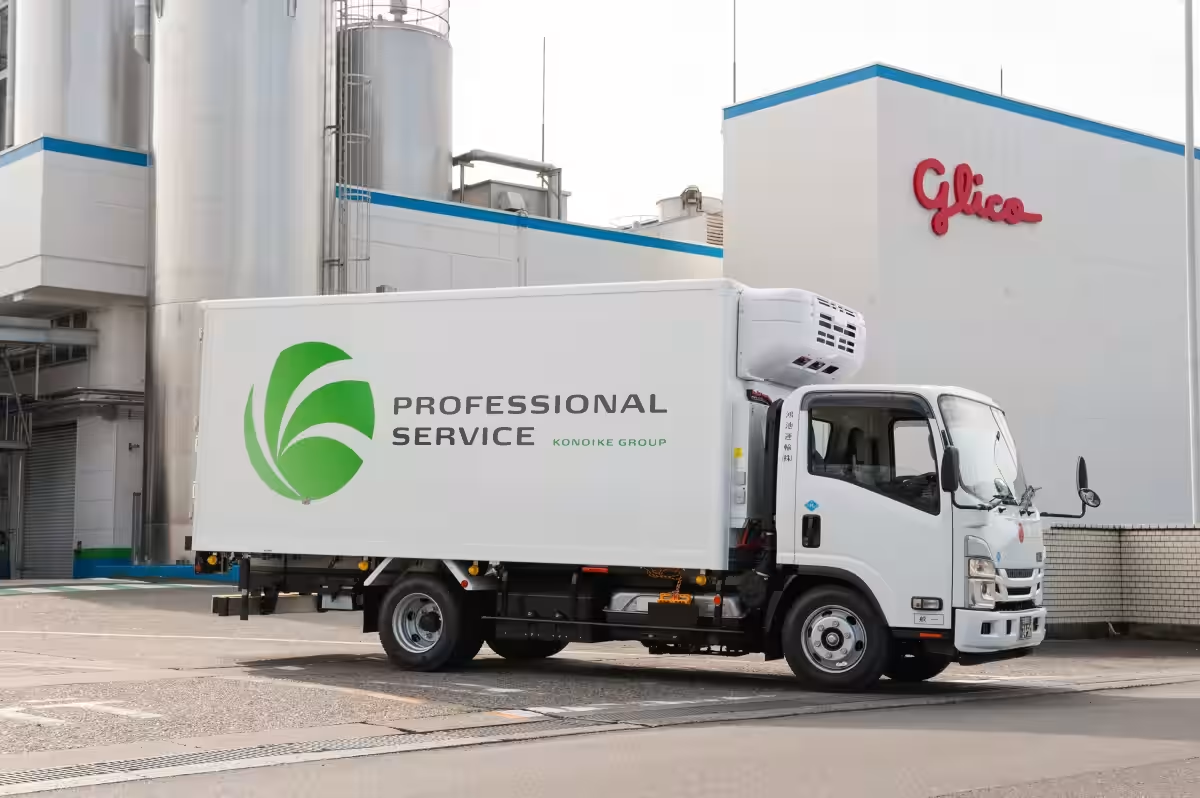
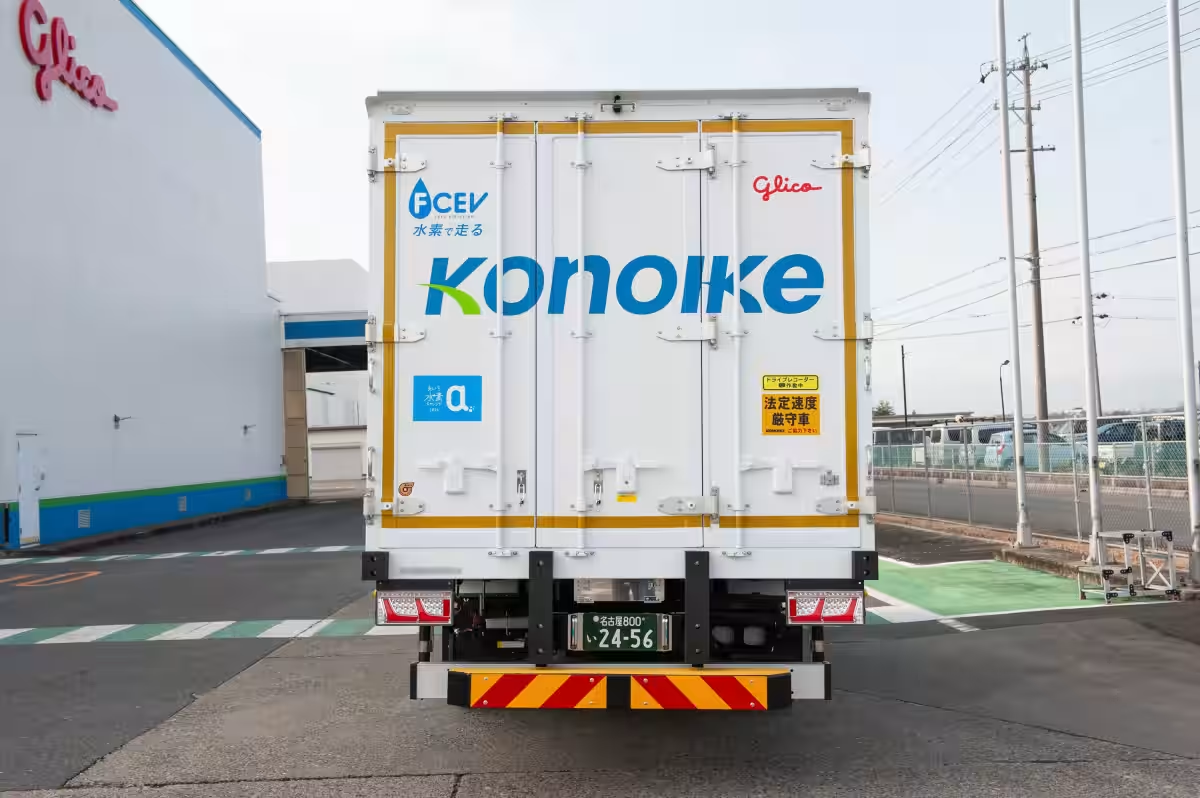
In a groundbreaking move for the dairy industry, Glico and Konoike Transport have joined forces to launch the first refrigerated fuel cell electric vehicle (FCEV) in Japan. Officially operational from January 20, 2026, this innovative vehicle is set to transform logistics in the dairy sector. Manufactured at Glico's Gifu factory, it will deliver school milk to local elementary schools, contributing to a more sustainable future.
Significant Environmental Impact
The FCEV is not your ordinary delivery truck. Equipped with a refrigeration function, it is designed to maintain the quality of perishable goods while significantly reducing carbon emissions. Compared to traditional diesel trucks, the new FCEV is expected to cut CO₂ emissions by approximately 29.9 tons annually, promoting cleaner transportation methods. This is particularly important as society increasingly prioritizes environmental sustainability.
Fuel Cell Electric Vehicles produce electricity by harnessing a chemical reaction between hydrogen and oxygen, emitting only water vapor as a byproduct. This means that no harmful substances, such as CO₂ or nitrogen oxides (NOx), are released into the atmosphere, aligning perfectly with local and global emissions reduction goals.
Context and Goals Behind the Initiative
Both Glico and Konoike Transport aim to achieve a zero-emission logistics network, focusing on minimizing environmental impacts across their supply chains. Glico’s mission centers on promoting a sustainable society, and its logistics operations are increasingly guided by this objective. Meanwhile, Konoike Transport is actively advocating for decarbonization within the transportation sector, striving to provide eco-friendly transport services.
The FCEV's noise reduction and low vibration characteristics make it particularly suitable for operation in residential areas and near schools, signaling a commitment to safer and quieter urban environments. The collaboration between the two companies showcases their dedication to fostering a sustainable food logistics system.
Specifications of the New Vehicle
The newly introduced FCEV boasts impressive specifications:
- - Cargo Capacity: 2,750 kg
- - Dimensions: Length - 6.84m, Width - 2.23m, Height - 3.00m
- - Range: Approximately 260 km on a full hydrogen tank
- - Hydrogen Filling Time: Approximately 10 to 15 minutes
- - Maximum Power Output: 109 kW
- - Fleet Size: 1 unit
- - Manufacturer: Isuzu Motors
The truck will operate under a lease agreement with Toyota Finance, ensuring Glico and Konoike can maintain optimal performance.
Push for Hydrogen Energy Utilization
The introduction of the FCEV is part of a broader strategy to promote hydrogen energy usage. Glico has already integrated hydrogen fuel cell forklifts within its Gifu factory and plans to expand hydrogen applications across logistics and supply chains. Furthermore, the facility has installed a hydrogen station that can supply hydrogen to the FCEV truck in emergency situations, ensuring business continuity.
Post-launch, Glico and Konoike will conduct interactive education sessions at the delivery destinations, primarily targeting elementary school students. These sessions will cover the technology behind FCEVs and the benefits of hydrogen energy, fostering awareness and appreciation for sustainable practices among future generations.
Future Prospects
Looking ahead, both companies are committed to exploring further applications of FCEVs. Planned initiatives include:
- - Temperature-Specific Trials: Testing the FCEV's performance across various temperature regimes—refrigerated, frozen, and ambient—to enhance food logistics practicality.
- - Expansion to Larger Vehicles: Assessing the potential for larger FCEV applications and long-distance freight transport is essential for achieving broader zero-emission logistics targets.
- - Educational Outreach: Continuing operations like school education sessions to emphasize the importance of sustainable practices for future generations.
Through these collaborative efforts, Glico and Konoike Transport aim to lead the dairy industry's transition toward a low-carbon society while paving the way for sustainable logistics solutions across multiple sectors.
Topics Consumer Products & Retail)




【About Using Articles】
You can freely use the title and article content by linking to the page where the article is posted.
※ Images cannot be used.
【About Links】
Links are free to use.