



Understanding Breath Odor in Aging Individuals: Causes and Solutions
Understanding Breath Odor in Aging Individuals: Causes and Solutions
A recent survey conducted by Aogumi Inc., a company based in Suginami, Tokyo, has shed light on the common concerns surrounding breath odor among individuals aged 40 and over. This survey highlights the growing prevalence of breath odor issues, particularly as people age and experience lifestyle changes. Such transformations can significantly affect the oral environment, increasing the risk of halitosis (breath odor). This article delves into the findings of this survey and explores the root causes and potential solutions for managing breath odor during the aging process.
Survey Overview
The survey, titled "Changes in Breath Odor and Dry Mouth Associated with Aging," was performed over a two-day period from March 25 to March 26, 2026. Conducted using the PRIZMA online platform, it gathered responses from 1,028 dental professionals, including dentists and dental hygienists. This research aims not just to present statistics but to provide valuable insights to navigate the challenges faced by older adults concerning oral health.
Common Concerns among Dental Professionals
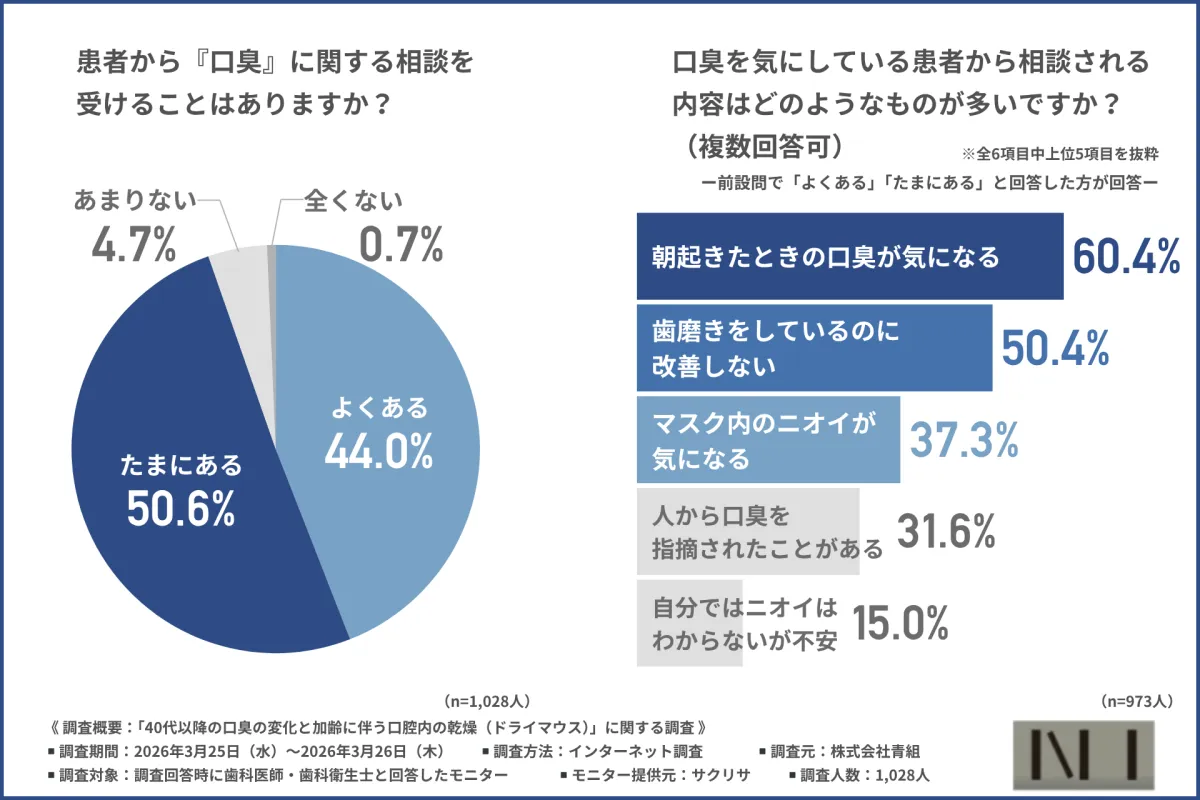
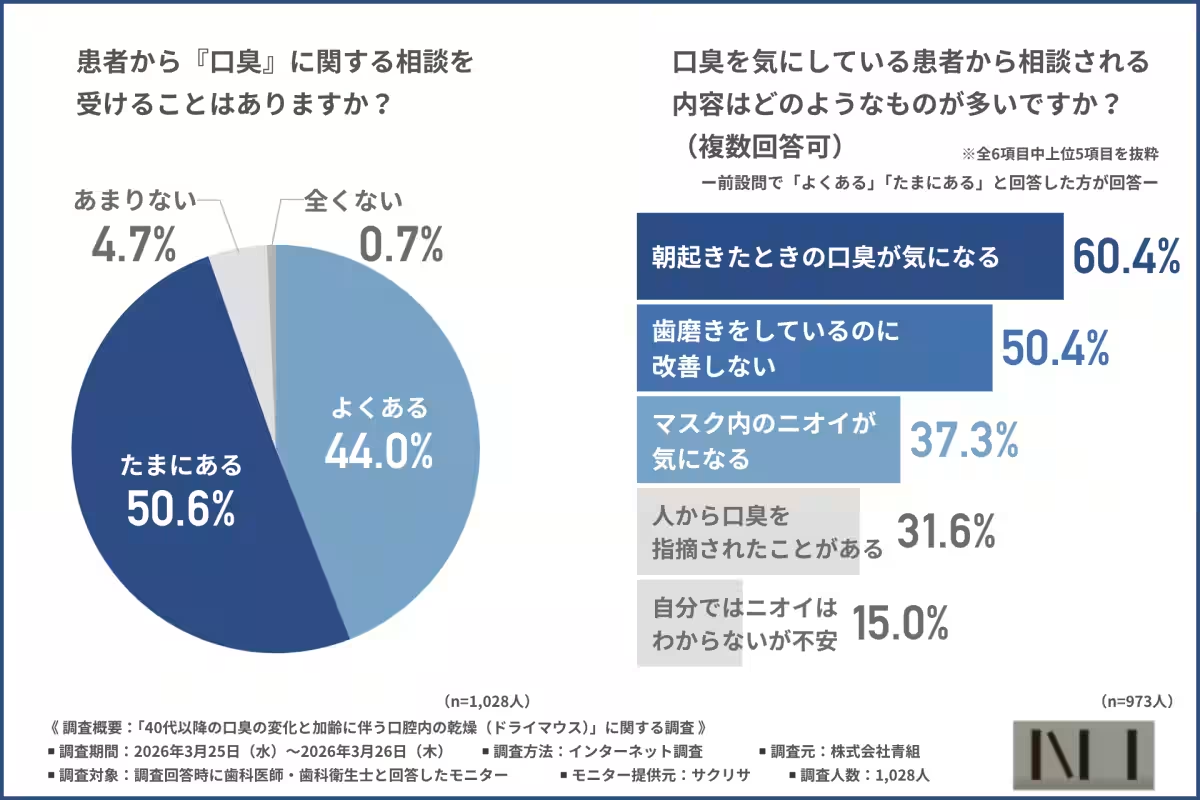
When asked if they often receive inquiries related to breath odor, more than 90% of respondents confirmed receiving such questions from their patients. Specifically, 44% reported these consultations as frequent, while 50.6% noted they occur occasionally. The inquiry revealed that many patients express specific concerns, with the most common being halitosis upon waking (60.4%). This is followed closely by concerns over ineffective oral hygiene practices, where patients feel their breath doesn’t improve despite regular brushing (50.4%).
These findings underscore that a significant portion of patients might not be aware of the underlying problems affecting their oral health as they age, highlighting the need for increased awareness and understanding in managing breath odor effectively.
Rising Breath Odor Risks with Age
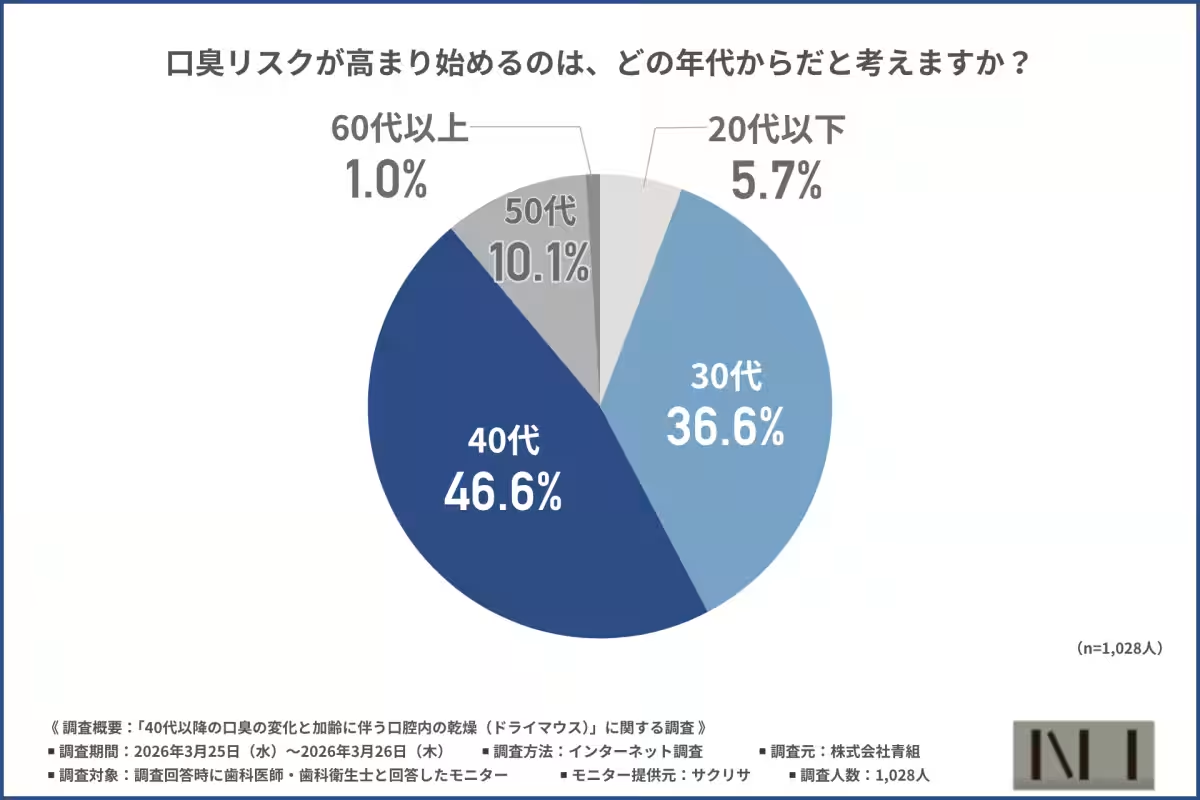
Interestingly, when participants were asked about the age range where they perceive a notable increase in breath odor risk, 46.6% identified the 40s. Additionally, 36.6% pointed to individuals in their 30s. This suggests that dental professionals recognize the 30s to 40s as a pivotal period where individuals are most susceptible to breath odor issues, primarily due to physiological changes and increasing prevalence of conditions like gum disease and dry mouth.
Key Causes of Breath Odor in Older Adults
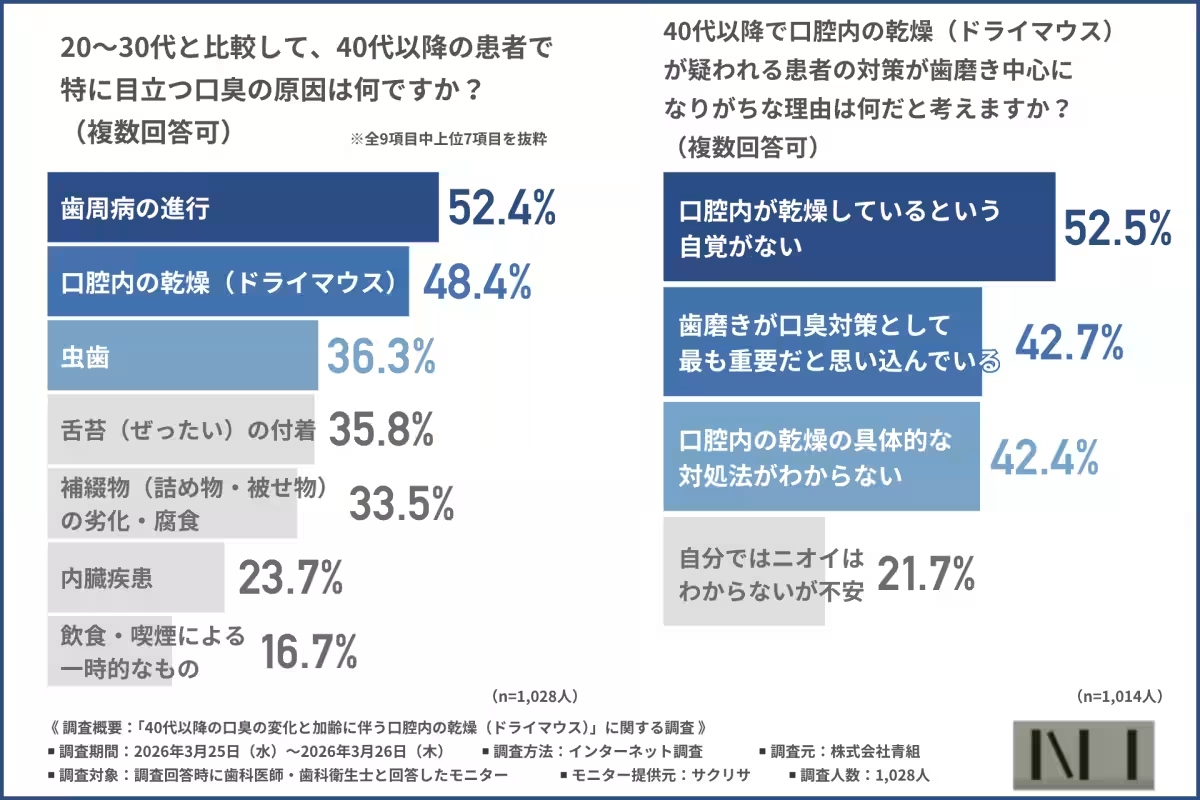
Among the most cited reasons for increased breath odor in individuals aged 40 and older are the progression of gum disease (52.4%) and the issue of dry mouth (48.4%). Dental professionals emphasize that these issues are often compounded by the misconception that regular brushing alone can mitigate the problems caused by aging-related changes in oral environments.
Despite completing proper brushing routines, many patients are unaware that specific conditions, including gum disease and dry mouth, require targeted approaches for effective management.
Lack of Awareness Regarding Dry Mouth
A significant number of patients experiencing dry mouth do not recognize their symptoms, which impacts their breath odor significantly. Over 52% of respondents to a related question indicated that patients often lack awareness of their dry mouth condition, and many believe brushing is the best solution for breath odor (42.7%). This indicates a crucial gap in knowledge and the need for better educational resources in oral care for older adults.
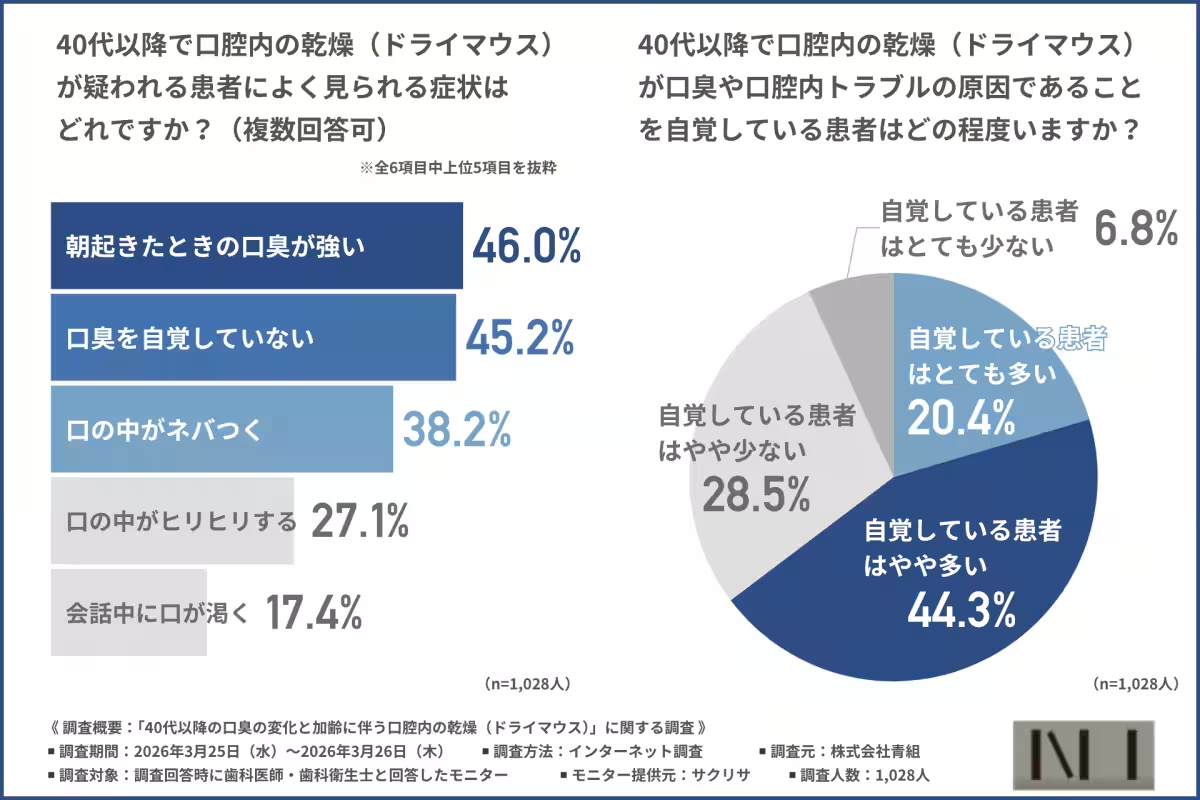
Among those surveyed, many noted the symptoms typically associated with dry mouth, such as strong morning breath or general unawareness of their breath odor, suggesting that older adults may not always recognize the signs of oral issues.
Implementing Effective Oral Care Strategies
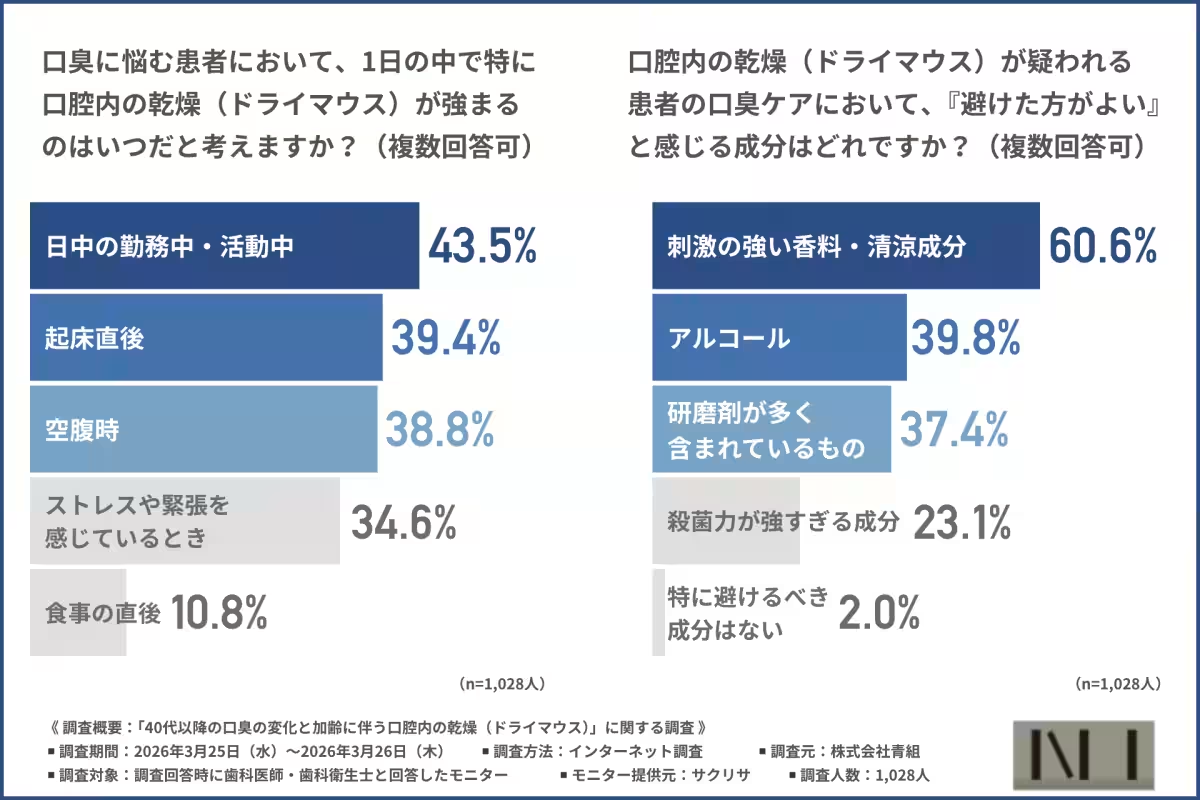
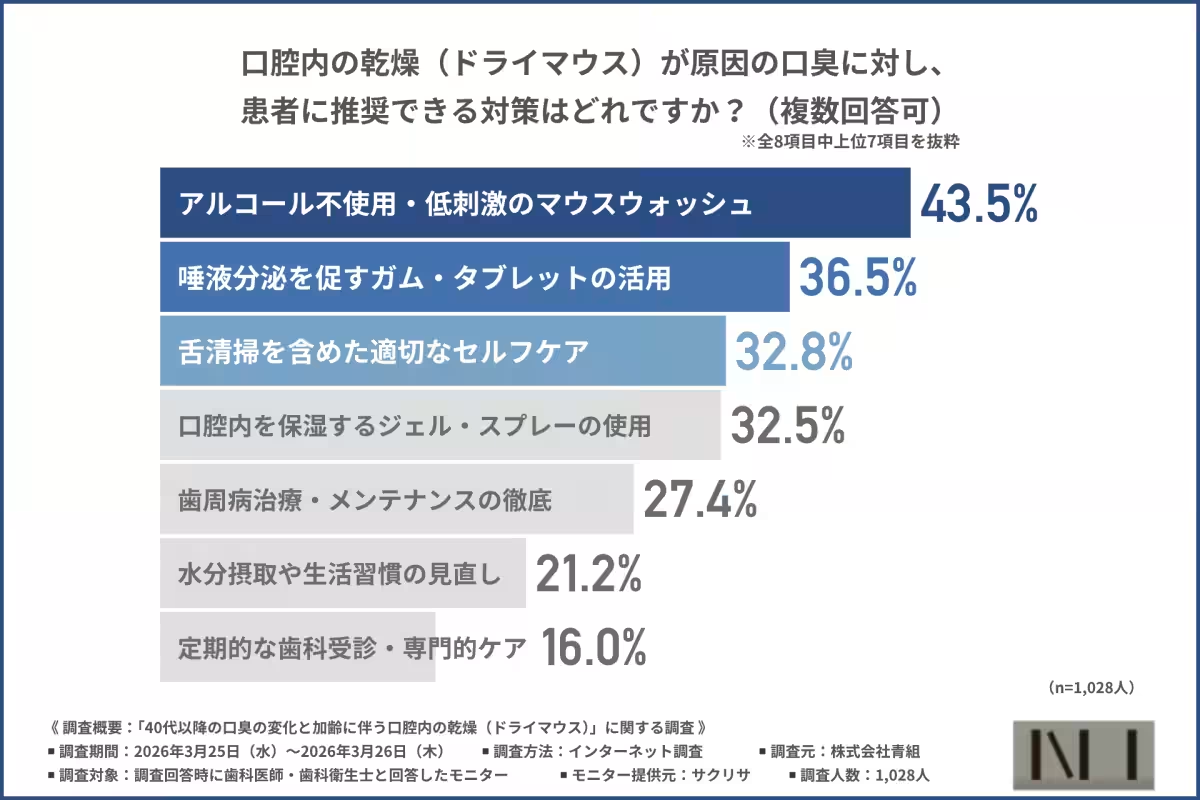
Given the increasing cases of breath odor linked to dry mouth and gum disease, dental professionals advocate for the use of alcohol-free and low-irritant oral care products. A valued suggestion from the survey is using moisturizing mouthwashes free from harsh alcohol or irritating components.
Moreover, maintaining oral hygiene may include introducing saliva-stimulating gum or tablets, and incorporating practices such as tongue cleaning. This multi-faceted approach is seen as essential to not only combat existing breath odor but also to prevent further complications associated with aging oral health issues.
The Role of NI ORAL MIST
To assist individuals struggling with breath odor and dry mouth, Aogumi Inc. offers the NI ORAL MIST. This oral product targets breath odor by addressing common concerns such as dry mouth—an increasingly common issue for adults over 40 due to reduced saliva production.
The lucrative formula includes natural ingredients and avoids alcohol, making it suitable for daily use while ensuring comfort and effectiveness. As highlighted, the NI ORAL MIST provides extensive oral care by focusing not only on odor control but also on maintaining moisture and preventing plaque buildup (through ingredients like grapefruit seed extract and CI-dextrin).
Conclusion
The results from the survey conducted by Aogumi Inc. act as a call to action for both individuals and dental health professionals. Enhancing understanding around the realities of breath odor and dry mouth in adults over the age of 40 is paramount. Educating patients can lead to more comprehensive approaches beyond basic oral hygiene, ensuring they can address these issues effectively. By combining established practices with innovative products like NI ORAL MIST, individuals can promote healthier oral environments and maintain their confidence in social settings.

Topics Health)
【About Using Articles】
You can freely use the title and article content by linking to the page where the article is posted.
※ Images cannot be used.
【About Links】
Links are free to use.