



The Importance of Inclusive Disaster Preparedness Training at Sunshine City
Disaster Preparedness Training at Sunshine City: A Step Towards Inclusivity
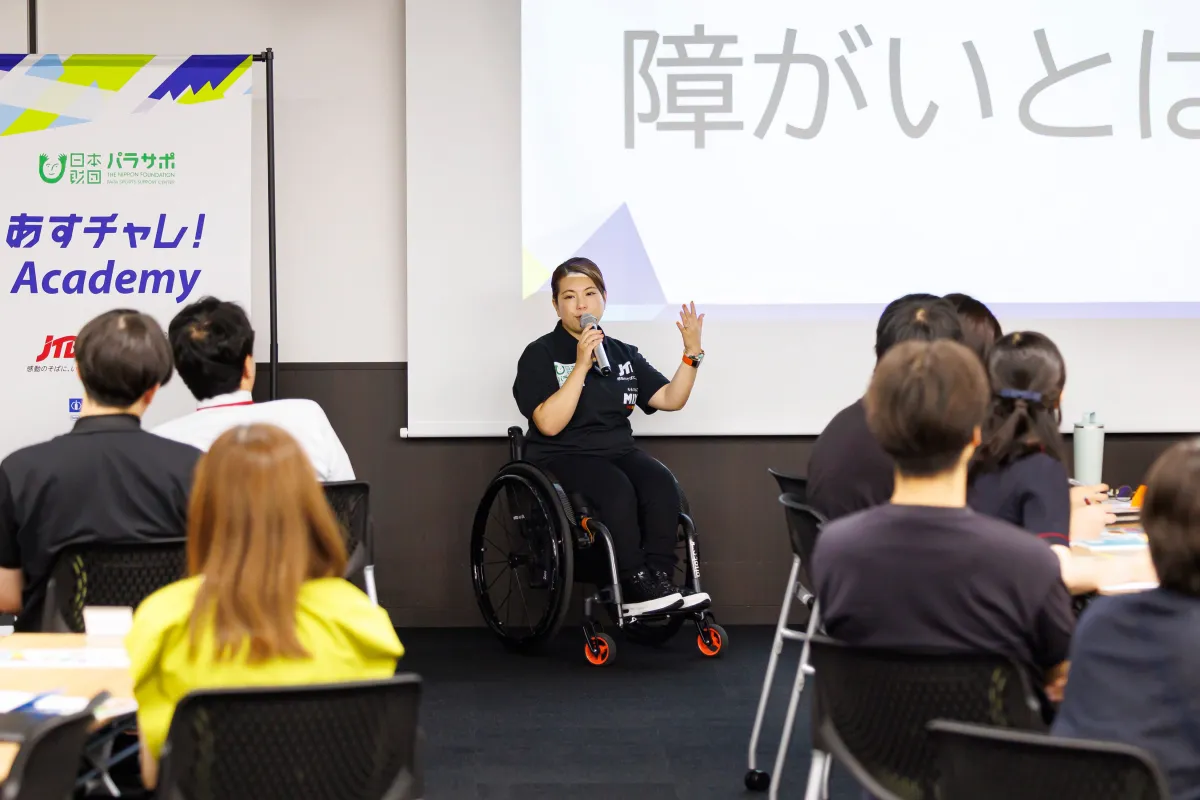
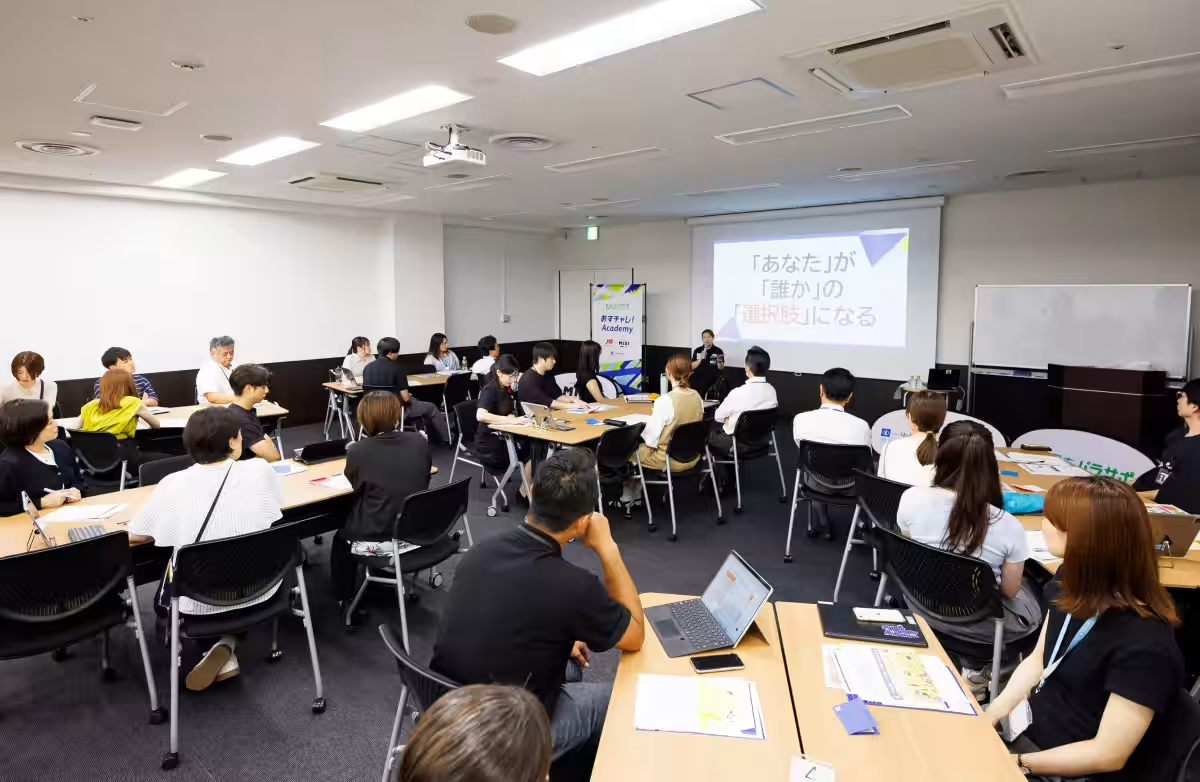
On August 31st, during Disaster Prevention Week, the Japan Foundation Para Sports Support Center, known as Para Support, organized a disaster preparedness training session at Sunshine City in Tokyo. With a footfall of over 30 million visitors each year, Sunshine City aimed to highlight the need for inclusive management during emergencies using the DEI training program, "Asu Challe! Academy."
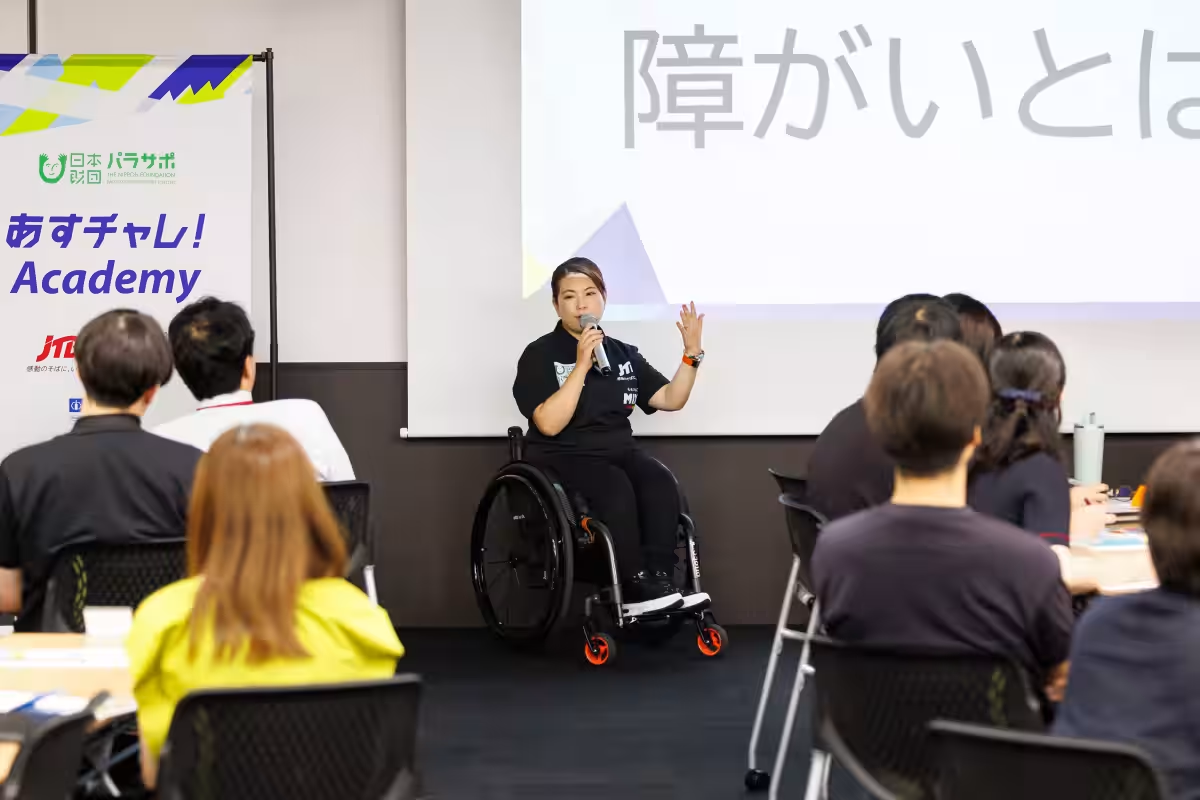
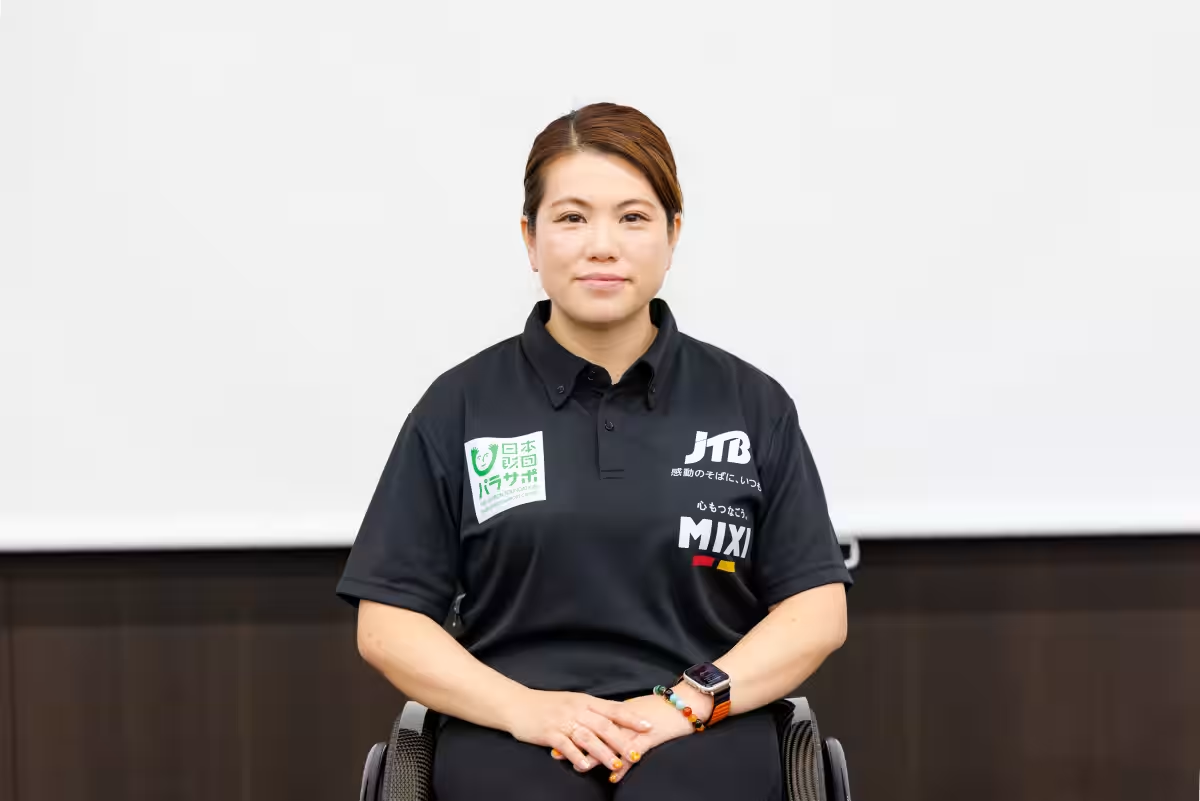
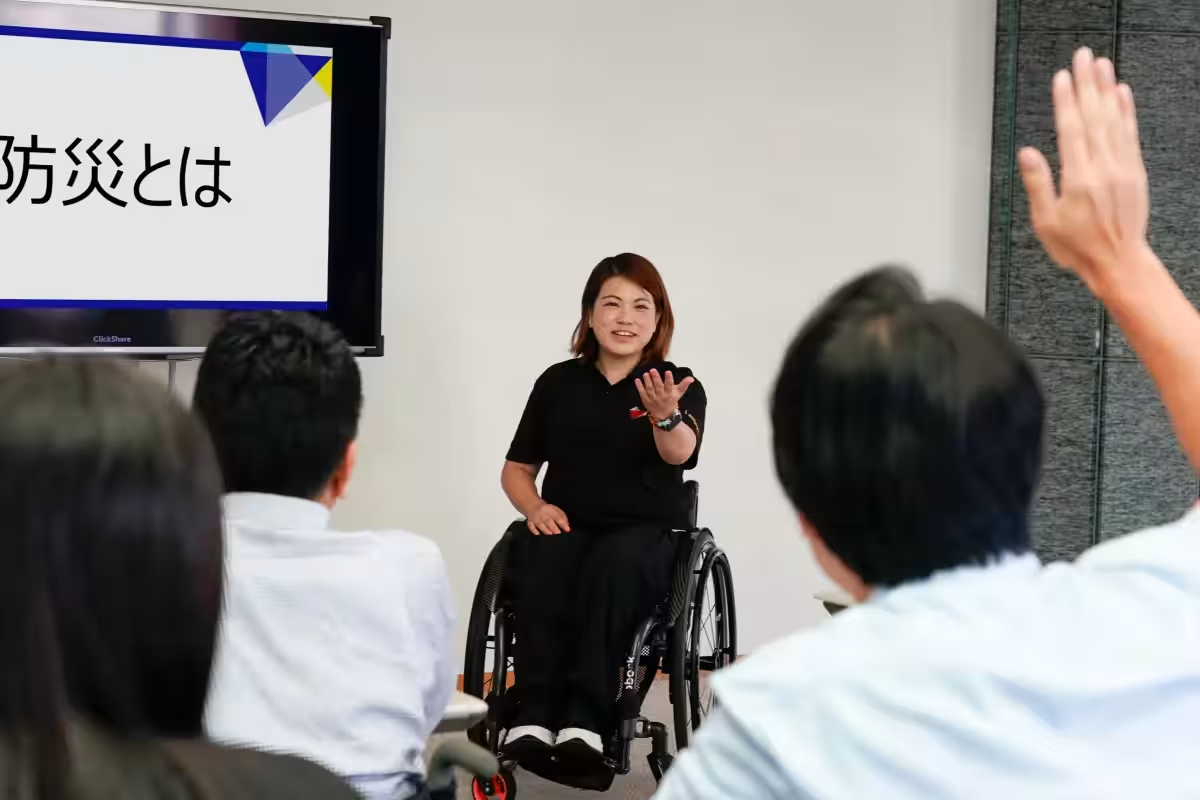
The training session, particularly designed with a disaster response lens, involved a group of 27 staff members from various Sunshine City facilities, including the aquarium and observation deck. The course was led by Eriko Yamamoto, a powerlifting athlete who uses a wheelchair and experienced the 1995 Great Hanshin-Awaji Earthquake. The participants were engaged in group discussions and simulations based on real-life scenarios that could occur during the first 100 hours of a disaster.
Engaging Discussions and Real-Life Simulations
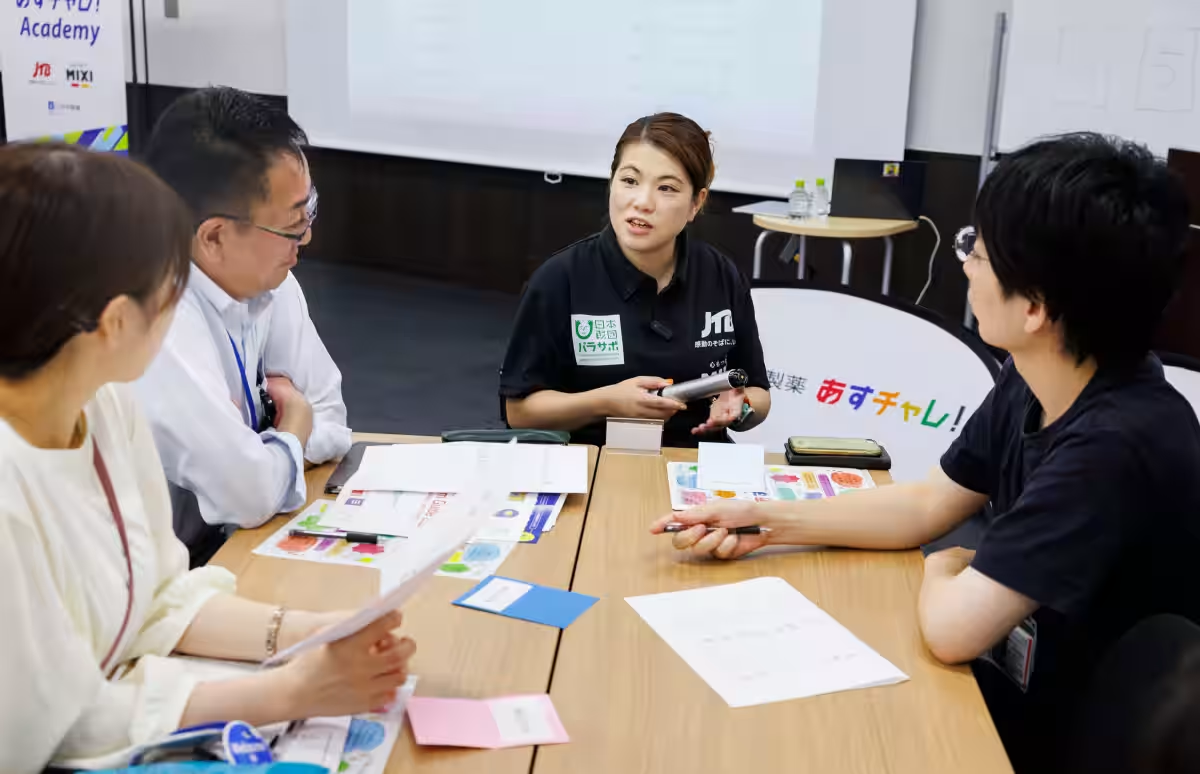
The training emphasized the importance of foresight and empathy in disaster situations. Using the ICF (International Classification of Functioning, Disability and Health) checklist, participants collaborated to visualize the challenges they would face if they were caught in a disaster. They were tasked with addressing specific issues such as accessibility and resource allocation, ensuring that all visitors, including those with disabilities, would have a safe experience.
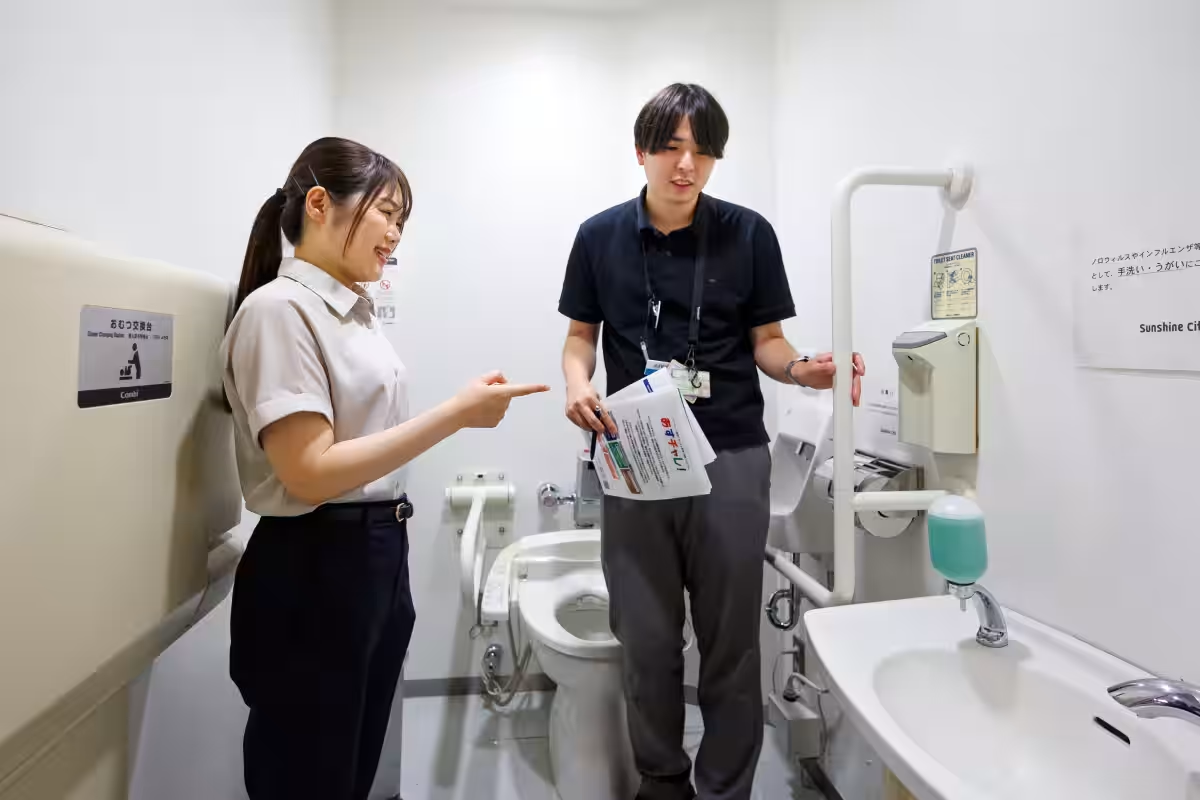
One participant, Mr. Konno from the Sky Guest Communication Department, noted that while there is a priority toilet at the observation deck, simply having one isn’t enough. He emphasized the need for more comprehensive support systems to facilitate access to facilities like restrooms, especially for people with disabilities. His group conducted a hands-on inspection of the restrooms and discussed obstacles, realizing that in unfamiliar venues, locating priority resources would be an initial challenge.
Another participant, Mr. Tamada from the Information Center, highlighted the need for effective communication during evacuations. Recognizing that the existing manuals did not sufficiently cover all users' needs, he reflected on the importance of training staff to ensure individuals using wheelchairs or with visual impairments receive proper assistance.
The Value of DEI in Disaster Management
The introduction of DEI (Diversity, Equity, and Inclusion) training was motivated by a desire to broaden perspectives on disaster preparedness. Ms. Kubo, Chief of the Communication Department at Sunshine City, explained that for several years, they have conducted workshops on reasonable accommodations for various abilities. However, they sought a program that would effectively integrate these lessons into their operational procedures. Participating in the free trial session of the DEI-focused disaster training was pivotal in shaping their approach.
During the training, it became evident that understanding and accommodating diverse needs is essential for comprehensive disaster planning. Participants recognized that appreciating varying requirements—for instance, from pregnant women, elderly visitors, or international tourists—fosters a deeper connection and preparedness within the community.
The facilitator, Eriko Yamamoto, echoed similar sentiments, expressing that the impact of such inclusive training sessions promotes collaboration and understanding within organizations. She emphasized the importance of treating disaster management as a collective responsibility, noting that expanding the framework of inclusivity ultimately enhances survival options for everyone involved.
Promoting a Culture of Preparedness
Looking ahead, Sunshine City aims to incorporate lessons learned from this training into their broader disaster response strategy. Kubo indicated that outings and simulations will bring what they learned back to daily operations, ensuring that the standards established during training persist in practice.
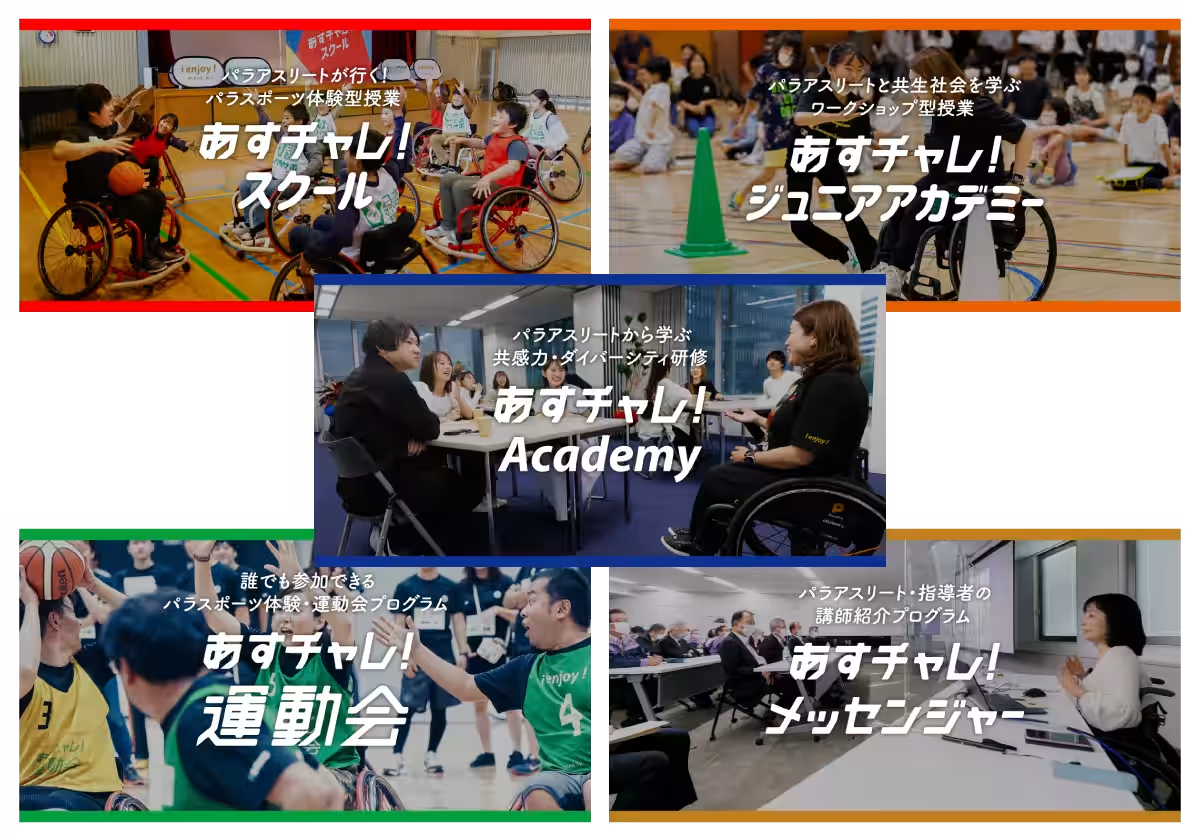
The Asu Challe! Academy focuses on promoting a culture of readiness by equipping workers and communities with knowledge and practical tools to ensure that no one is left behind in emergencies. The training program, which successfully started in 2016, continues to set the stage for ongoing learning and development for all involved.
A Call to Action
In conclusion, the recent DEI training at Sunshine City underscores the critical need for inclusive disaster preparedness. As organizations and communities, our goal should be to ensure that every person, regardless of ability, feels empowered, informed, and prepared for any disaster situation. Through collaboration, education, and compassion, we can build safer, more resilient environments for all.


Topics Policy & Public Interest)







【About Using Articles】
You can freely use the title and article content by linking to the page where the article is posted.
※ Images cannot be used.
【About Links】
Links are free to use.