


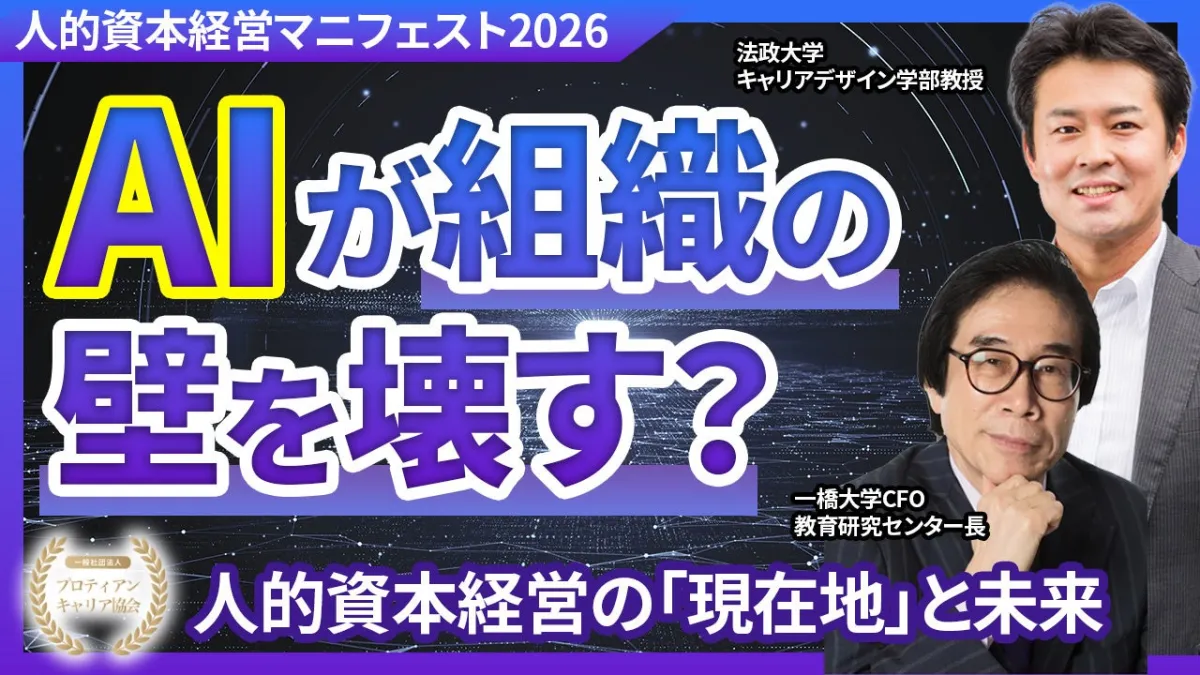
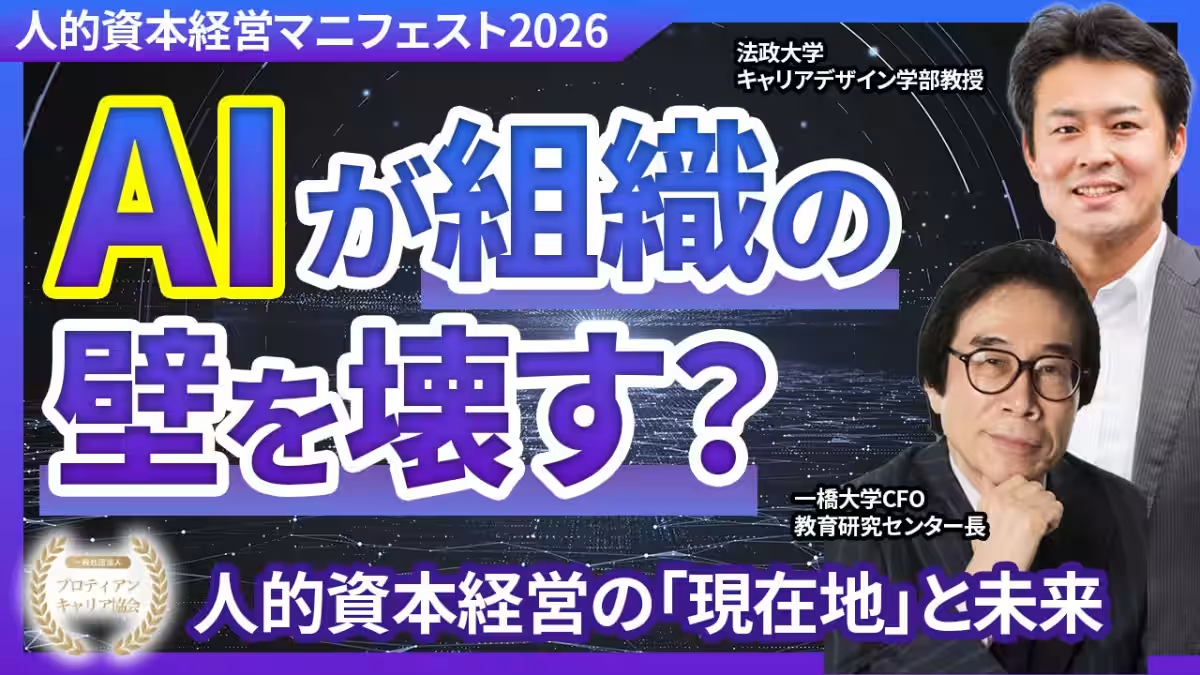
Breaking Down Organizational Barriers with AI in Human Capital Management: Insights from Kunio Ito and Kenji Tanaka
Breaking Down Organizational Barriers with AI in Human Capital Management
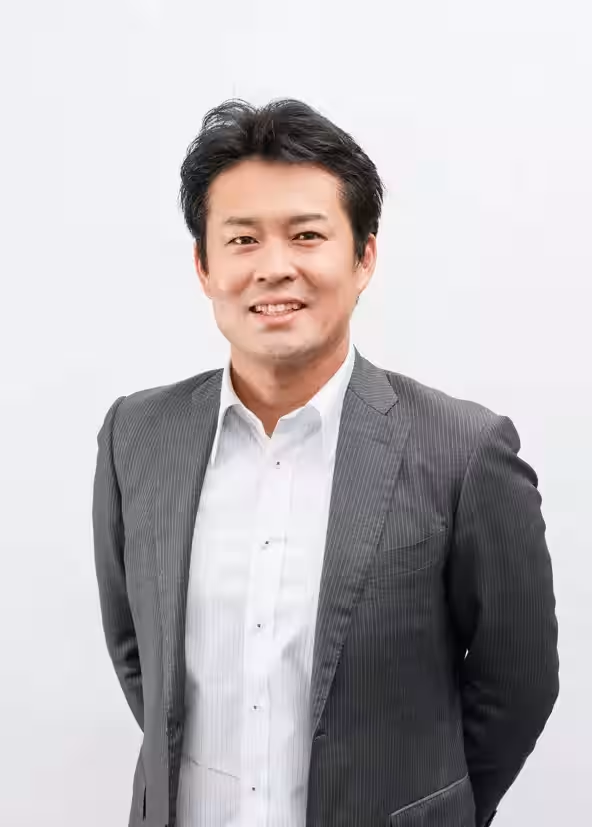
The recent online discussion featuring Kunio Ito of Hitotsubashi University and Kenji Tanaka, a professor at Hosei University, delves into the ongoing transformation of human capital management (HCM) spurred by advancements in AI and shifting organizational paradigms. Hosted by the Protean Career Association, this compelling conversation sheds light on pivotal themes that organizations and individuals face as they navigate the evolving landscape.
Transition from Disclosure to Practice in Human Capital Management
The 2026 Human Capital Management Manifesto conference was significant in its call to action, signaling a shift from merely disclosing human capital data to effectively implementing strategies that enhance the value and outcomes of personnel. The dialogue underscored the necessity for companies to look beyond structural setups and focus on harnessing individual talents and motivation on the ground level. Ito and Tanaka articulated the distinction between regulatory compliance versus meaningful engagement with human capital practices.
Rethinking Organizational Boundaries
AI's rapid evolution is redefining traditional organizational structures. Gone are the days when departments, job titles, and tenure determined the flow of information. The experts discussed how AI enables a more integrated approach, allowing previously isolated insights to connect across boundaries, leading to a potential reconfiguration of what constitutes an organization. Furthermore, such transformations raise critical questions about the hierarchical frameworks traditionally relied upon. Organizations are encouraged to adopt a holistic view that fosters collaboration across teams and levels.
The Rise of Career Capital in a Fluid Employment Landscape
In an age where lifelong employment is no longer the norm, the emphasis now lies on individuals cultivating 'career capital.' Tanaka highlighted that people must take charge of their learning and experiences, continuously accumulating and updating their value in the labor market. The concept of the 'Protean Career' emerged as a key takeaway, encouraging individuals to adapt and evolve proactively in response to changing market conditions. By engaging in this concept, professionals can navigate through career challenges with agility and foresight.
A New Approach to HR and Management Integration
The discussion crystallized a critical insight: human capital management isn't solely a function of the HR department. Instead, it is integral to overarching business strategies. Companies are urged to closely align their management objectives with talent strategies. This intertwined approach has been demonstrated in successful case studies where businesses achieved enhanced value by prioritizing human capital in their operational frameworks.
The Importance of Continuous Learning and Development
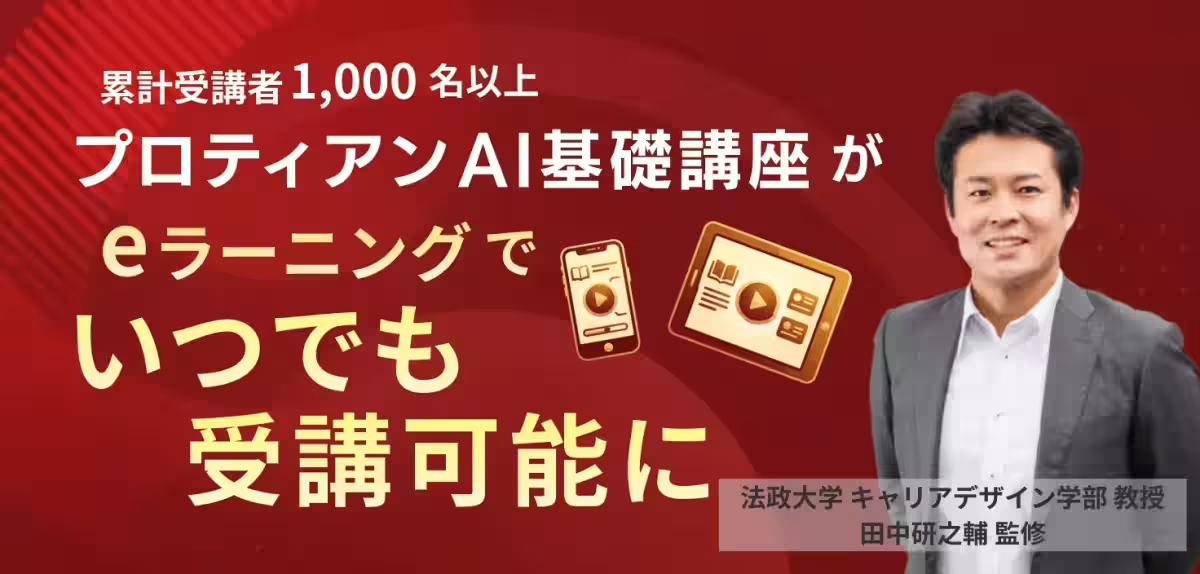
As the need for continuous personal and professional development becomes ever more pronounced, organizations must prioritize learning culture. The Protean Career Association is actively creating educational pathways, such as the 'Protean Career AI Basics Course,' designed to elevate knowledge in career development within the context of AI advancements. This course provides essential training for HR professionals, managers, and anyone looking to refine their career strategy in this dynamic environment.
Conclusion: Navigating the Future of Human Capital Management
The insights offered during this online event reflect a broader trend of rethinking how we manage talent. With AI at the forefront, the integration of technology into human capital practices promises to enhance organizational effectiveness and employee satisfaction. By fostering a culture of collaboration and continuous improvement, both companies and individuals can thrive in the new employment landscape. To view the archive of this enlightening session, follow the link to register for free.
Further Information
This discussion encapsulates foundational strategies that organizations must adopt as they step into a future characterized by unprecedented change and innovation in human capital management.
Topics People & Culture)



【About Using Articles】
You can freely use the title and article content by linking to the page where the article is posted.
※ Images cannot be used.
【About Links】
Links are free to use.