



Financial Awareness Among Senior Women: Trends in Spending and Investment in 2026
Insights on Senior Women's Financial Attitudes in 2026
HaruMeku's Living Well Research Institute has conducted a survey focusing on the financial behaviors and attitudes of senior women aged 55 to 79 in Japan. The findings indicate a noticeable increase in satisfaction regarding spending habits and investment activities compared to previous years, particularly amidst the challenges of rising inflation.
Key Findings
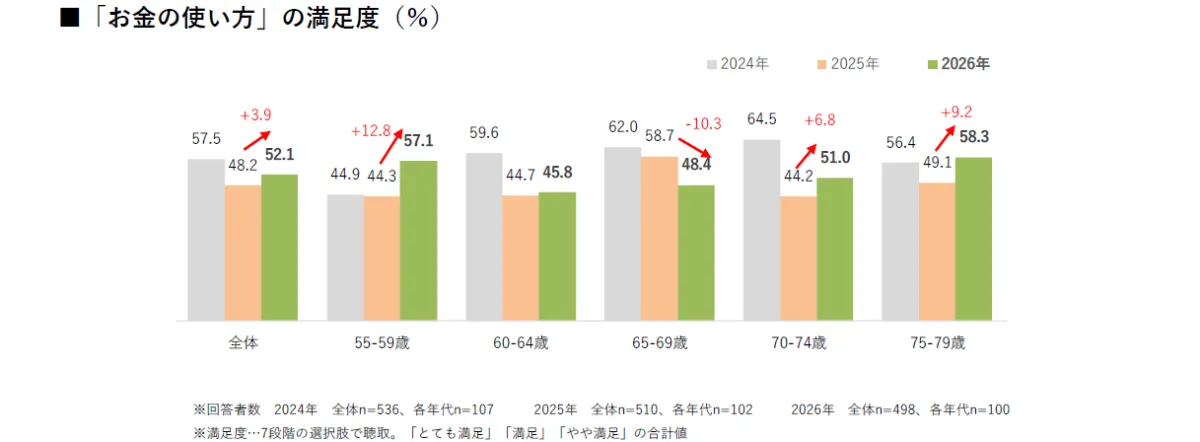
The survey revealed an approximately 4-point increase in satisfaction with spending habits compared to 2025, with 52.1% of respondents expressing positive feelings about their financial management. Despite the inflationary environment leading to a heightened desire to cut back on spending, the satisfaction with spending on clothing, accessories, and beauty treatments has seen a decline.
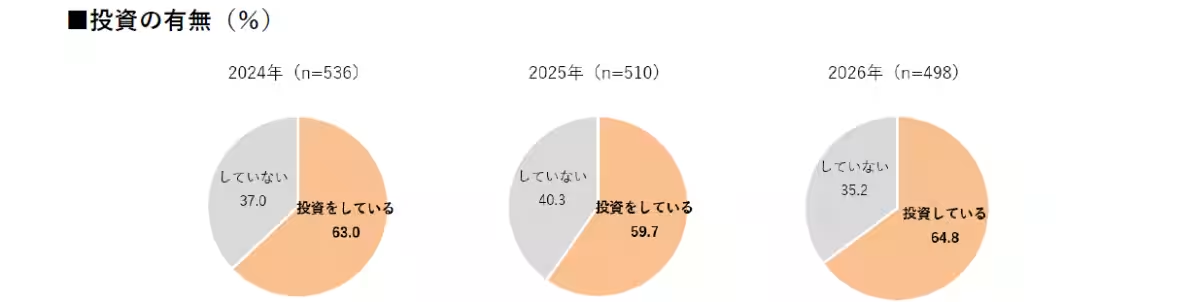
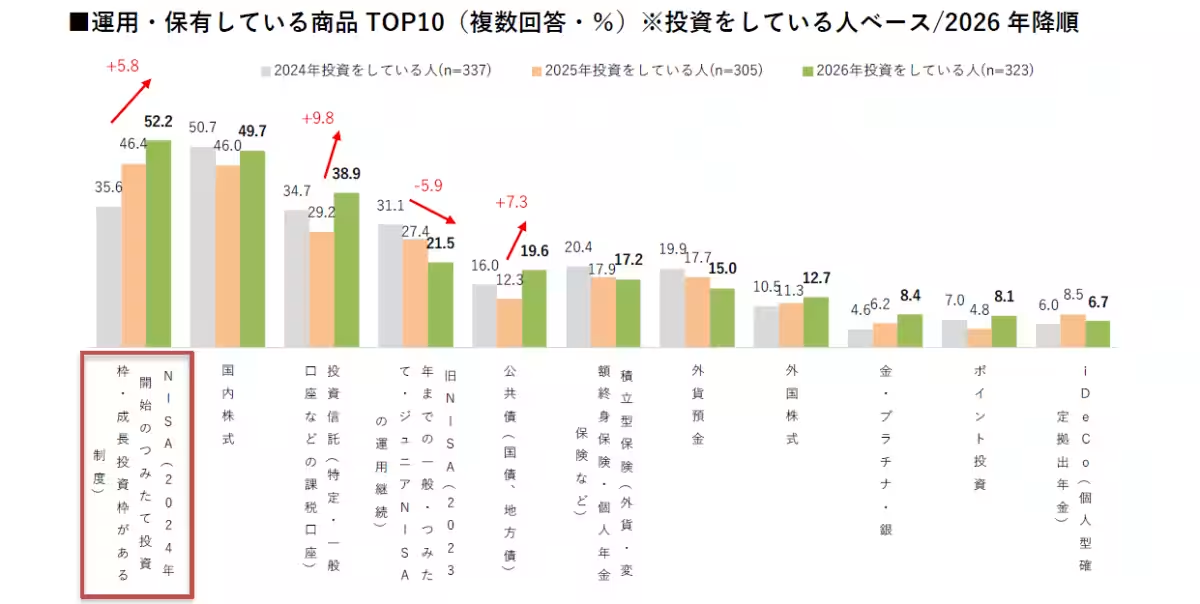
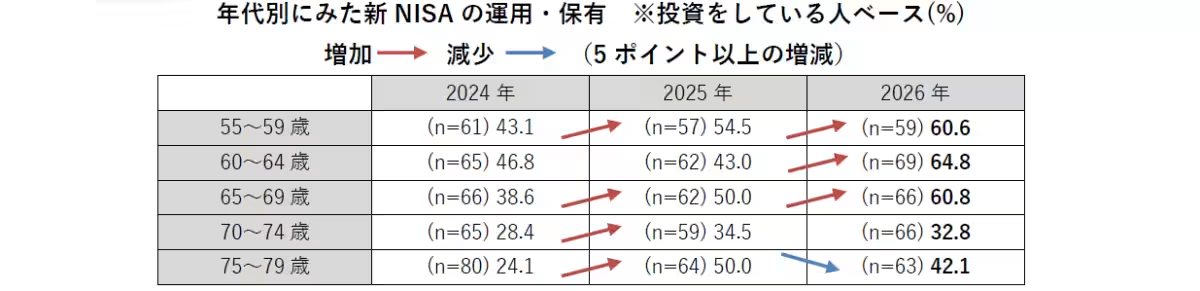
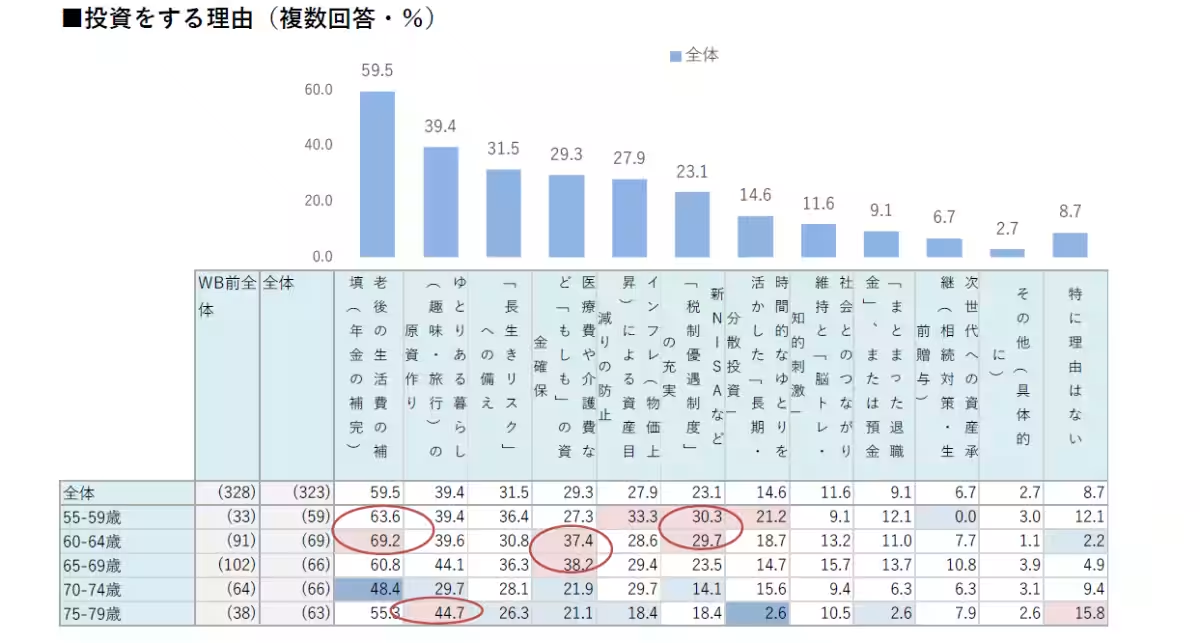
In terms of investment, the willingness to invest has surged by about 5 points since 2025. Notably, there has been significant uptake in new NISA accounts among those in their 50s and 60s. Women cite reasons such as supplementing retirement income and funding hobbies or travel as primary motivators for their investment decisions.
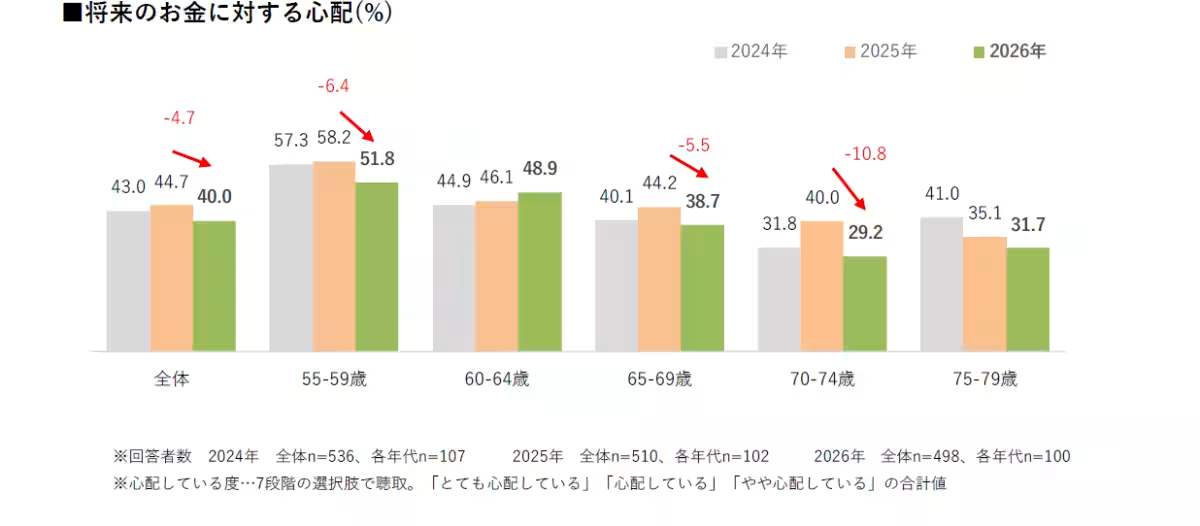
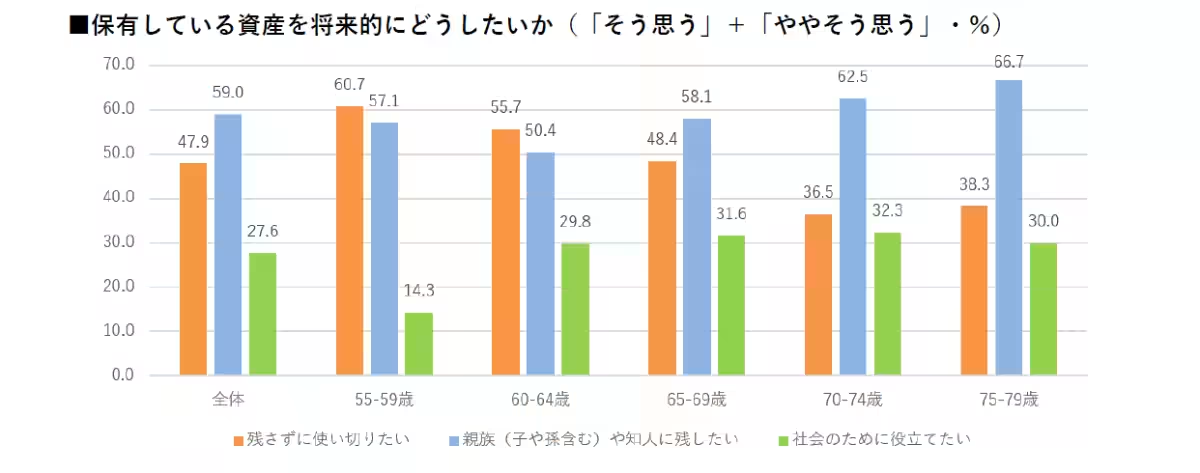
Additionally, concerns about future finances have decreased among respondents, with many expressing a desire to pass on their assets to family or friends. Interestingly, this trend shifts among those aged 55-64, who are increasingly inclined to spend their savings rather than leave them behind for others.
Understanding Spending Satisfaction
The reasons senior women revealed for their satisfaction with spending varied significantly by age group. For those in their 50s, the ability to control expenses and savings was a common theme, while those in their 70s articulated that the freedom to spend money on their preferences contributed to higher satisfaction levels.
In contrast, dissatisfaction often stemmed from a conflict between the desire to spend and the impetus to save, particularly among women transitioning into retirement or those still managing family expenses.
Consumption Patterns
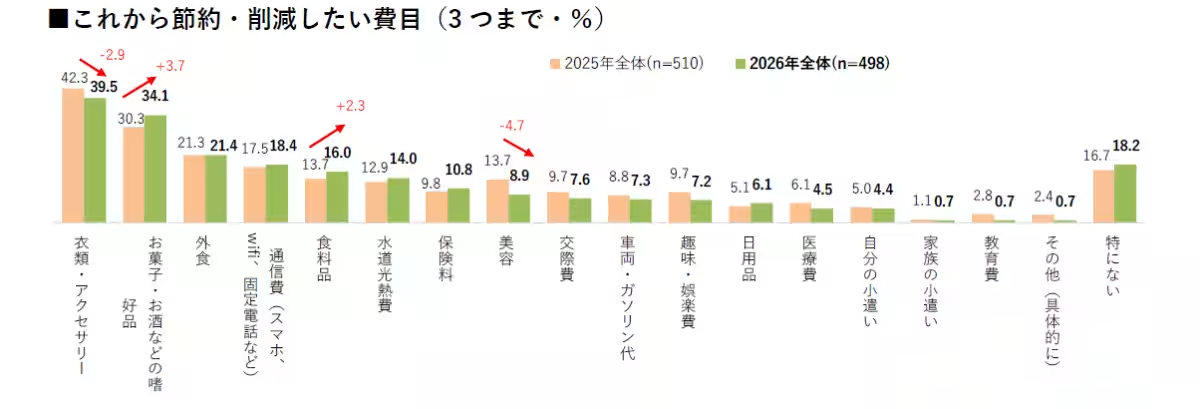
When it comes to spending cuts, clothing and accessories continue to top the list of expenditures that senior women wish to reduce, though this desire has decreased by 2.9 points. Notably, spending on confectionery and other luxury items has risen.
Investment Trends
With 64.8% of respondents now actively investing, the survey highlights an upward trend from 2025. The new NISA has shown significant popularity, particularly among women aged 55 to 69. Furthermore, investment motivations have shifted towards securing funding for leisure activities and ensuring financial stability in retirement.
Participants in the study expressed a determination to enjoy their lives now rather than hoard wealth for the future. This marks a significant cultural shift in the perception of financial management among women over 50, indicating a transition from a focus on inheritance to personal enjoyment.
Expert Insights
Tae Murata, head of the HaruMeku Living Well Research Institute, provided insights into the changing landscape of financial attitudes among senior women. According to Murata, the shift towards utilizing savings for personal enjoyment rather than solely leaving them for heirs reflects a larger societal change towards active and fulfilled aging.
As economic stability becomes a pressing concern, these women are balancing the 'defensive' aspects of financial planning — through investments — with ‘offensive’ spending that enriches their quality of life. The growing emphasis on financial independence and enjoyment speaks to a new paradigm of what it means to manage money as a senior.
Conclusion
In conclusion, the ongoing

Topics Consumer Products & Retail)
【About Using Articles】
You can freely use the title and article content by linking to the page where the article is posted.
※ Images cannot be used.
【About Links】
Links are free to use.