



Survey Reveals Why Many Japanese People Avoid Cleaning Their Air Conditioners
Understanding the Reluctance for Air Conditioner Cleaning
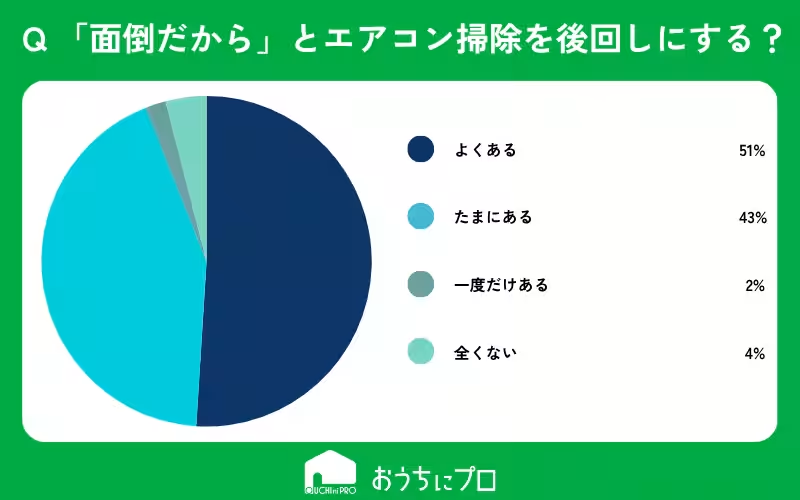
A recent survey conducted by "Ouchi ni Pro" reveals enlightening insights into why many Japanese individuals procrastinate when it comes to cleaning their air conditioners. With 94% of respondents admitting to having postponed this essential task, the results certainly raise eyebrows and spark curiosity.
The Survey Breakdown
The survey targeted a diverse group of 100 individuals, with a slight gender tilt towards women (55% female, 45% male). They spanned various age groups, including 20s (10 respondents), 30s (32 respondents), 40s (32 respondents), 50s (15 respondents), and those over 60 (11 respondents).
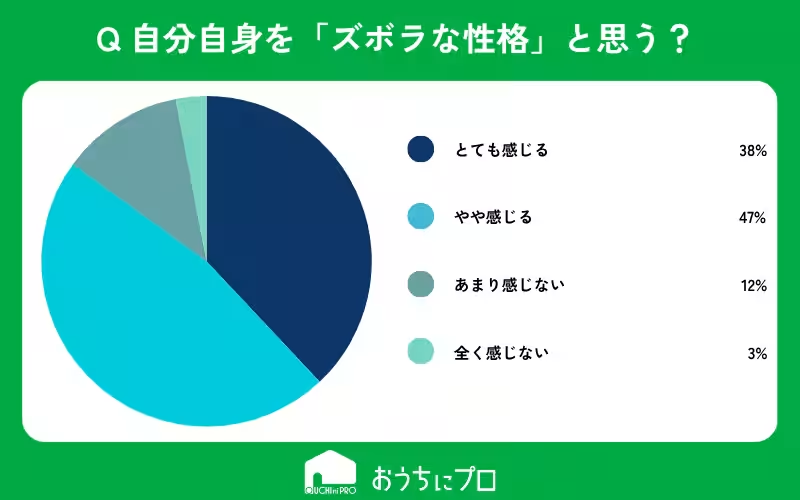
The survey's primary objective was to explore the connections between self-identified laziness and the tendency to neglect air conditioner maintenance. Respondents were asked various questions about their cleaning habits and perceptions regarding cleanliness and laziness.
Key Findings
Procrastination is Common
An overwhelming majority indicated that they often delay air conditioner cleaning, with 51% admitting to experiencing this regularly. Moreover, 43% reported that it happens occasionally, while only 4% claimed to have never postponed it.
When Do They Clean?
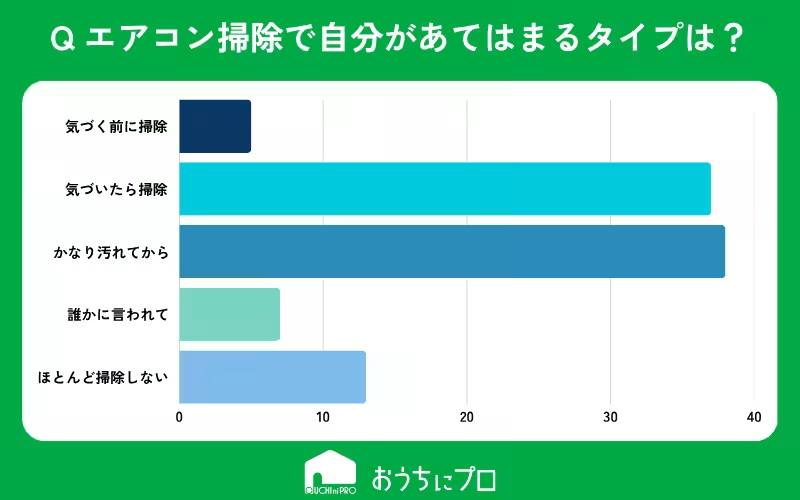
Interestingly, around 70% of the respondents indicated that they only clean their air conditioners either when they notice significant dirt or when the unit becomes excessively dirty. Moreover, 38% stated that they wait until they’re told to clean their units, while 13% confessed to cleaning theirs very rarely. This showcases a reactive rather than proactive approach towards maintenance.
The Most Tedious Tasks
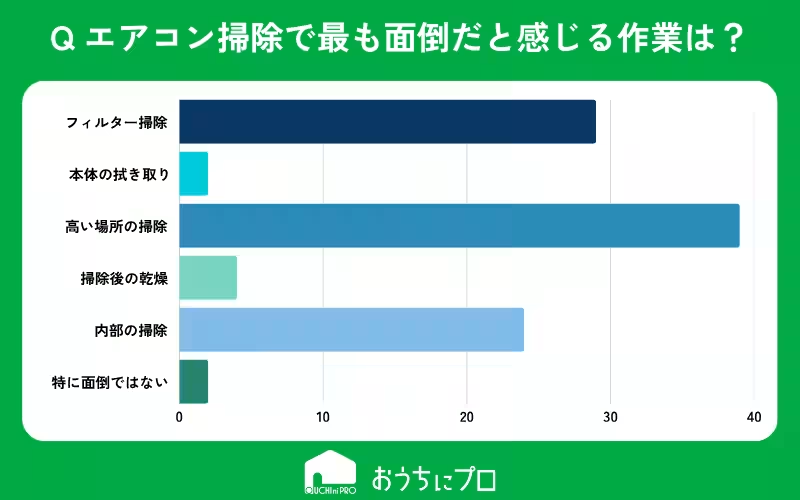
When delving into the specifics of what respondents deemed the most bothersome part of cleaning their air conditioners, results varied. The most significant challenge was noted to be cleaning high places for 39% of respondents, while 29% expressed that filter cleaning posed a significant hassle. Other tasks, like drying the unit and cleaning its internal parts, were also mentioned, with notable mentions of how these tasks contributed to their reluctance.
Desire for Assistance
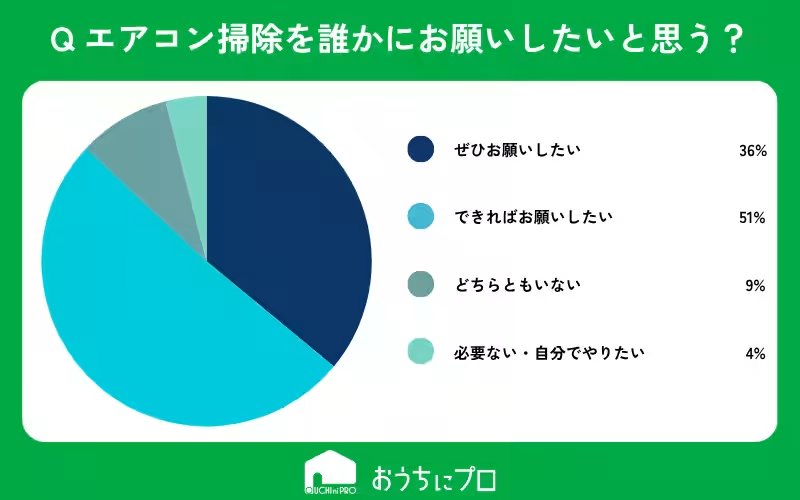
Perhaps the most revealing insight from the survey is the overwhelming wish for external help in maintaining air conditioners. Nearly 90% of participants expressed they would prefer someone else to handle the cleaning if given the opportunity. In detail, 36% stated they would love to have assistance, while 51% would like help if possible. This suggests a broader trend of individuals seeking convenience in household chores.
Beyond Air Conditioners
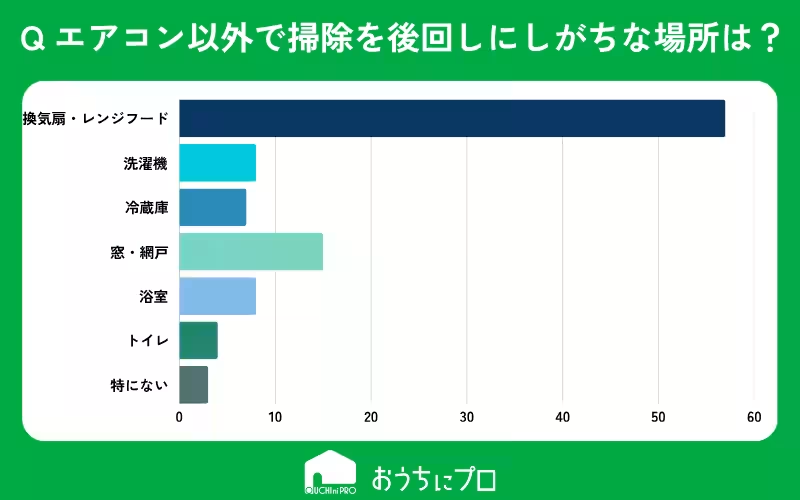
The survey also touched upon other household tasks that people typically avoid. Most respondents revealed that they find cleaning tasks like range hoods and exhaust fans to be just as burdensome. 57% stated this as a location they procrastinate on, followed by washing machines and various other areas around the home.
Conclusion
The data from the survey conducted by "Ouchi ni Pro" shines a light on a prevalent issue in Japanese households. The aversion towards air conditioner maintenance, largely stemming from the belief that it’s a daunting task, reveals a cultural tendency to prioritize convenience over cleanliness. With numerous services available to ease these burdens, it may be an ideal moment for those who loathe cleaning to consider professional help, ensuring that their air quality and home environment remain pristine without the hassle.
At "Ouchi ni Pro," our mission is to connect individuals with reliable professionals who can manage these chores effectively. With over 4,000 registered service providers, we aim to simplify the process of maintaining a comfortable and clean living space.
To discover more about our services and read about the complete findings of this survey, check our official website.
Topics Consumer Products & Retail)
【About Using Articles】
You can freely use the title and article content by linking to the page where the article is posted.
※ Images cannot be used.
【About Links】
Links are free to use.