



The Impact of Generative AI on Industrial Robot Control Systems: A New Era of Automation
The Impact of Generative AI on Industrial Robot Control Systems: A New Era of Automation
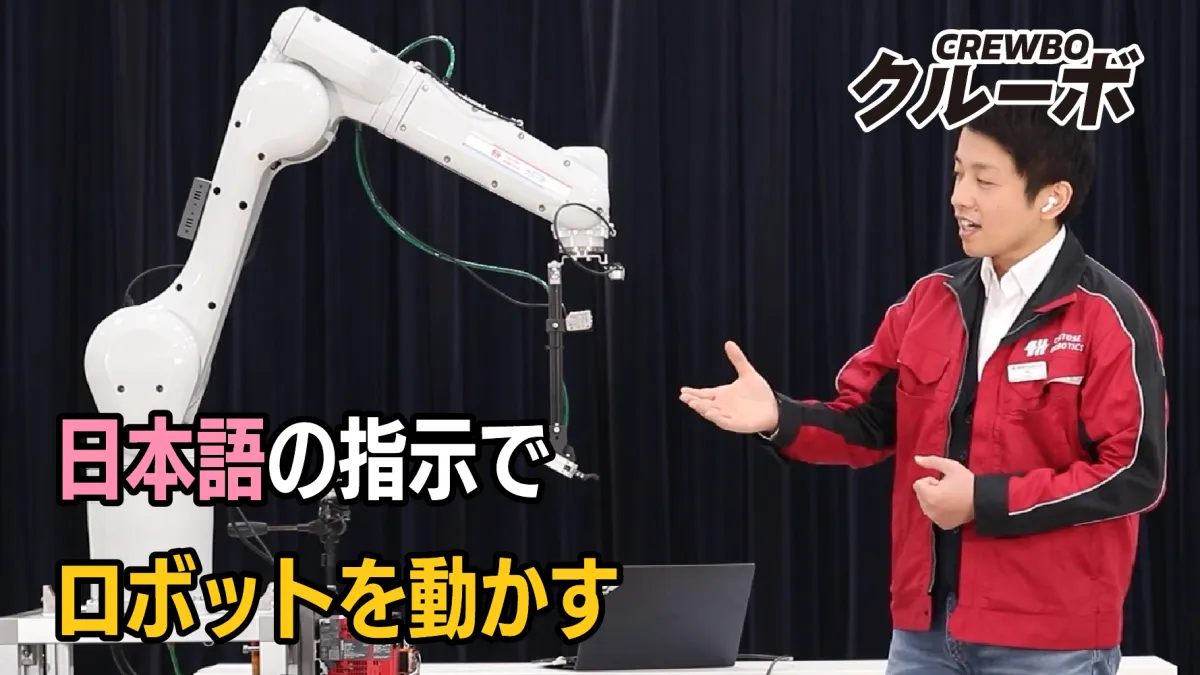
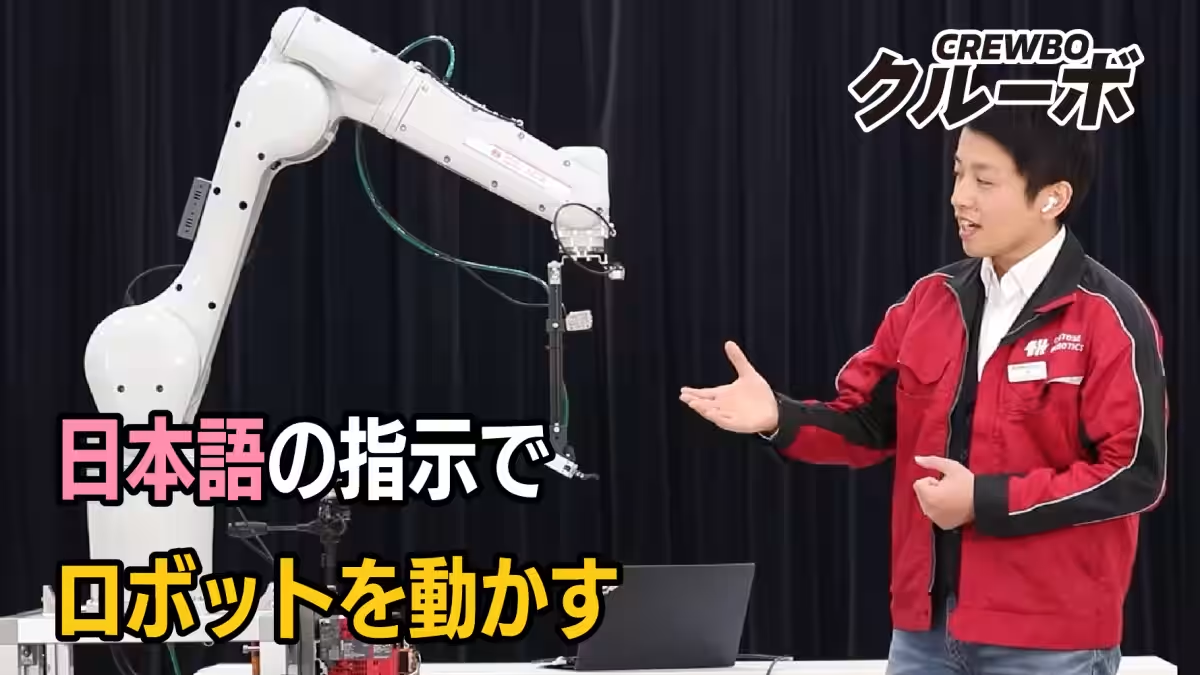
In an era where manufacturing is increasingly reliant on automation, the integration of generative AI with industrial robotics is transforming how tasks are executed in factories. Chitose Robotics, located in Bunkyo, Tokyo, has taken significant steps in this domain by conducting thorough research into how Vision-Language Models (VLM) can enhance the programming of industrial robots. The study focuses on the quality of the generated control programs based on the information provided to the VLM agents and aims to refine the operational capabilities of industrial robots.
Understanding Generative AI and Its Applications
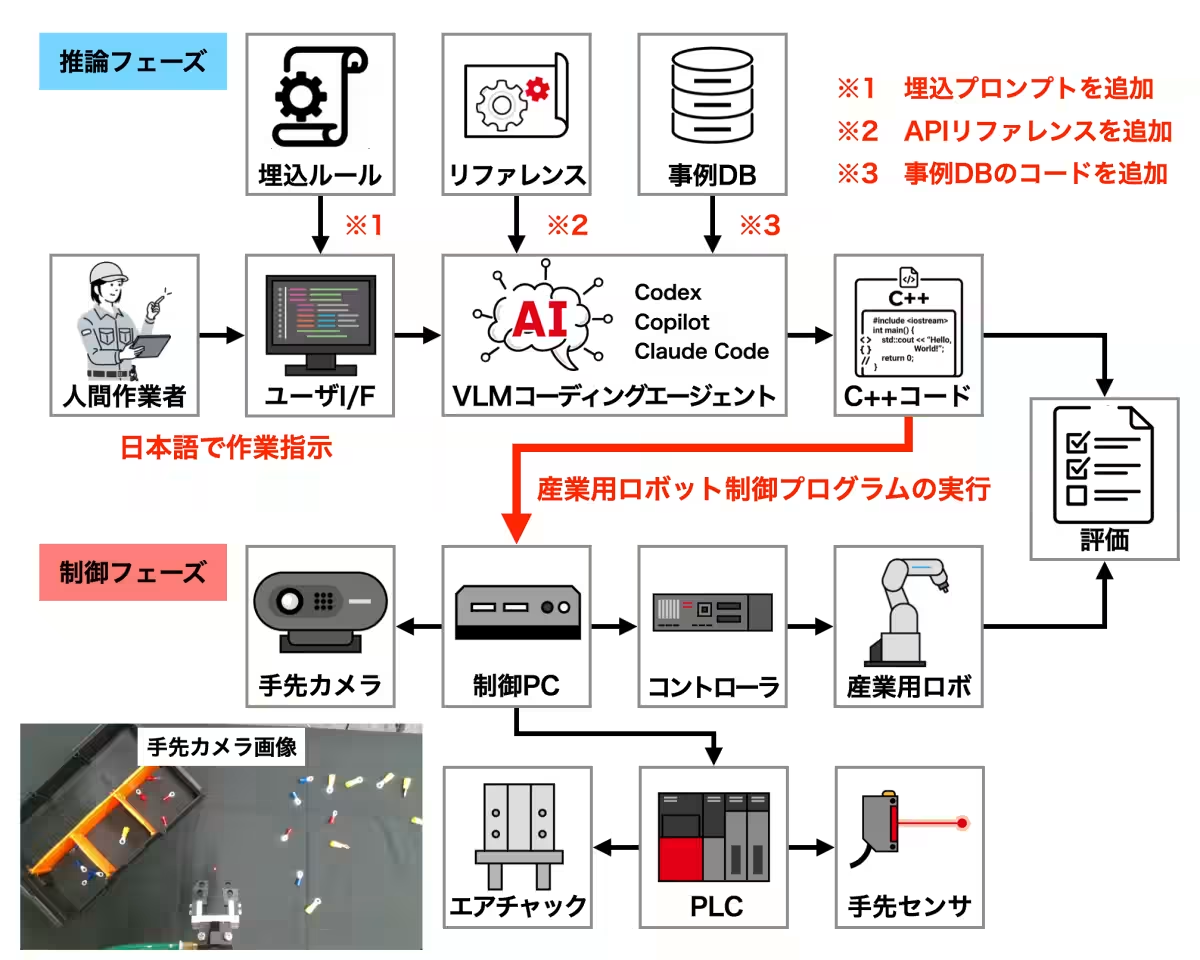
Generative AI, particularly in the form of VLMs, combines visual perception and language comprehension. This theoretically allows robots to interpret visual data—like images from cameras—and follow instructions given in natural language, such as Japanese work commands. Chitose Robotics explored this integration by designing a system where coding agents like Codex, Copilot, and Claude Code were tasked with generating C++ control programs for robots based on these inputs.
The primary hypothesis was that the inclusion of tailored reference information would significantly improve the effectiveness of these generated programs. The inputs provided included a series of structured prompts, API references for robot and sensor control, and a database of past project examples, all aimed at enhancing the VLM’s understanding and output quality.
Methodology of the Study
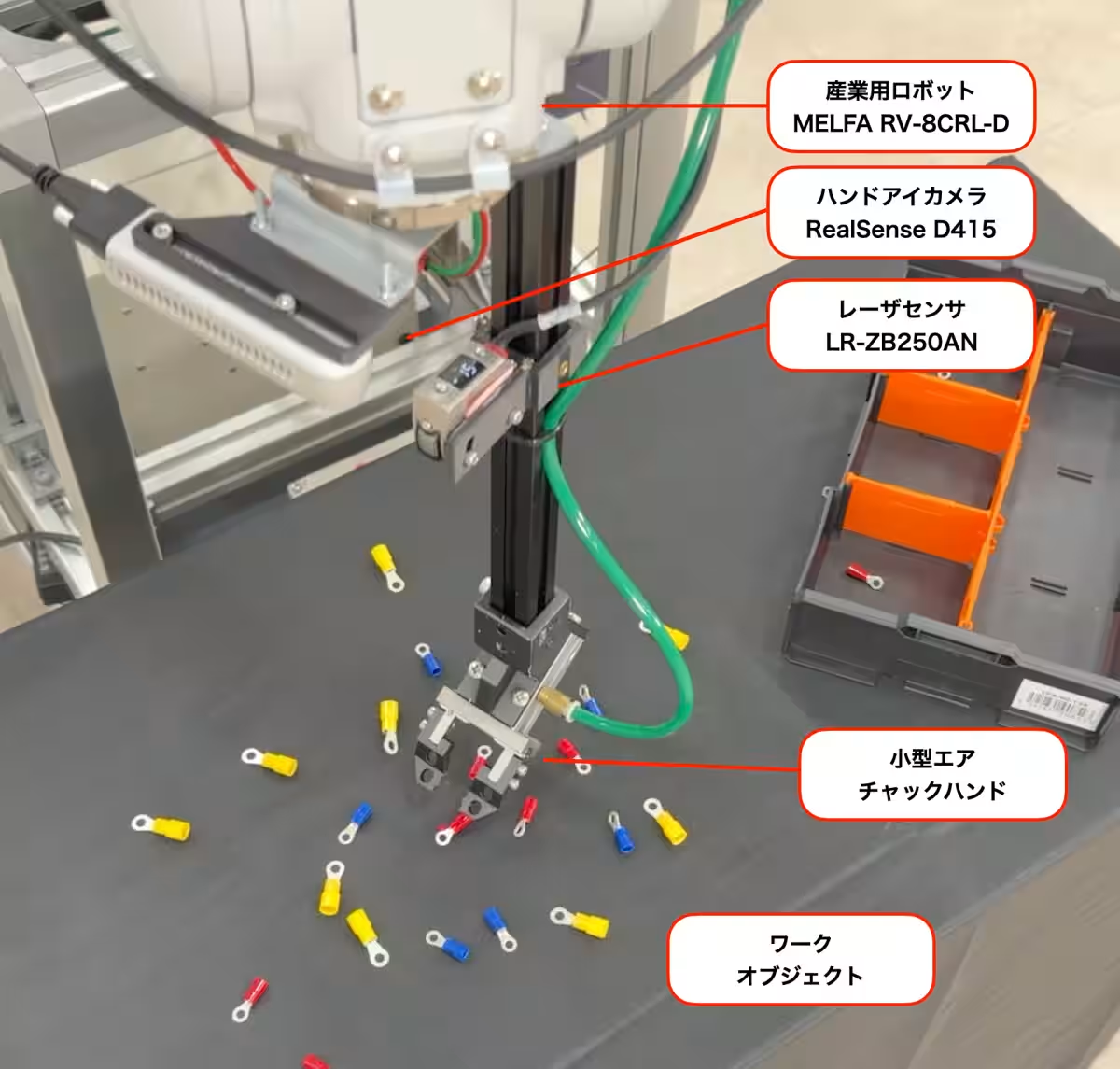
The research targeted a specific task commonly executed in automation settings: the pick-and-place operation. This involved instructing robots to identify, grasp, and transport objects of different colors accurately. To systematically assess performance, the instructions ranged from simple command executions to more complex operations involving safety protocols and error handling. For instance, strategies for dealing with undetected objects and safe retreat actions after grasping were evaluated.
Human operators provided instructions in Japanese, and the VLM agents were responsible for interpreting these directives and generating corresponding control codes. The evaluation criteria focused on two main axes: compliance with specified instructions and the sophistication of the generated code, ensuring it was both effective and maintainable.
Results
The findings from the study revealed that the quality of generated control programs improved significantly with the structured addition of reference materials. Performance scores were quantified to indicate compliance with operational instructions and the complexity of the generated code. Initial evaluations yielded a baseline score of 74.3%, which impressively climbed to 88.7% after integrating all three categories of reference data. This demonstrates not only an improvement in the execution of tasks but also a remarkable enhancement in the code's structure and reliability.
The results underscored the varying roles that the different pieces of reference information played. For instance, embedded prompts provided basic structural rules necessary for safe operations, while API references ensured that the generated outputs were aligned with valid commands for actual robot hardware. The database of past project examples contributed critical insights from the field, allowing the AI to learn from real-world applications.
Implications for the Future
As technology rapidly evolves, the implications of this research are far-reaching. The demand for accessible, efficient robotic operation systems is undeniable, especially as industries continue to seek skilled automation solutions that do not require deep technical expertise. Chitose Robotics aims to demystify this process by empowering operators with tools that utilize generative AI effectively.
Moving forward, the focus will be on continuous field testing and adapting AI systems to more intricate manufacturing processes, improving algorithms for file selection, and reducing noise during past code references. By integrating existing knowledge from field experts into the AI's learning process, the goal is to create a more autonomous and proficient robotic workforce.
In line with this objective, the company is eyeing participation in platforms such as the Robotics and Mechatronics Conference 2026 to further share insights and developments. The presentation will highlight the role of embedded prompts and the database in robot operation instruction systems and provide valuable information for industry stakeholders.
In conclusion, Chitose Robotics is paving the way for a future where generative AI can seamlessly integrate into the industrial robotics landscape, enabling not only specialists but also regular operators to harness robotic technology efficiently, ultimately enhancing productivity across sectors.
Topics Consumer Technology)
【About Using Articles】
You can freely use the title and article content by linking to the page where the article is posted.
※ Images cannot be used.
【About Links】
Links are free to use.