




The Insights on Seniors' Gastrointestinal Health: Prevention Over Remedy
Understanding the Digestive Struggles of Seniors
A latest report from Cosmo Health Inc., released by their senior marketing platform Cosmo Lab, offers significant insights into the gastric troubles faced by the elderly, particularly focusing on feelings of indigestion or "stomach bloating." Based on the feedback from 1,961 respondents aged 50 and older, the findings illuminate a common, yet often overlooked, challenge that affects seniors’ everyday lives.
Frequency of Indigestion Among Seniors
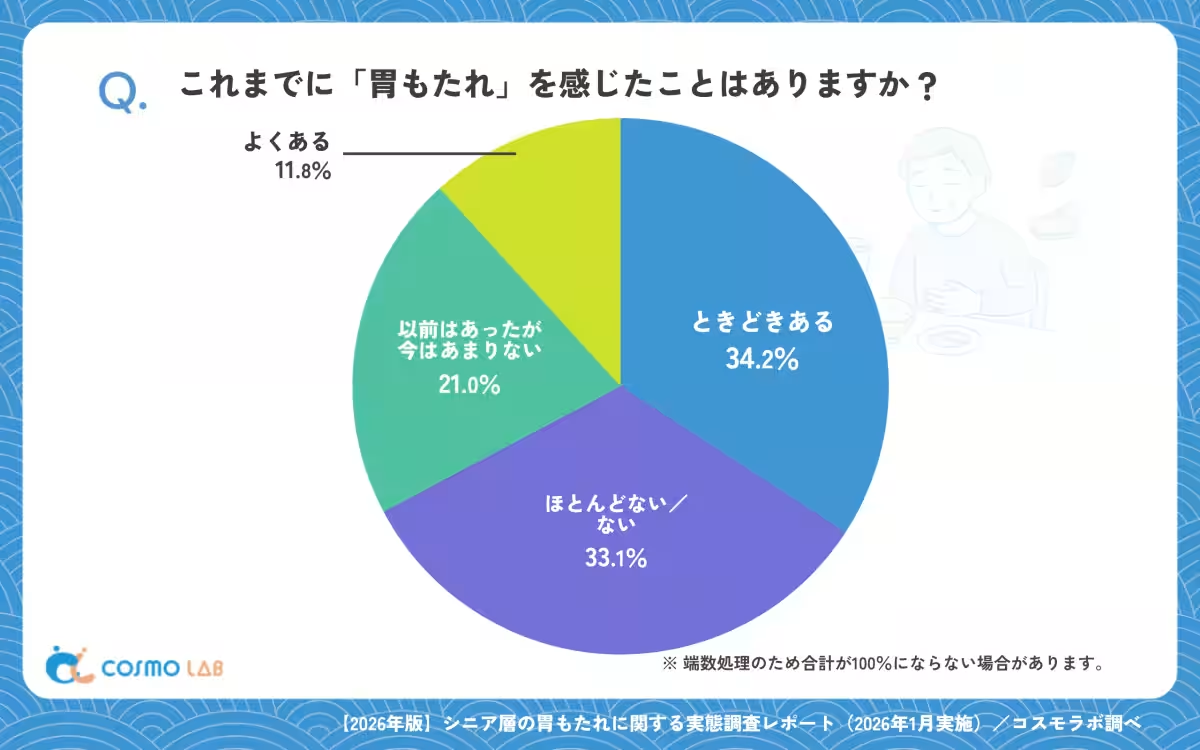
To begin with, the survey results reveal that indigestion is not merely a random ailment but a widespread concern among seniors: about 34.2% report experiencing it occasionally and 11.8% frequently, accumulating to more than 40% of respondents currently suffering from this affliction. A notable 21% mention having had indigestion in the past but experiencing less of it currently. This suggests that many seniors confront this issue at some stage of their lives, indicating a strong need for not just curative measures but preventive strategies too.
Lifestyle Factors Influencing Indigestion
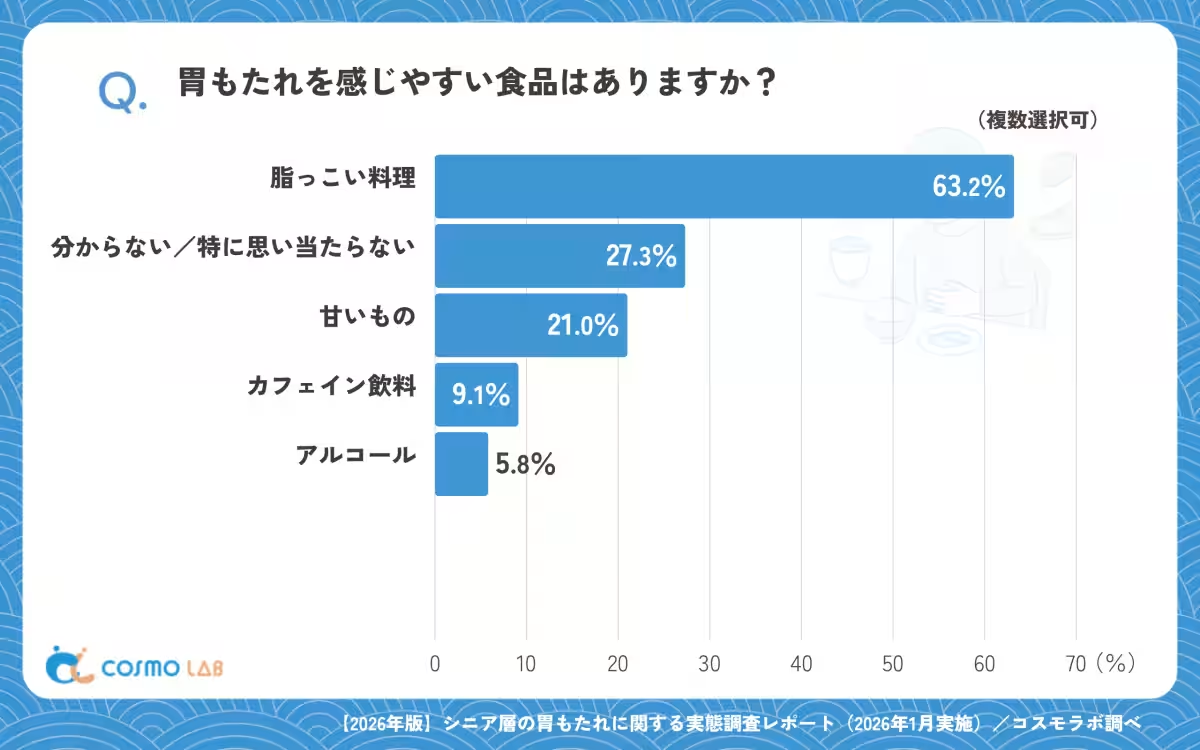
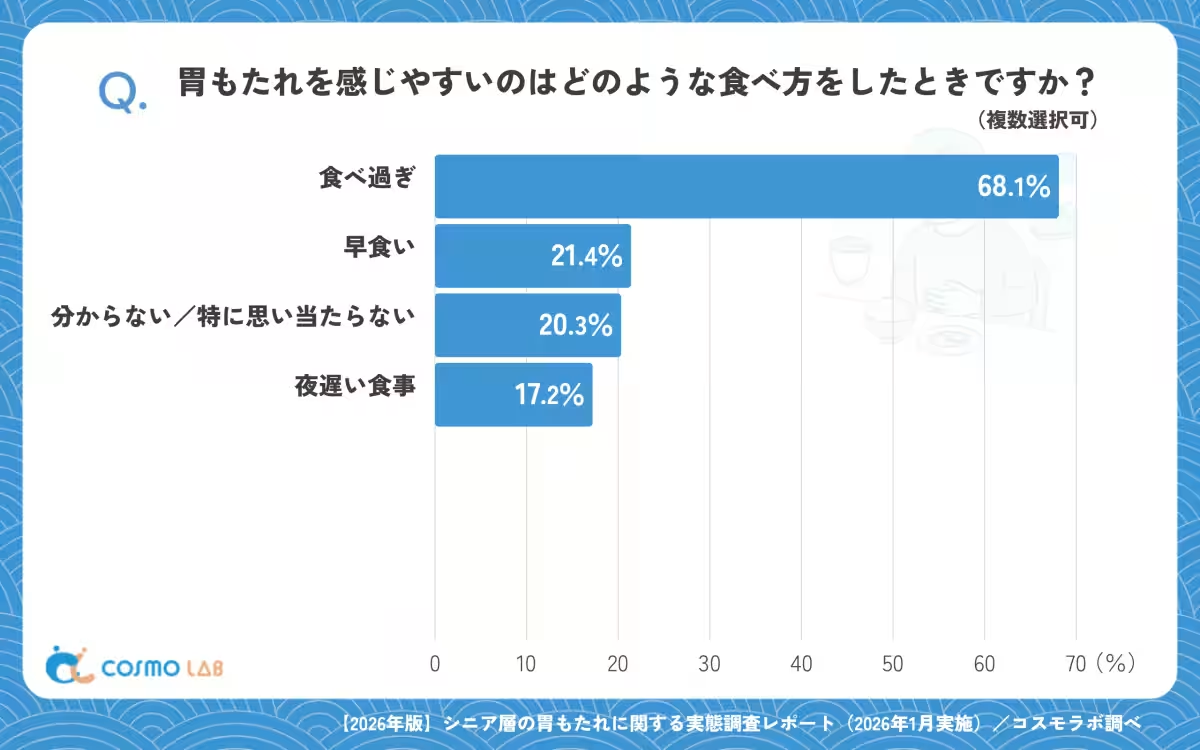
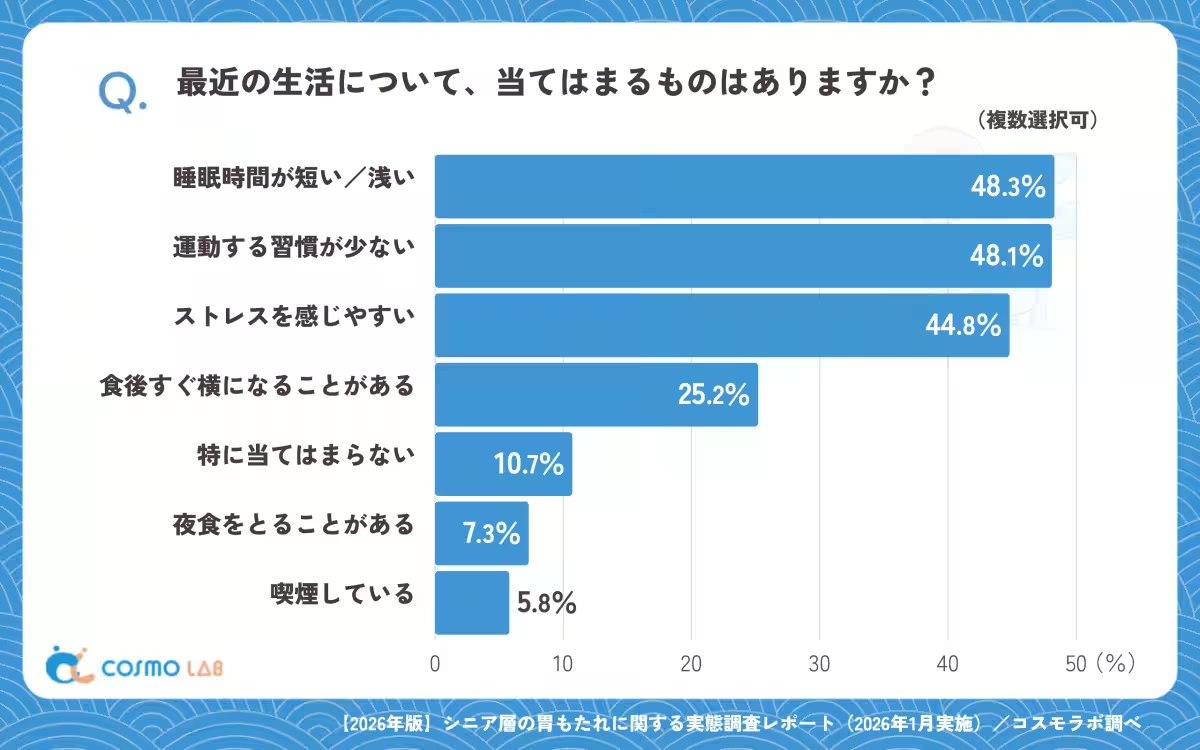
The survey further uncovers that certain dietary habits and lifestyle choices are directly linked to the frequency of indigestion. The leading cause appears to be fatty foods, identified by 63.2% of the participants, and overeating, observed in a striking 68.1%. Moreover, a considerable portion of the respondents admitted to having sleep issues (48.3%), a lack of exercise (48.1%), and high stress levels (44.8%). This suggests that it's not just the food consumed, but overall lifestyle habits that significantly contribute to digestive discomfort among seniors.
The Need for Preventive Information
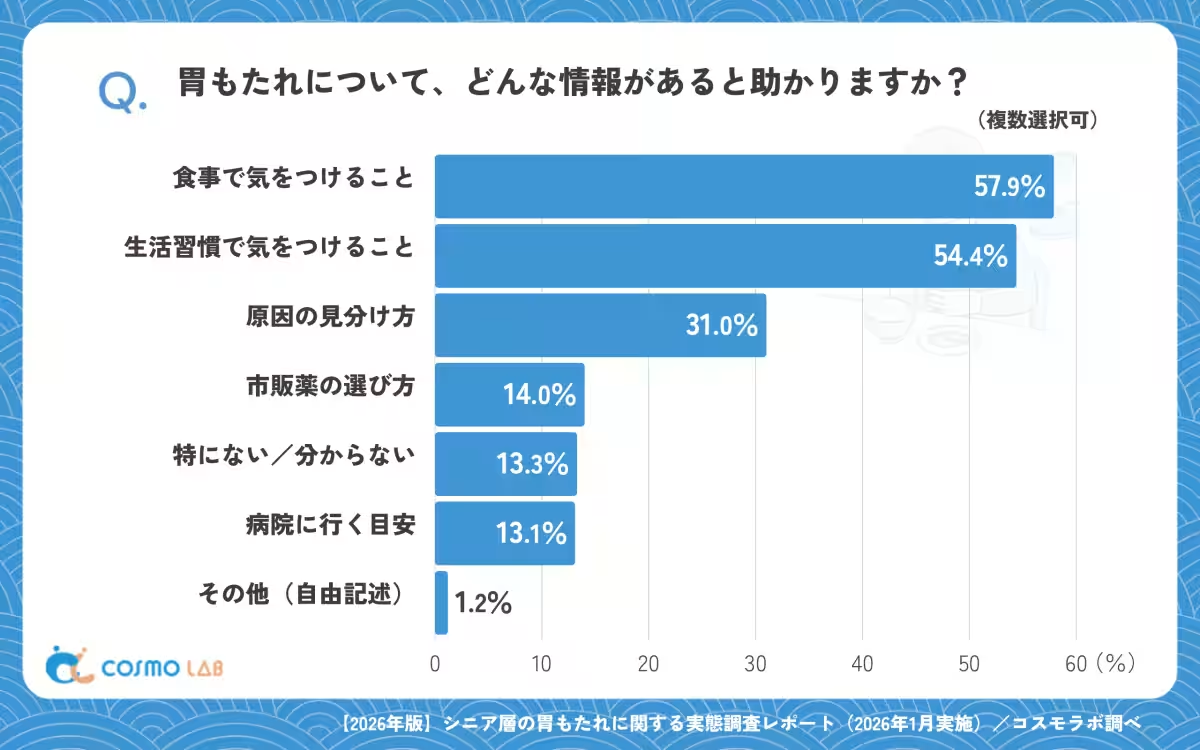
Participants expressed a strong desire for practical advice on managing and preventing indigestion. Top concerns included understanding dietary adjustments (57.9%) and how to develop better lifestyle routines (54.4%). These insights point toward a proactive approach in which seniors are looking for ways to prevent the occurrence of indigestion rather than merely seeking relief once symptoms arise.
Key Findings from the Survey
Here are some of the notable findings from the survey:
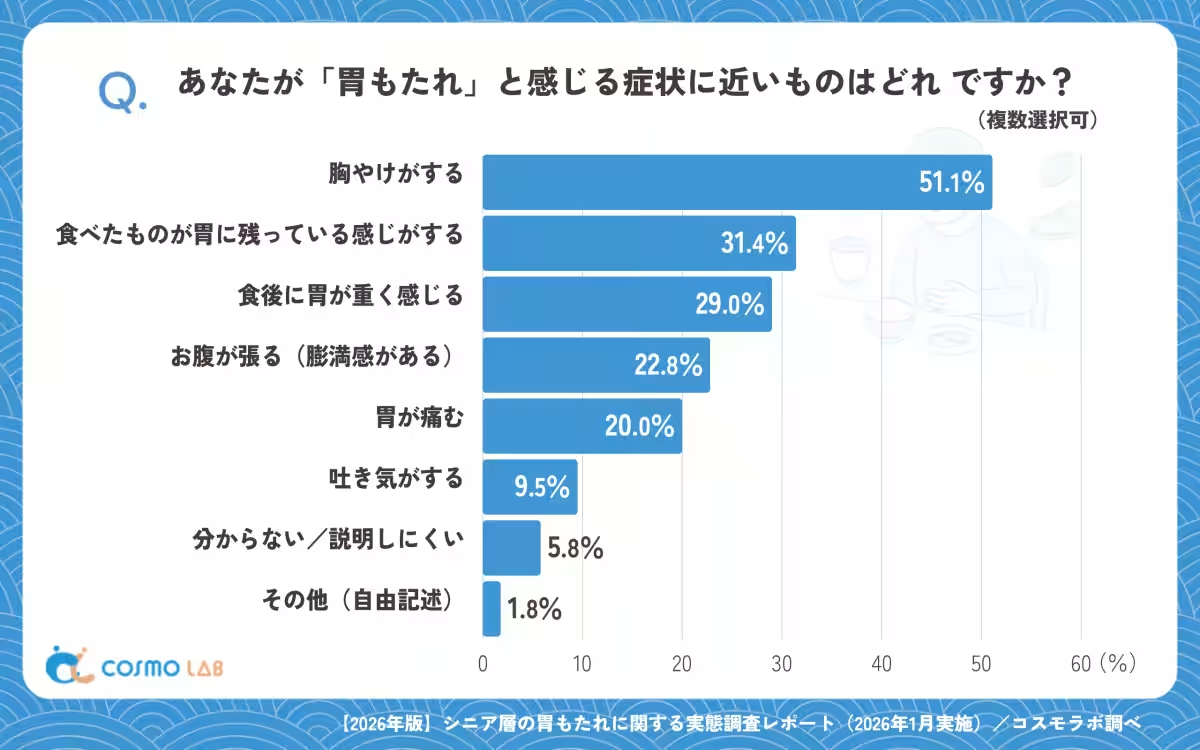
1. Common Symptoms: The most frequently reported symptom of indigestion was heartburn, affecting over half of the respondents (51.1%). Following this, feelings of food remaining in the stomach (31.4%) and heaviness after meals (29.0%) were also common.
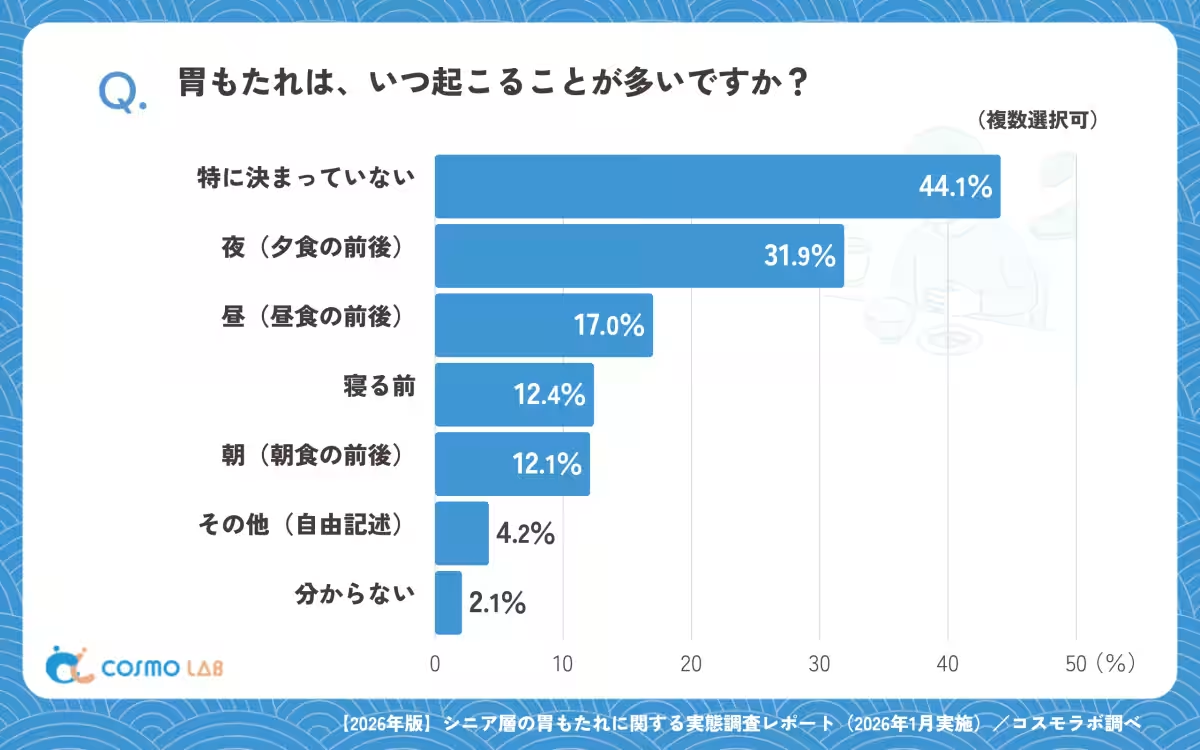
2. Timing of Symptoms: Interestingly, indigestion does not have a specific trigger time; a significant portion (44.1%) reported no fixed occurrence, while 31.9% experienced it particularly around dinner. This suggests that meal timing and quantity can be critical factors.
3. Eating Habits: A staggering 68.1% indicated that overeating was a direct cause, highlighting a significant area for potential improvement among seniors, where education on portion control can yield substantial benefits.
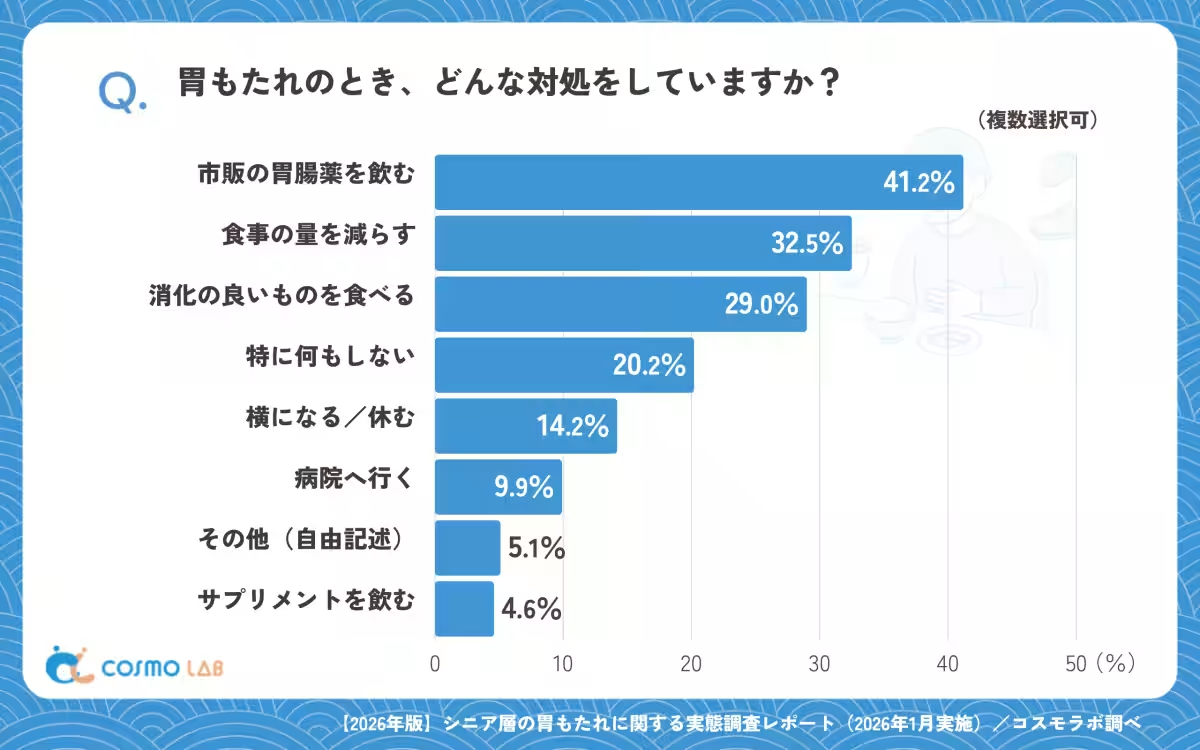
4. Coping Mechanisms: At the time of experiencing symptoms, 41.2% reported using over-the-counter medications as their first line of defense. Conversely, 20.2% mentioned that they often do nothing, reflecting a need for better awareness about effective self-care measures.
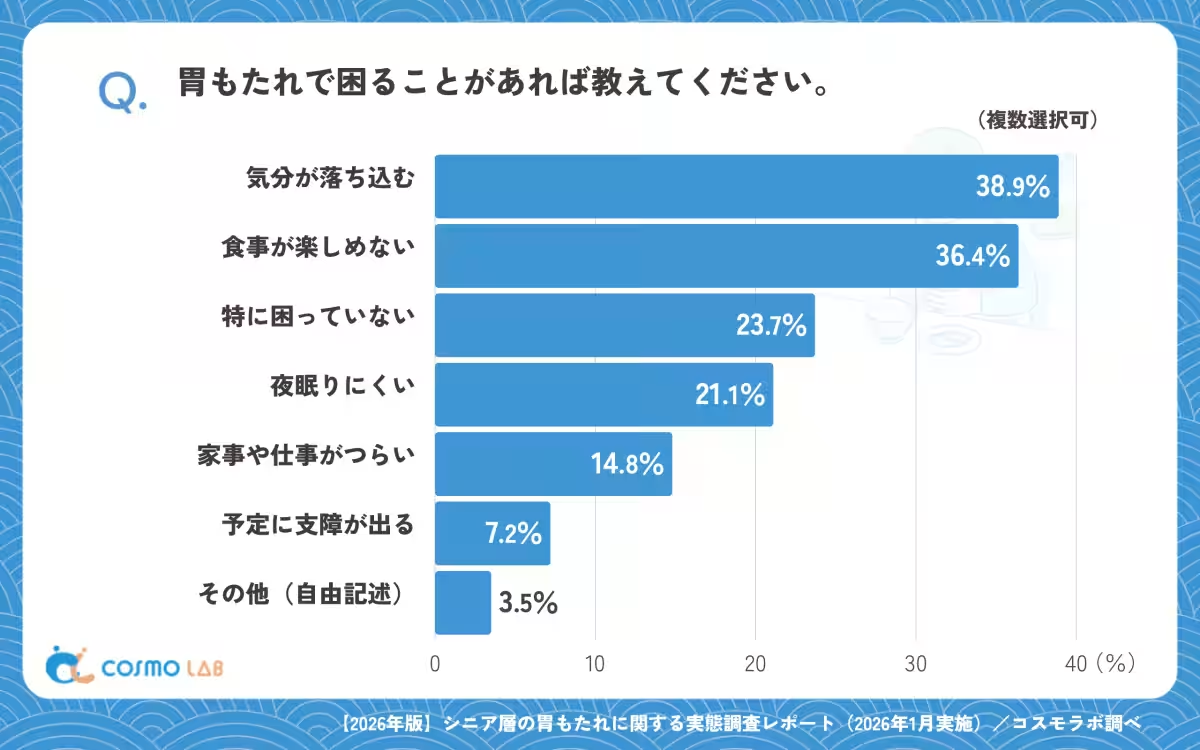
5. Impact on Quality of Life: Indigestion is not merely a physical discomfort but significantly affects daily living, as indicated by 38.9% of respondents who reported feeling down when experiencing symptoms, and 36.4% noted that it diminishes their enjoyment of meals.
Seasonal Patterns and Indigestion
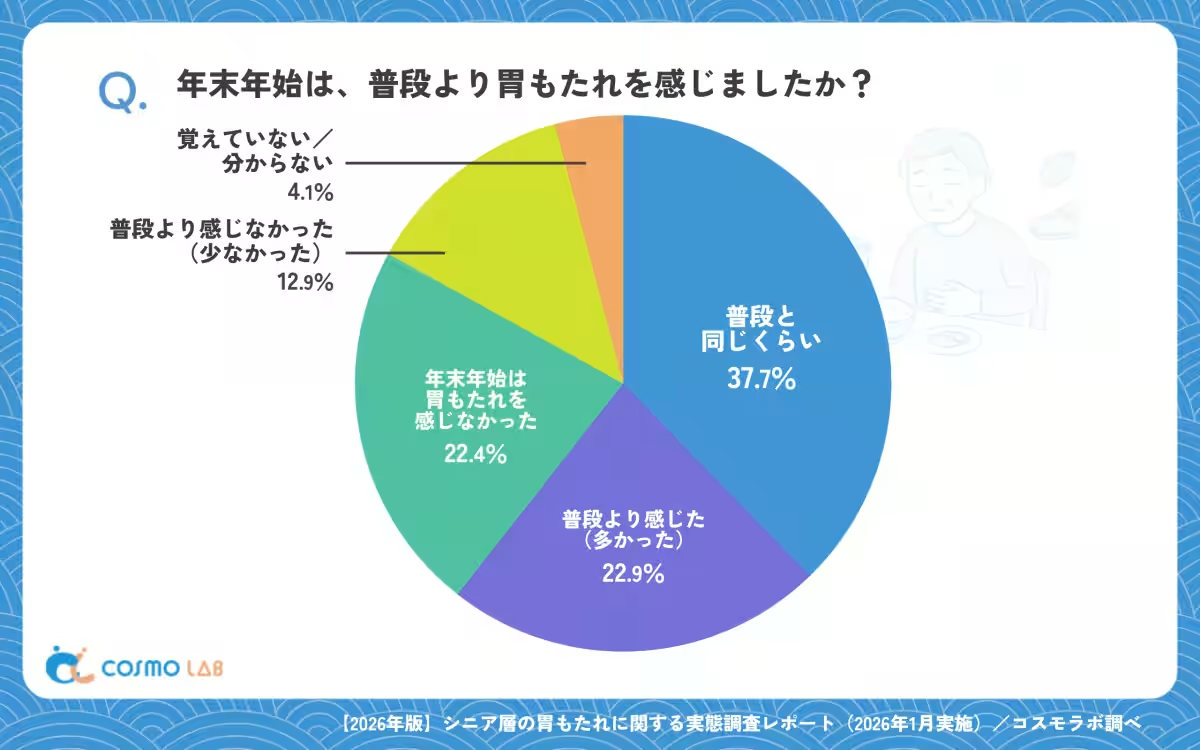
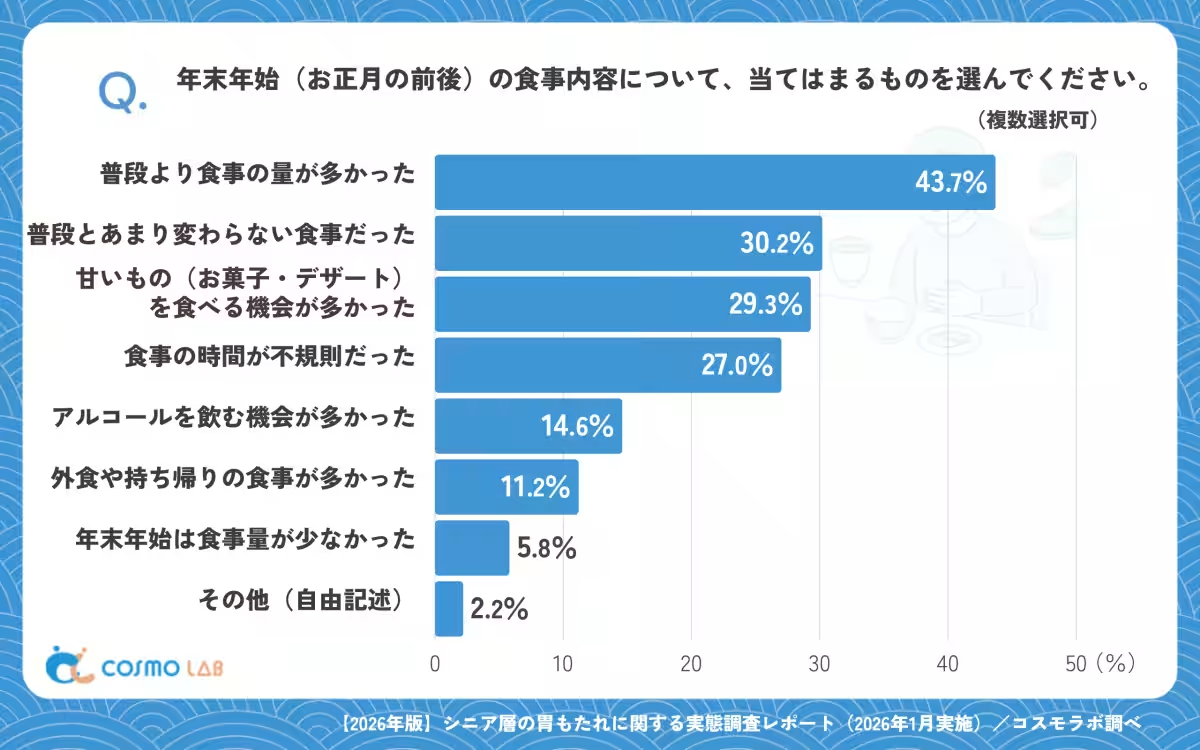
Seniors reported variations in symptoms during festive seasons, particularly year-end celebrations. While 37.7% claimed their experience remained unchanged, 22.9% acknowledged feeling increased symptoms during this period, with dietary habits changing to include larger meals and sweets. This data emphasizes how significant life events can exacerbate gastrointestinal issues, highlighting a crucial time for preventative outreach and education on healthy practices during such occasions.
Conclusion: Aligning Preventive Measures with Senior Needs
The overarching theme emerging from this survey is the critical necessity for a shift in focus from reactionary treatment of indigestion to preventive measures that align with seniors' lifestyles. With the presented data indicating a consistent and prevalent concern related to digestion, it's essential for both health professionals and family caregivers to be aware of these challenges and provide tangible advice and strategies that seniors can adapt in daily life. The well-being of older adults can significantly improve by cultivating habits that support digestive health, ensuring they enjoy life’s small pleasures, including meals, with comfort and ease.
For further insights and a range of topics that affect the senior population, visit Cosmo Lab's comprehensive reports.

Topics Health)
【About Using Articles】
You can freely use the title and article content by linking to the page where the article is posted.
※ Images cannot be used.
【About Links】
Links are free to use.