



Consumer Awareness Survey on Random Goods 2026: A Comprehensive Mid-Term Report
Mid-Term Report on Consumer Awareness Survey for Random Goods 2026
Hamaru Strategy, led by President Kazuyuki Shimizu and located in Taito, Tokyo, conducted a consumer awareness survey titled "Consumer Awareness Survey on Random Goods 2026" between March 28 and April 3, 2026. Despite being publicized only through social media platforms and press releases, the survey garnered an impressive 35,866 responses. Additionally, participants provided a staggering 2,694,939 characters in free-text comments across four open-ended questions out of forty-four total questions.
The survey has attracted broad attention, not just from consumers but also within the industry that supplies random goods, with inquiries from 23 companies looking for specific research reports. These companies are categorized into 13 licensors, 4 licensees, and 6 others.
Overview of the Mid-Term Report
Due to the vast response volume, detailed analysis will require additional time. This mid-term report prioritizes promptness by summarizing key topics that are likely to generate interest among stakeholders.
The comprehensive report will be publicly available online at no cost, and further updates can be followed on Hamaru Strategy's official X account.
Important Notes on the Survey
- - The survey does not employ random sampling methods and consists exclusively of responses generated voluntarily through social media or press releases from participants spotting the survey.
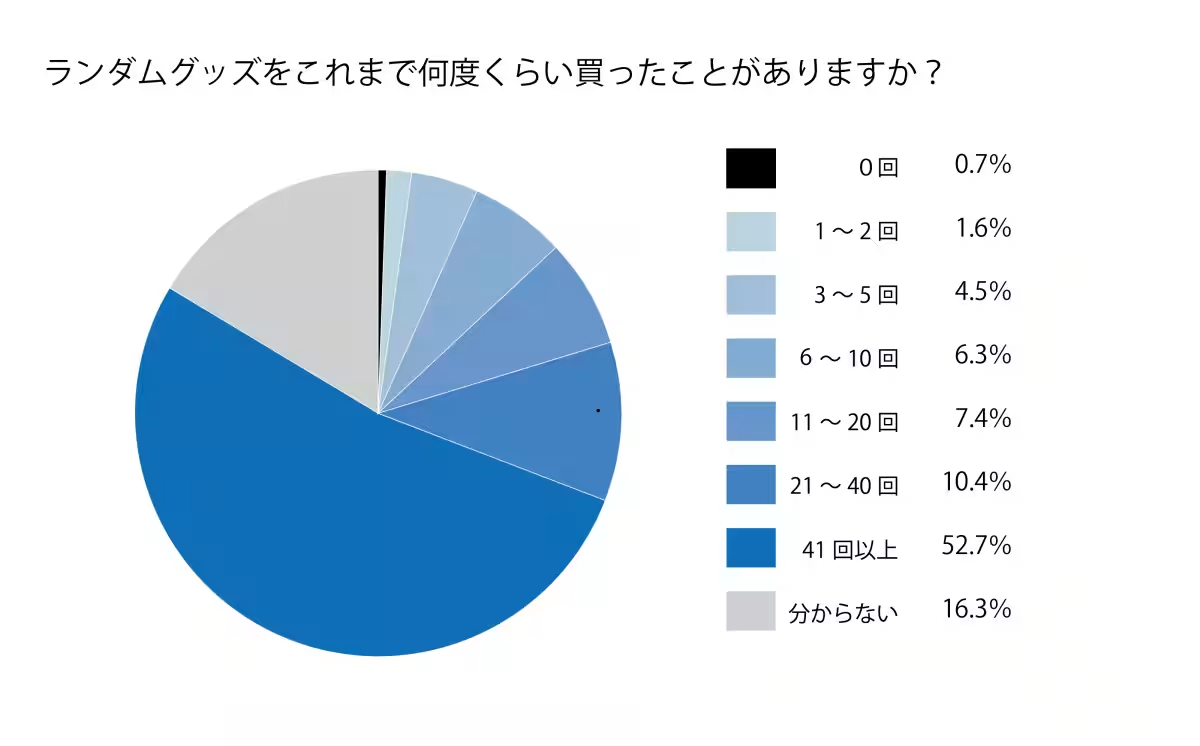
- - The data reveals that 99.3% of respondents have previous experience purchasing random goods.
- - This mid-term report focuses on reporting key numerical discrepancies, while the complete report will incorporate a wider array of opinions.
Survey Details
Name of Survey
Consumer Awareness Survey on Random Goods 2026
Period
From March 28, 2026, 18:00 to April 3, 2026, 23:59.
Number of Questions
A total of 44 questions, with 4 open-ended questions for detailed feedback.
Target Demographics
This survey considered consumers (fans) from various genres including:
- - Anime, Manga, Mascots
- - Home and Online Games, Social Games
- - Vtubers, Other Streamers, Singers
- - Voice Actors, Music and CD-related content
- - Domestic and International Male and Female Idols
- - Theatrical performances including 2.5D plays and traditional stages
Exclusions
The survey does not cover:
- - Prize items including crane games
- - Trading card games (e.g., Pokémon, Yu-Gi-Oh)
- - Complimentary tickets or lottery tickets included with products.
Question Themes
1. Willingness to participate in the survey
2. Basic participant demographics
3. Experience purchasing random goods
4. Likes and dislikes concerning random goods
5. Tolerance levels for random goods
6. Incidences of issues with random goods
7. Suggestions for improvement
8. Other opinions.
Summary of Survey Results
The survey results exhibit notable details as outlined below:
Announcement Channels
- - Press releases and social media (X)
Respondent Count
Total of 35,866 responses.
Free Response Character Count
Accumulated character count: 2,694,939.
Respondent Gender Breakdown
- - Female respondents: 85.7%
- - Male respondents: 9.5%
Key Numerical Insights
The report focuses on standout figures, including:
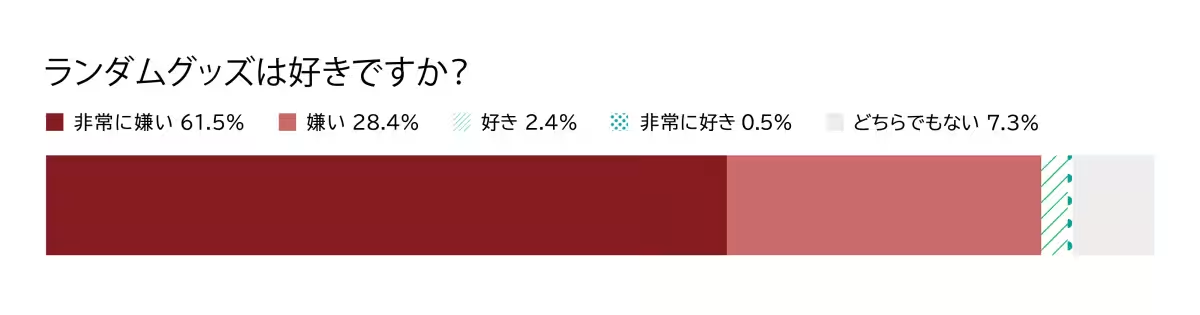
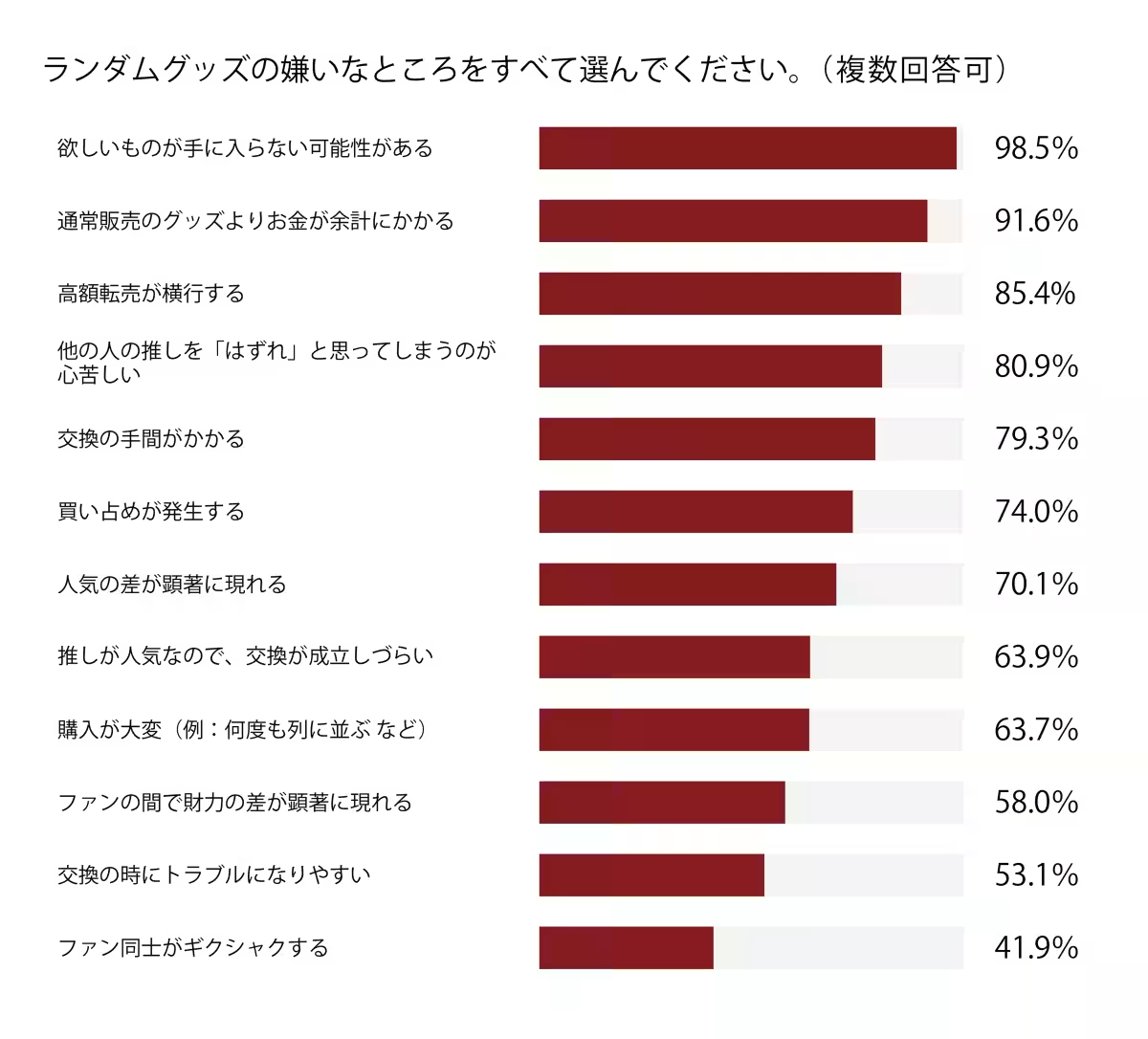
- - 89.9% of respondents express dislike towards random goods, reporting feelings of frustration often associated with the inability to obtain desired items.
- - 98.5% stated concerns about the risk of not acquiring what they want, compounded by 91.6% citing random goods as more expensive than normal sales.
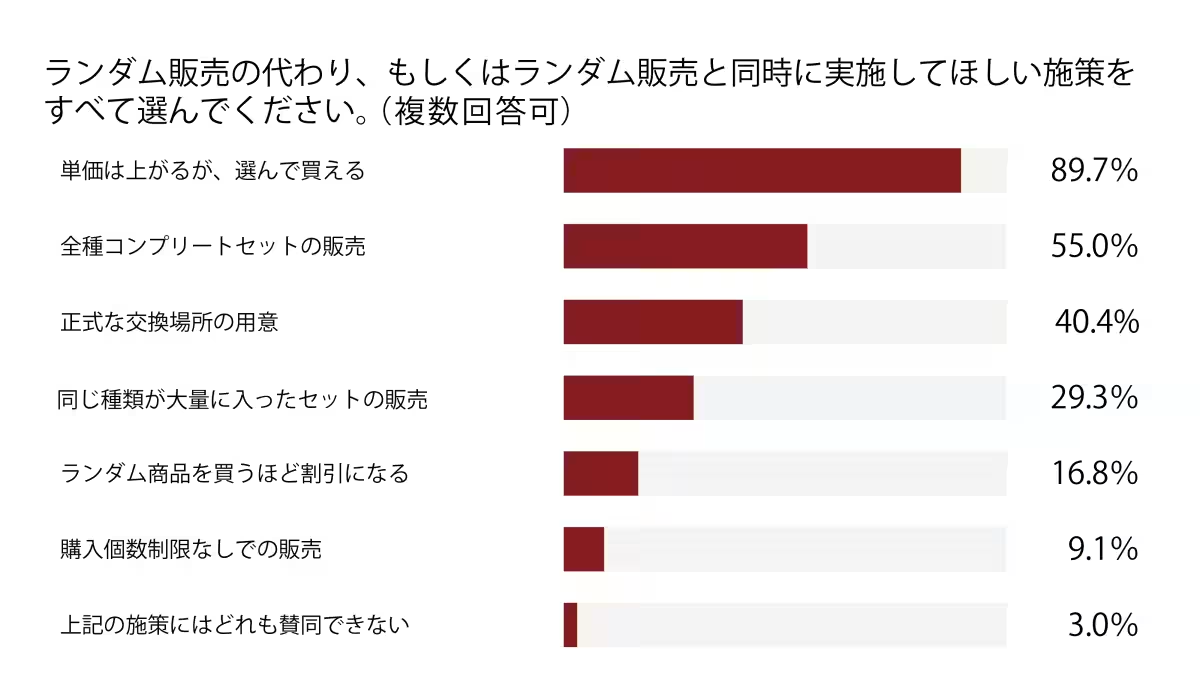
- - Additionally, 89.7% favored purchasing options allowing selection, even if it implies higher costs.
Consumer Sentiment Towards Random Goods
An overwhelming 89.9% of consumers report strong negative feelings toward random goods, indicating a separation between their purchasing habits and emotional attitudes.
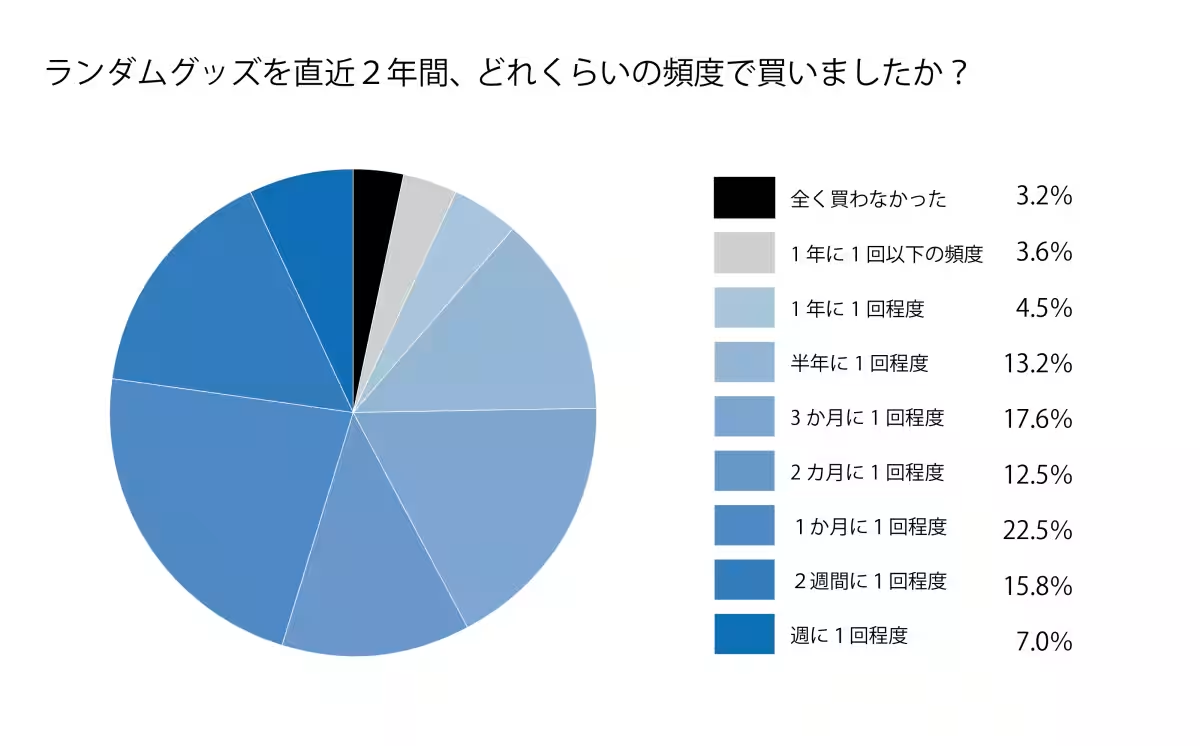
- - Many consumers have purchased despite disliking random goods, indicating a significant market dynamic at play.
Implications on Content Perception
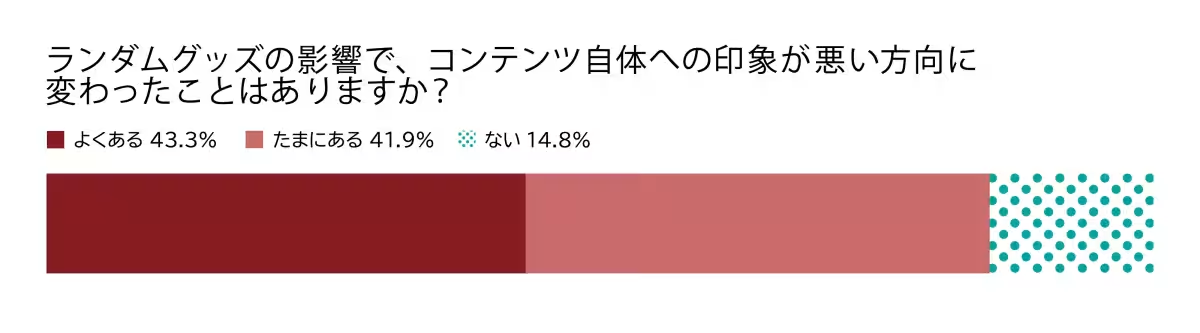
A concerning 85.2% of respondents noted that random goods have negatively affected their impression of the content associated with those products, which underscores broader issues of consumer sentiment.
Impact of Random Goods on Purchasing Behavior
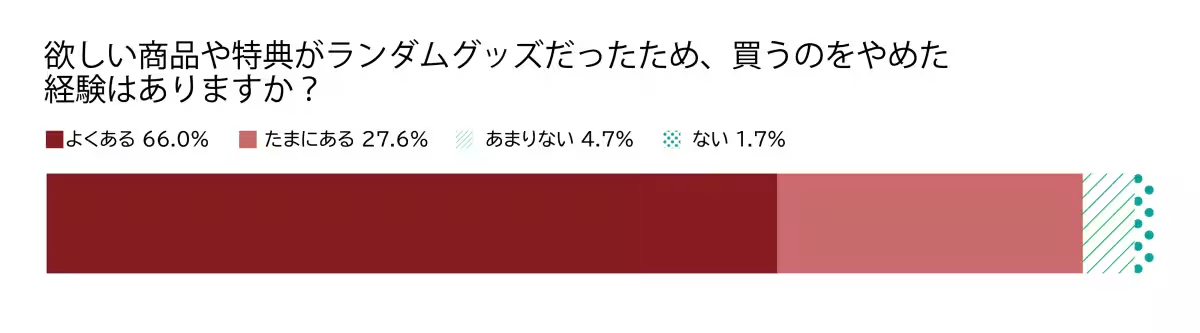
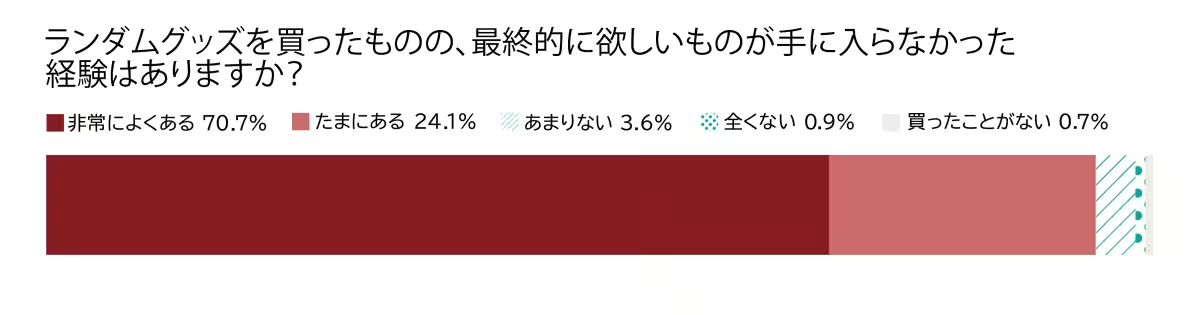
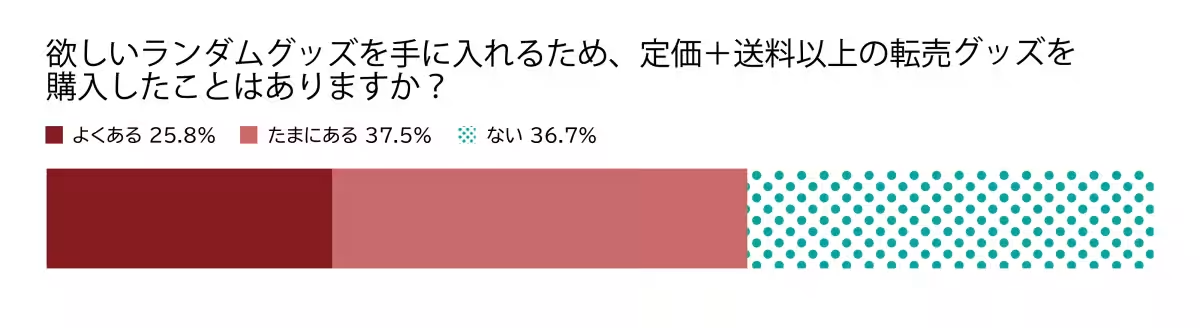
A staggering 94.8% of respondents have experienced frustration due to the uncertainty of acquiring desirable items, with 63.3% admitting to having bought from resale markets, often at inflated prices.
Consumer Demands and Feedback
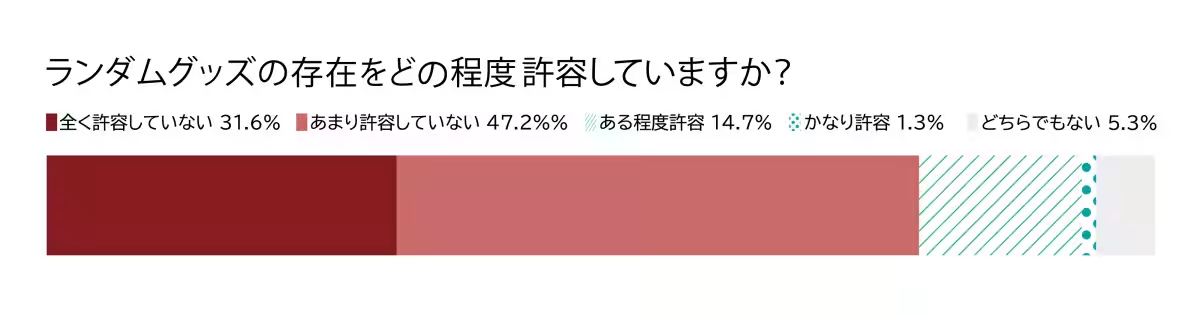
When queried about future sales of random goods, a meager 16.0% expressed any level of acceptance, while a majority suggested a preference for higher-priced, selectable options.
- - This strong sentiment signifies a clear demand for reform in the structure of random goods sales.
Future Actions by Hamaru Strategy
In response to the survey insights, Hamaru Strategy is rolling out personalized research reports to companies showing interest. Future initiatives, including a free seminar for licensers and licensees, are slated to happen in May.
A detailed report is expected to be publicly released in late June to early July, mirroring the mid-term report's open-access approach.
The data derived from this survey will remain available to organizations involved in the random goods sector and media entities, provided it adheres to specified guidelines against misrepresentation and citation requirements.
For companies keen on engaging with these findings, tailored reports are available by applying through the designated form provided in the release. Utilize this extraordinary opportunity to gain insight into consumer sentiments surrounding random goods, a must-have for business strategy moving forward.
Topics Consumer Products & Retail)
【About Using Articles】
You can freely use the title and article content by linking to the page where the article is posted.
※ Images cannot be used.
【About Links】
Links are free to use.