



Lime Completes Beacon Installation with 80% Parking Violation Reduction
Enhancing Urban Mobility: Lime's Commitment to Safety
In pursuit of creating a safer urban environment, Lime Inc., a company that provides electric mobility sharing services across about 30 countries on five continents, has reported significant progress in safety measures implemented in Japan. Lime, headquartered in Minato, Tokyo, has successfully completed the installation of beacons at all its designated ports. This initiative, coupled with the expansion of its geofencing technology, aims not only to enhance safety for pedestrians and the urban landscape but also to improve compliance with parking regulations.
Recent Developments in Lime's Services
Since launching its services in Japan in August 2024, Lime has rapidly scaled up its operations:
- - Number of Ports: Increased from approximately 40 to about 500 locations.
- - Fleet Size: Expanded from 200 vehicles to 1,300.
- - Operational Zones: Initially serving 6 districts in Tokyo, now covering 16 districts plus Naha City.
This expansion reflects a robust commitment to enhancing mobility options in urban settings.
Beacon Installation and Its Impact
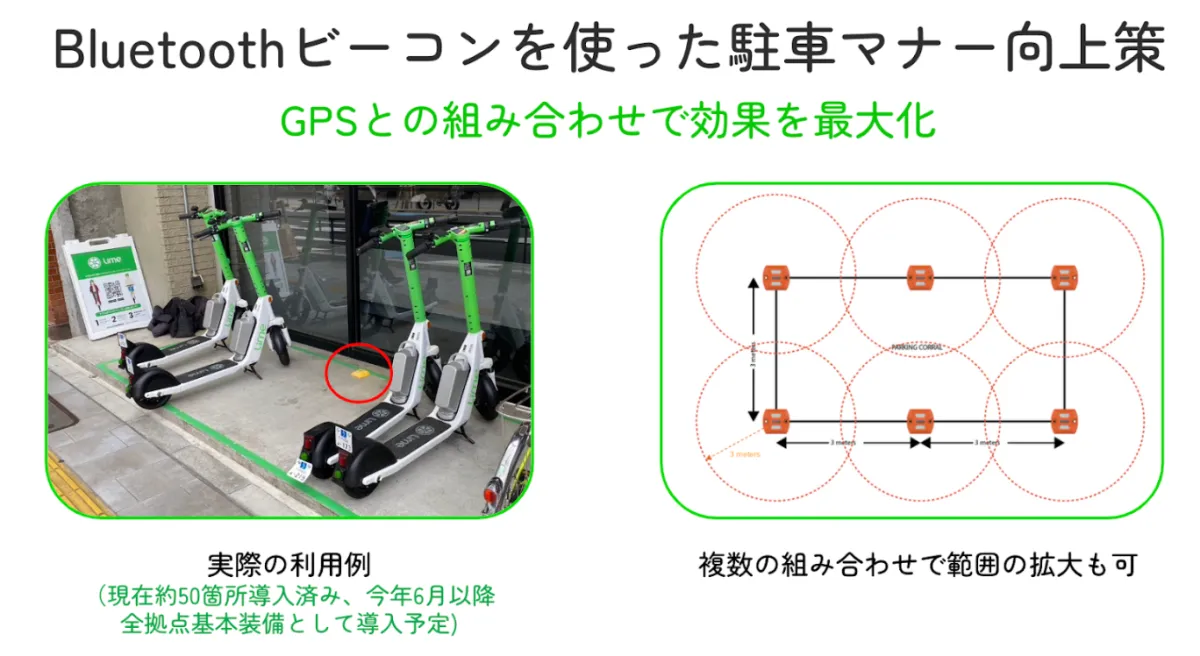
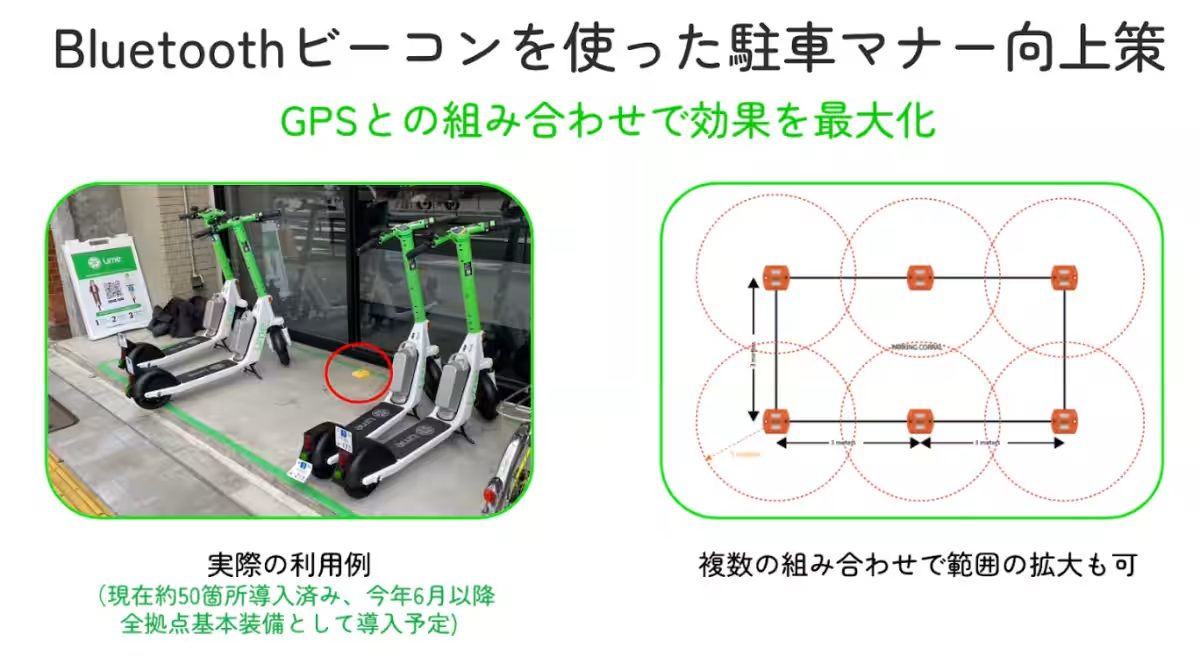
The installation of beacons at all Lime ports aims to prevent parking violations in non-designated areas and has been strategically implemented to promote safe parking behaviors. Users can now only complete vehicle returns through the app if parked within three meters of designated Lime ports.
Results Achieved
Between May and June 2025, during the phased implementation of the beacons, complaints regarding parking violations decreased by an astonishing 80%. The combination of GPS technology and Lime's unique beacon-enabled parking management system has proven effectively reliable.
Expansion of Geofencing Technology
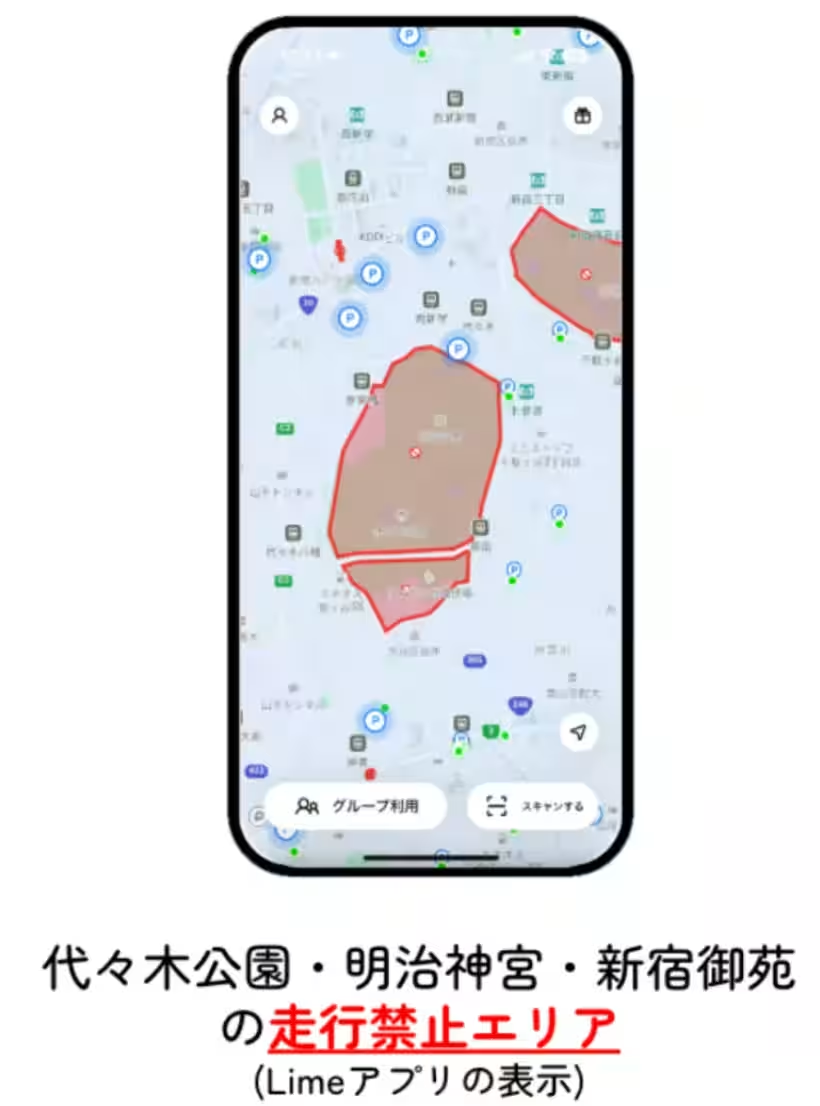
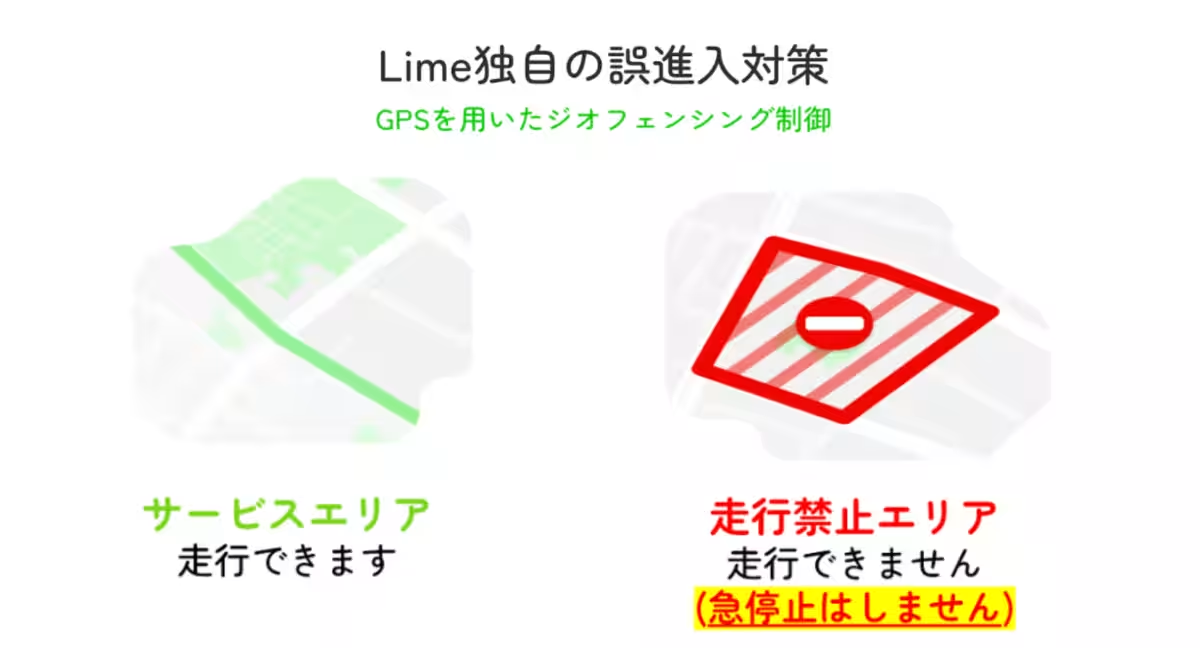
In February of this year, Lime initiated its first geofencing trials to prevent unauthorized access to expressways in Japan, a significant development in the realm of electric mobility. Geofencing utilizes GPS technology to establish virtual boundary lines. When a vehicle approaches these zones, automatic speed reductions or stops are triggered to enhance safety violations and risks associated with misentry into restricted areas.
Geographic Expansion of Geofencing
Lime's geofencing coverage has expanded steadily, initially covering landmarks such as Yoyogi Park, Meiji Shrine, and the Imperial Palace, now extending to 14 locations including nine entry points to the expressways across Tokyo.
- - Tokyo Expressways: Covered regions include Shibuya (North), Shinjuku, and Ikebukuro.
- - Parks and Tourist Spots: Meiji Shrine, Yoyogi Park, and others.
The Impact of Geofencing
Recent data shows that around 3% of Lime's fleet has been successfully prevented from entering restricted areas in just the last 30 days, thanks to the geofencing controls. Lime is planning to further extend its geofencing system to cover 50 additional locations within expressway areas by the end of the year, ensuring user safety and adherence to regulations with collaboration from local authorities.
Future Prospects
The establishment of a safer and more reliable urban mobility system is paramount as society grapples with various transportation challenges, both in urban and rural settings. Lime’s advancements in beacon technology and geofencing highlight the company's proactive approach toward minimizing risks associated with electric mobility, ensuring safety, and enhancing the urban transport experience.
Lime’s Vision for the Future
Lime is dedicated to developing sustainable urban mobility solutions. As electric mobility gains traction in Japan, Lime aims to combat social issues linked to parking violations and unauthorized road access while simultaneously enhancing the reputation of electric transport services.
The company continues to work closely with local governments and communities to foster safer and more reliable urban environments as part of their mission: to promote electric micro-mobility as a vital mode of public transportation for a sustainable future.
For those interested in exploring Lime's services, it’s essential to follow the established protocols that include:
- - Mandatory safety education via the app before riding.
- - Participation in a pre-ride test to ensure user readiness.
Conclusion
Lime's commitment to safety is evident in its innovative use of technology and its continuous engagement with local authorities and users. As it moves forward, Lime remains focused on maintaining a cleaner, safer, and more efficient urban transport system to meet the demands of modern mobility challenges.
Download the App
By combining sophisticated technology, comprehensive safety measures, and a dedication to community service, Lime is reshaping the future of urban mobility.

Topics Consumer Products & Retail)
【About Using Articles】
You can freely use the title and article content by linking to the page where the article is posted.
※ Images cannot be used.
【About Links】
Links are free to use.