



Increasing Importance of Disaster Response Systems in Corporate Safety Protocols
The Shift in Disaster Response Systems: Insights from Toyokumo's Survey
In the face of increasing natural disasters, companies are re-evaluating their emergency preparedness strategies. A recent survey conducted by Toyokumo Inc., a provider of user-friendly cloud services based in Shinagawa, Tokyo, sheds light on the importance of disaster response systems and reveals how businesses are prioritizing features to ensure safety during crises. Conducted in conjunction with Japan's Disaster Prevention Day on September 1, 2026, the survey gathered responses from 112 disaster management personnel involved in the selection and implementation of safety confirmation systems.
Key Findings and Trends
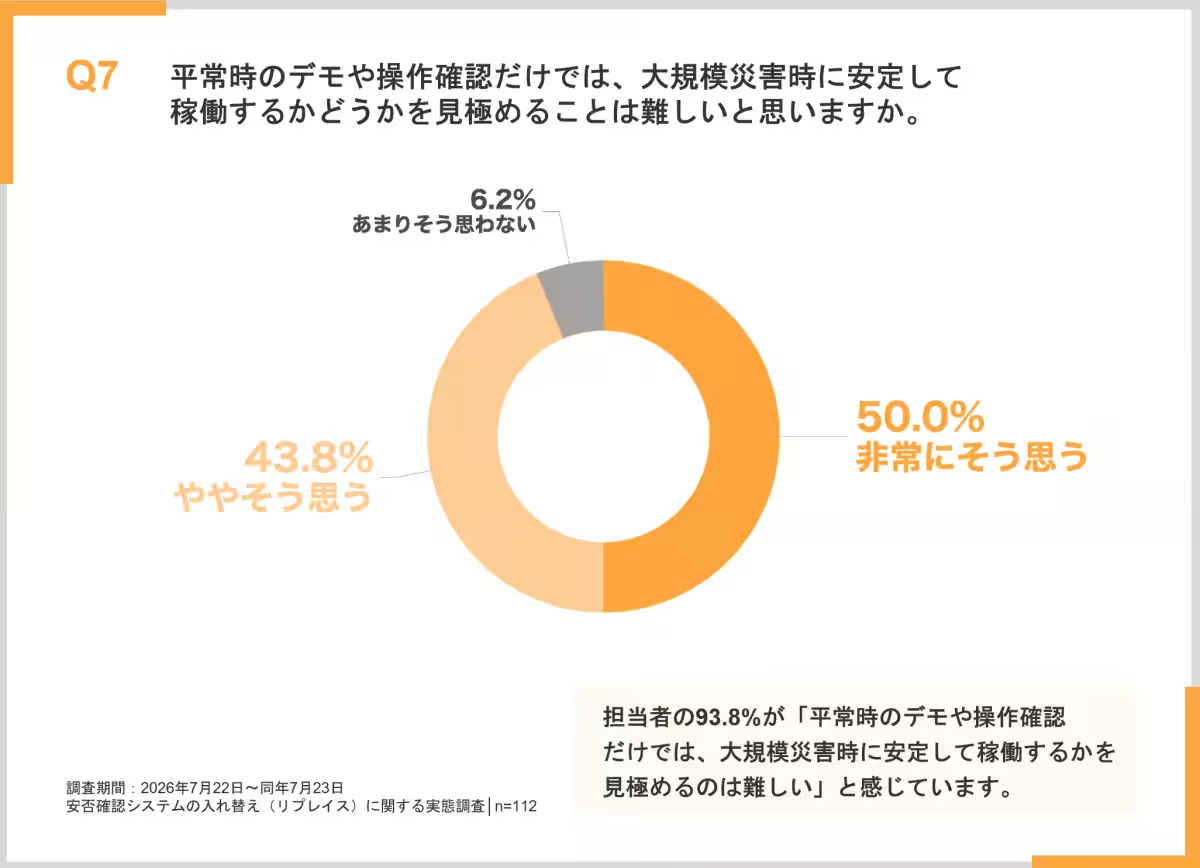
The report unveils that an overwhelming 92.9% of the respondents experienced improvements after replacing their old safety systems. Despite this progress, 93.8% acknowledged the limitations of assessing the effectiveness of these systems solely through demonstrations and operational checks during normal conditions. This underscores a vital gap in preparation, highlighting a need for better validation of a system's performance during actual disasters.
In backing this claim, data from Japan’s Cabinet Office revealed that among large corporations affected by natural disasters, an impressive 55.3% credited the installation of electronic systems for safety checks—making it the most frequently noted effective action taken for business continuity. Overall, 38.8% of businesses recognized safety confirmation as a crucial element subsequent to securing the safety of employees and their families.
Evolution of Safety Systems
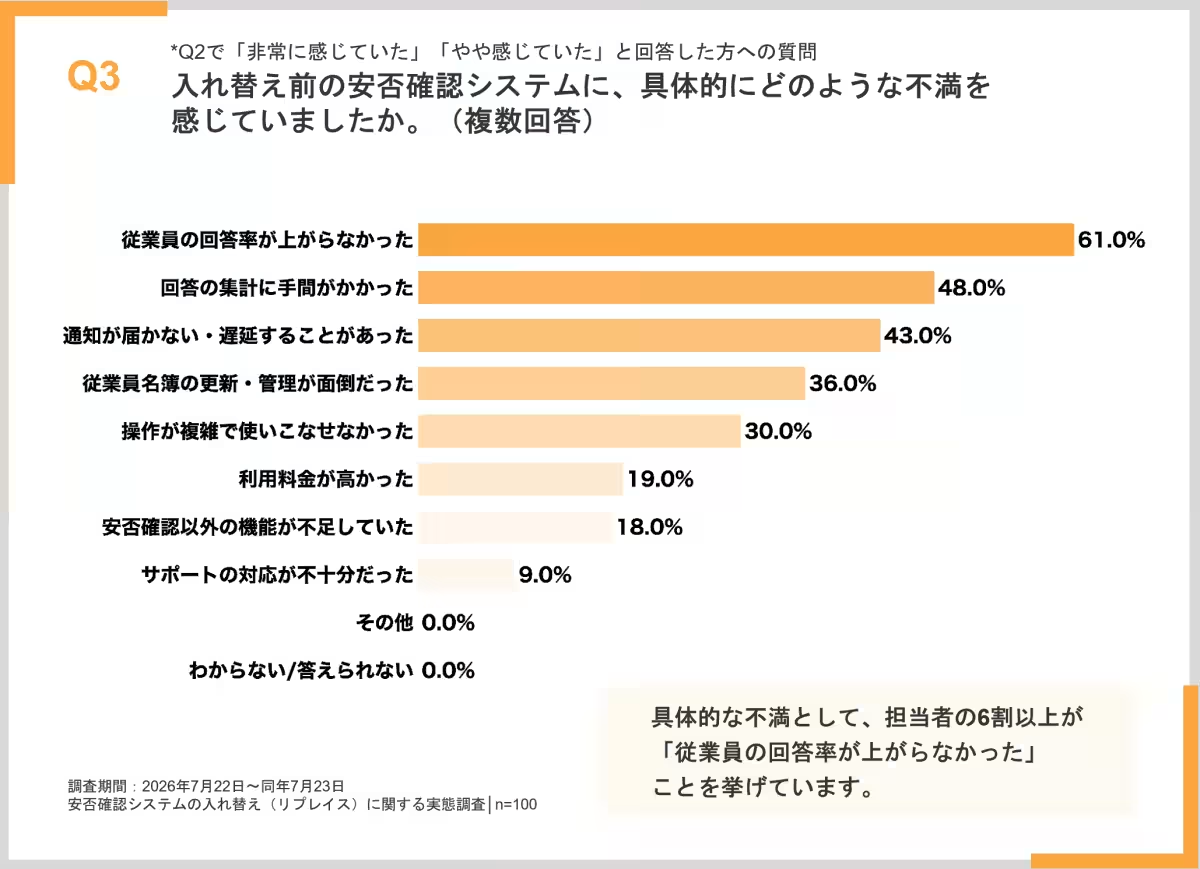
Toyokumo's survey aimed to uncover the reasons behind companies' decisions to upgrade their safety confirmation systems. It found that 89.3% of respondents had dissatisfaction with their previous systems, with the primary issue being low employee response rates. Other concerns included cumbersome data aggregation processes and delayed notifications. Notably, only a small fraction cited high costs as a reason for dissatisfaction, indicating that functionality and user-friendliness are paramount in this sector.
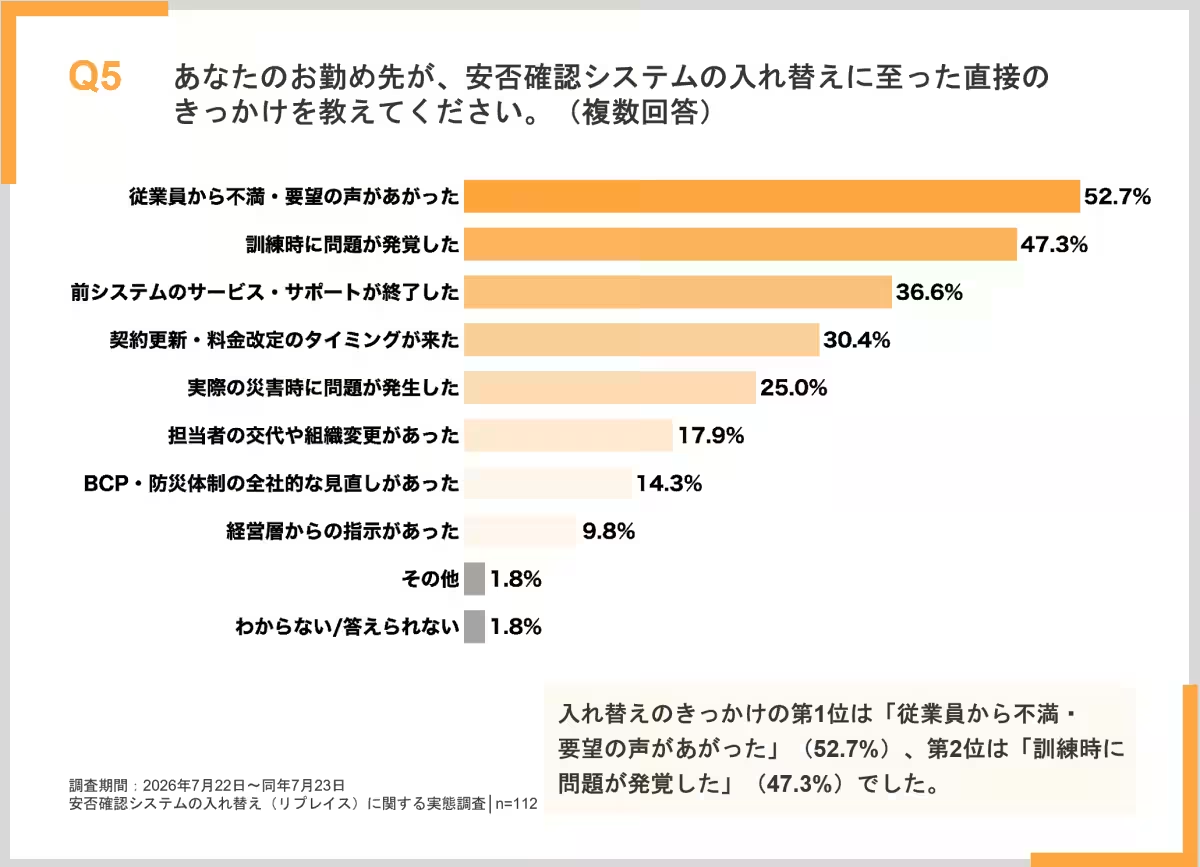
Interestingly, the majority of replacements were instigated not by external directives but rather from feedback within the organization. A notable 52.7% indicated that requests or dissatisfaction from employees prompted the need for an upgrade, whereas only 10% responded to executive directives. Additionally, a quarter of the respondents had directly experienced operational failures during a disaster, which helps contextualize the urgency for adopting more capable systems.
The Importance of Automation in Safety Protocols
When choosing a new safety system, the survey results reveal that 53.6% of participants prioritized automated transmission features that are integrated with disaster information. However, a staggering 93.8% expressed skepticism regarding the reliability of any system evaluated under non-crisis conditions. Thus, for companies, the challenge lies in validating a provider's claims about their system's performance under pressure.
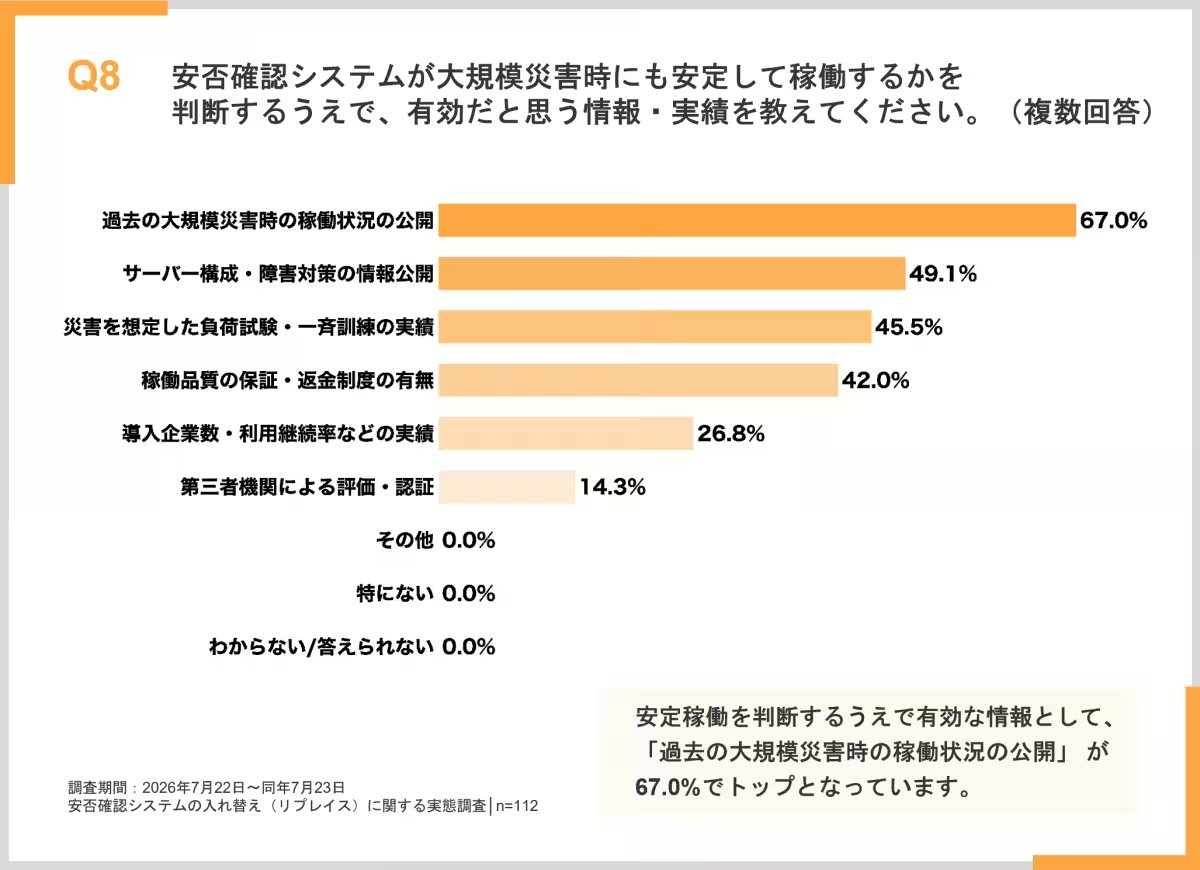
For prospective users, insights into actual past disaster performance—such as operational stability during prior crises—were highlighted as the most valuable information during assessments. Lack of access to real-time data can lead to uninformed decision-making, posing risks when disaster strikes.
Recommendations for Companies Considering Upgrades
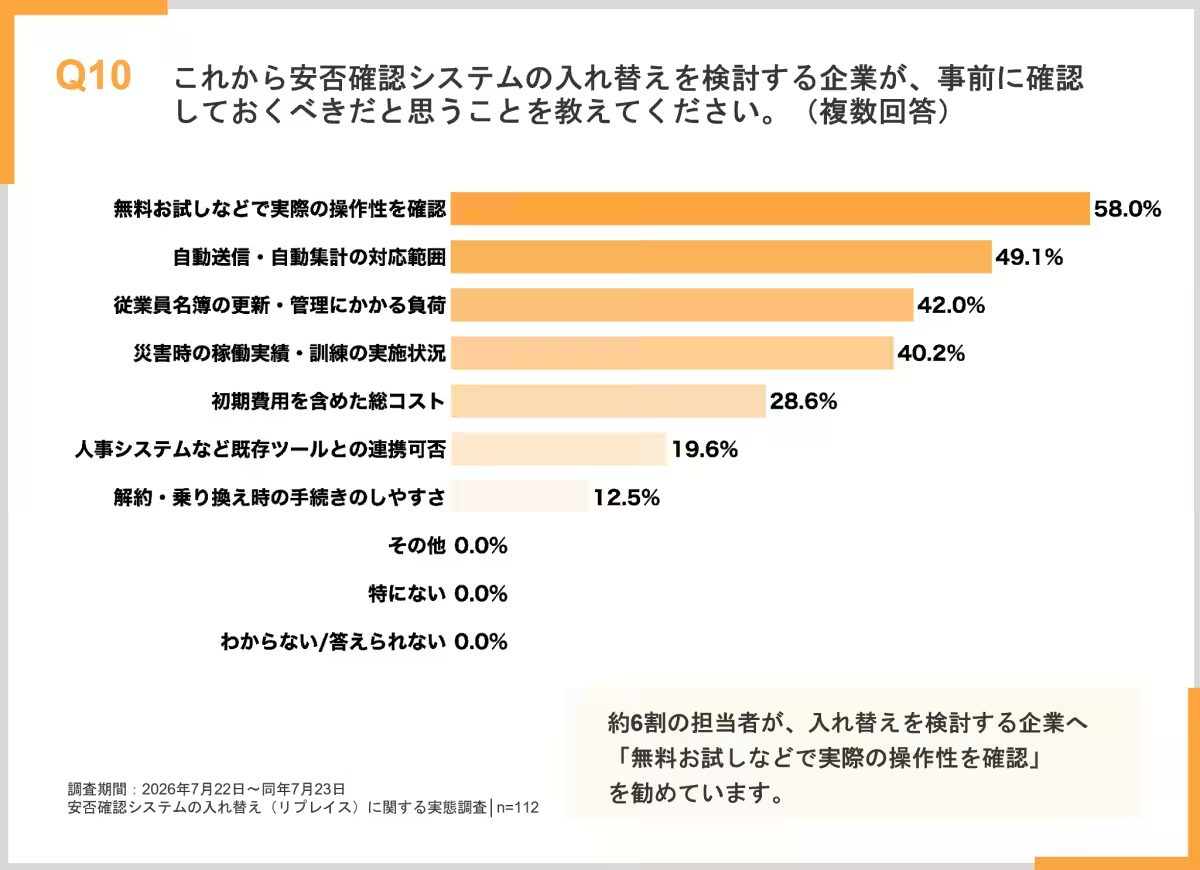
The survey indicates that following a system transition, 92.9% of operators perceived improvements in handling safety checks during crises. A compelling 58.0% recommended that organizations utilize free trial periods to gauge real-world usability before committing to a system. Key aspects to verify include the scope of automated functions, the management of employee data, and reported outcomes from previous trainings.
Toyokumo's insights reveal a clear need for practical testing of systems, advocating for a two-pronged approach: hands-on trials and verification of the provider's transparency regarding their historical performance and disaster response strategies.
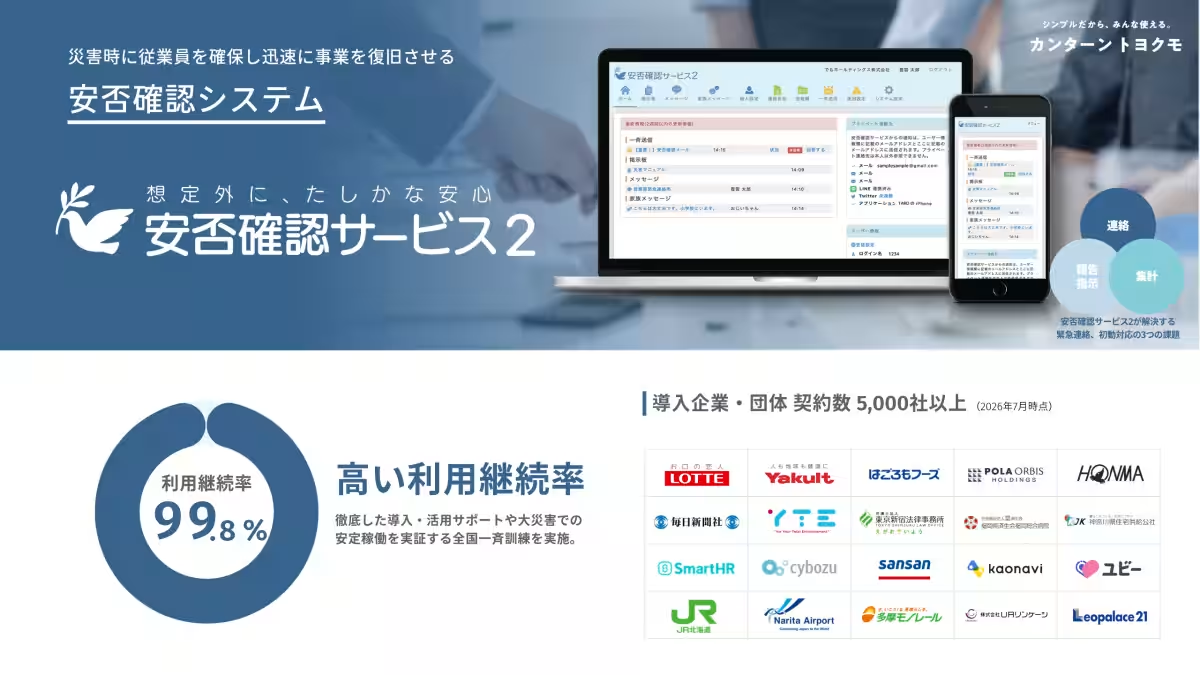
Furthermore, Toyokumo’s own 'Safety Confirmation Service 2' offers comprehensive trial periods alongside ongoing nation-wide training drills to ensure operational integrity. This hands-on experience enables companies to evaluate their systems actively and prepare adequately for unforeseen disasters. In a world where emergency readiness is paramount, reinforcing these insights through collective awareness and action could significantly enhance corporate resilience against emergencies.
In conclusion, Toyokumo’s survey highlights pivotal shifts in how companies view and implement safety systems. The emphasis on automatic features, reliability, and the necessity for experiential confirmation presents a critical landscape for disaster preparedness, where proactive measures can lead to safer outcomes for employees and businesses alike.


Topics Policy & Public Interest)




【About Using Articles】
You can freely use the title and article content by linking to the page where the article is posted.
※ Images cannot be used.
【About Links】
Links are free to use.