




The Rise of Japan's Cleanliness Culture: Insights from Mitsuhide Yoshikawa's Global Garbage Ranking
Celebrating Japan's Cleanliness: The Unique Garbage Ranking
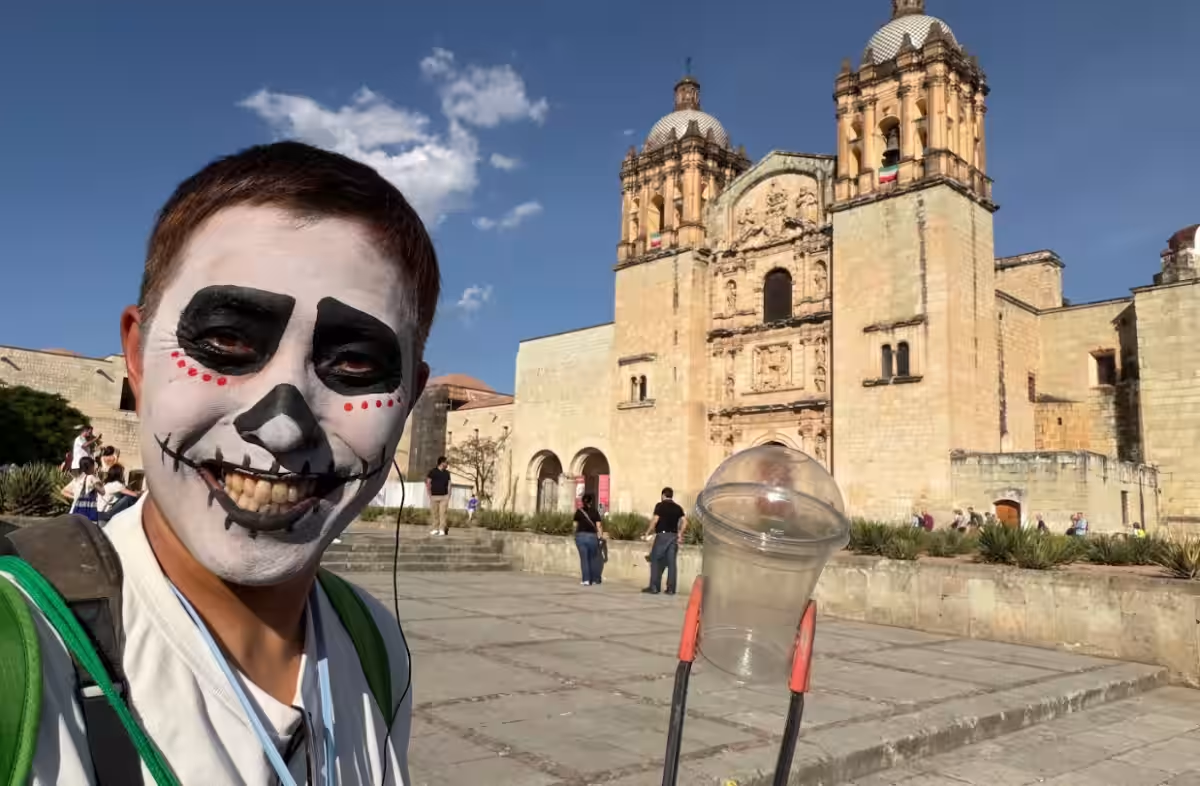
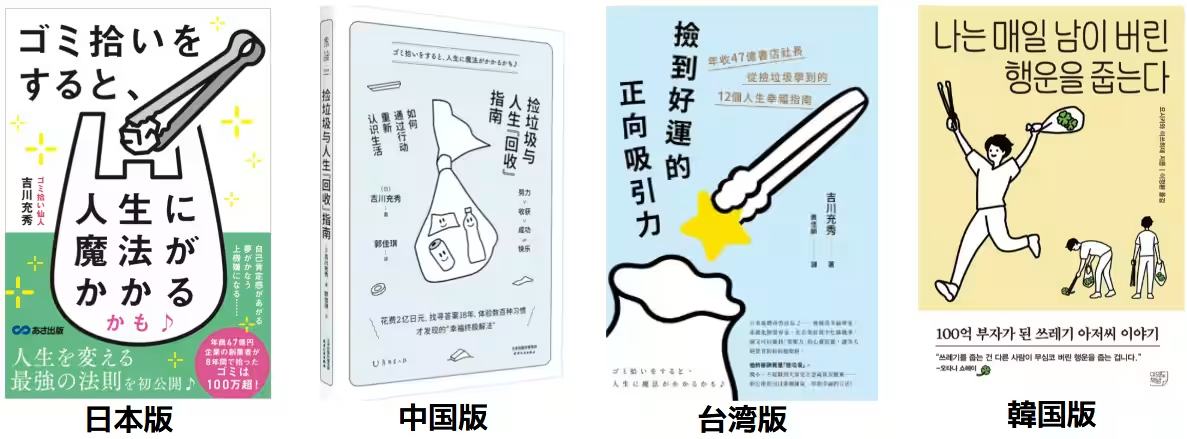
In a remarkable initiative, Mitsuhide Yoshikawa, often referred to as the 'Garbage Picking Sage,' has brought international attention to Japan's cleanliness culture. Originating from Nara Prefecture, the home of Prime Minister Sanae Takaichi, Yoshikawa's commitment to environmental sustainability shines through his unique garbage ranking system.
Mitsuhide Yoshikawa's Journey
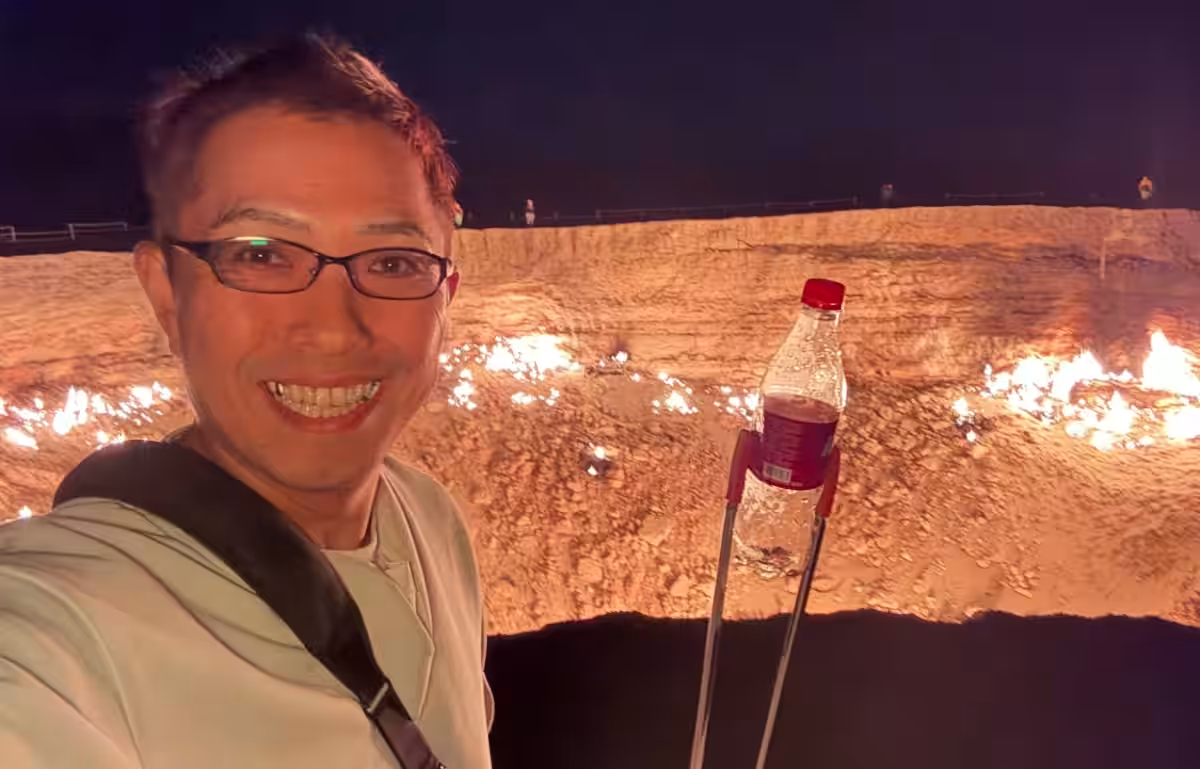
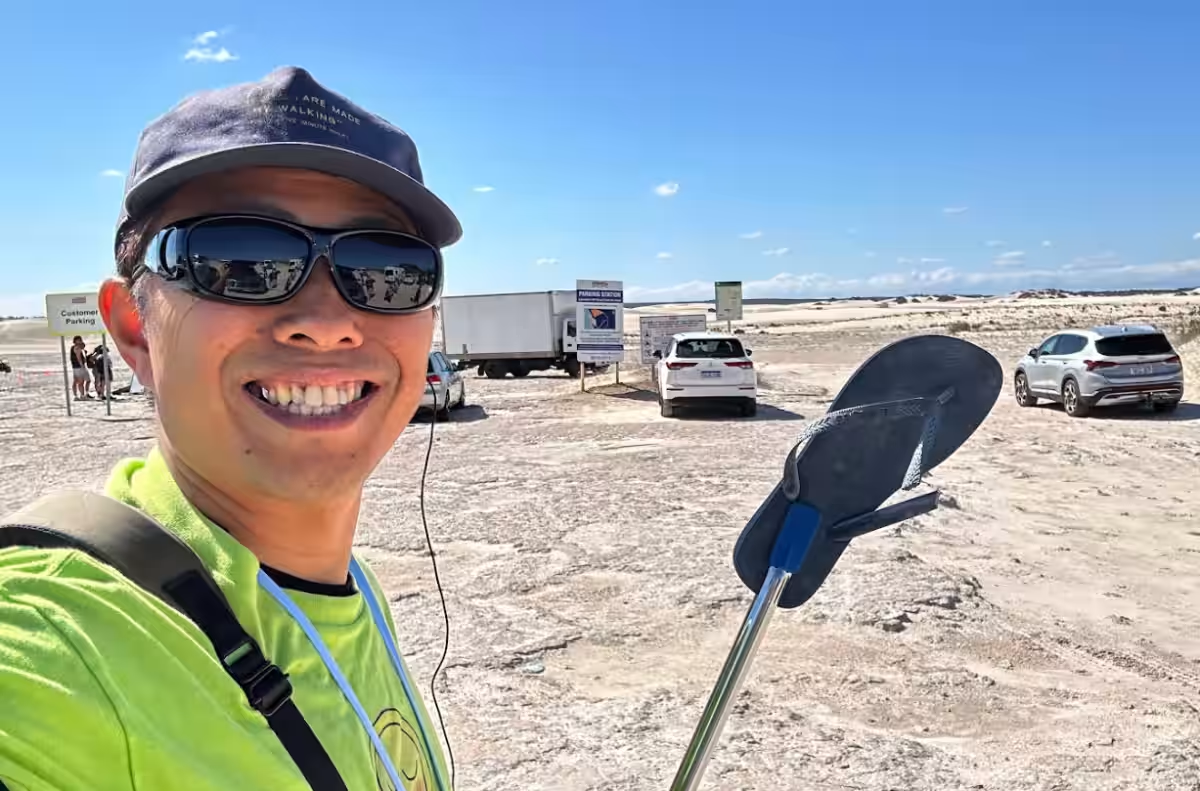
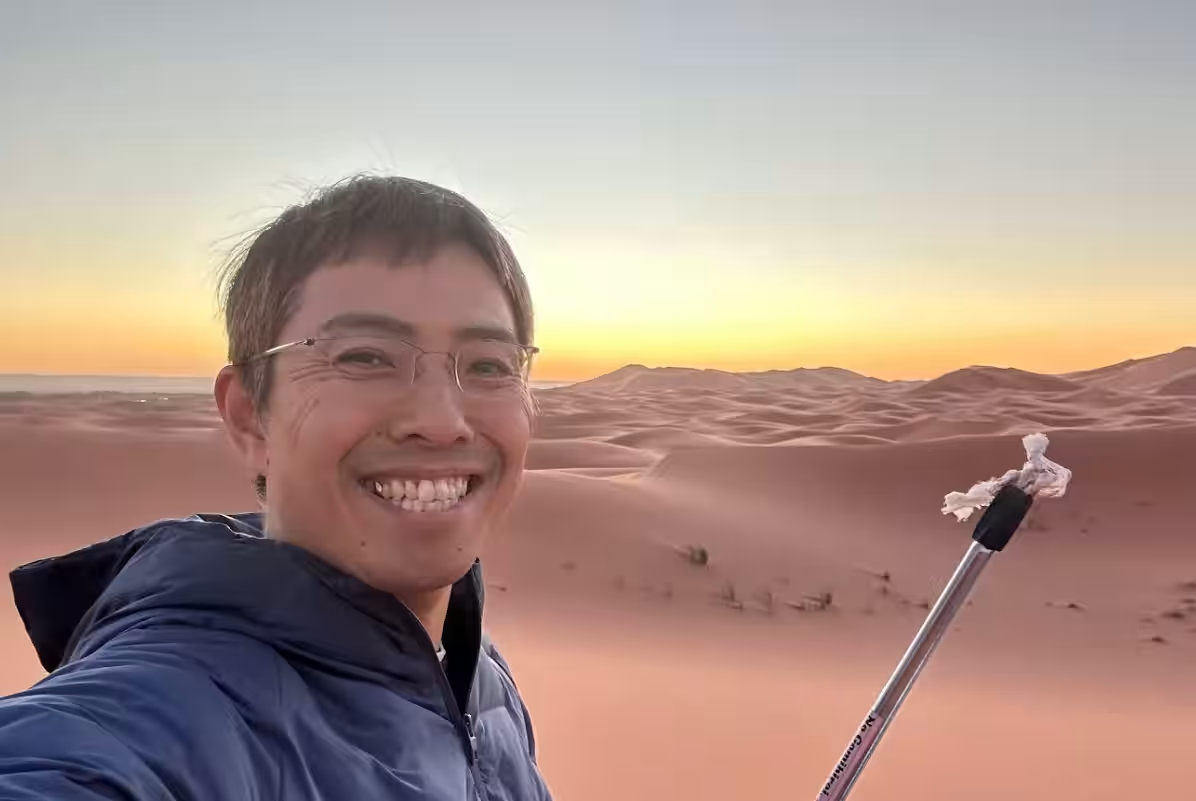
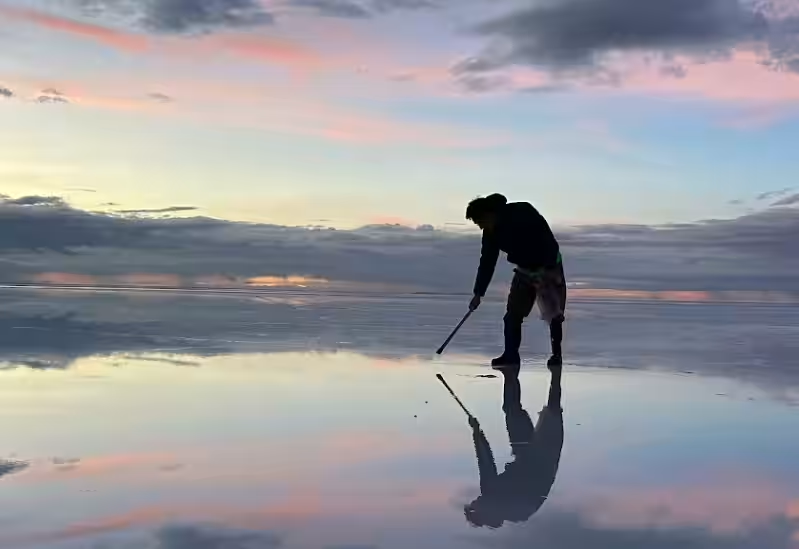
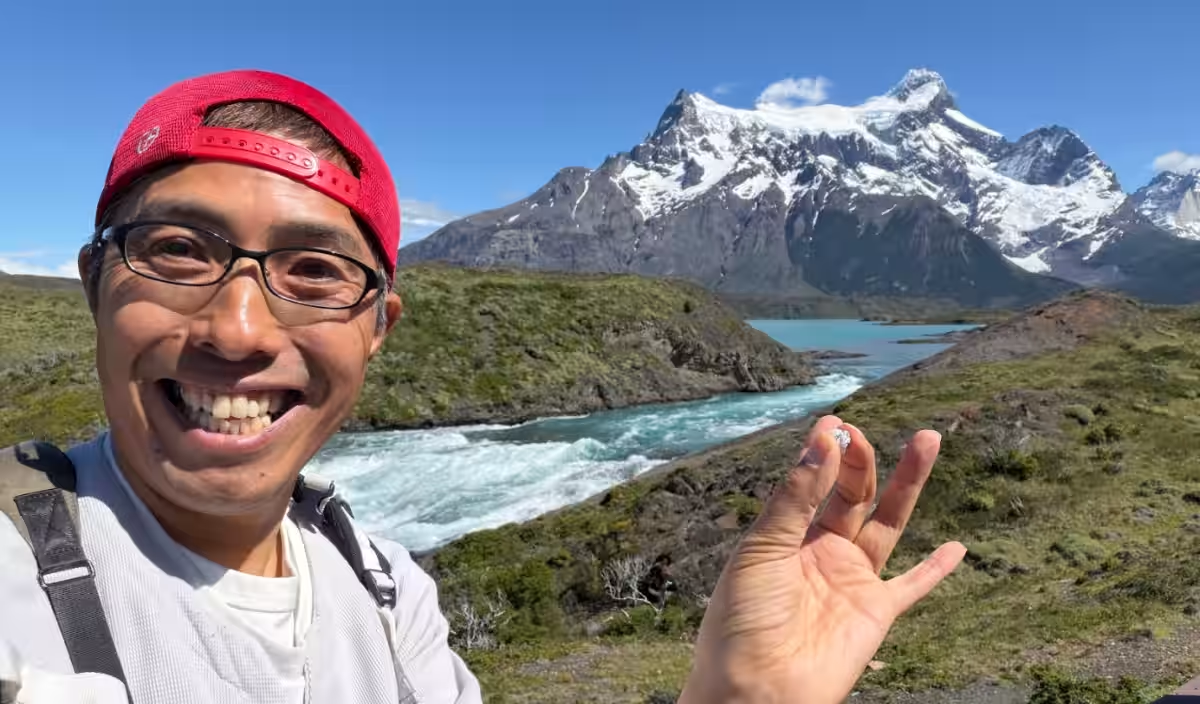
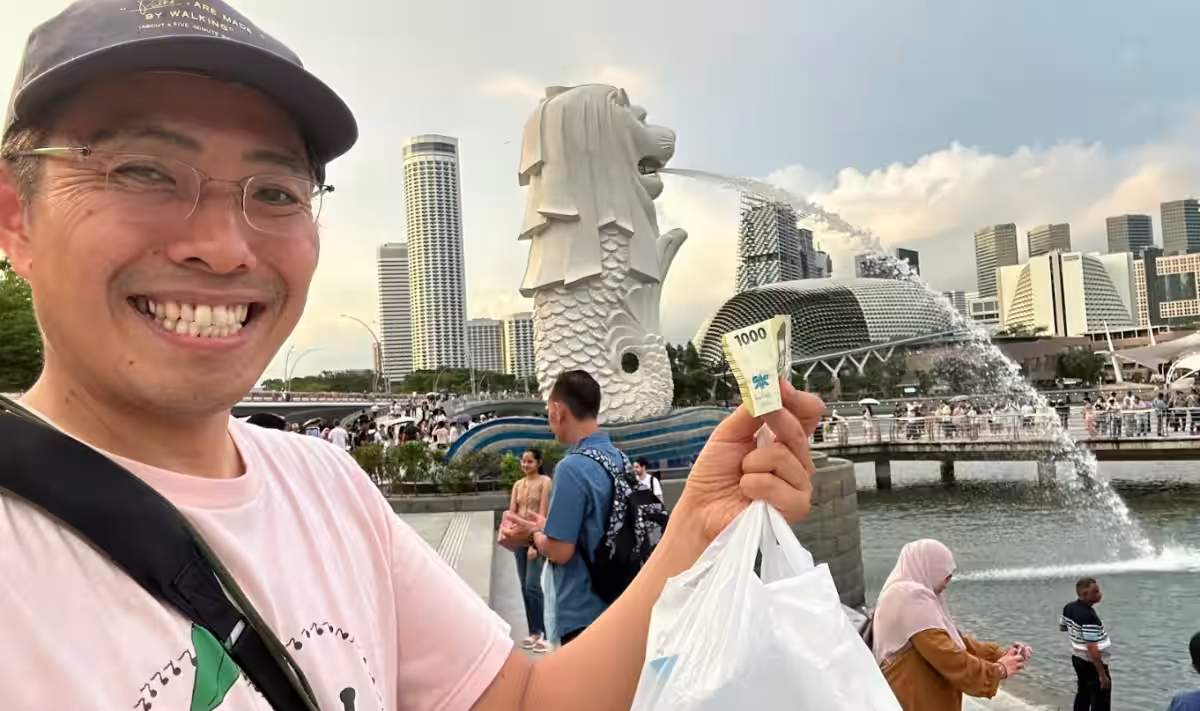
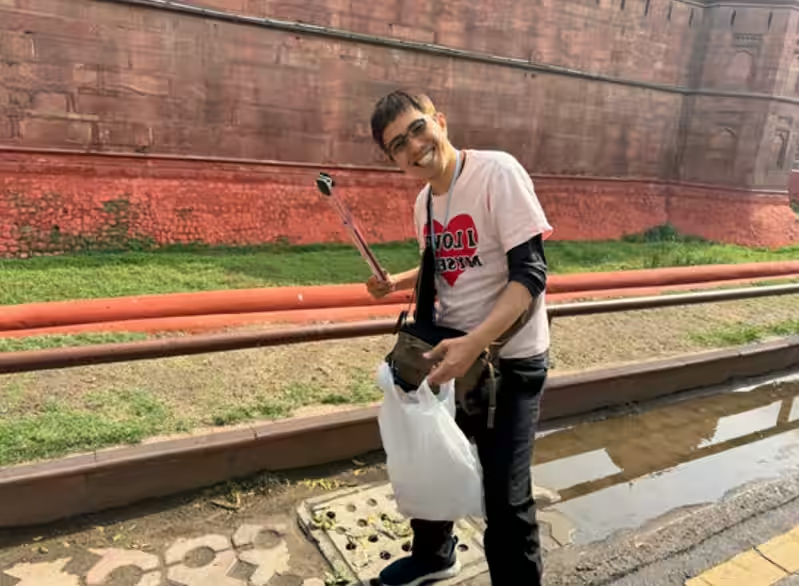
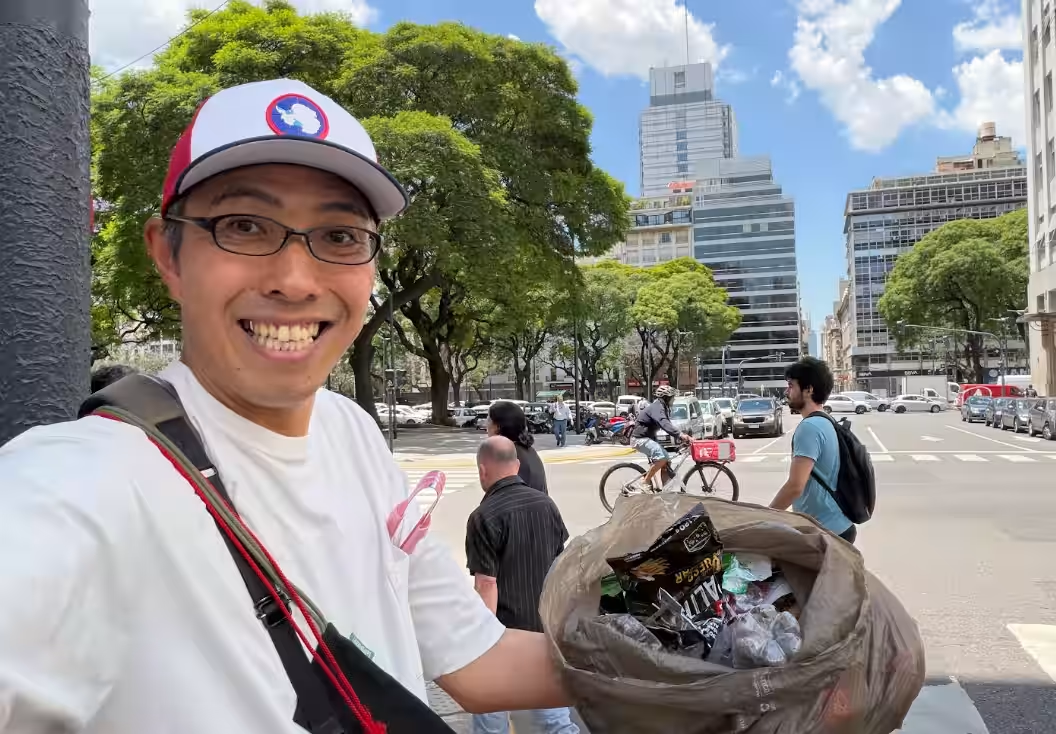
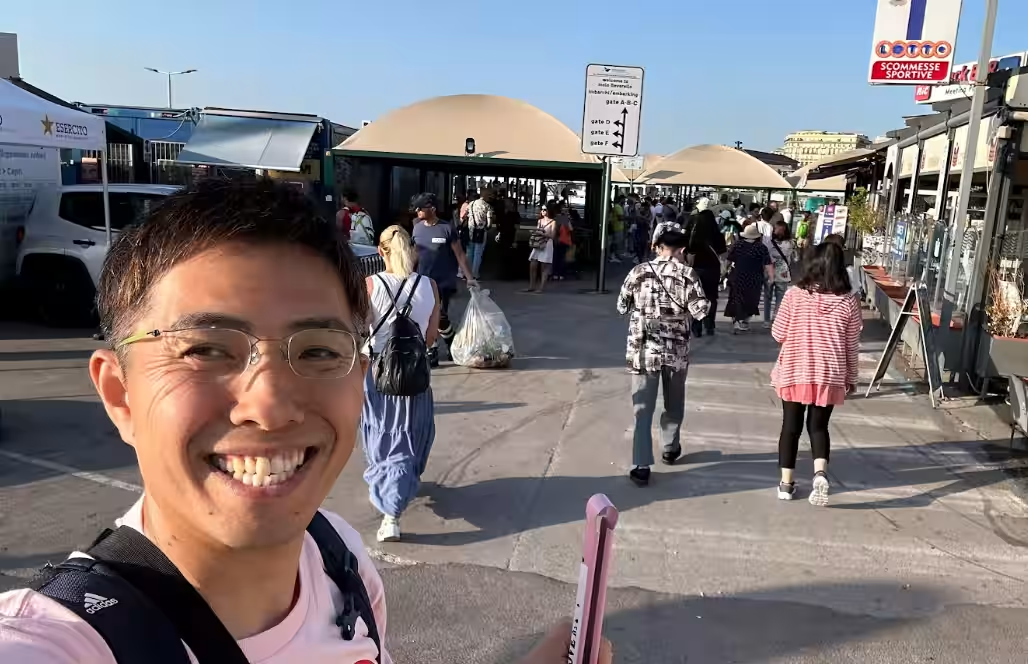
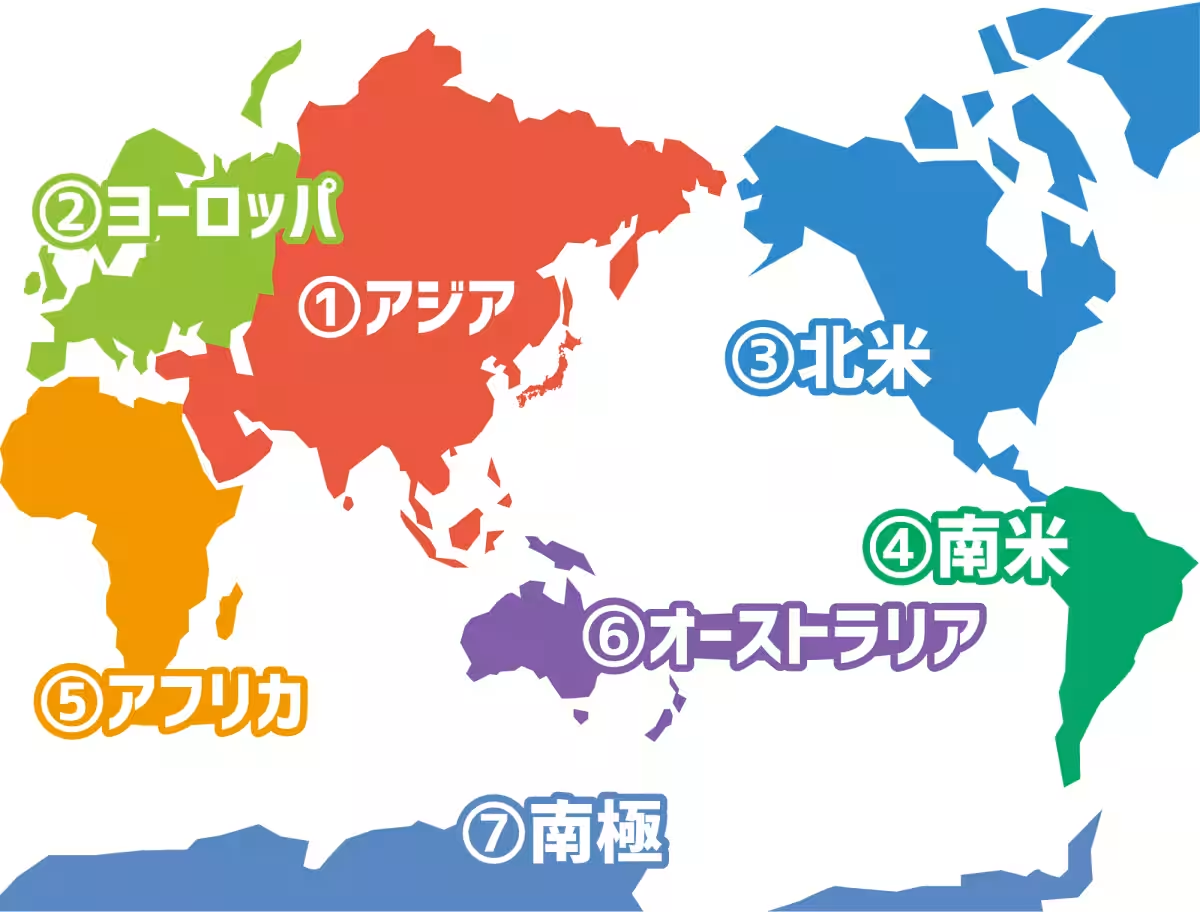
Yoshikawa, the chairman of Primavera Co., Ltd., has spent years cultivating a passion for cleaning up trash across the globe. As part of his visionary journey, on November 22, 2025, he completed garbage collection missions across all seven continents, culminating in a remarkable achievement.
His extensive work spans over 400 locations worldwide, providing him with valuable insights into global garbage issues and waste management. This culminated in the launch of the 'Garbage Ranking World Version' on December 18, which categorizes countries and famous tourist spots based on the volume of garbage collected.
The Garbage Ranking Breakdown
The world ranking essentially highlights two categories: countries with the least and the most garbage. Impressive revelations include:
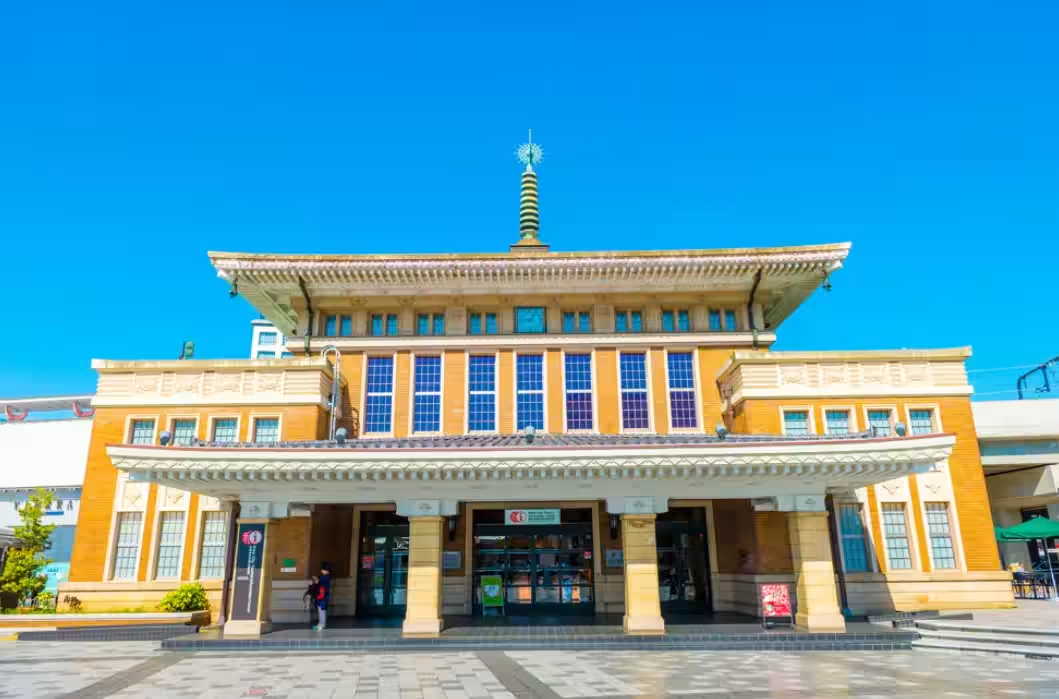
- - Least Garbage: Japan tops the chart, with Nara being acknowledged as the city with minimal waste.
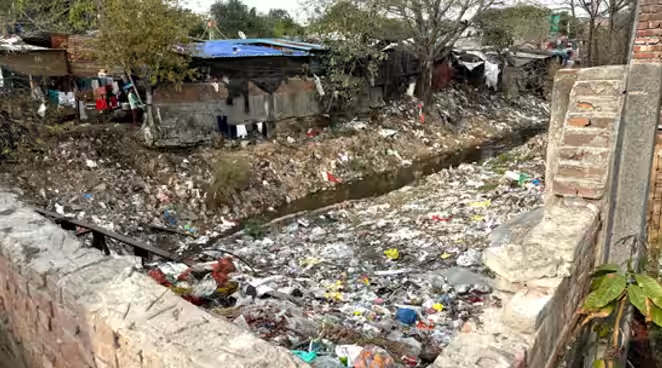
- - Most Garbage: India was ranked as the country with the highest garbage levels, showcasing a stark contrast.
Particularly eye-opening is the garbage landscape of popular tourist districts, with the data revealing that:
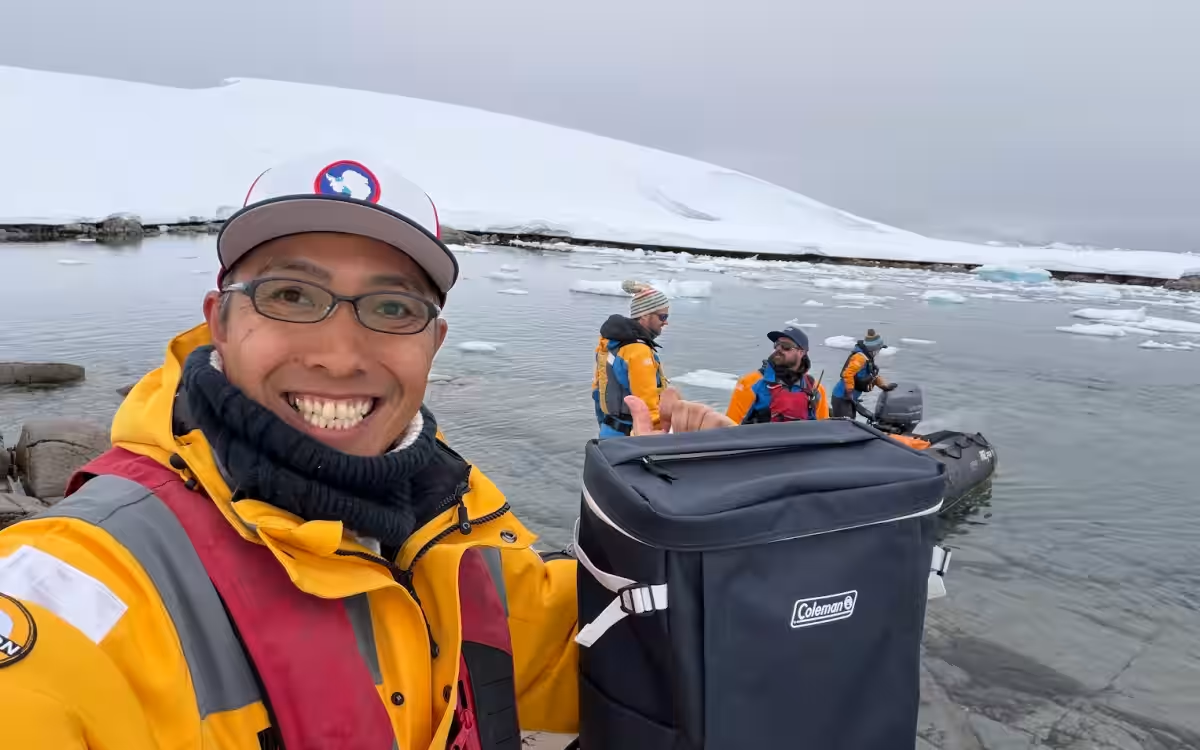
- - Most Clean Tourist Spot: Antarctica received a shocking 'zero' rating, with no trash found aside from minor litter left by visitors.
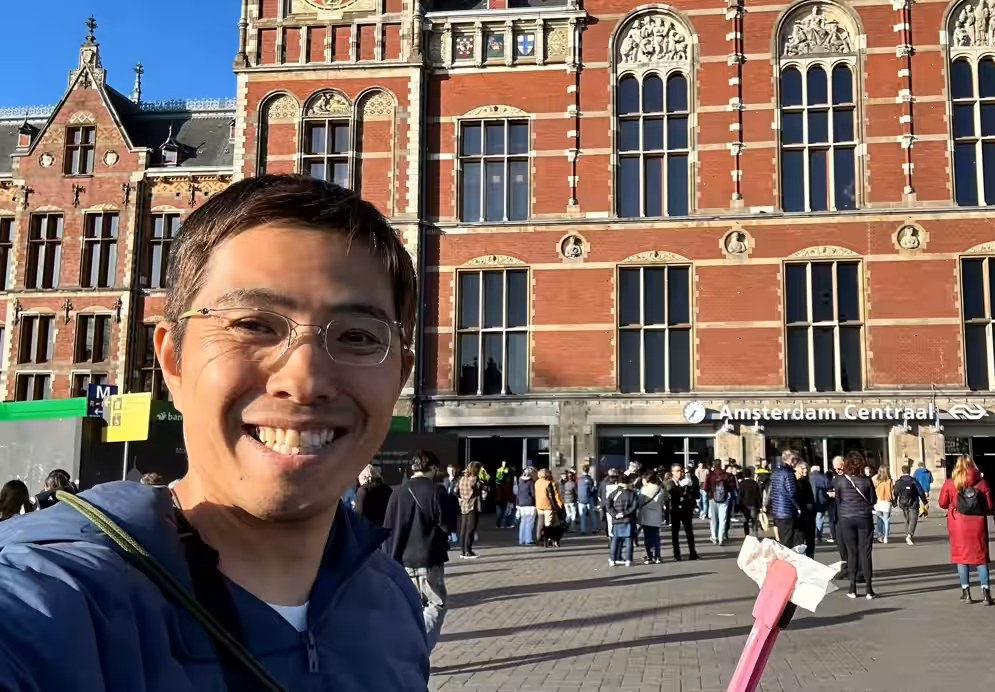
- - Most Garbage Littered Spot: Amsterdam's central train station in the Netherlands was flagged for alarming levels of trash, largely influenced by smoking habits prevalent in the city.
Insights into Garbage Collection
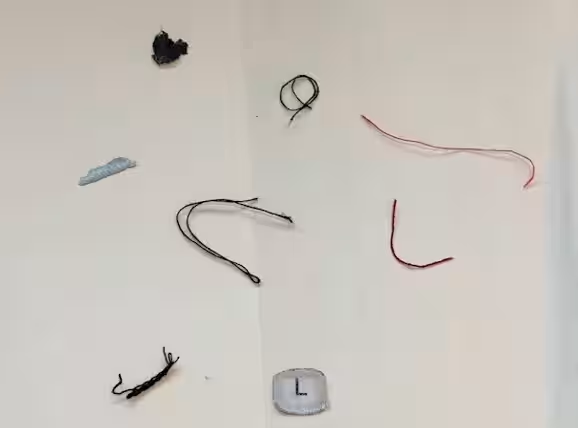
Yoshikawa's data is grounded in meticulous observations made during his extensive clean-up efforts. This base data led him to develop a star ranking system, ranging from one to five stars, based on the number of garbage pieces collected in a minute:
- - ★1 for two pieces or fewer
- - ★5 for 20 pieces or more
Cultural Implications
This candid exploration of waste highlights a stark difference in perseverance and societal norms towards cleanliness in Japan versus other countries. The Japanese culture values cleanliness as a fundamental aspect of daily life, influencing behaviors at an individual and community level. Yoshikawa emphasizes this ethos through his work and advocates for more awareness and action around global garbage issues.
As he evaluates refuse and cleanliness on a global scale, he is optimistic about changing world perceptions of waste and cleanliness. His goal is to inspire communities worldwide to take on the responsibility of maintaining their environments, which he believes can significantly impact overall wellbeing.
What Lies Ahead
Looking forward, Yoshikawa aims to achieve a garbage collection in all 47 prefectures of Japan by 2024 and continue to inspire individual travels focused on garbage collection across 100 countries. His journey showcases how simple actions can lead to environmental conservation and highlights the importance of collective responsibility.
In the wake of these initiatives, Yoshikawa is making waves in the field with his blog and YouTube channel aimed at encouraging others to participate in cleanup activities, thus fostering a culture of environmental awareness. Anyone interested in learning more about this extraordinary mission can follow his journey on social media or tune into his detailed blog posts.
Japan's dedication to cleanliness, spearheaded by remarkable individuals like Yoshikawa, serves as a reminder of how cultural values can harmoniously blend with environmental efforts. Let us celebrate this cleanliness culture while fostering a global narrative centered around sustainability and responsible waste management.



Topics Environment)
【About Using Articles】
You can freely use the title and article content by linking to the page where the article is posted.
※ Images cannot be used.
【About Links】
Links are free to use.