



Harnessing Wind Turbine Waste Blades for Power: The New Project Unveiled
Transforming Wind Turbine Waste into Energy
In a groundbreaking initiative, the Off-Grid Design Consortium (OGD), based in Chiyoda, Tokyo, has announced a pioneering project that repurposes waste blades from wind power plants into a sustainable energy resource. Collaborating with Maeda Corporation and Tripod Design, OGD is utilizing micro power collection (MPC) technology to address the significant issue of discarded wind turbine blades, which often end up causing environmental concerns due to CO2 emissions and disposal costs.
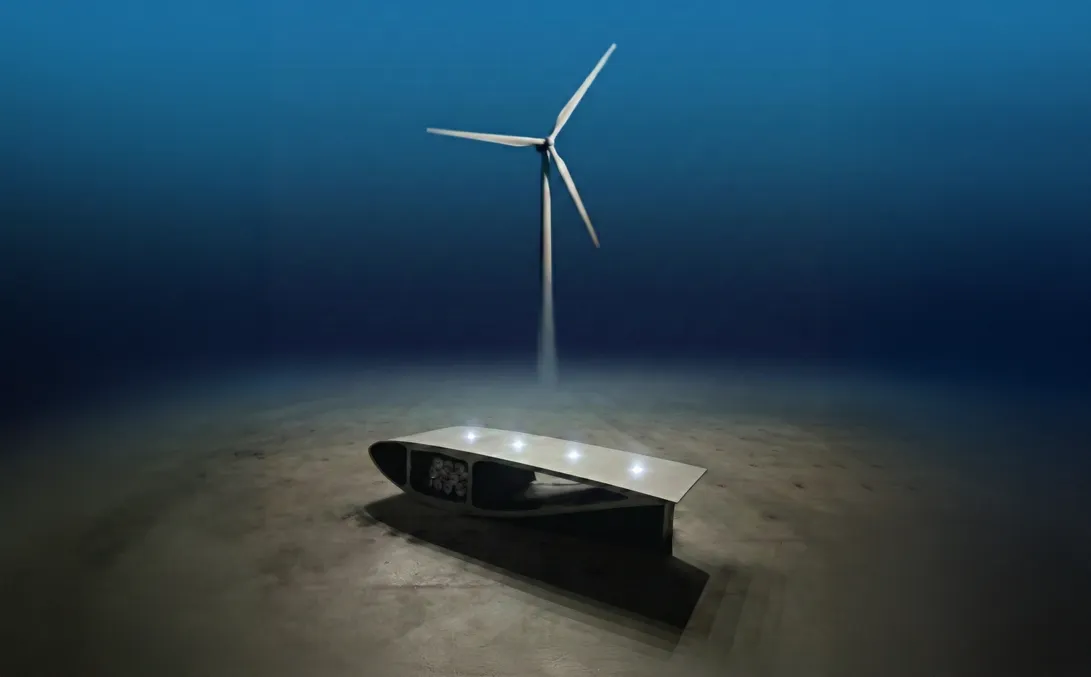
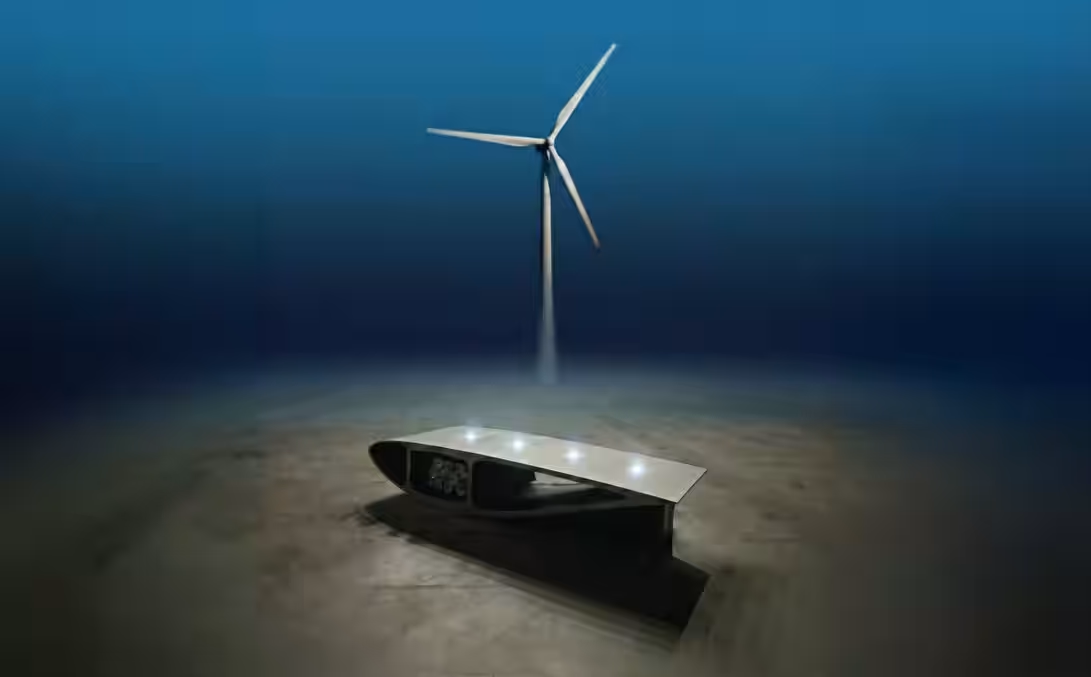
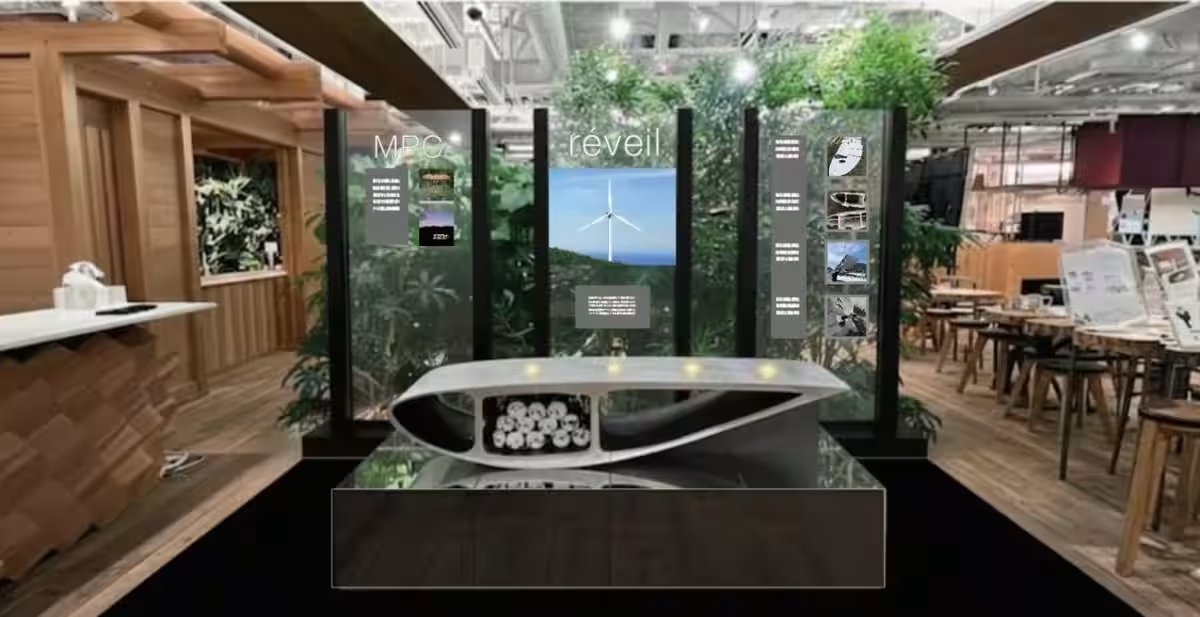
As part of this innovative project, a prototype art bench titled "reveil" has been created using the discarded blades. The bench is equipped with LED lights powered by a micro power collection system that uses the waste blades as an electrolyte to generate electricity. This initiative not only aims to reduce industrial waste but also to create new value in society by transforming discarded materials into new energy sources.
The bench will be showcased starting December 17 at Otemachi 3×3 Lab Future, with a special presentation event scheduled for the same day from 1:00 PM to 3:00 PM, highlighting the significance of the project. This initiative marks a significant advancement towards social implementation, backed by technical verification conducted at Maeda Corporation's ICI Comprehensive Center.
Addressing the Circular Economy Challenge
In recent years, the importance of recycling and resource circulation has gained momentum, particularly with global initiatives aimed at achieving carbon neutrality and promoting a circular economy. However, the disposal of wind turbine blades presents a growing challenge, as the blades are typically made from composite materials that are difficult to recycle. This has resulted in common practices such as landfilling and incineration, raising substantial concerns about CO2 emissions and processing costs.
The blades, primarily composed of fiberglass and carbon fiber bound with thermosetting resin, present significant challenges for reuse. Consequently, innovative solutions are required to balance the proliferation of renewable energy with the rising waste problem—highlighting the urgent need for advanced recycling technologies.
Features of the Project: Generating Power with Art
This project uniquely utilizes the waste blades in two significant ways: creating a self-powered art bench and generating electricity through MPC technology.
1. Structural Use of Waste Blades: The revel bench cleverly uses the inherent durability and weather resistance of the waste blades in its structure, aiming to reduce industrial waste while simultaneously adding value to discarded materials.
2. Self-sufficient Power Generation: The internal micro power collection cells utilize crushed waste blades as an electrolyte, enabling independent power generation. This means that the bench can illuminate itself regardless of weather conditions or power outages, thereby supporting both everyday life and offering assistance during emergencies.
3. Artistic and Social Design Synergy: By merging waste, energy collection, and public space, the project innovates sustainable design, creating artwork with aesthetic and societal significance. The art bench serves as both a functional piece and a medium for ecological awareness.
Exhibition and Event Information
The project will be publicly exhibited, and a commentary event will feature insights from researchers and developers about the research's value and implications. Event details are as follows:
- - Date: December 17, 2025, from 1:00 PM to 3:00 PM (Registration begins at 12:30 PM)
- - Location: Otemachi 1-1-2, Chiyoda, Tokyo (3×3 Lab Future)
Access the detailed map and registration links:
Future Perspectives
Building upon this project, OGD aims to foster a circular economy through advanced recycling techniques, transforming waste into new energy resources. OGD will continue to promote the adoption of micro power collection technologies and collaborate with various organizations within the consortium to drive forward the development of decentralized energy solutions.
For further inquiries, please contact OGD at:
- - Email: [email protected]
- - Website: Off-Grid Design
Conclusion
The integration of sustainability into art signifies a shift toward innovative waste management and energy production. This project exemplifies how creative thinking can lead to new paradigms in tackling environmental challenges while enriching public spaces with functional art.
- ---

Topics Environment)
【About Using Articles】
You can freely use the title and article content by linking to the page where the article is posted.
※ Images cannot be used.
【About Links】
Links are free to use.