



The Rise of Single Living: Insights from Japan's Dining Trends
The Rise of Single Living: Insights from Japan's Dining Trends
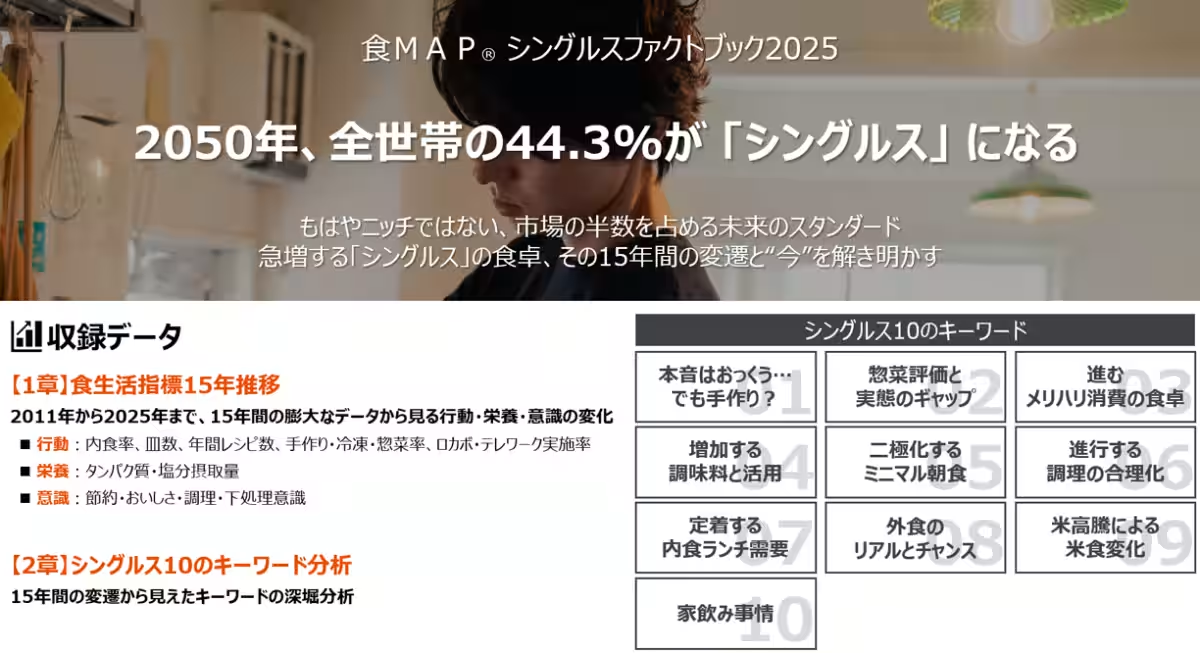
In recent years, Japan has witnessed a significant demographic shift, especially concerning household structures. According to the Japan Institute for Social and Economic Research, the proportion of single-person households is projected to exceed 40% by 2025 and 44.3% by 2050. This change is subtly but profoundly influencing dining habits across the country. In this article, we delve into the culinary practices of single-person households and the impact they have on Japan’s dining landscape.
A Surprising Trend: Home-Cooked Meals on the Rise
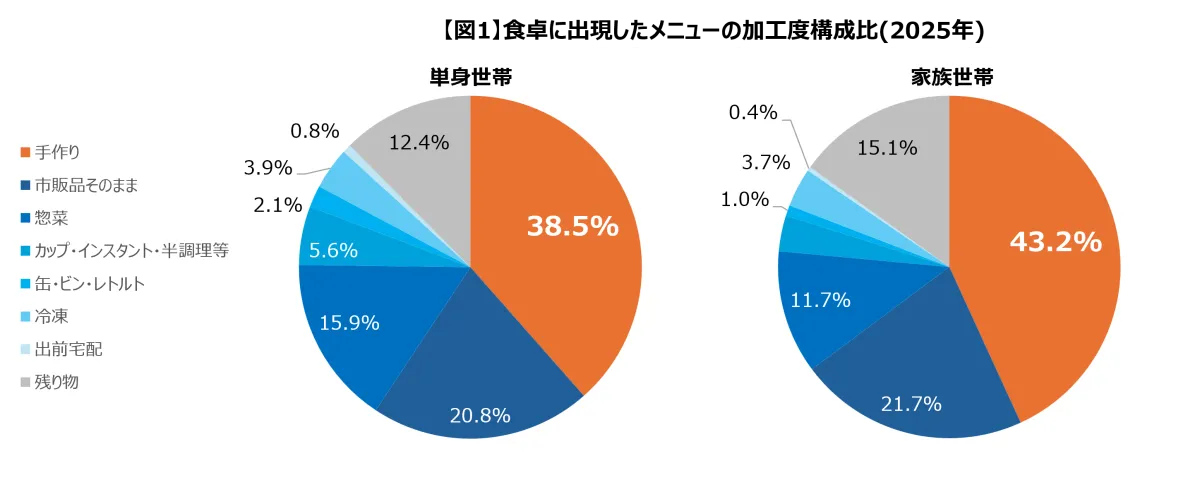
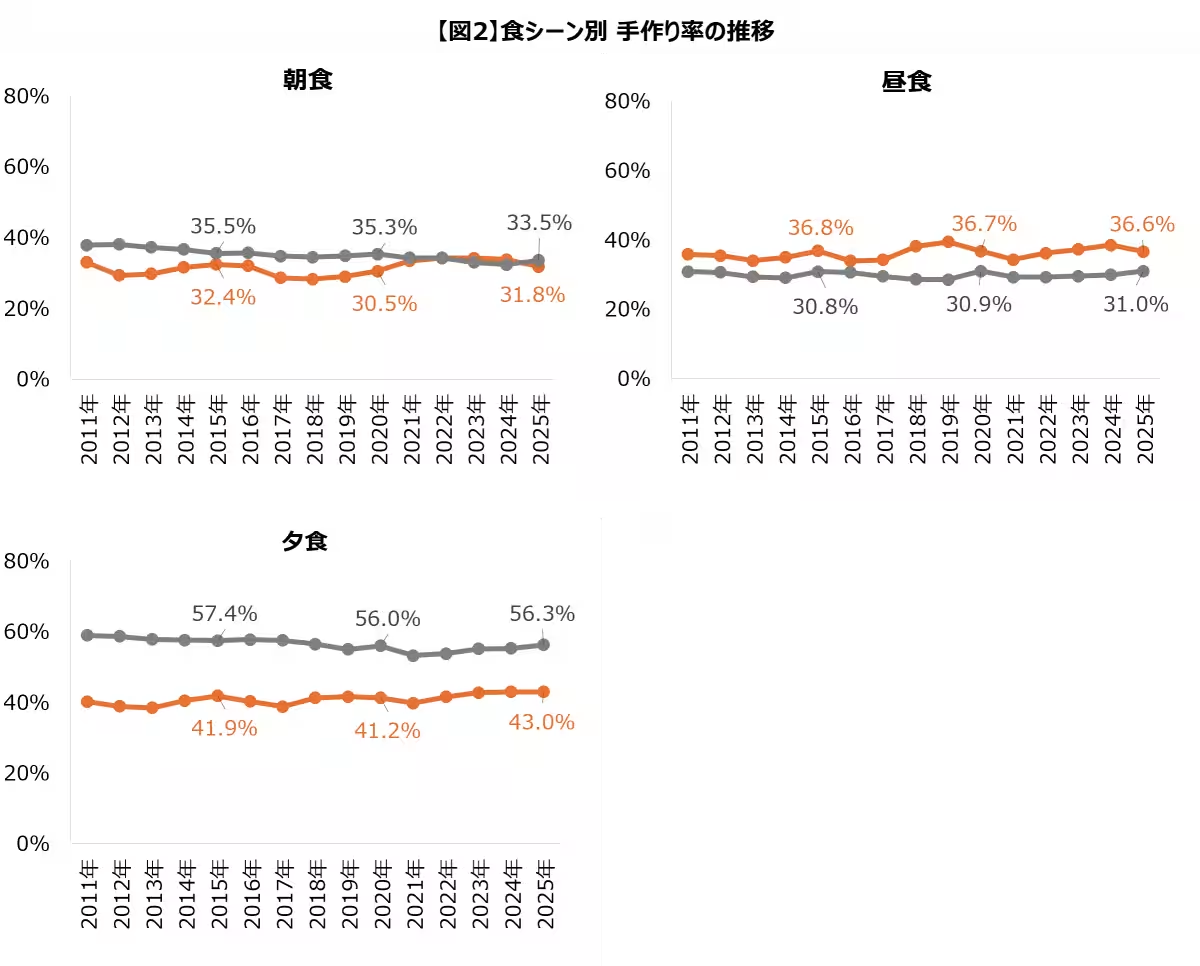
Traditionally, society has held a perception that single individuals engage less in home cooking. However, analysis from 2025 reveals a different story. Data indicates that a striking 38.5% of meals consumed by single households are home-cooked. While this percentage is lower (-4.7 percentage points) compared to family households, the realization that nearly 40% of their meals are prepared from scratch surprises many.
The trend appears even more pronounced when examining the historical context. Over the past 15 years, single households have seen a steady increase in home-cooked meals, particularly during breakfast, which started rising during the pandemic. In stark contrast, family households have experienced a gradual decline in home-cooking frequency during the same period.
The Shift in Cooking Habits
Analyzing meal preparation habits reveals contrasting trends. Single households have shown a remarkable shift towards increasing rates of home-cooked meals, growing from past statistics. Family households, however, reflect a decreasing tendency in this area, particularly noticeable at breakfast. This dichotomy underscores a behavioral pattern where single households are becoming more committed to cooking, while family units are drifting towards convenience and prepared foods.
Evening Dining Trends
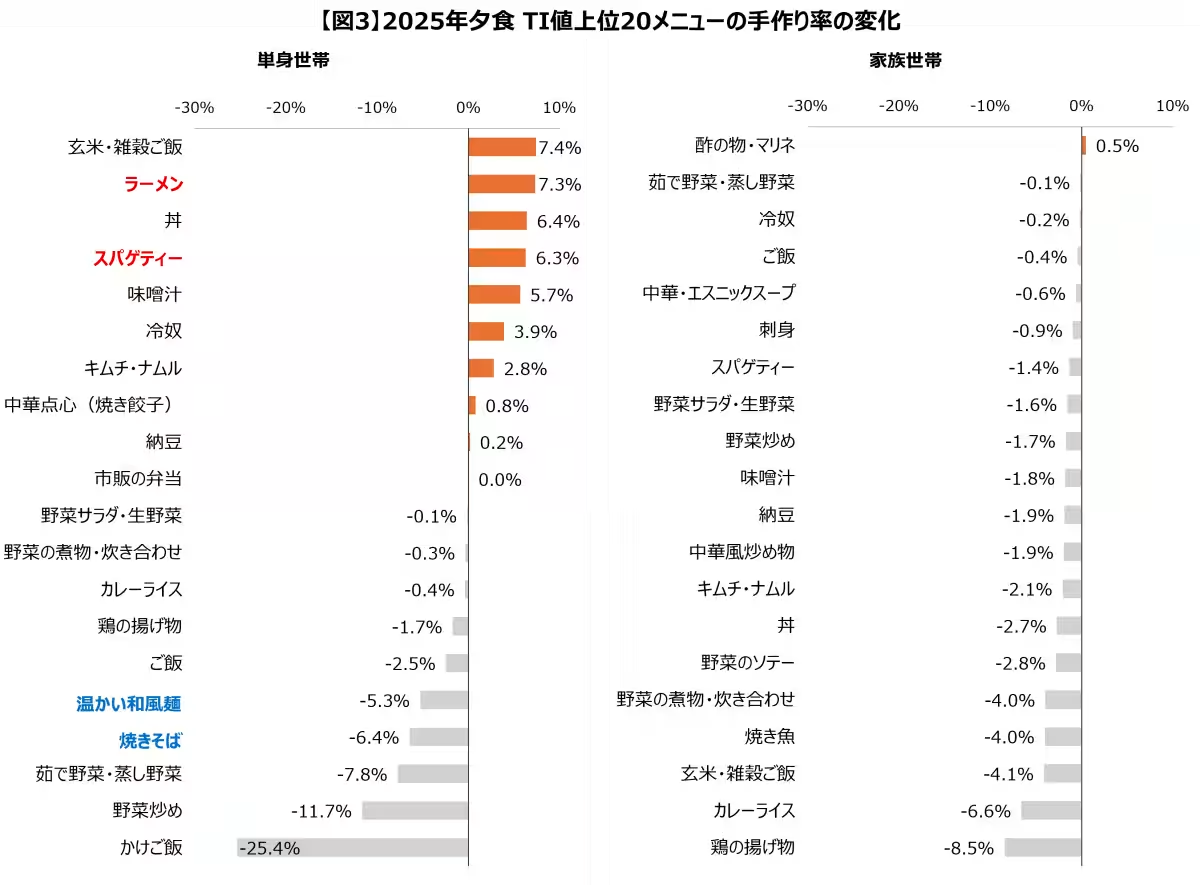
Diving deeper into the specifics of evening dining habits, we can identify menu preferences among single households. A study examining the top 20 dinner items from 2015 to 2025 highlights significant changes in cooking rates. For instance, pasta and ramen have become increasingly popular, indicating a shift towards home preparation. Specifically, the hand-made rates for ramen and spaghetti have risen by 6.3 and 7.3 percentage points, respectively, over the last decade. Conversely, other items like soba and yakisoba are seeing a decline, indicating reliance on easy-to-prepare or ready-made options.
The stark contrast within family households shows a common reduction in the percentage of home-cooked meals across various categories, emphasizing a broader trend of convenience overriding traditional cooking practices.
Dining Out: A Different Kind of Meal Experience
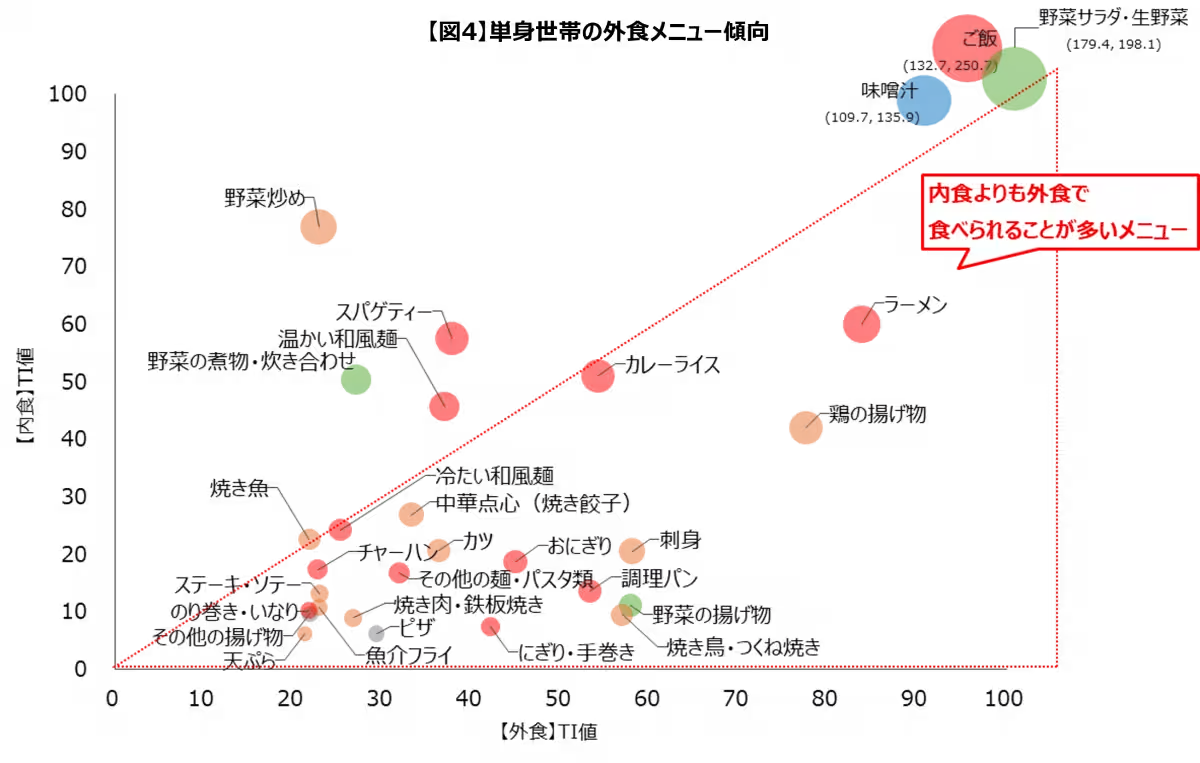
Having explored the tendencies of home-cooked meals, it is essential to also consider the dining-out patterns of single households. In 2025, specific menus have emerged as favorites among single individuals when dining out, such as deep-fried items, sashimi, and special dishes like sushi and pizza. This aligns with a preference for indulgent, often elaborate meals that they are less inclined to prepare at home. The data suggests that when it comes to enjoying something special, single individuals often prefer dining out rather than opting for takeout or home preparation.
Insights for Future Trends
This exploration into the dining behaviors of single households versus families provides crucial insights. The interactive dynamics between meal preparation trends and household structures indicate evolving needs for businesses and marketers within the food industry. It highlights the necessity for innovative product design and offerings tailored to meet the unique preferences of this growing demographic.
Conclusion
As we analyze these trends, our findings reveal that single households exhibit distinct patterns of behavior that deviate significantly from family households. Understanding these changes will play a vital role in shaping future market strategies and product offerings within the culinary landscape in Japan. As consumer habits continue to evolve, the need to properly engage with the single household demographic will become increasingly critical for industries involved in food and meal services.
In light of these developments, we are excited to announce the release of our new report, "Singles Fact Book," which compiles extensive research and analysis on the eating behaviors of single households throughout the year. This resource promises to offer valuable insights for businesses looking to connect with and cater to this expanding market segment.

Topics Consumer Products & Retail)
【About Using Articles】
You can freely use the title and article content by linking to the page where the article is posted.
※ Images cannot be used.
【About Links】
Links are free to use.