



Shizen Energy and Tokyo Tatemono Sign a Virtual PPA for Sustainable Energy Transition
In a significant move towards sustainability and carbon neutrality, Shizen Energy and Tokyo Tatemono have recently finalized a virtual Power Purchase Agreement (PPA). This agreement marks the transition of the existing FIT (Feed-in Tariff) solar power generation facility in Yufu City, Oita Prefecture, to the FIP (Feed-in Premium) system, allowing the delivery of long-term environmental value linked to renewable energy.
As the urgency to decarbonize intensifies globally, organizations are under pressure to transition their energy consumption to renewable sources. Initiatives such as RE100 and debates surrounding updates to the GHG Protocol underscore the growing importance of acquiring renewable energy with 'additionality,' which promotes new investments in renewable initiatives. Japan's FIT system, traditionally relied upon for renewable energy adoption, has prompted a shift towards the FIP system and autonomous procurement via PPAs. This shift is designed to lessen the financial burden on the general populace through the previous levy system.
In this context, since April 2022, Shizen Energy has been supplying renewable energy generated from solar panels installed atop Tokyo Tatemono's logistics facility, T-LOGI Fukuoka, to the Tokyo Tatemono Hakata Building, an urban structure in Fukuoka City, utilizing a self-procurement system. To cover electricity consumption in the Tokyo Tatemono Hakata Building that does not utilize renewable sources, Shizen Energy has been procuring non-FIT fossil-free certificates. Now, with an eye toward enhancing additionality, Shizen Energy has transitioned its solar power plant to the FIP system and contracted with Tokyo Tatemono to supply 'non-FIT non-fossil certificates (designated renewable energy)' as environmental value.
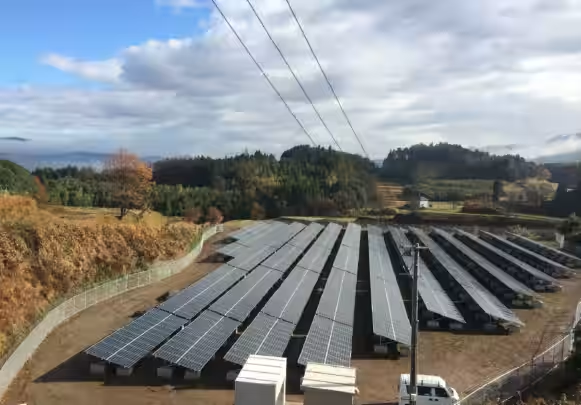
The contract involves the solar power facility Yufu Shonai Nobahata, which has a DC capacity of 480 kW and commenced operations in December 2015. Through this agreement, environmental value tied to the electricity generated will be supplied to Tokyo Tatemono in a long-term framework.
This agreement features two key attributes:
1. Risk Reduction Against Market Price Fluctuations
In common virtual PPAs, the purchase price and the market price of electricity are subject to settlement variances only, creating a vulnerability for consumers if market prices fluctuate. Leveraging the FIP system, this agreement mitigates the overall price risk and offers a mechanism for supplying environmental value without being tethered to market fluctuations, enhancing Tokyo Tatemono's strategic planning for sustainable procurement.
2. Long-term Assurance of High-Quality Renewable Environmental Value
According to RE100’s technical requirements, environmental value from FIT sources becomes non-additional post-15 years unless accompanied by new investments like repowering. As many plants initiated post-2012 risk failing to meet additionality by 2027, anticipated reductions in non-FIT certificates could lead to price surges and predictability issues for consumers. This venture, through an early conversion of existing FIT sources to FIP followed by a virtual PPA, secures these anticipated environmental values for the long term, ensuring consumers can procure high-quality renewable energy assuredly amid market turmoil.
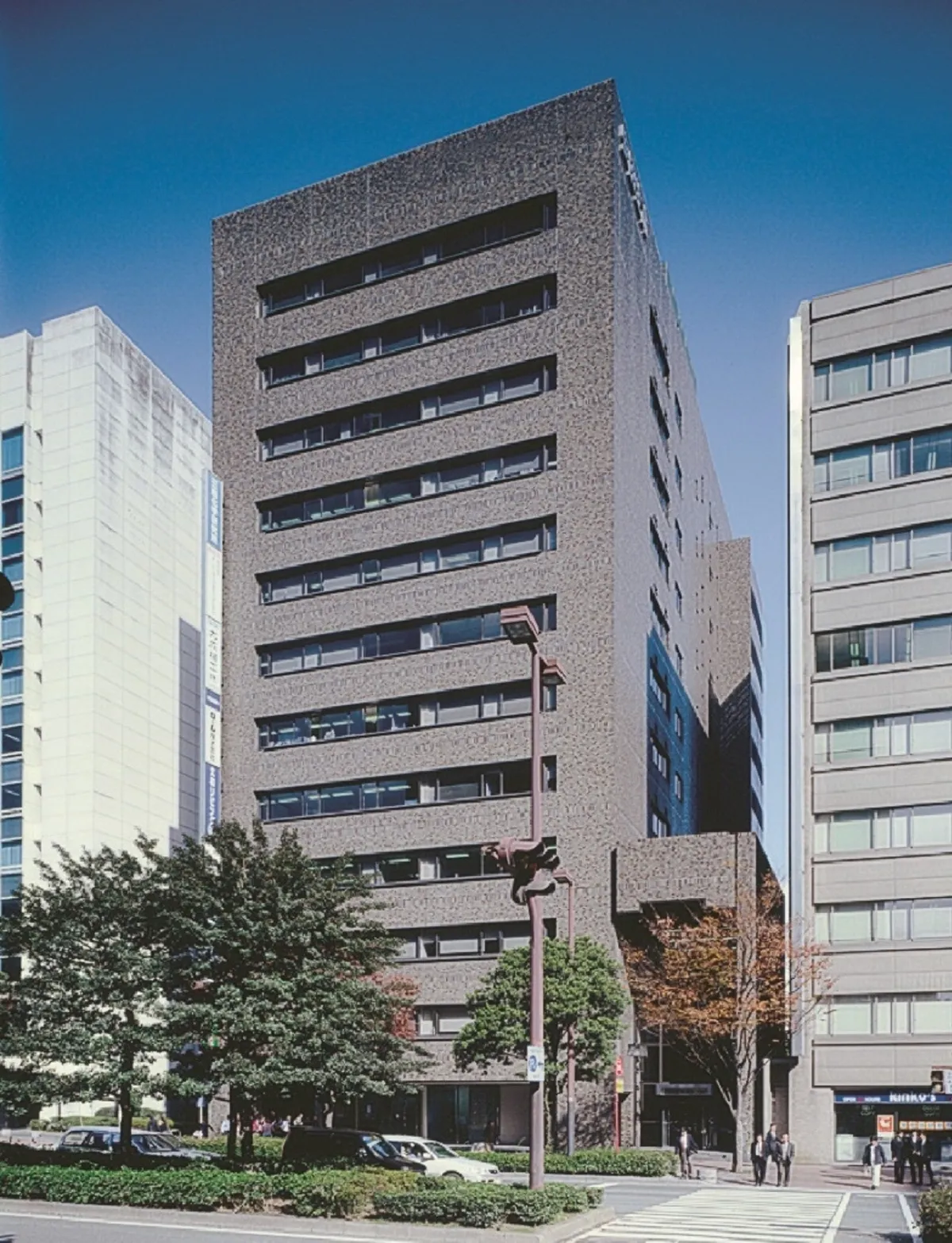
The Tokyo Tatemono Hakata Building showcases eco-friendly features directly connecting to the subway stations of Gion and Hakata through a pedestrian passage. One of the key initiatives includes utilizing surplus electricity generated from solar panels installed on the roof of the T-LOGI Fukuoka logistics facility. Furthermore, a battery storage system was introduced to maximize the utilization of excess solar energy, providing electricity to tenants during emergencies.
This contract represents the first tangible outcome demonstrating Shizen Energy's ambitions toward strengthening its renewable aggregation business, announced on June 11, 2026. The aggregation efforts focus on streamlining generation capacities and environmental value while driving decarbonization among consumers through customized supply agreements. Starting with the own-source facility Yufu Shonai Nobahata, Shizen Energy aims to expand similar schemes nationally using various energy sources.
Shizen Energy intends to proactively develop diverse frameworks for environmental value supply by recognizing institutional changes and international standards. It plans to leverage its strengths encompassing all aspects of energy development, including engineering, procurement, construction, operation and maintenance, asset management, and PPA supply.
Simultaneously, Tokyo Tatemono is committed to assessing and integrating various renewable procurement strategies, including virtual PPAs, to achieve stable renewable energy utilization that is resilient to market changes. Through these initiatives, both companies strive to increase sustainability and contribute to enhancing values in real estate and the companies themselves.
Background and Significance
As the urgency to decarbonize intensifies globally, organizations are under pressure to transition their energy consumption to renewable sources. Initiatives such as RE100 and debates surrounding updates to the GHG Protocol underscore the growing importance of acquiring renewable energy with 'additionality,' which promotes new investments in renewable initiatives. Japan's FIT system, traditionally relied upon for renewable energy adoption, has prompted a shift towards the FIP system and autonomous procurement via PPAs. This shift is designed to lessen the financial burden on the general populace through the previous levy system.
In this context, since April 2022, Shizen Energy has been supplying renewable energy generated from solar panels installed atop Tokyo Tatemono's logistics facility, T-LOGI Fukuoka, to the Tokyo Tatemono Hakata Building, an urban structure in Fukuoka City, utilizing a self-procurement system. To cover electricity consumption in the Tokyo Tatemono Hakata Building that does not utilize renewable sources, Shizen Energy has been procuring non-FIT fossil-free certificates. Now, with an eye toward enhancing additionality, Shizen Energy has transitioned its solar power plant to the FIP system and contracted with Tokyo Tatemono to supply 'non-FIT non-fossil certificates (designated renewable energy)' as environmental value.
Details of the Agreement
The contract involves the solar power facility Yufu Shonai Nobahata, which has a DC capacity of 480 kW and commenced operations in December 2015. Through this agreement, environmental value tied to the electricity generated will be supplied to Tokyo Tatemono in a long-term framework.
This agreement features two key attributes:
1. Risk Reduction Against Market Price Fluctuations
In common virtual PPAs, the purchase price and the market price of electricity are subject to settlement variances only, creating a vulnerability for consumers if market prices fluctuate. Leveraging the FIP system, this agreement mitigates the overall price risk and offers a mechanism for supplying environmental value without being tethered to market fluctuations, enhancing Tokyo Tatemono's strategic planning for sustainable procurement.
2. Long-term Assurance of High-Quality Renewable Environmental Value
According to RE100’s technical requirements, environmental value from FIT sources becomes non-additional post-15 years unless accompanied by new investments like repowering. As many plants initiated post-2012 risk failing to meet additionality by 2027, anticipated reductions in non-FIT certificates could lead to price surges and predictability issues for consumers. This venture, through an early conversion of existing FIT sources to FIP followed by a virtual PPA, secures these anticipated environmental values for the long term, ensuring consumers can procure high-quality renewable energy assuredly amid market turmoil.
Facility Overview
- - Name: Yufu Shonai Nobahata Solar Power Plant
- - Location: 567-1 Nobahata, Shonai Town, Yufu City, Oita Prefecture
- - Generation Capacity: 480 kW (DC) / 400 kW (AC)
- - Commencement Date: December 2015 (FIT)
- - Scheme: FIP-based Virtual PPA
Tokyo Tatemono Hakata Building Overview
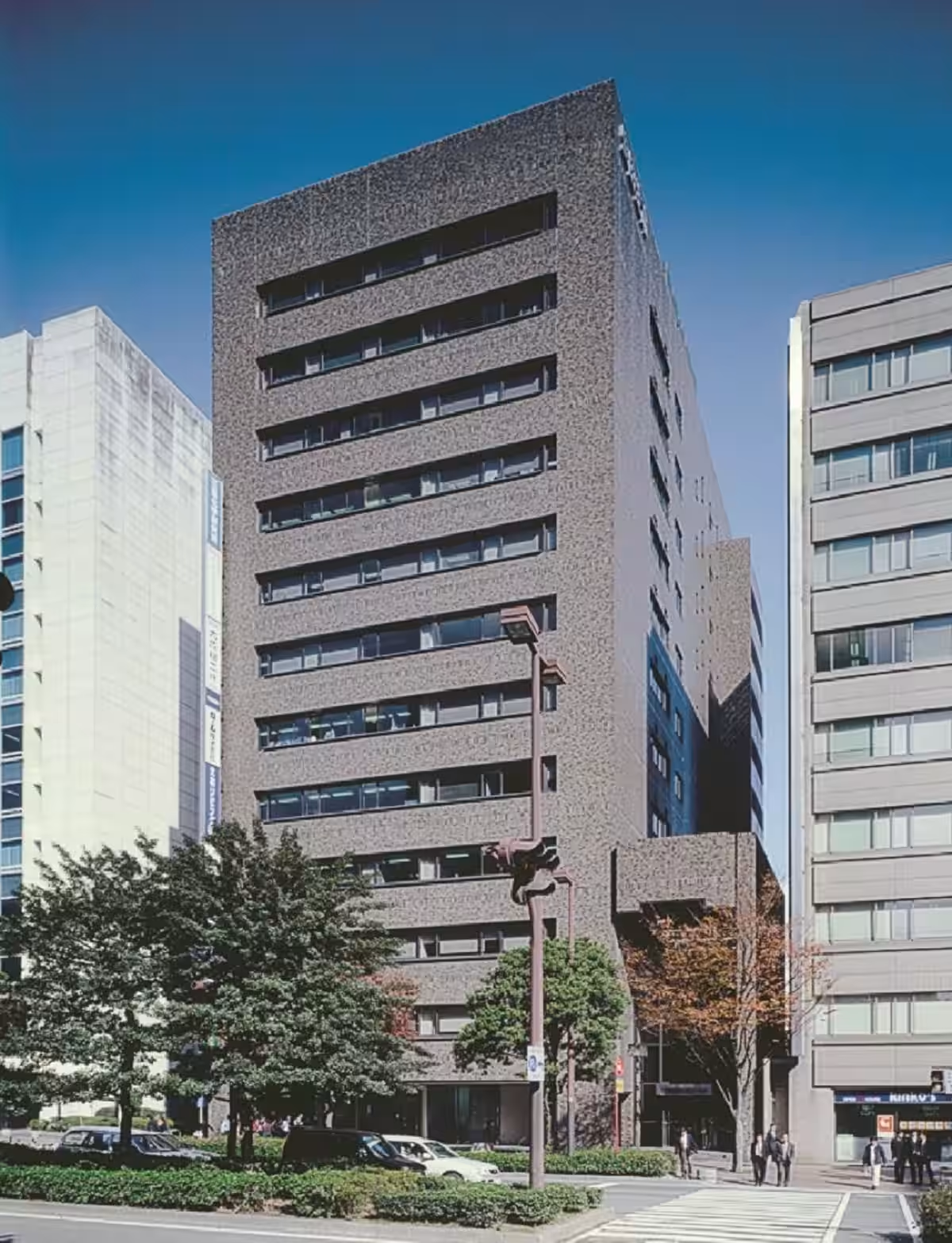
- - Building Name: Tokyo Tatemono Hakata Building
- - Location: 1-4-4 Hakataekimae, Hakata Ward, Fukuoka City, Fukuoka Prefecture
- - Completion Date: June 1985
- - Total Floor Area: 9,828.73 m²
Decarbonization Initiatives in Urban Properties
The Tokyo Tatemono Hakata Building showcases eco-friendly features directly connecting to the subway stations of Gion and Hakata through a pedestrian passage. One of the key initiatives includes utilizing surplus electricity generated from solar panels installed on the roof of the T-LOGI Fukuoka logistics facility. Furthermore, a battery storage system was introduced to maximize the utilization of excess solar energy, providing electricity to tenants during emergencies.
First Successful Project in Renewable Aggregation
This contract represents the first tangible outcome demonstrating Shizen Energy's ambitions toward strengthening its renewable aggregation business, announced on June 11, 2026. The aggregation efforts focus on streamlining generation capacities and environmental value while driving decarbonization among consumers through customized supply agreements. Starting with the own-source facility Yufu Shonai Nobahata, Shizen Energy aims to expand similar schemes nationally using various energy sources.
Future Prospects
Shizen Energy intends to proactively develop diverse frameworks for environmental value supply by recognizing institutional changes and international standards. It plans to leverage its strengths encompassing all aspects of energy development, including engineering, procurement, construction, operation and maintenance, asset management, and PPA supply.
Simultaneously, Tokyo Tatemono is committed to assessing and integrating various renewable procurement strategies, including virtual PPAs, to achieve stable renewable energy utilization that is resilient to market changes. Through these initiatives, both companies strive to increase sustainability and contribute to enhancing values in real estate and the companies themselves.
Topics Environment)
【About Using Articles】
You can freely use the title and article content by linking to the page where the article is posted.
※ Images cannot be used.
【About Links】
Links are free to use.