



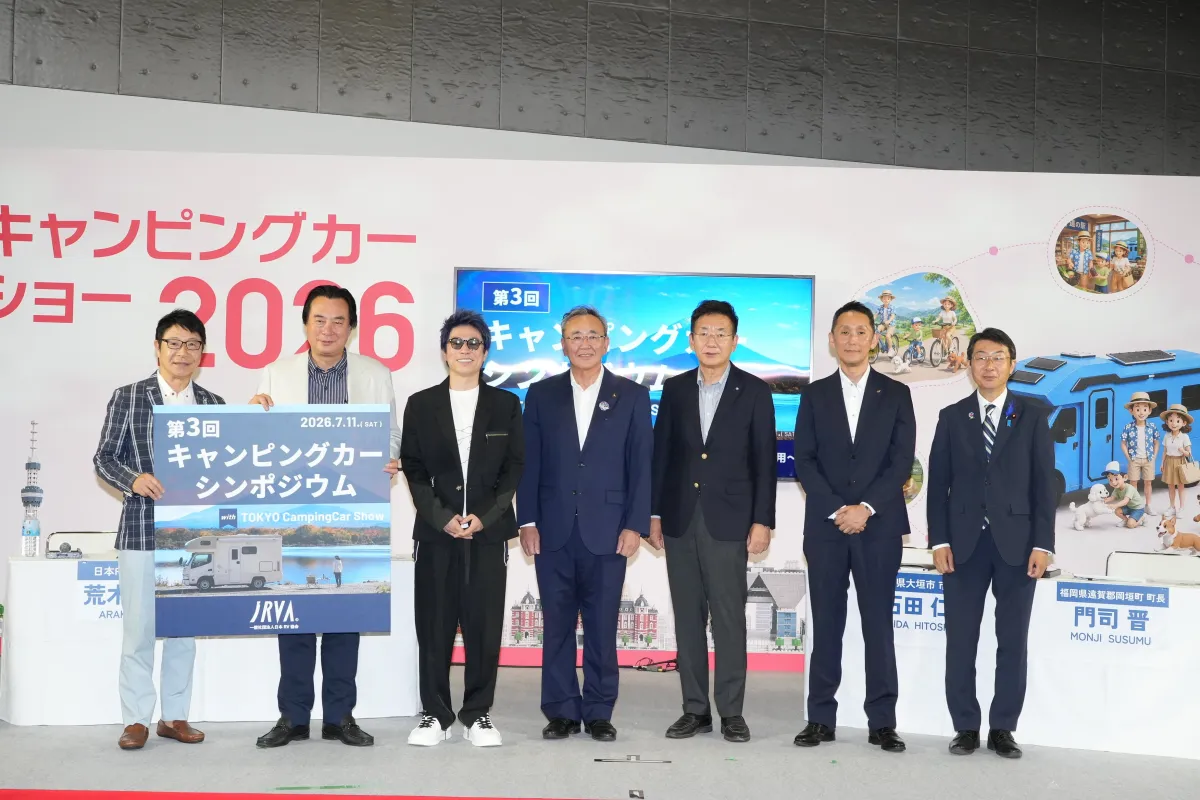
Exploring the Future of Campers: Overview of the 2026 Camping Car Symposium
Overview of the 2026 Camping Car Symposium
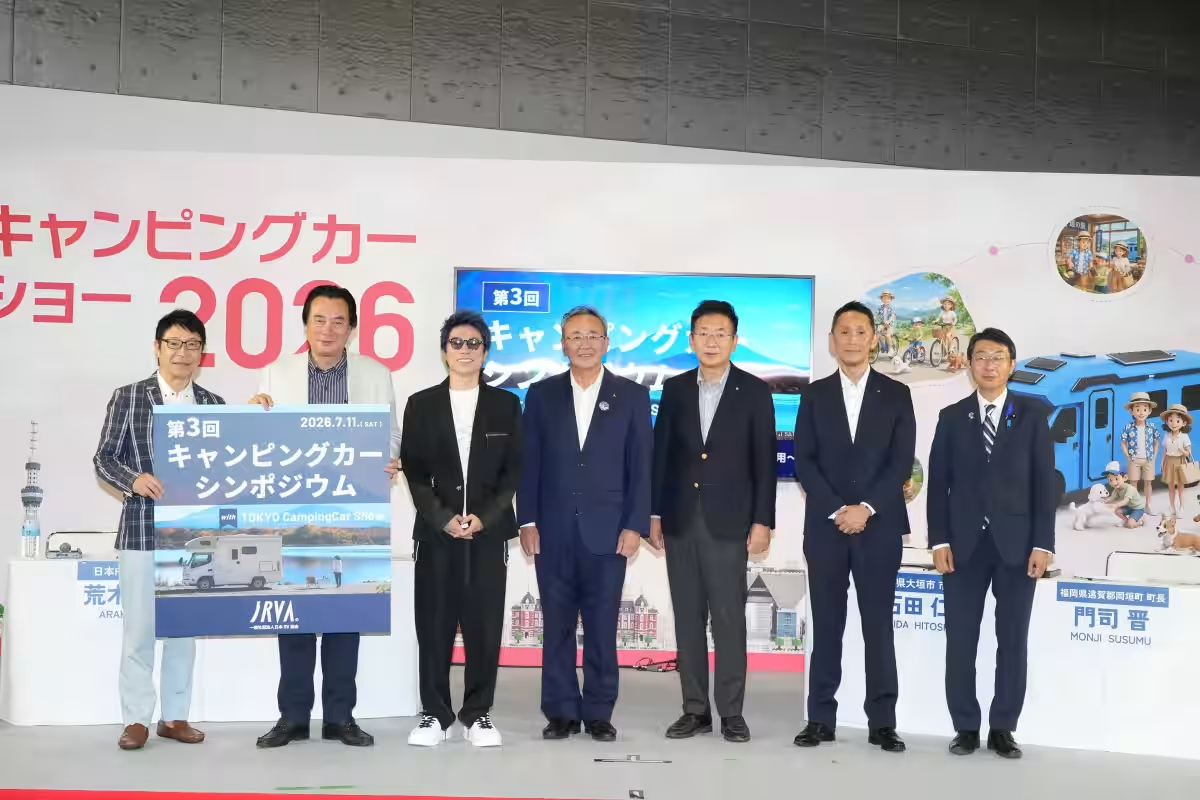
On July 11, 2026, the Japan RV Association hosted the third edition of the "Camping Car Symposium with the Tokyo Camping Car Show" at Tokyo Big Sight's East Hall 8. This event is part of the annual Tokyo Camping Car Show, one of the largest of its kind in the city, aimed at exploring new possibilities for camper vehicles and continuously discussing their integration into society.
Theme of the Symposium
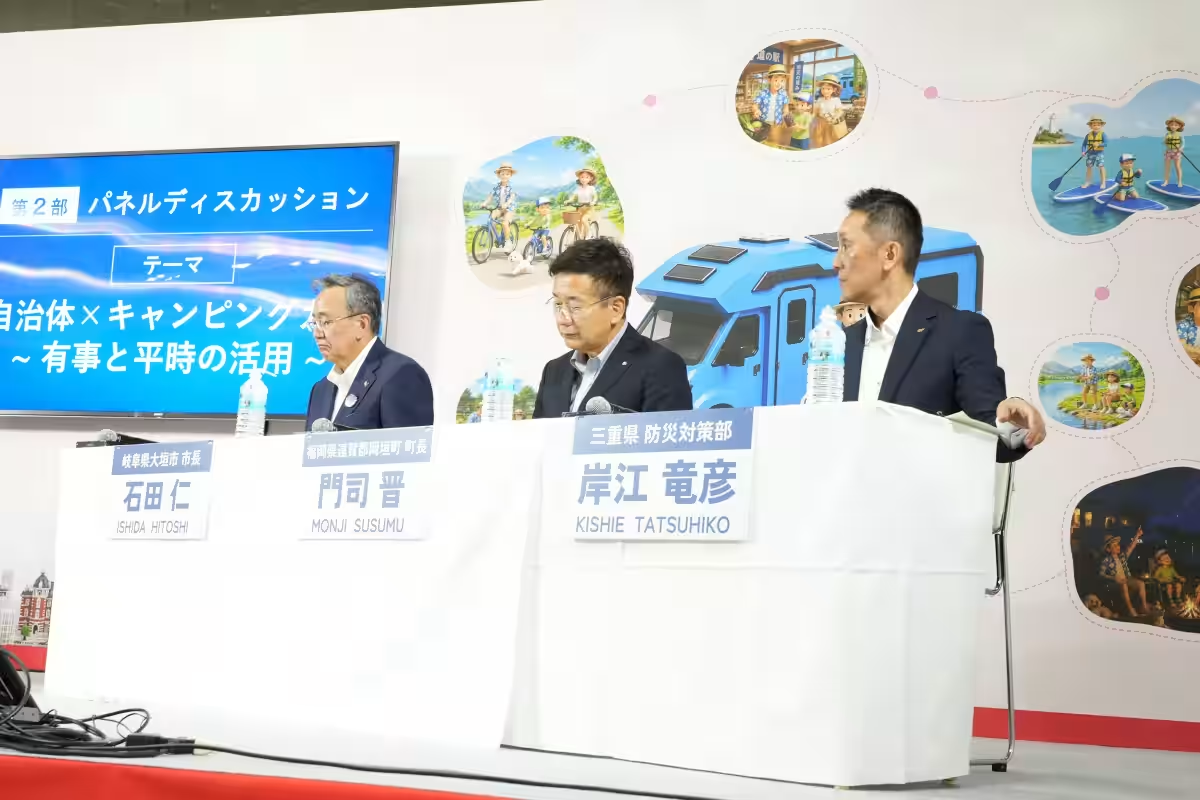
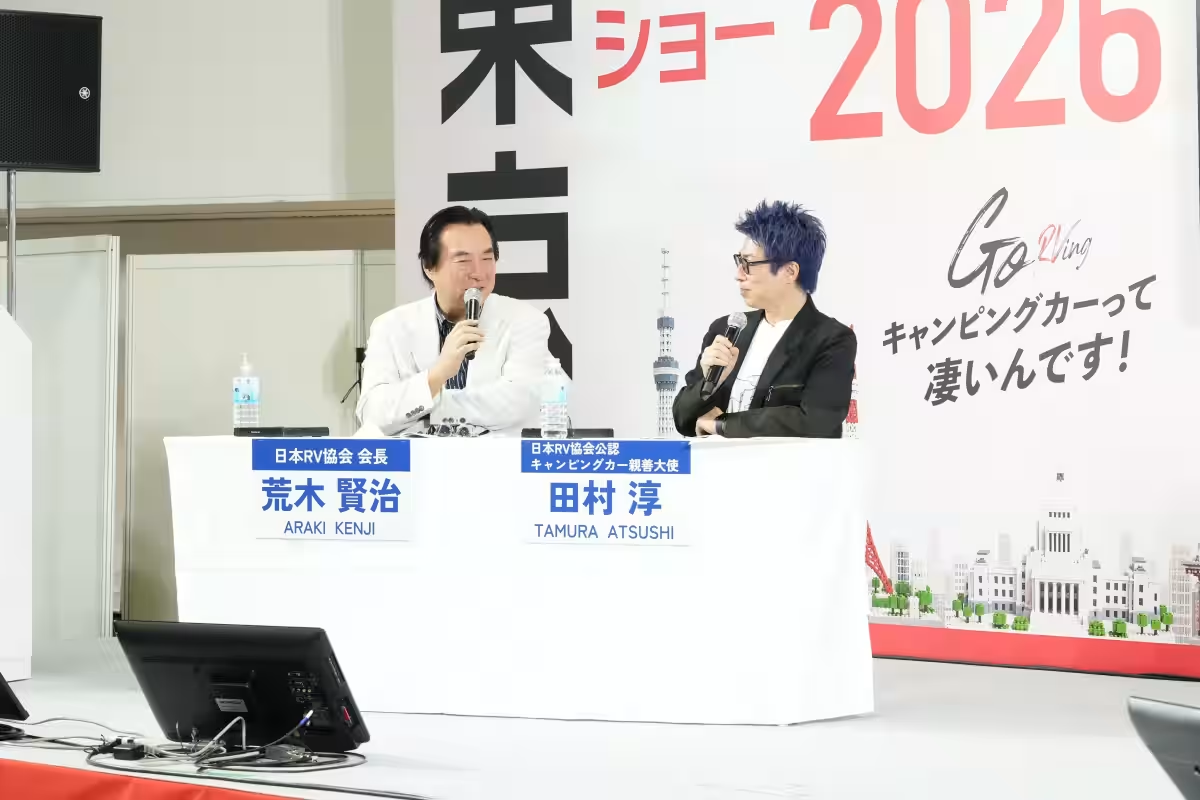
The main theme of this year's symposium was "Local Governments × Campers: Utilizing Campers During Emergencies and Normal Times". The event featured notable speakers, including a current state minister and the minister for recovery, who presented on the role of campers in disaster response. Following this, a panel discussion led by talent Atsushi Tamura explored the potential collaboration between the camper industry and local government leaders.
Event Highlights
Opening Speech
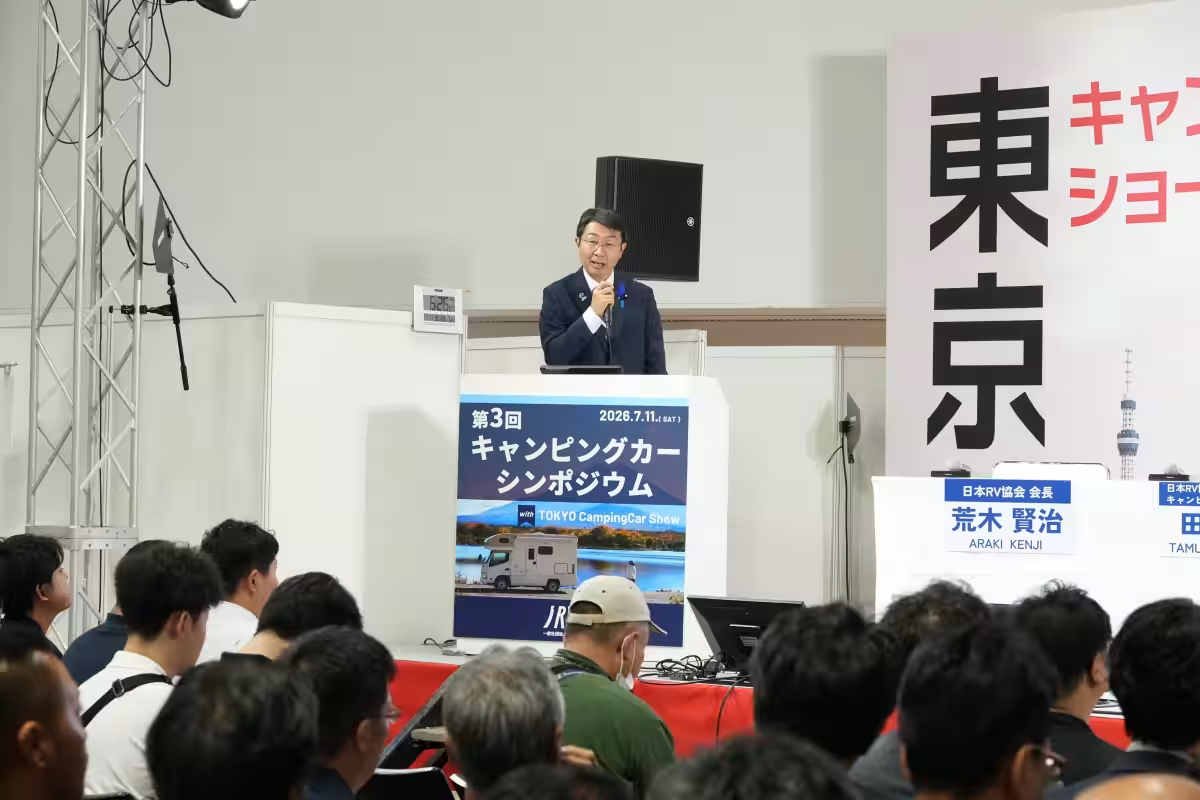
In the first part of the symposium, Naoki Furukawa, the state minister, addressed the audience on how to promote the use of camper vehicles for disaster management. He detailed the initiatives by the Cabinet Office which are aimed at improving living conditions for evacuees and facilitating quick disaster response through the establishment of a "Disaster Response Vehicle Registration System". This system allows private and municipal owners of campers, trailer houses, and washroom vehicles to register their vehicles in a central database, ensuring rapid deployment during crises.
Panel Discussion
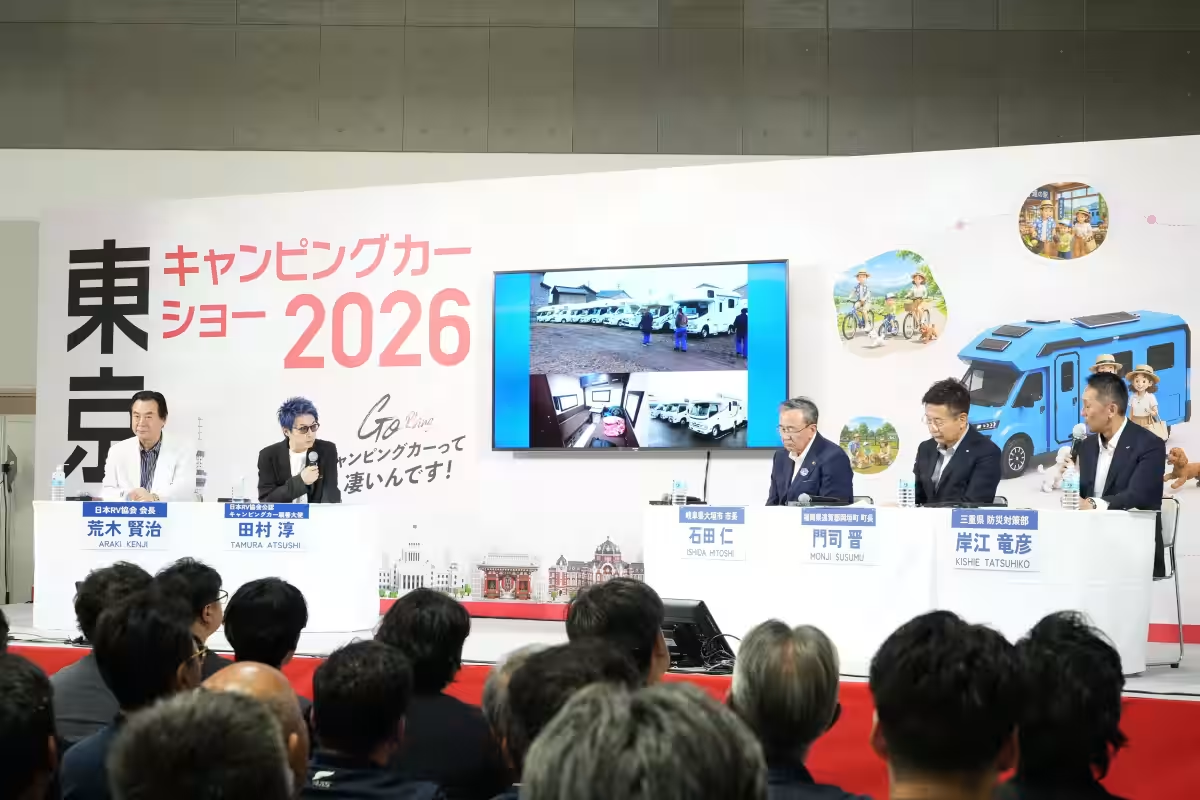
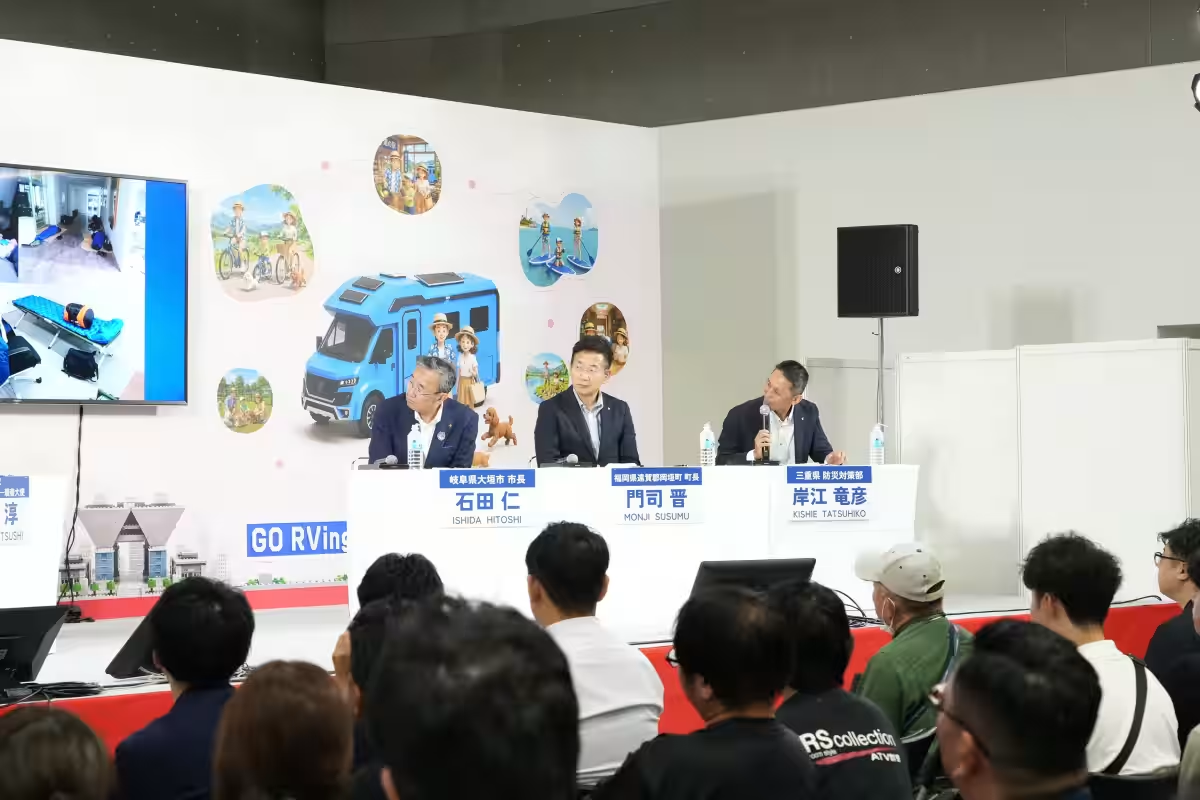
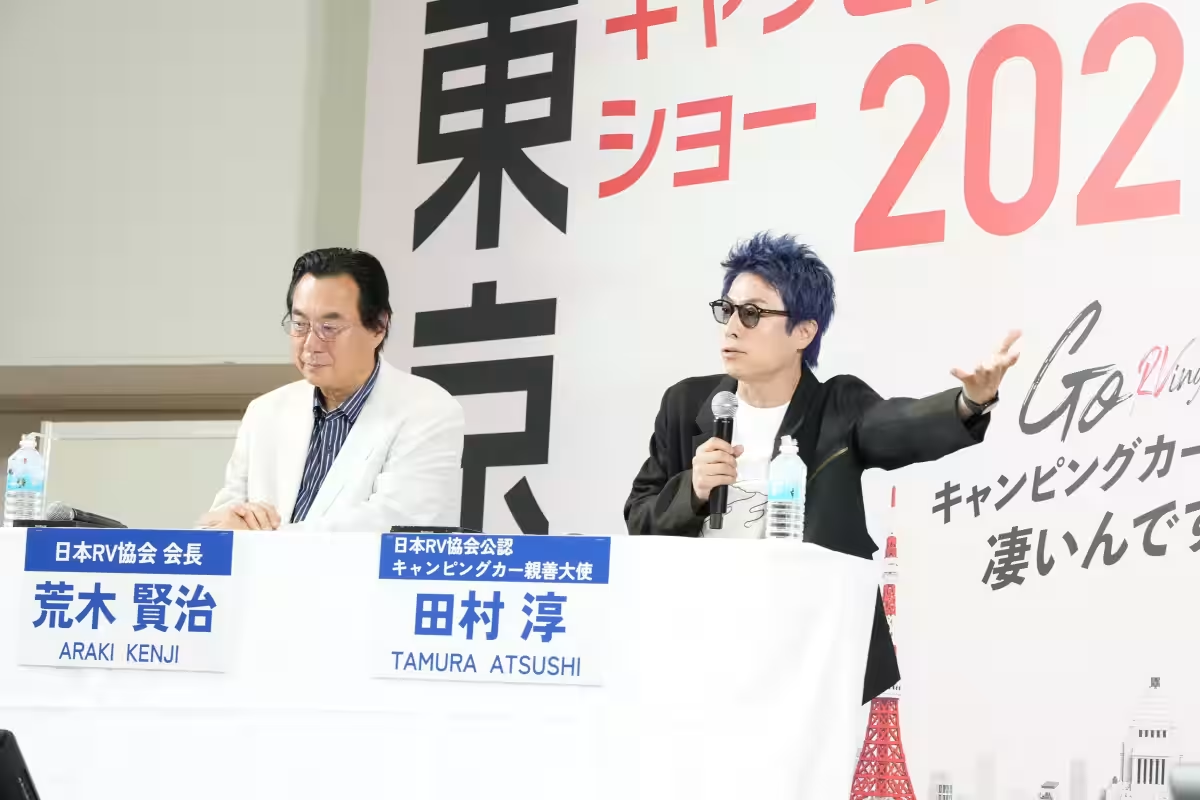
Following the opening, the second part showcased a vibrant panel discussion centered on how local governments can effectively integrate campers into their emergency preparedness strategies. The panel included Atsushi Tamura, Gifu Ogaki Mayor Hitoshi Ishida, Fukuoka Okagaki Mayor Shin Monji, Mie Prefecture's Disaster Management Department's Takahiko Kishi, and JRVA President Kenji Araki.
Key Discussion Points
- - First Steps for Local Governments: Kishi emphasized the importance of accommodating the accommodation needs of staff during disasters, citing experiences from the Noto Peninsula Earthquake. The adoption of campers ensured a safe and comfortable space for female staff and those unwell, significantly improving the response capabilities.
- - Overcoming Challenges of Normal Use: The discussion also addressed how local governments could utilize campers during regular times. Ishida noted that providing health consultations and using campers as cooling stations during events helps familiarize citizens with them, facilitating disaster response when needed.
- - Bridging the Implementation Gap: Everyone acknowledged that securing residents’ trust and understanding is vital for introducing campers as public vehicles. Moreover, leveraging national subsidies can ease the financial burden on local governments.
- - Envisioning the Future with Campers: The final theme tackled the broader impacts of camper vehicles on local communities. Kishi pointed out that having campers on hand can greatly enhance support for citizens during natural disasters, while Ishida shared that utilizing campers outside emergencies creates a more seamless transition between regular and crisis scenarios.
Conclusion
The symposium concluded with a vision for the future where camper vehicles are a commonplace sight, not just for emergencies but also for community engagement and welfare. The JRVA emphasized its commitment to fostering a culture around camping cars in Japan, reaffirming that they aim to strengthen governance and enhance local resilience. For more information, visit the official Japan RV Association website.
About the Japan RV Association
Formerly known as JRVA (Japan Recreational Vehicle Association), this organization is dedicated to spreading the culture of RV travel and camping in Japan, focusing on market development, environmental improvements, and member engagement in the RV manufacturing and sales industry.
Topics Other)
【About Using Articles】
You can freely use the title and article content by linking to the page where the article is posted.
※ Images cannot be used.
【About Links】
Links are free to use.