



Survey Reveals Workers' Concerns About Remote Work During Extreme Heat Days
Introduction
In a compelling survey conducted by WOOC, operator of the co-working space BIZcomfort, over 300 remote workers shared their experiences and concerns regarding working from home during extreme heat days, defined as days when temperatures exceed 40°C. As climate change intensifies, so does the risk associated with heat-related illnesses, prompting a need to reevaluate working conditions during the sweltering summer months.
Survey Background and Objectives
The Meteorological Agency officially adopted the term "extreme heat day" in 2026, reflecting a societal shift towards recognizing the potential dangers of extreme temperatures. In light of this, WOOC aimed to explore how remote work practices might be changing amid such conditions, prompting the recent survey conducted from July 14 to July 17, 2026.
Key Findings
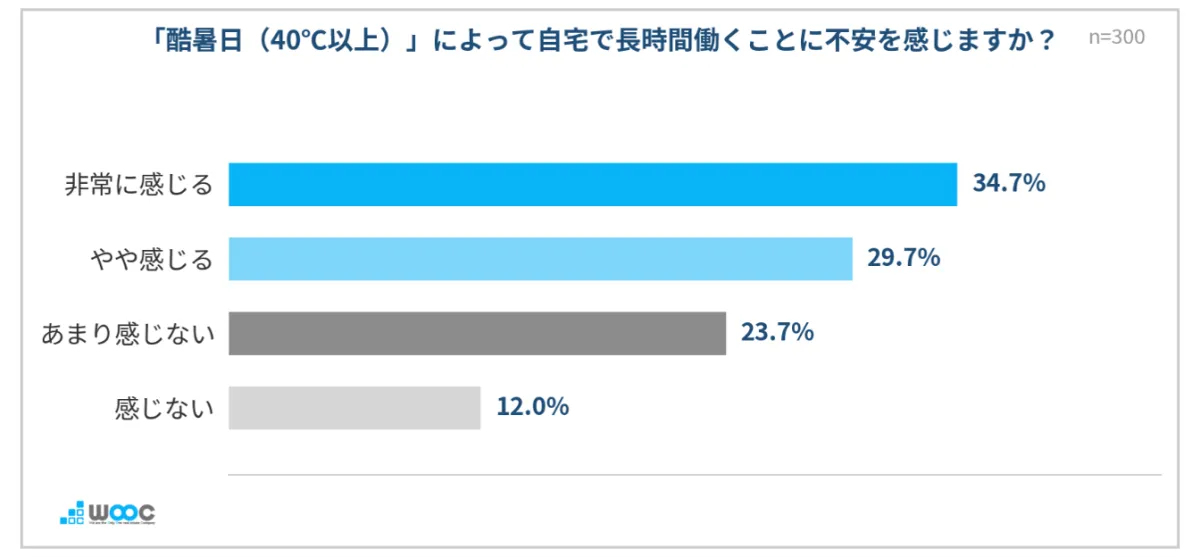
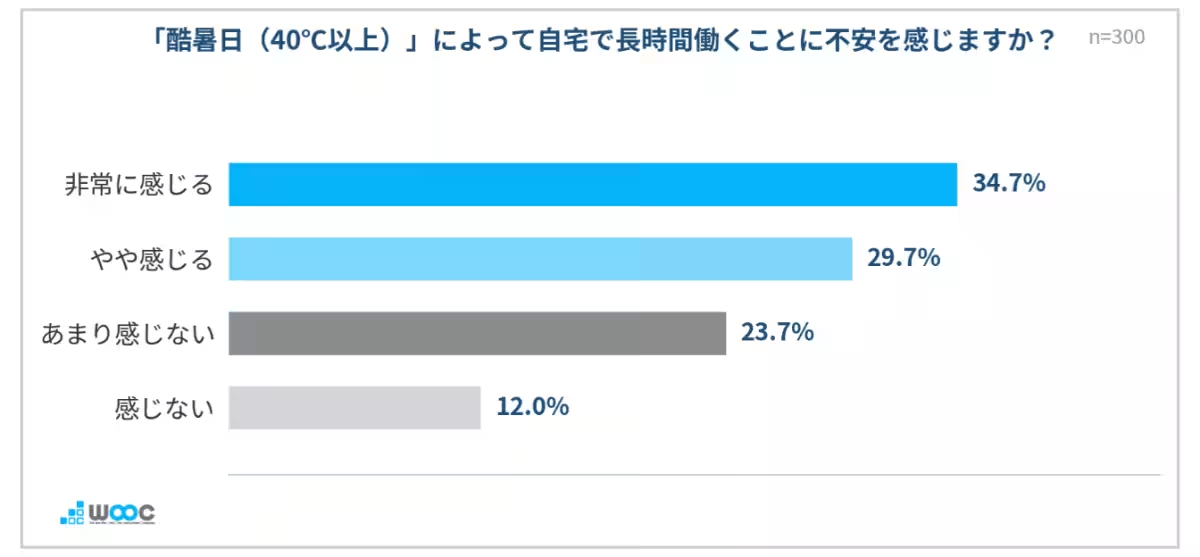
The survey yielded several significant findings. A staggering 64.4% of respondents expressed feelings of anxiety about working long hours from home during extreme heat days. This unease suggests an urgent need for change in how people approach their work environments during periods of oppressive heat.
Shift to Co-working Spaces
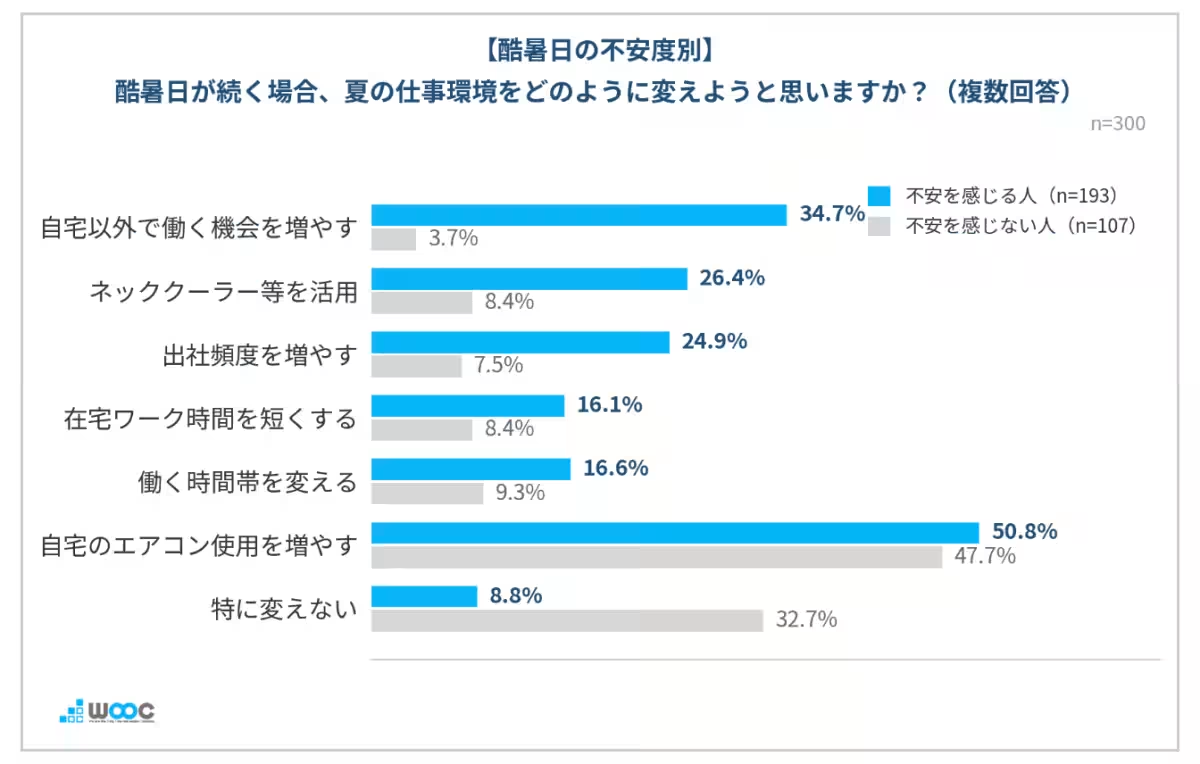
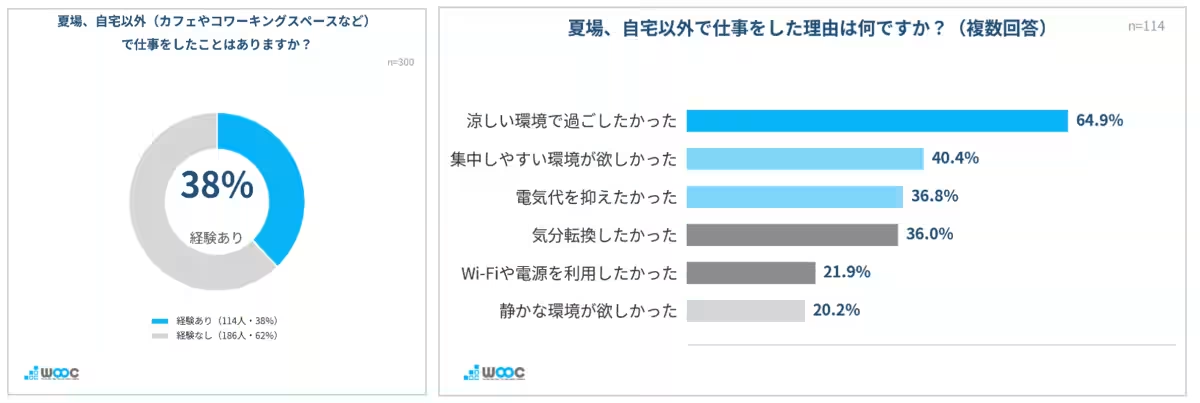
Respondents who felt anxious were more likely to seek alternative workspaces. The primary reason cited for this was a desire to work in a cooler environment (64.9%), surpassing concerns regarding electricity costs (36.8%). This trend indicates that comfort and work effectiveness are being prioritized above economic pressures in extreme heat situations.
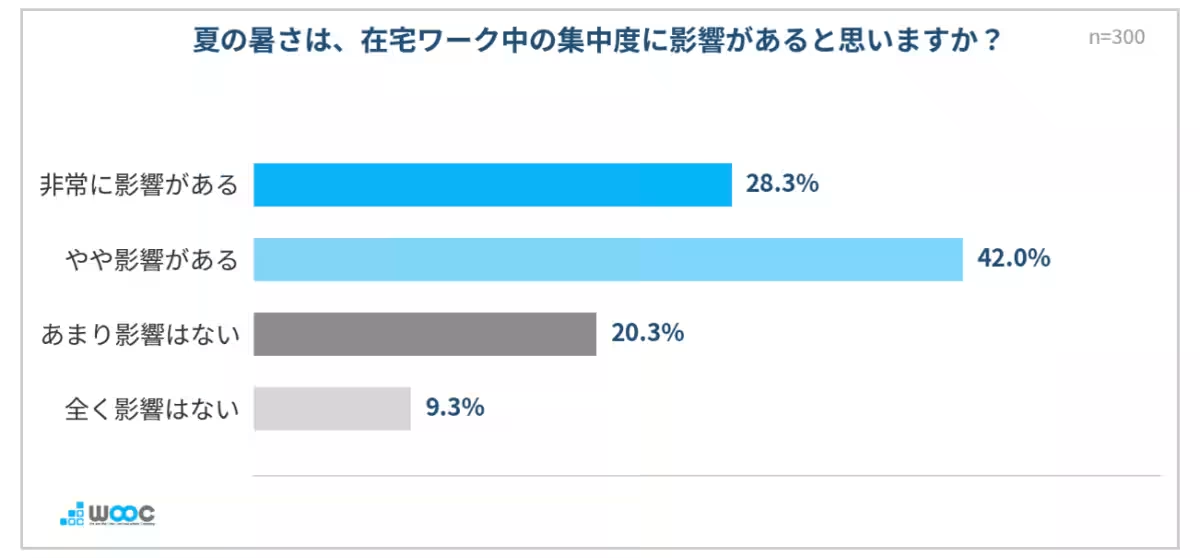
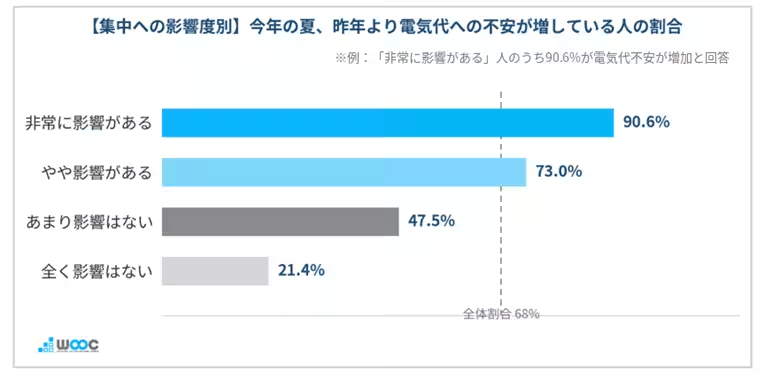
The survey found that 70.3% of participants reported that summer heat adversely affects their concentration. Furthermore, among those who felt the heat had a significant impact on their focus, a striking 90.6% noted increased anxiety regarding electricity expenses. This data points to a dilemma many remote workers face: the conflict between maintaining comfortable working conditions and managing electrical costs during hot months.
Awareness of Cool-Sharing Initiatives
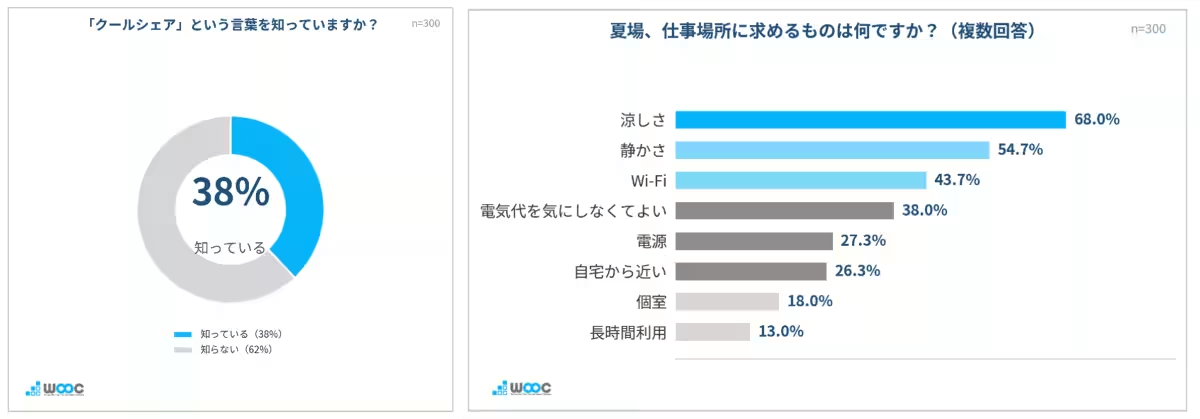
Interestingly, while 38.0% of respondents acknowledged awareness of "cool-sharing" initiatives—shared spaces designed to provide respite from the heat—there remains a substantial gap in recognizing and utilizing these facilities. The demand for cool, conducive environments for remote work is evident, but effective communication and promotion of these spaces are still lacking.
Desirable Work Conditions
During the survey, respondents highlighted various attributes they seek in summer workspaces, emphasizing not only the importance of a cool environment (68.0%) but also the need for quiet settings (54.7%), reliable Wi-Fi (43.7%), and electrical outlets (27.3%). As such, merely having a cool space is insufficient; workers desire an environment that supports productivity and comfort.
Discussion
The results of the survey underscore a critical narrative: as extreme heat becomes a regular consideration for remote work, solutions must address both the physical comfort of workers and their productivity needs. The existing options, like public libraries and shopping centers, may provide relief from heat but often lack the facilities necessary for prolonged work engagements.
Conclusion
As businesses like BIZcomfort evolve to meet these needs, the emphasis will be on providing environments equipped with essential features for productivity while maintaining a cool atmosphere. The shifts observed in this survey reflect broader trends in how climate impacts work habits, and adapting to these challenges responsibly is crucial for the health and efficiency of the workforce. As WOOC continues to enhance its offerings, it remains committed to addressing the dual priorities of comfort and sustainability during the scorching summer months, promoting a healthier balance between work, energy consumption, and environmental considerations.



Topics Other)
【About Using Articles】
You can freely use the title and article content by linking to the page where the article is posted.
※ Images cannot be used.
【About Links】
Links are free to use.