



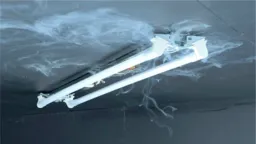
Attention to Deteriorated Fluorescent Lighting Fixtures and Safety Issues After a Decade
The Hidden Risks of Aging Fluorescent Lighting Fixtures
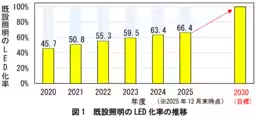
In recent years, the transition from fluorescent to LED lighting has gained significant traction, with a notable increase in what's referred to as the "LEDization rate". As of December 2025, it is expected that 66.4% of existing lighting will have been converted to LED. However, a serious safety concern regarding aging fluorescent fixtures has also emerged, drawing attention from independent bodies such as the National Institute of Technology and Evaluation (NITE) in Japan.
Background
Recent meetings concerning the Minamata Convention on Mercury revealed that the production and importation of all general-purpose fluorescent lamps will cease by the end of 2027. As people replace their fluorescent lights with LEDs, they often overlook the condition of the fixtures themselves, which can lead to hazardous situations. This is especially concerning for fixtures that have been in use for more than ten years.
Why Age Matters
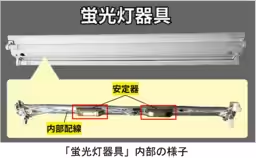
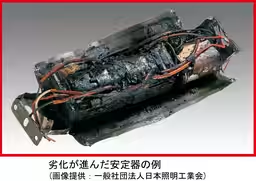
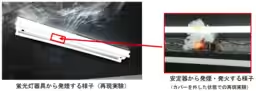
There are two primary ways to upgrade from fluorescent lights to LEDs: either to replace the entire fixture or simply to swap out the fluorescent lamp for an LED version. The latter approach might seem cost-effective, but it can be detrimental. Older fixtures may seem fine on the outside, yet their internal electrical components can deteriorate significantly over time, risking smoke or even fire hazards.
Common Misconceptions
A common misconception is that replacing just the lamp with an LED will suffice indefinitely. This is not the case. Insulation and other internal parts of these light fixtures degrade with time, leading to potential electrical failures. As such, households and businesses must assess their lighting systems regularly. If any fixtures exceed ten years of use, it is highly advisable to consider replacing them entirely with new LED fixtures.
Proactive Safety Measures
To prevent accidents associated with aging fluorescent fixtures, individuals need to understand that these are electrical devices with a finite lifespan. Here are some critical points to keep in mind:
- - Identify the Fixture Age: If the fixture has been in use for over ten years, consider replacing it entirely, as it may not be safe to continue using it.
- - Awareness of Usage Signs: If you notice flickering, unusual noises, or a burning smell, discontinue use immediately. These symptoms could indicate internal failure that may lead to fire.
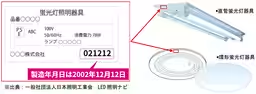
- - Check Manufacturer Information: Review the manufacturing date found on the fixture. NITE specifies that proper replacement should occur within eight to ten years, with fifteen years as an absolute maximum lifespan for efficient operation.
General Safety Awareness
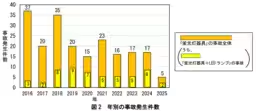
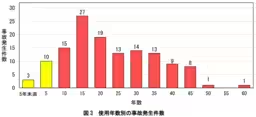
Surveys reveal that while public awareness regarding the cessation of fluorescent lamp production is increasing, understanding of the lifespan of lighting fixtures lags behind. Nearly two-thirds of respondents are unaware that lighting fixtures have an expected lifespan based on regular use. This is crucial information since most accidents involving older fixtures have occurred after ten years of service.
Conclusion
In conclusion, while the transition to LED lighting is commendable and widely promoted, attention must also be given to the aging fixtures that support them. Regular inspections, a clear understanding of fixture lifespans, and proactive replacements are imperative for maintaining a safe environment. Detailed resources are available on NITE's website. There, individuals can find a special web-based incident reporting tool called NITE SAFE-Lite, which allows users to search for reported accidents related to specific product names. Knowledge is power; let's apply it for a safer future.
NITE aims to prevent incidents by acting as a neutral party in collecting and analyzing consumer product safety reports every year, ensuring that we live in a safer household and community. The initiative highlights the pressing need to evaluate not only the lamps we use but also the fixtures that house them, ensuring a fully secure lighting solution.


Topics Consumer Products & Retail)
【About Using Articles】
You can freely use the title and article content by linking to the page where the article is posted.
※ Images cannot be used.
【About Links】
Links are free to use.