



Effects of SGLT2 Inhibitors on Seniors with Type 2 Diabetes: New Insights from Big Data
Investigating the Benefits of SGLT2 Inhibitors for Seniors with Type 2 Diabetes
A recent study led by professors from esteemed Japanese universities has shed light on the potential advantages of using SGLT2 inhibitors in treating type 2 diabetes in individuals aged 75 and older. Diabetes is a common chronic disease in this age group, often accompanied by other serious health issues such as heart and kidney diseases, which complicate treatment decisions.
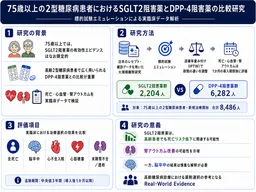
With an analysis that utilized a large healthcare database comprising approximately 5 million individuals from the LIFE Study, this research has aimed to understand how the use of SGLT2 inhibitors compares with DPP-4 inhibitors in terms of mortality and the risk of developing severe complications like kidney failure.
Context and Background
Type 2 diabetes presents significant challenges for the elderly demographic, particularly those over 75. Along with diabetes, these individuals frequently face multiple health concerns including cardiovascular issues, kidney dysfunction, strokes, and frail conditions that adversely impact their quality of life. Despite its prevalence, conducting randomized clinical trials including such patients has proven difficult, limiting the scientific foundation upon which treatment decisions are made.
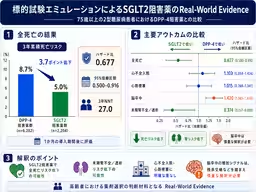
The study analyzed data from 8,486 participants aged 75 and older with type 2 diabetes who were newly prescribed either SGLT2 inhibitors or DPP-4 inhibitors. Of these, 2,204 had started on SGLT2 inhibitors while 6,282 were using DPP-4 inhibitors. The findings suggest that SGLT2 inhibitors may lead to a relative reduction in mortality risk of about 32% when compared to DPP-4 inhibitors.
Significant Findings
The results of the study indicate that those using SGLT2 inhibitors had a hazard ratio of 0.677 (95% confidence interval 0.500–0.916) for all-cause mortality, which translates into a more favorable outcome compared to those on DPP-4 inhibitors. Additionally, the risk of needing dialysis or progressing to end-stage renal disease was found to be about 63% lower in the SGLT2 inhibitor group.
However, differences in outcomes regarding hospitalization due to heart failure and heart attacks were not significant. Interestingly, a higher observation of strokes was noted in the SGLT2 group, which requires further examination.
Study Methodology
This comprehensive analysis was made possible by the LIFE Study, which aggregates valuable health, medical, and care data from local governments in Japan. Researchers analyzed this data by applying a method known as target trial emulation, effectively simulating a randomized clinical trial utilizing real-world data.
The methodology included a blend of electronic health records and health check information from various regions and took into consideration multiple factors such as age, gender, BMI, and pre-existing health conditions. To ensure comparison was as equitable as possible, statistical adjustments were employed to balance the two groups concerning background characteristics.
Importance of the Research
This research represents a significant step forward in understanding treatment outcomes for the elderly population suffering from type 2 diabetes. It particularly addresses a critical gap where clinical trials have traditionally excluded older adults due to their complex health profiles. Furthermore, the direct comparison with widely used DPP-4 inhibitors provides practical insights for healthcare professionals in selecting suitable treatment options for their patients.
While the results favor SGLT2 inhibitors, it is imperative to acknowledge individual patient contexts. The study does not advocate for blanket prescriptions of SGLT2 inhibitors but emphasizes the need for personalized treatment decisions.
Future Directions
Looking forward, further investigations utilizing different medical databases are necessary to validate the findings. A closer examination of stroke types and various patient outcomes related to SGLT2 use is essential for painting a fuller picture of its long-term efficacy and safety in treating elderly patients with diabetes.
Through ongoing research combining real-world data analyses with randomized clinical trials, there is a promising potential to enhance treatment strategies that are tailored to the unique needs of older adults, thereby improving healthcare outcomes in this vulnerable population.
Topics Health)
【About Using Articles】
You can freely use the title and article content by linking to the page where the article is posted.
※ Images cannot be used.
【About Links】
Links are free to use.