




Japan's First Agricultural-Driven Environmental Credit System Launches with Next Green Credit
Next Green Credit: Pioneering Agricultural Value
On March 5, 2026, BG Corporation, located in Meguro, Tokyo, completed the third-party verification of its innovative environmental credit system, Next Green Credit. This initiative is designed to create visible and monetizable environmental values generated from sustainable agricultural practices, breaking new ground in Japan’s approach to sustainability.
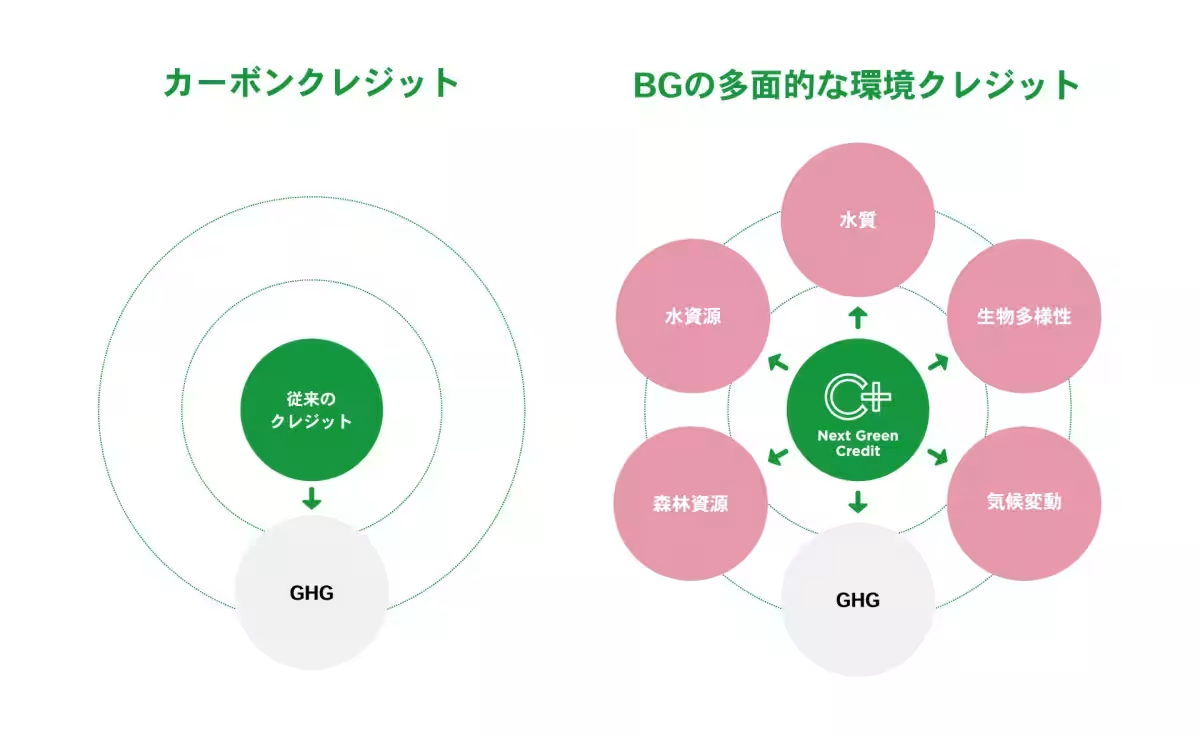
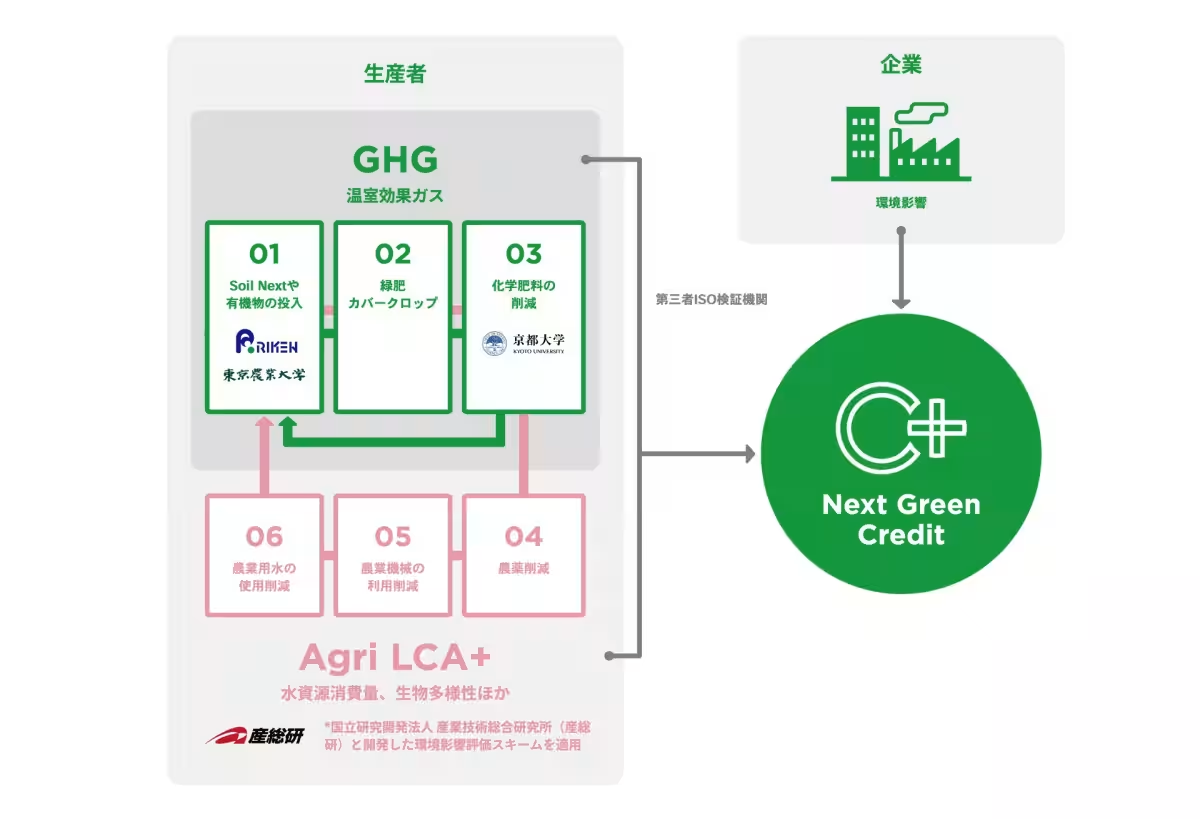
The Next Green Credit aims to not only reduce greenhouse gas emissions but also consider multiple environmental factors such as biodiversity and water quality. The methodology for quantifying greenhouse gas emissions has received international ISO certification, while other environmental impacts have been evaluated based on a scheme developed in collaboration with the National Institute of Advanced Industrial Science and Technology (AIST).
Supporting Farmers and Sustainability
The revenue from selling the Next Green Credits is redirected to farmers involved in sustainable practices. The funds will support essential activities like soil improvement, which have become increasingly important amidst challenges posed by climate change and rising fertilizer costs. This holistic farming approach ensures that consumers receive healthy, tasty produce while bolstering environmental contributions made by corporations purchasing the credits.
The launch of the Next Green Credit marks a significant milestone in establishing a new value cycle that integrates agriculture, food, and corporate responsibility—ultimately benefiting both people and the planet.
Credit Creation Details
The first issuance of Next Green Credits was facilitated through sustainable farming practices from leading farmers in the Hokkaido and Kanto regions. The credits were generated using BG’s proprietary organic fermentation material, Soil Next, along with other organic inputs, cover cropping practices, and reductions in chemical fertilizers and pesticides.
The quantitative results from the initial credit issuance include:
- - Greenhouse Gas Reduction: 2,223 tons of CO₂ equivalent
- - Biodiversity Improvement: 46.81% increase, with a score in the EINES ecosystem index
- - Plant Resource Consumption: Improved by 63.16%
- - Water Resource Consumption: Reduced by 74.67%
- - Total Nitrogen Emissions: Decreased by 53.76%
- - Total Phosphorus Emissions: Lowered by 35.03%
To put these figures into perspective, the climate contribution equates to the annual CO₂ emissions of 767 households, while biodiversity improvements correspond to the ecological preservation of approximately 73,769 square meters of satoyama.
Understanding Next Green Credit
Next Green Credit is Japan's first environmental credit system that highlights the multifaceted environmental values arising from soil cultivation. By visualizing and quantifying these values, BG aims to provide essential financial support to farmers while creating synergies with corporate environmental activities.
This system acknowledges multiple aspects of agricultural sustainability that traditional carbon credits often overlook, including biodiversity and resource conservation. The GHG reduction calculations are based on recognized international methodologies, with third-party verification affirming their reliability.
Tackling the Challenges of Modern Agriculture
Japan’s agriculture faces pressing issues, including over-reliance on chemical fertilizers and declining productivity due to the degradation of soil organic matter. These challenges necessitate improved methods for sustainable land management, which often present financial risks and difficulties in being recognized as valuable by society.
Next Green Credit bridges the gap by connecting the environmental value of soil practices with corporate actions, fostering opportunities for farmers to gain new revenue streams while offering consumers healthy food options. This partnership supports iterative developments in urban spaces, directly linking agriculture and corporate responsibility.
Corporate Involvement
Notably, companies such as Tokyu Corporation and Nippon Steel Kowa Real Estate have acquired Next Green Credits as part of their sustainability agendas. In particular, Tokyu’s new Tokyo office complex, TOFROM YAESU TOWER, will incorporate these credits into its corporate cafeteria, enhancing employee well-being by promoting environmentally responsible meal choices. Additionally, this initiative aims to foster interactions between office workers and farmers, further invigorating urban-rural relationships.
Nippon Steel Kowa Real Estate contributes to their “Green Circulation Project,” reusing existing trees during development and integrating these forestry resources into agricultural processes to support Next Green Credits. Through this partnership, the company aims to return some of the environmental impact of its projects back to nature.
Call to Action
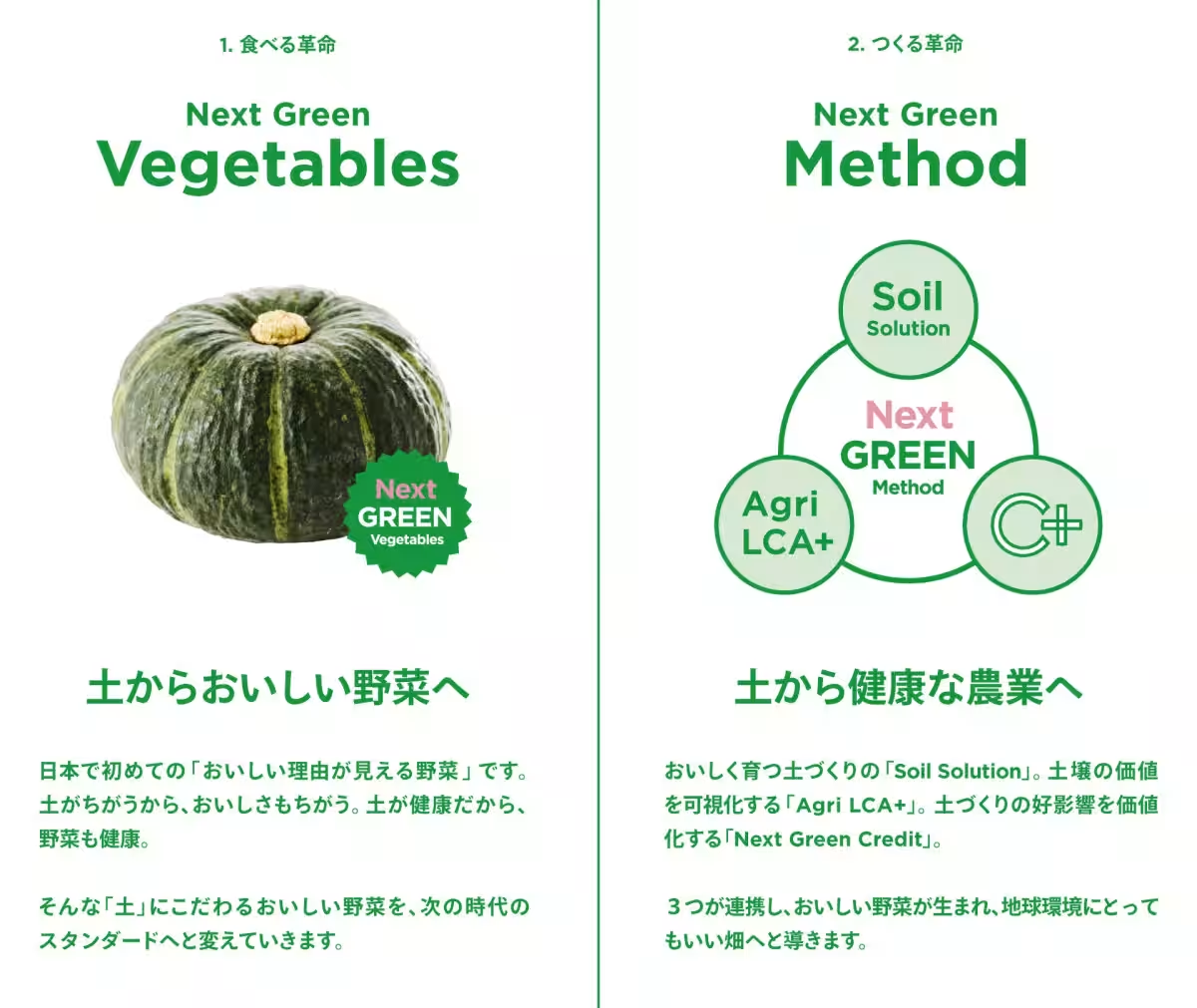
BG Corporation is committed to expanding the implementation of its organic fermentation material, Soil Next, and broadening the Next Green Credit initiative to reach more lands and partners. This effort aims to deliver nutritious produce, dubbed Next Green Vegetables, to the public, intertwining agricultural practices with initiatives that promote the health of the planet.
With these steps, we hope to reshape perceptions of agriculture and promote sustainable connections between food, farming, and environmental integrity, paving the way for a greener future.
For more information or inquiries, please reach out through our official website: BG Corporation Contact Form.







Topics Consumer Products & Retail)
【About Using Articles】
You can freely use the title and article content by linking to the page where the article is posted.
※ Images cannot be used.
【About Links】
Links are free to use.