


Historic Branding Merger of Kimuraya: Uniting Tradition and Innovation for the Future
Kimuraya's Brand Integration: A New Chapter in Tradition
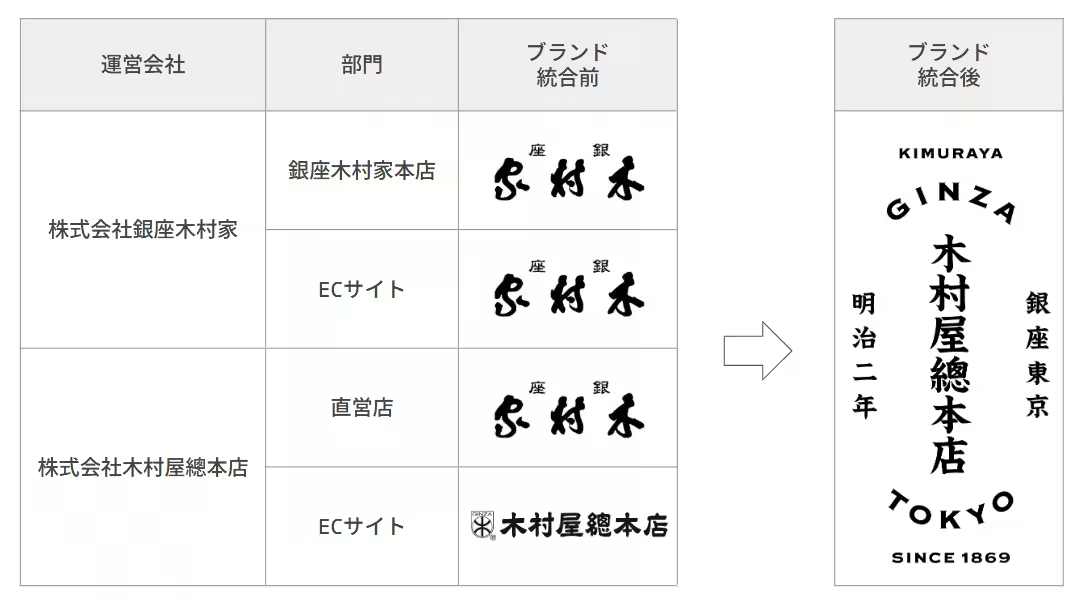
In a significant move towards unifying its brand identity, Kimuraya, a venerable name in the world of Japanese confections, is set to merge its two iconic establishments: Ginza Kimuraya and Kimuraya Sohonten. This integration, effective from April 4, 2026, coincides with the annual 'Anpan Day' celebration, and aims to streamline operations and strengthen customer relationships while preserving the essence of their legacy.
A Rich History
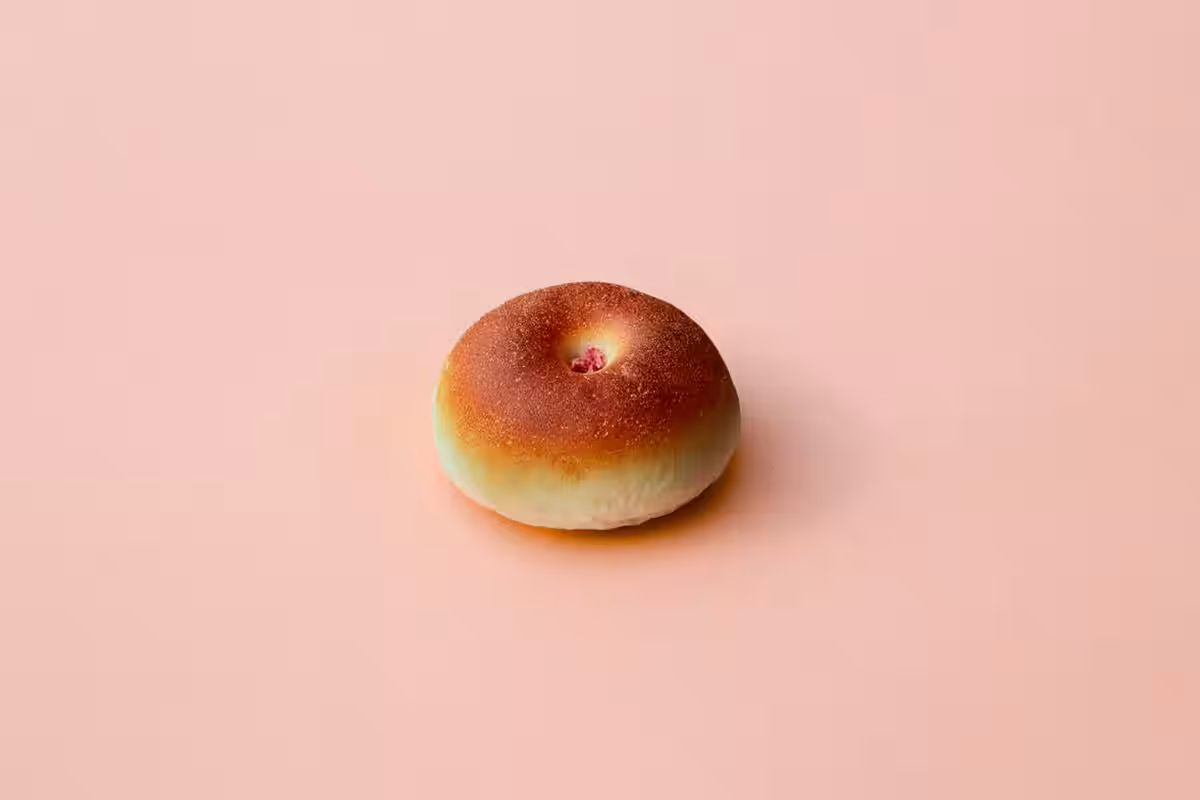
Since its inception in 1869, Kimuraya has been at the forefront of Japan's bread culture, pioneering the beloved anpan. The decision to consolidate brands comes as Kimuraya approaches its 160th anniversary, an occasion that prompts a return to the roots of its commitment to customer satisfaction and service. Under the leadership of Mitsuhiro Kimura, the seventh president of Ginza Kimuraya, the company envisions a cohesive brand that elevates the customer experience through clarity and consistency.
Details of the Brand Merger
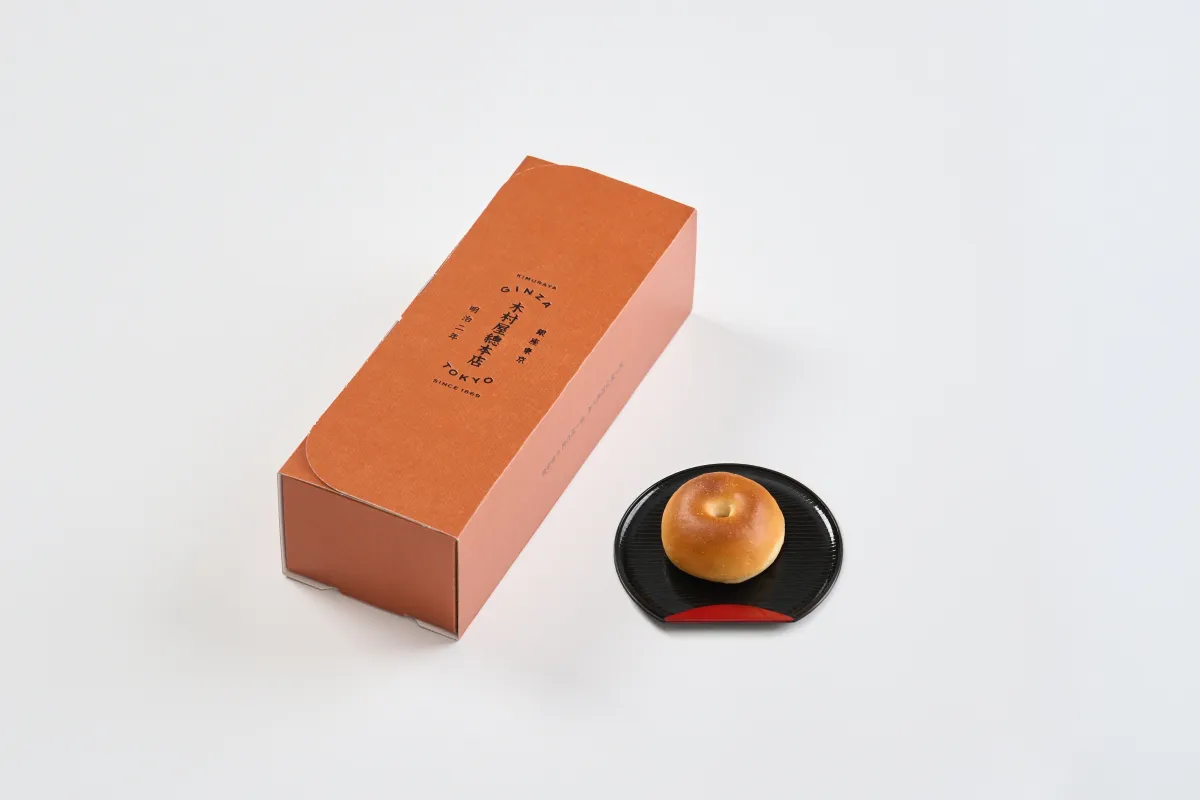
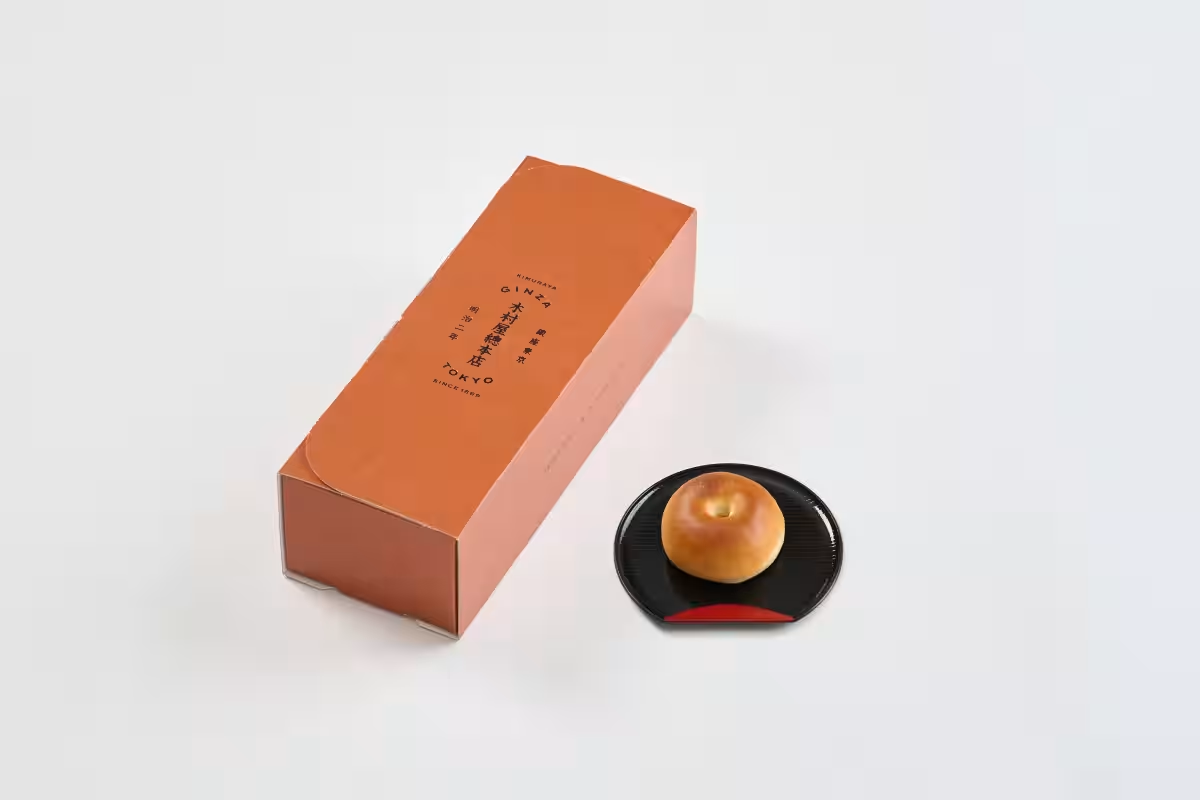
Upon the merger, the Ginza location will be renamed 'Kimuraya Sohonten Ginza Main Store', and both stores will undergo a comprehensive rebranding process. The packaging of their flagship products will be elegantly updated to reflect contemporary design sensibilities while retaining traditional elements.
Further, from May 13, 2026, a press tasting event will allow media representatives to experience the newly branded products firsthand, showcasing not only the revamped anpan but also newer offerings under the unified brand.
Significance of the Brand Names
The Ginza Main Store will serve a crucial role in maintaining the artisanal techniques that have made Kimuraya a household name. This location specializes in the traditional brewing of the unique sake-dough used in their famed anpan, a technique that has been passed down through generations of skilled bakers.
On the other hand, the wholesale and retail sectors are designed to broaden the accessibility of Kimuraya's offerings, allowing the rich history of flavors to reach more customers across various platforms—from supermarkets to convenience stores.
Future Initiatives
In line with the merger, Kimuraya plans to collaborate on developing 'omosate' products—special gifts meant to be shared and enjoyed with others. This initiative aims to modernize the traditional 'omiyage' experience, encouraging community interaction and shared enjoyment.
With both brands' expertise and insight combined, Kimuraya's strategy focuses on creating easy-to-carry products that resonate with customers' sentiments, fostering a greater connection to Japanese culture and culinary arts.
Understanding Sake-Dough Anpan
The signature 'sake-dough anpan' has a storied past, dating back to 1874, when it was originally crafted for the Emperor Meiji himself. Using a unique fermentation method involving rice, koji, and water, this dough distinguishes itself from conventional yeast by offering superior flavor—a point of pride for the company.
Yeast vs. Sake-Dough
Although both yeast and sake-dough are forms of yeast, their sources of nutrition diverge significantly. Common yeast found in the market typically thrives on sugar molasses, whereas sake-dough derives its nutrients from rice, contributing to a distinctly rich flavor that has been cherished by Japanese people for generations.
A Vision for the Future
Mitsuhiro Kimura emphasizes that as the company embarks on this integrated journey, it is vital to redefine its mission—to enrich Japanese bread culture. Kimuraya aims to introduce its unique flavors to both local and international audiences, highlighting the charm of Japanese culture as they approach their 160th anniversary.
Company Overview
- - Ginza Kimuraya Co., Ltd.
- CEO: Mitsuhiro Kimura
- Business: Manufacturing and sales of various breads, restaurant management.
- - Kimuraya Sohonten Co., Ltd.
- CEO: Mitsuhiro Kimura
- Business: Manufacturing and sales of various breads, Japanese confectioneries, and Western sweets.
Topics Consumer Products & Retail)

【About Using Articles】
You can freely use the title and article content by linking to the page where the article is posted.
※ Images cannot be used.
【About Links】
Links are free to use.