



Understanding Japan's Energy Subsidies: Awareness and Impact on Households in 2025
Understanding Japan's Energy Subsidies: Awareness and Impacts
In December 2025, Looop Inc., a Tokyo-based company committed to a vision of an energy-free society, conducted a survey unveiling alarming statistics regarding the burden of electricity bills on households across Japan. The findings revealed that more than 80% of respondents expressed concern about their electricity costs, while a significant majority had little knowledge of the government subsidies designed to alleviate this burden.
Context of the Survey
Following the election of Japan’s first female Prime Minister in October 2025, various economic policies aimed at addressing rising costs have garnered public attention. The government has historically implemented intermittent support for electricity and gas costs in response to soaring energy prices. As of January 2026, a new subsidy program, known as the “Electricity and Gas Price Support Project,” will restart with an increased budget aimed at providing even more substantial financial relief than during the summer of 2025. However, Looop's findings highlight a concerning disconnect in public awareness regarding these subsidies.
In this recent survey, carried out between December 24 and December 26, 2025, Looop engaged 1,035 participants aged 10 to 60, revealing that many are unaware or misunderstanding of the tools available to assist them financially. The critical question arises: why is there such a lack of recognition surrounding these essential subsidies?
Survey Findings
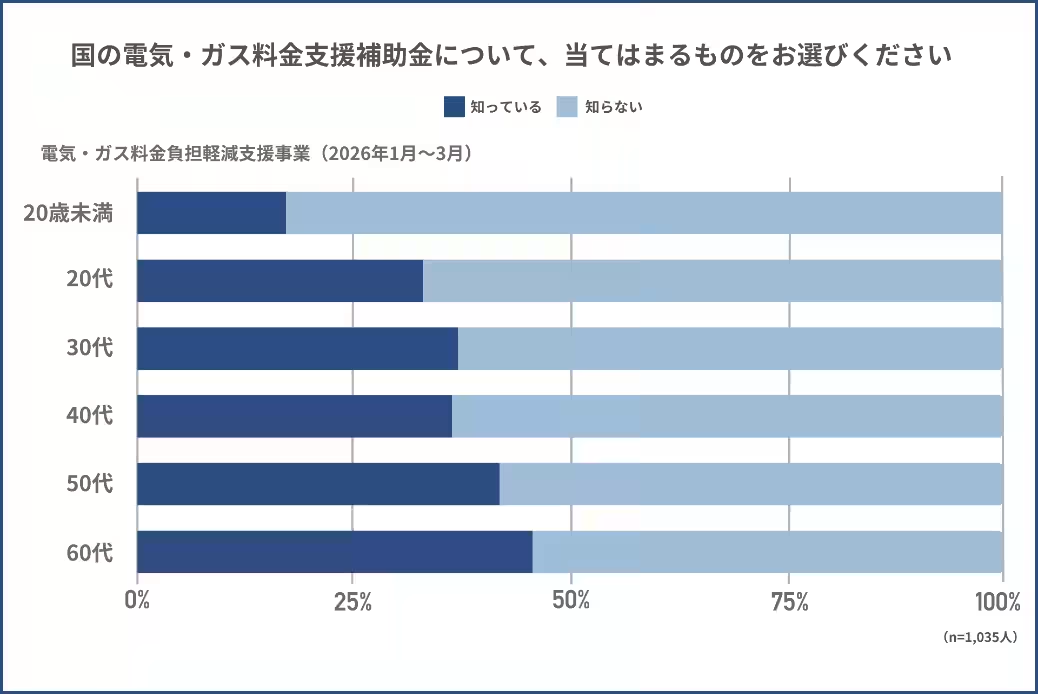
One striking takeaway from the survey is the limited understanding of the government's electricity and gas price support initiatives. Approximately only 20% of participants were familiar with the specifics of these financial aids. Furthermore, despite previous efforts to heighten awareness, around 65% of respondents indicated that they were not aware of the upcoming subsidy structure introduced for January 2026. This ignorance poses a considerable challenge for the government’s attempts to assist its citizens effectively.
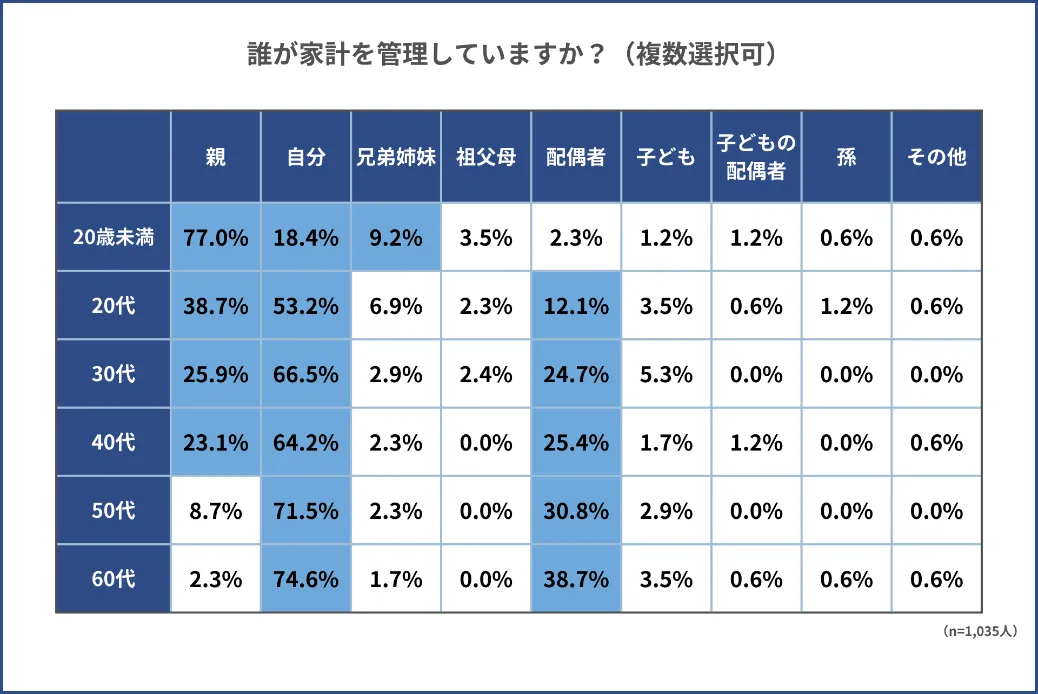
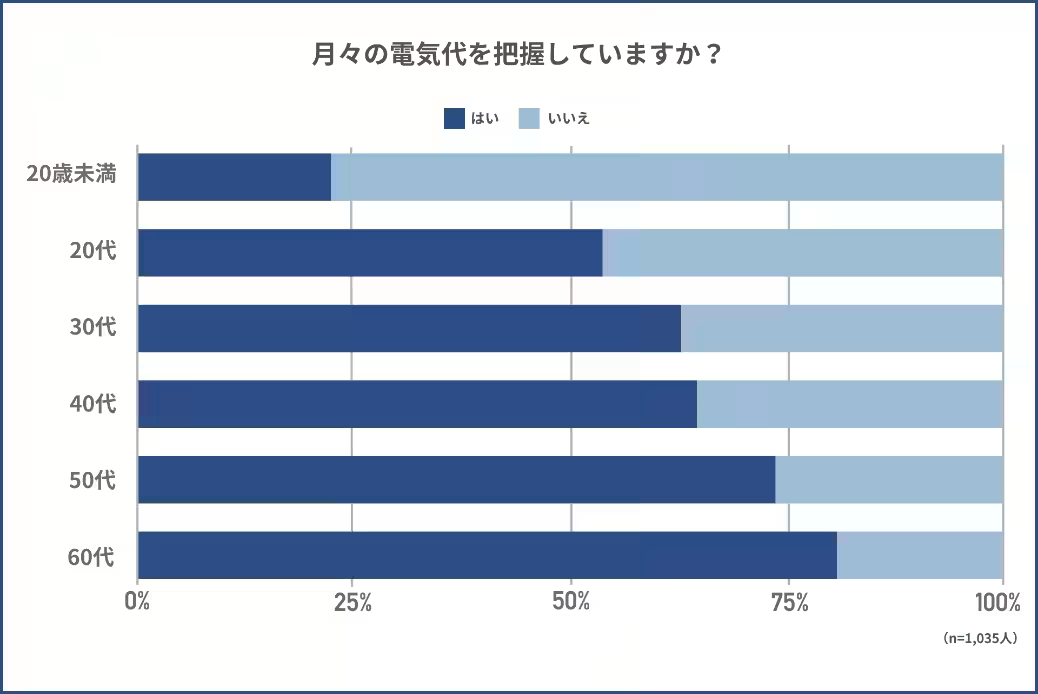
The survey results also portrayed a notable trend across different age demographics. Younger individuals, particularly those under 20, displayed minimal awareness and understanding of electricity costs and available subsidies. For this group, about 20% reported knowing their monthly electricity costs, which climbs significantly to over 80% among respondents aged 60 and above. This generational divide highlights the urgency for targeted educational outreach.
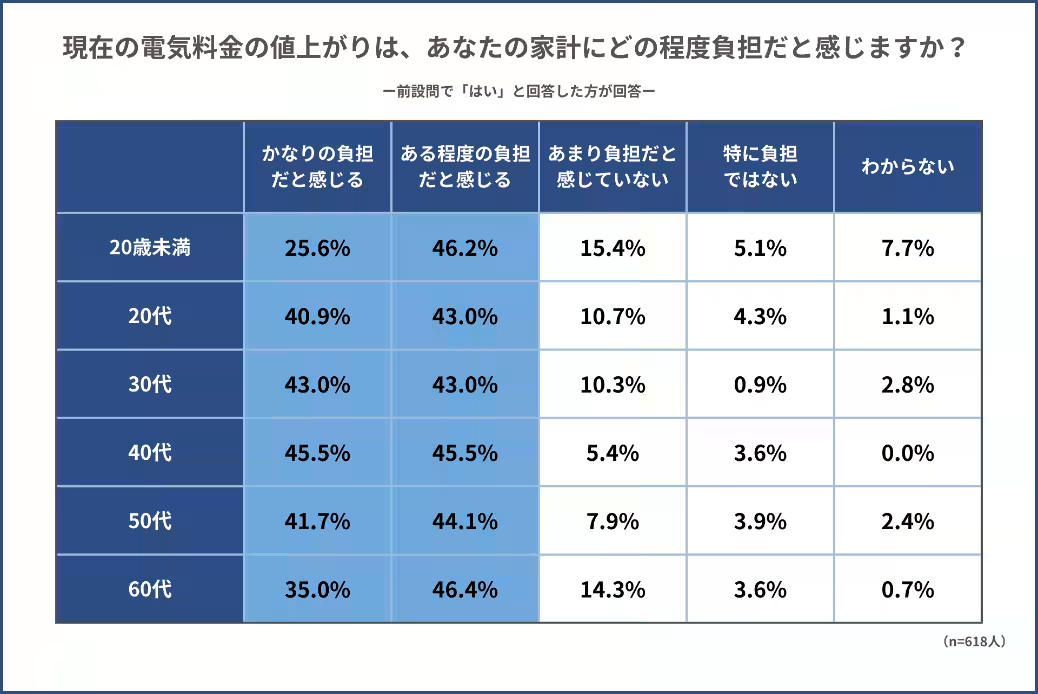
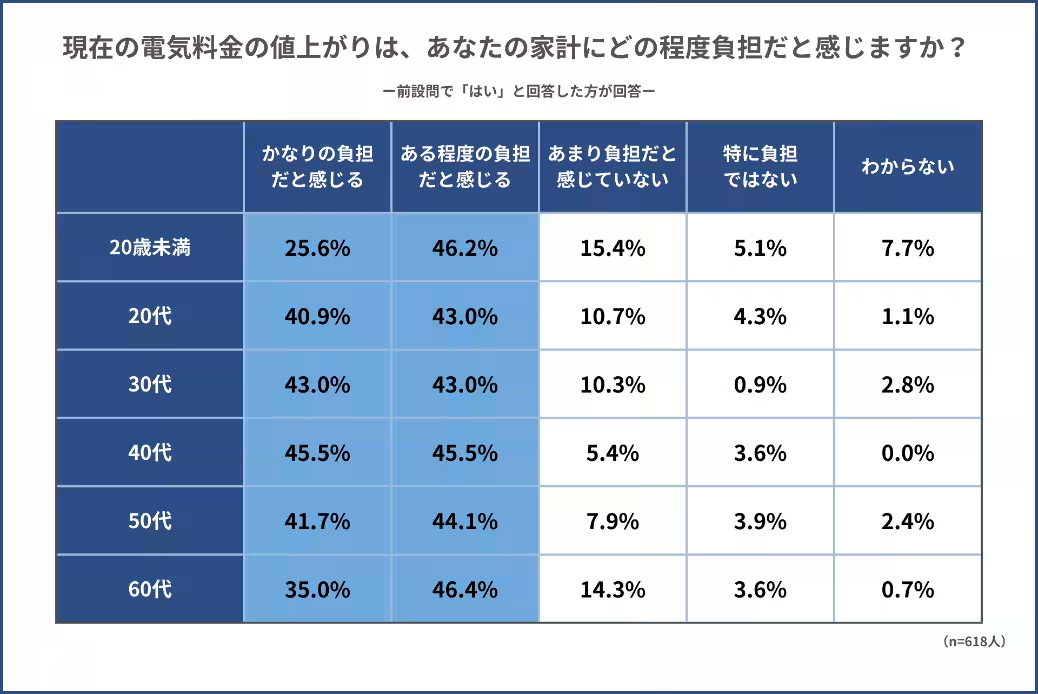
Additionally, when asked about current economic pressures, a staggering proportion of 90% of participants aged 30-60 indicated that they felt the strain of rising electricity prices, demonstrating the ongoing distress among these demographic groups.
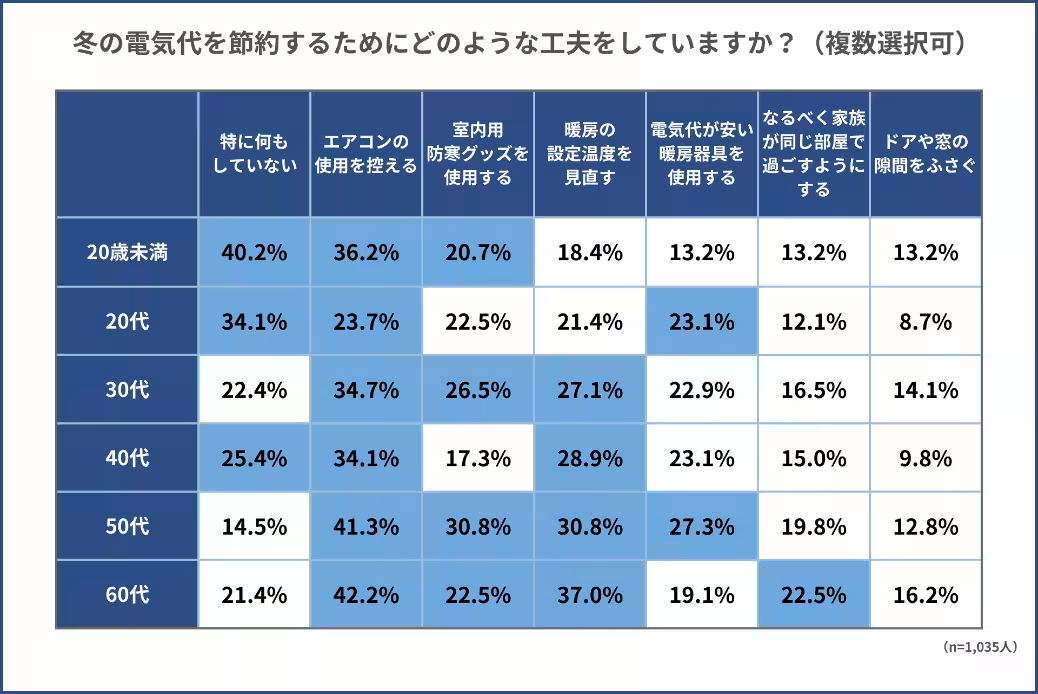
As for coping strategies, respondents reported various measures to manage their electricity expenses during winter. Notably, many in the 50-60 age bracket indicated they have limited their use of heating appliances, such as air conditioners, to combat rising costs, indicating a growing awareness of how lifestyle choices affect billing.
The Future of Energy Subsidies
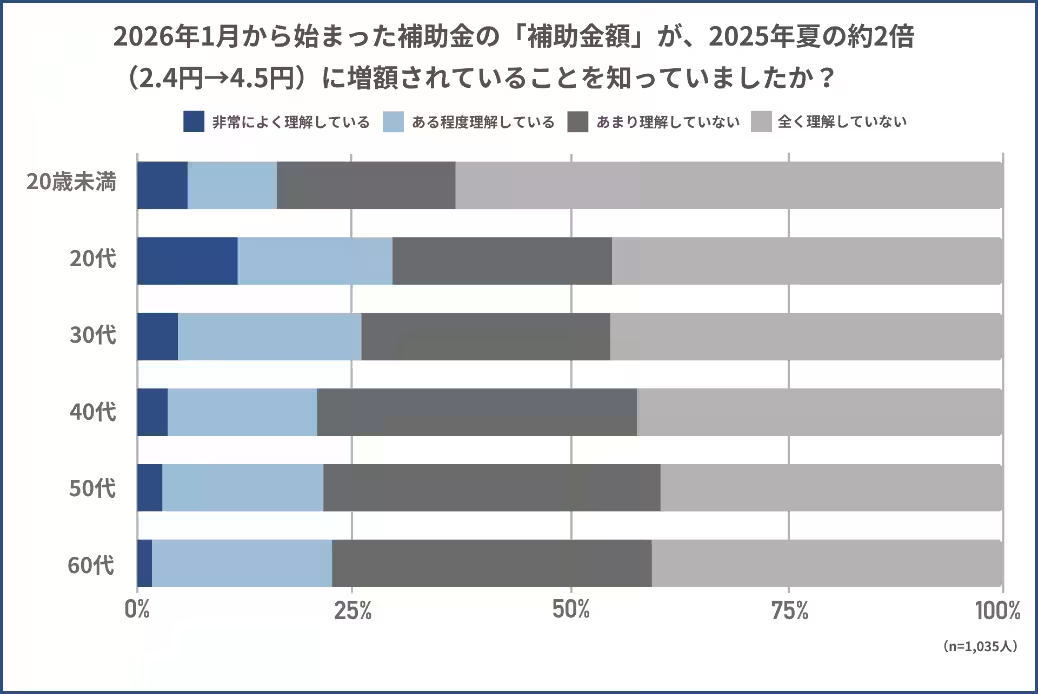
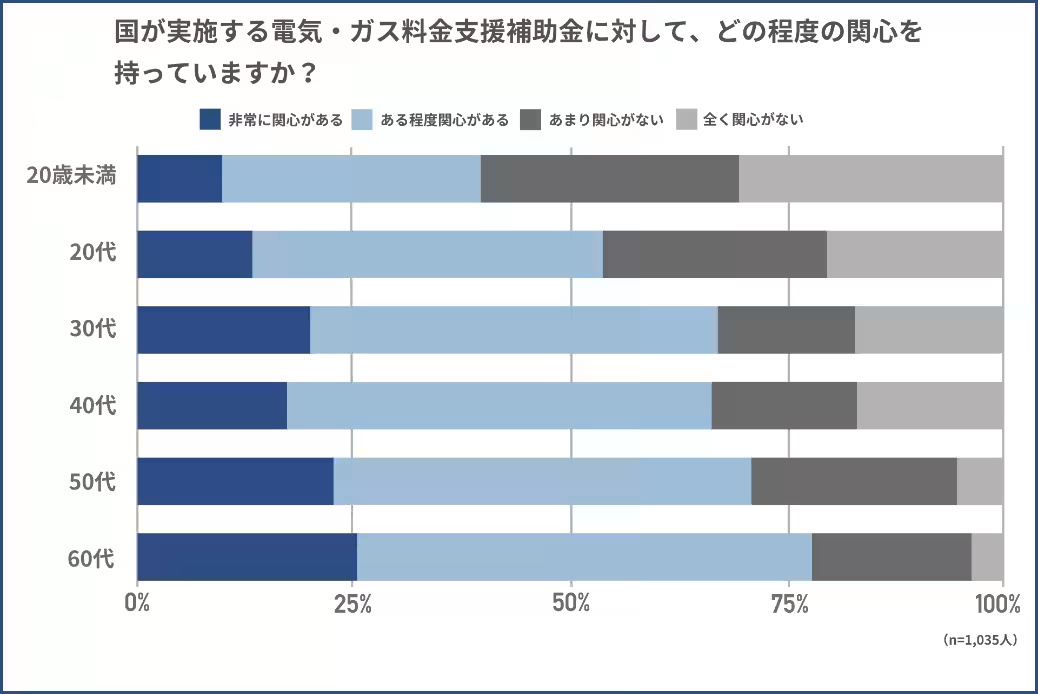
While the support for electricity and gas prices continues to evolve, understanding the specific financial aid structure remains a challenge. Approximately 70-80% of survey respondents across generations were unaware of the increase in subsidy amounts, illustrating a clear gap in communication from the government. The renewed focus on these subsidies indicates an urgent need for public education to ensure they effectively reach the households that need assistance the most.
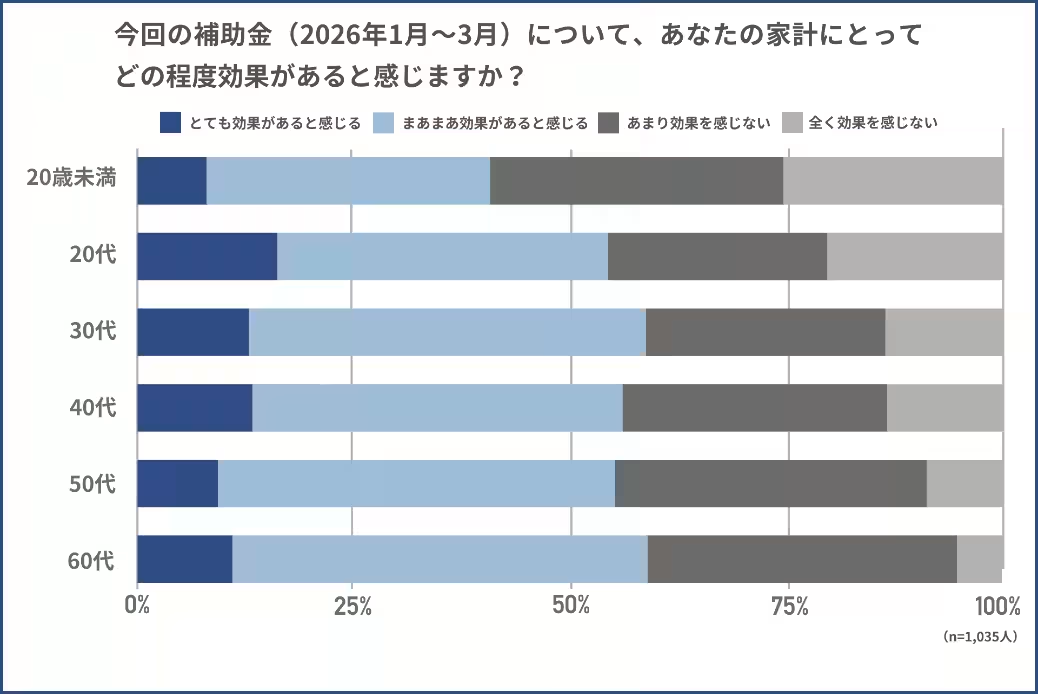
Moreover, the age-related differences in perception of subsidy effectiveness illustrate a significant connection between awareness and impact. Many older respondents feel that these measures resonate positively with their budgeting, while younger populations display skepticism. For instance, despite the acknowledgment that the new subsidy will provide financial relief, many still expressed a cautious outlook, revealing that ongoing education about energy management and available support is imperative.
Looop’s Innovative Energy Solutions
In light of these pressing concerns, Looop continues to promote sustainable and cost-effective energy practices through its service offerings, such as the “Smart Time ONE” plan, which emphasizes using electricity derived from renewable sources. This initiative encourages consumers to adjust their consumption patterns to save costs while supporting green energy initiatives. By leveraging technology like AI and IoT, Looop aims not only to facilitate energy production and usage but ultimately seeks to educate consumers on making smarter energy choices for their homes.
For families feeling the pinch from high energy expenses, now may be the perfect opportunity to reassess their energy provider and explore tailored solutions that complement their lifestyle while saving money. Looop remains committed to delivering clear and concise information about energy costs, empowering households to navigate the complexities of Japan’s energy landscape more effectively.
About Looop
Founded to bring light to disaster-stricken areas following the Great East Japan Earthquake in 2011, Looop Inc. has grown into a company dedicated to energy innovation through sustainable practices and consumer education.
With a strong focus on providing solutions that benefit both wallets and the environment, Looop is paving the way toward a genuinely energy-efficient society. For more information on their services, visit their website: Looop.

Topics Consumer Products & Retail)
【About Using Articles】
You can freely use the title and article content by linking to the page where the article is posted.
※ Images cannot be used.
【About Links】
Links are free to use.