



Hitachi, Mitsui O.S.K. Lines, and JAL Partner for CO₂ Capture Technology Trial in Japan
Introduction
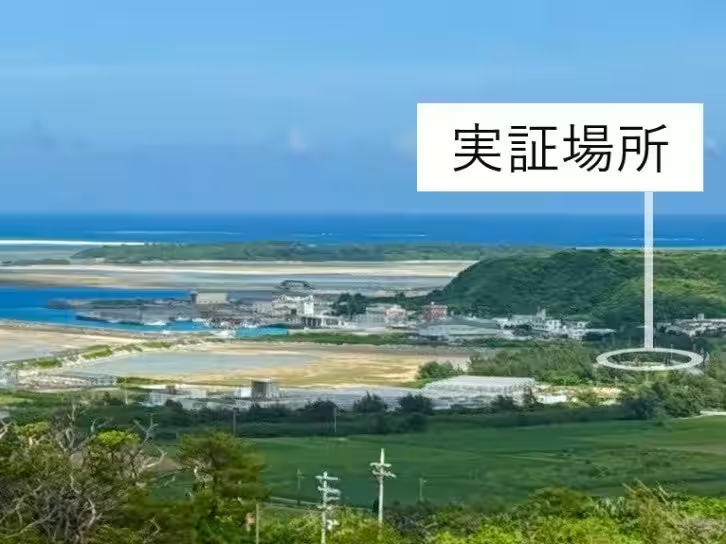
In a significant step towards combating climate change, three major Japanese companies—Hitachi, Mitsui O.S.K. Lines, and Japan Airlines (JAL)—have signed a Memorandum of Understanding (MOU) to conduct a groundbreaking trial of carbon dioxide (CO₂) capture technology. This initiative, which utilizes Direct Ocean Capture (DOC) technology, is set to take place in Kume Island, Okinawa, marking Japan's first domestic application of such advanced CO₂ removal techniques.
The Goals of the Trial
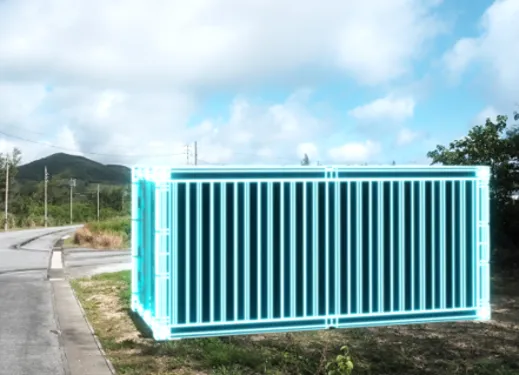
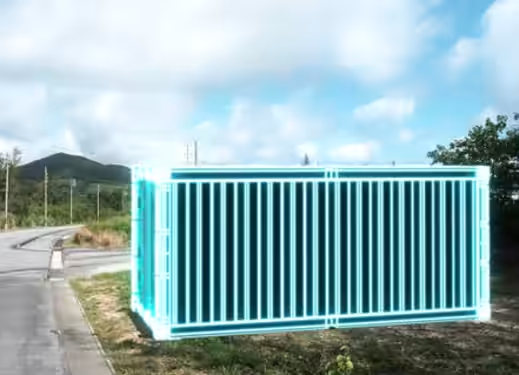
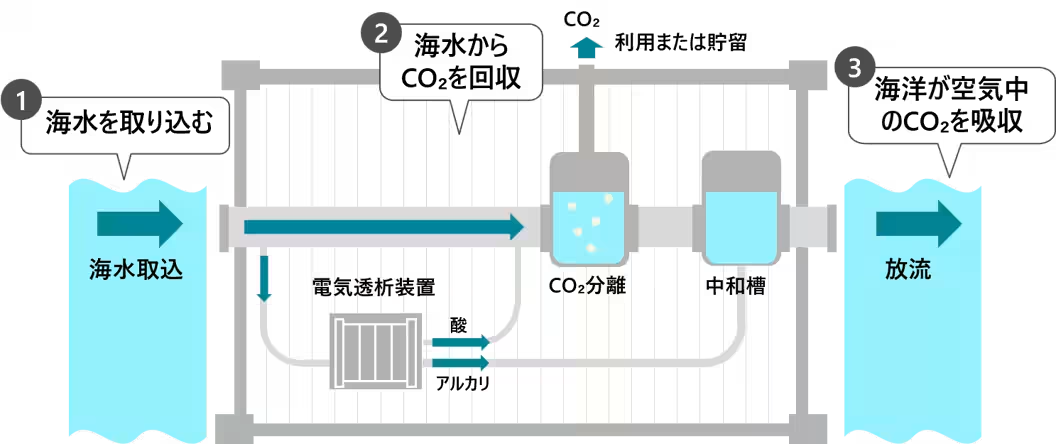
The primary aim of the trial is to assess the applicability of DOC technology in the oceanographic environment near Kume Island. By establishing a modular container facility onshore, the project will involve the extraction of seawater to separate and recover CO₂ directly. This groundbreaking approach seeks to gather fundamental data concerning the operational challenges and environmental impacts associated with coast-level implementations of this technology. Additionally, the collaboration aims to evaluate how the captured CO₂ can be utilized locally, alongside promoting environmental education and awareness in the community.
Background on CO₂ Capture Technology
The DOC technology facilitates direct and stable separation and recovery of CO₂ from seawater. Seawater has a natural tendency to absorb CO₂ until a balance is achieved with the atmosphere; thus, artificially extracting CO₂ promotes a cycle where the sea compensates by drawing more CO₂ from the air. This cyclical process can significantly reduce atmospheric CO₂ concentrations over time. With seawater containing concentrations of CO₂ estimated to be around 100 to 150 times higher than that of the atmosphere, this low-cost and energy-efficient method presents itself as a highly promising solution to mitigate climate change.
Challenges Ahead
Specific sectors, like shipping and aviation, face significant hurdles in minimizing CO₂ emissions, which is why the global demand for effective CO₂ removal solutions has been surging. As the market for carbon credits expands, establishing domestic frameworks for CO₂ capture technologies becomes increasingly vital. This trial represents a fundamental stride toward developing a self-sustaining carbon economy in Japan, with a vision for potentially utilizing the captured CO₂ in the future production of sustainable aviation fuels (E-SAF).
Responsibilities of the Companies Involved
Hitachi
Hitachi leads the initiative under its sustainability strategy, “Inspire 2027,” applying high-precision measurement technologies from Hitachi High-Technologies to monitor operational conditions and environmental data. Additionally, the company aims to implement AI solutions to streamline energy-efficient operations while contributing to the development of a reliable carbon credit baseline through extensive data charting and verification processes.
Mitsui O.S.K. Lines
Mitsui O.S.K. Lines has integrated environmental strategies into its broader operational vision, “BLUE ACTION 2035.” It advocates for decarbonization initiatives using established regional partnerships in Kume Island to create an effective cooperative environment. This collaboration is tailored to not only broaden the potential use of DOC technology but to also stimulate new business opportunities within the community.
Japan Airlines (JAL)
JAL is pursuing CO₂ removal technologies as part of its long-term strategy to advance its operational sustainability. By working together with regional airlines and stakeholders, it aims to expand awareness of DOC technology, while also exploring future possibilities for using captured CO₂ in E-SAF manufacturing.
Conclusion
As we face the growing challenge of climate change, the pioneering collaboration between Hitachi, Mitsui O.S.K. Lines, and JAL in conducting CO₂ capture trials paves the way for innovative solutions in Japan’s pursuit of sustainability. By consolidating scientific research and technological prowess, this initiative not only heralds a new era of environmental responsibility but also exemplifies a model for other countries to follow in harnessing sea resources for ecological innovation. The outcomes from Kume Island could have far-reaching implications for carbon management strategies worldwide.
Topics Environment)
【About Using Articles】
You can freely use the title and article content by linking to the page where the article is posted.
※ Images cannot be used.
【About Links】
Links are free to use.