



Challenges of Solar Proposals in Snowy Regions: Insights from Sales Professionals
The Challenges of Proposing Solar Solutions in Snowy Regions
A recent report from Kokusai Kogyo Co., Ltd. has shed light on the complexities faced by sales professionals in promoting solar energy solutions in areas prone to heavy snowfall. The survey involved 108 sales personnel who have experience in suggesting, estimating, and explaining solar power installations while considering the effects of snow. The results revealed some alarming statistics that reflect the current state of the solar energy market in these regions.
Prevalent Difficulties Experienced by Sales Personnel
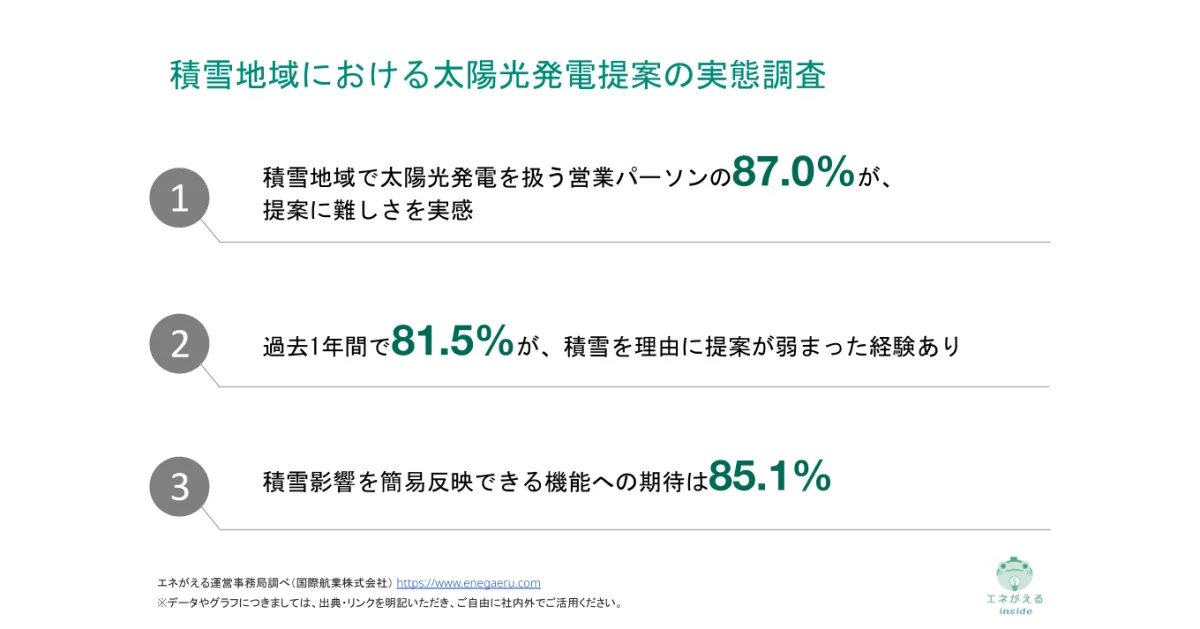
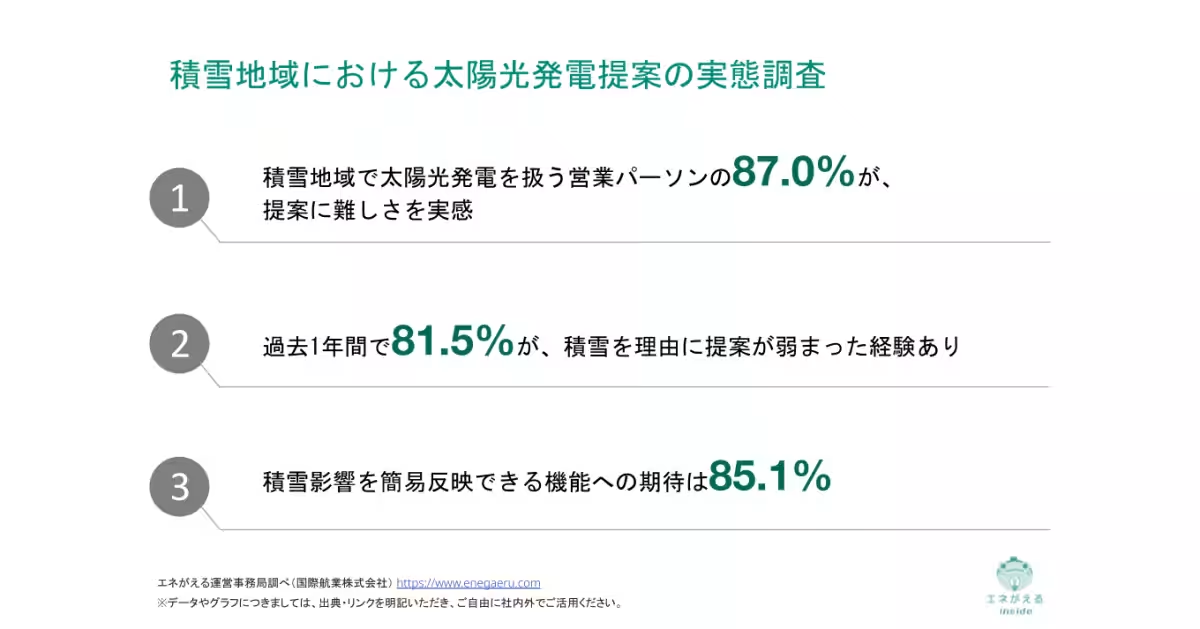
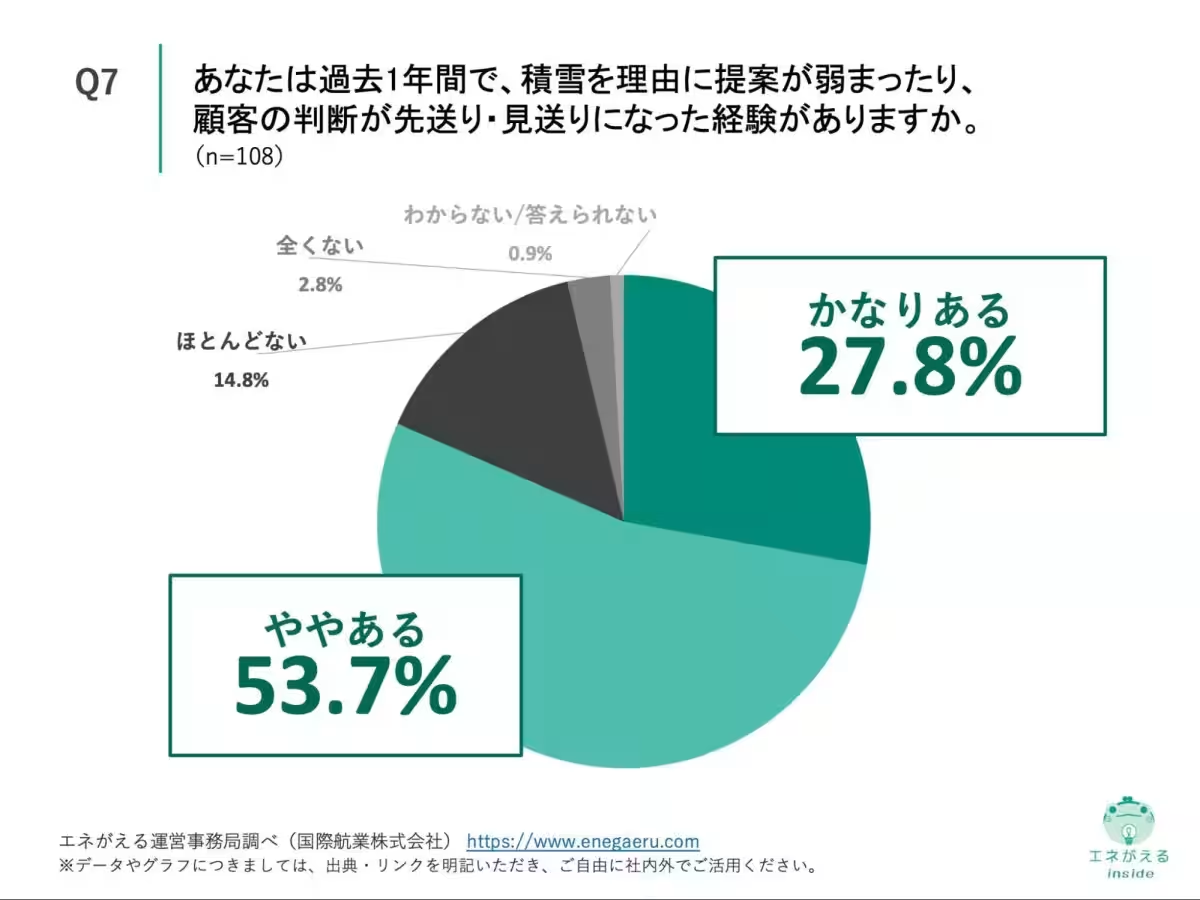
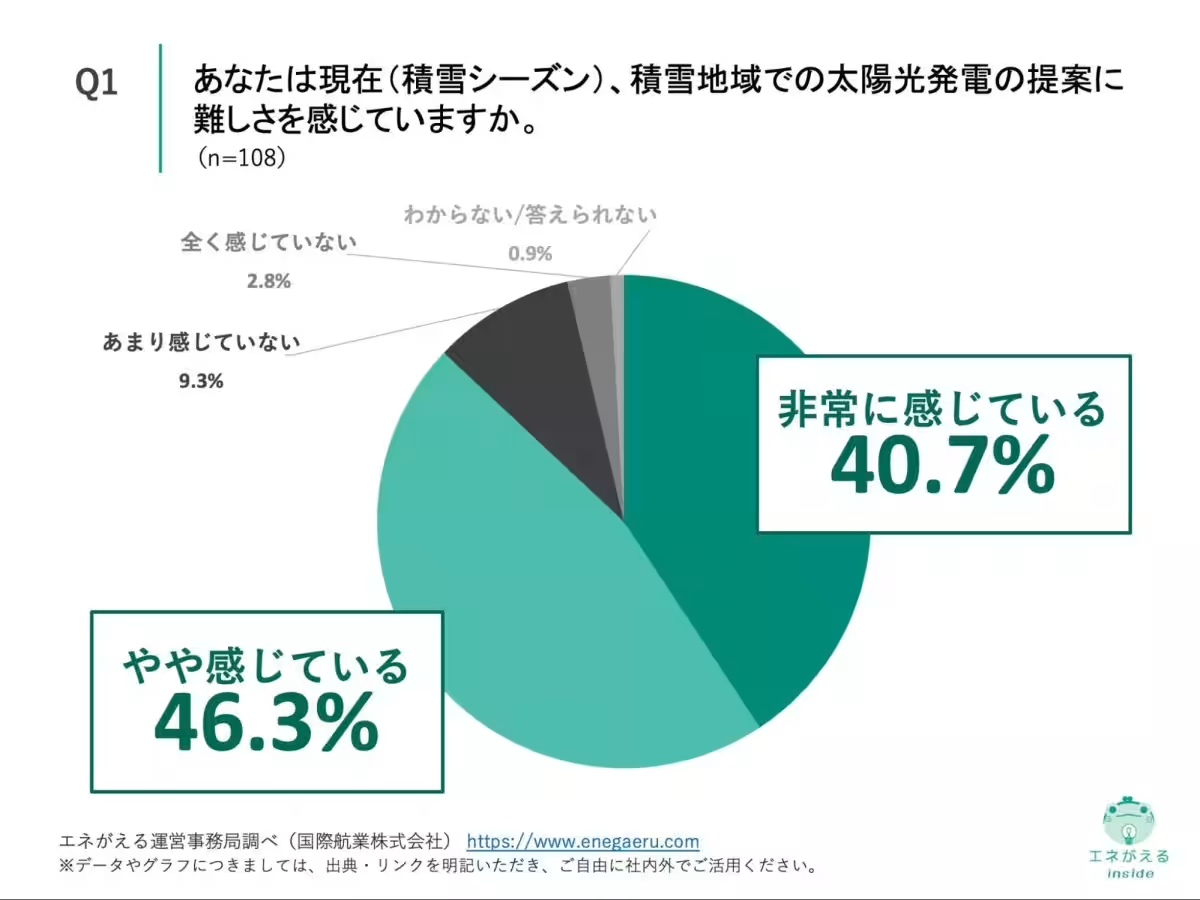
The findings indicate that 87% of sales professionals reported feeling that proposals for solar energy systems in snowy areas are particularly challenging. When asked about the difficulties they encounter during the snow season, 40.7% admitted to feeling very challenged and 46.3% to some extent. Furthermore, 81.5% of respondents acknowledged experiencing weakened proposals due to snowfall over the past year, indicating a significant barrier to sale prospects in these regions.
Customer Concerns About Economic Benefits
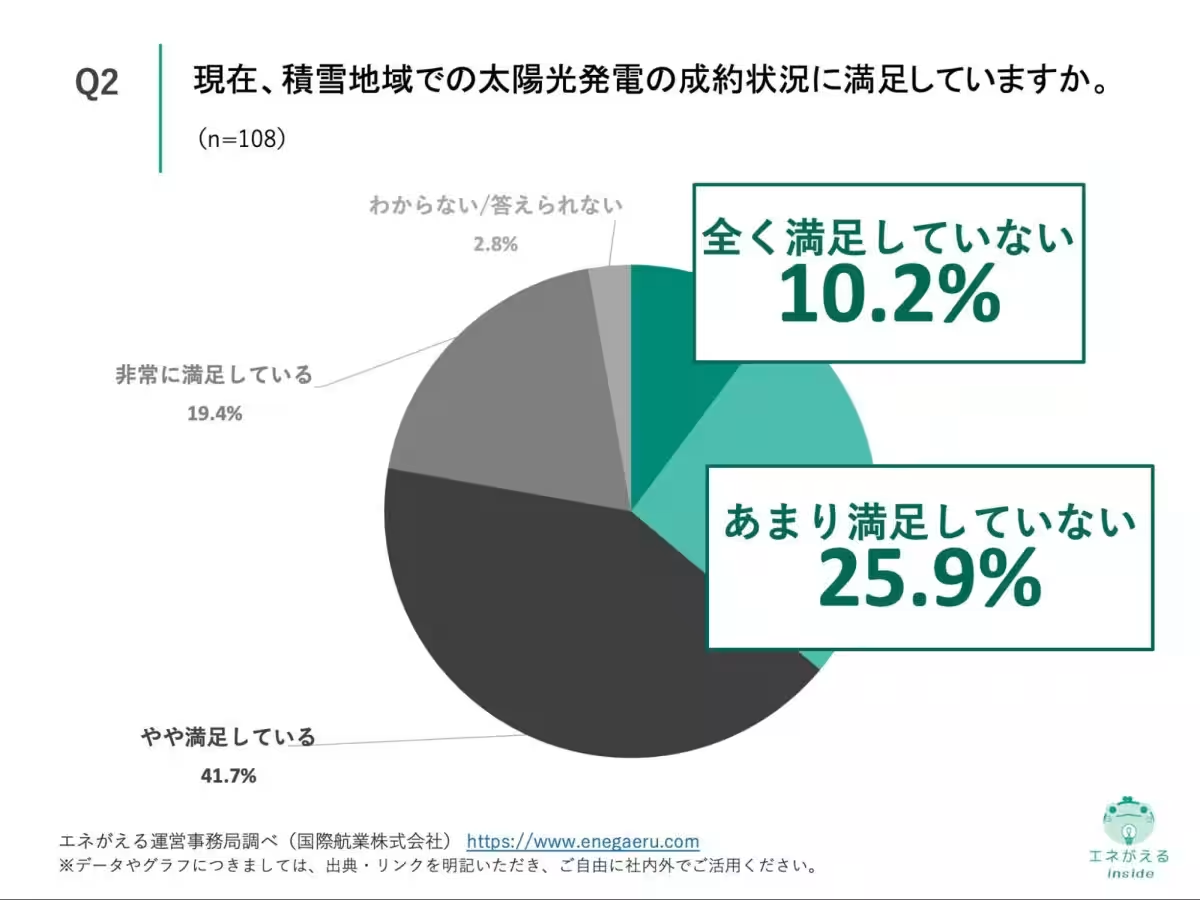
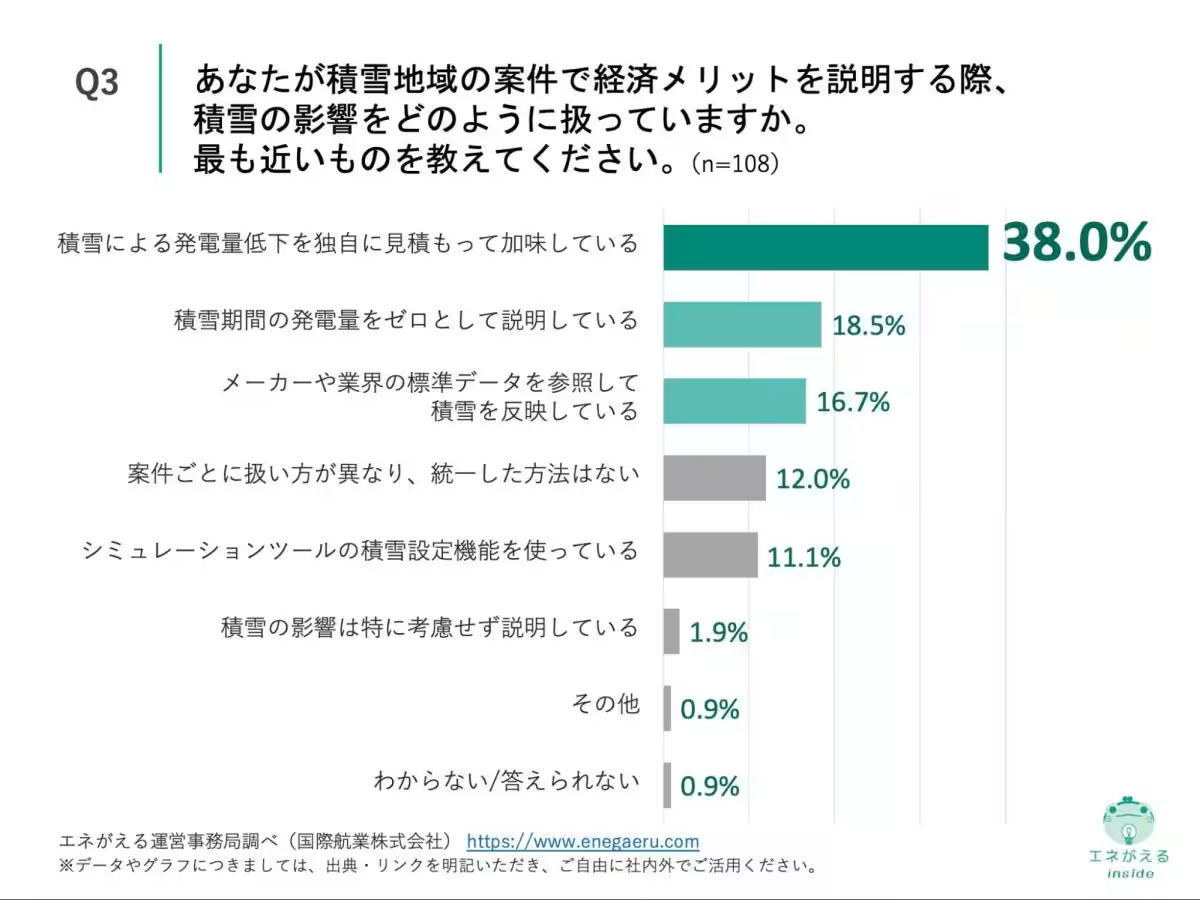
When it comes to explaining the economic advantages of solar energy, 36.1% of sales representatives expressed dissatisfaction with the current state of contract acquisition in snowy regions. In response to questions concerning how they handle snow impacts on power generation, 38% stated they independently estimate reductions in output due to snowfall, while 18.5% treated output during the snow period as zero.
The Need for a Unified Approach
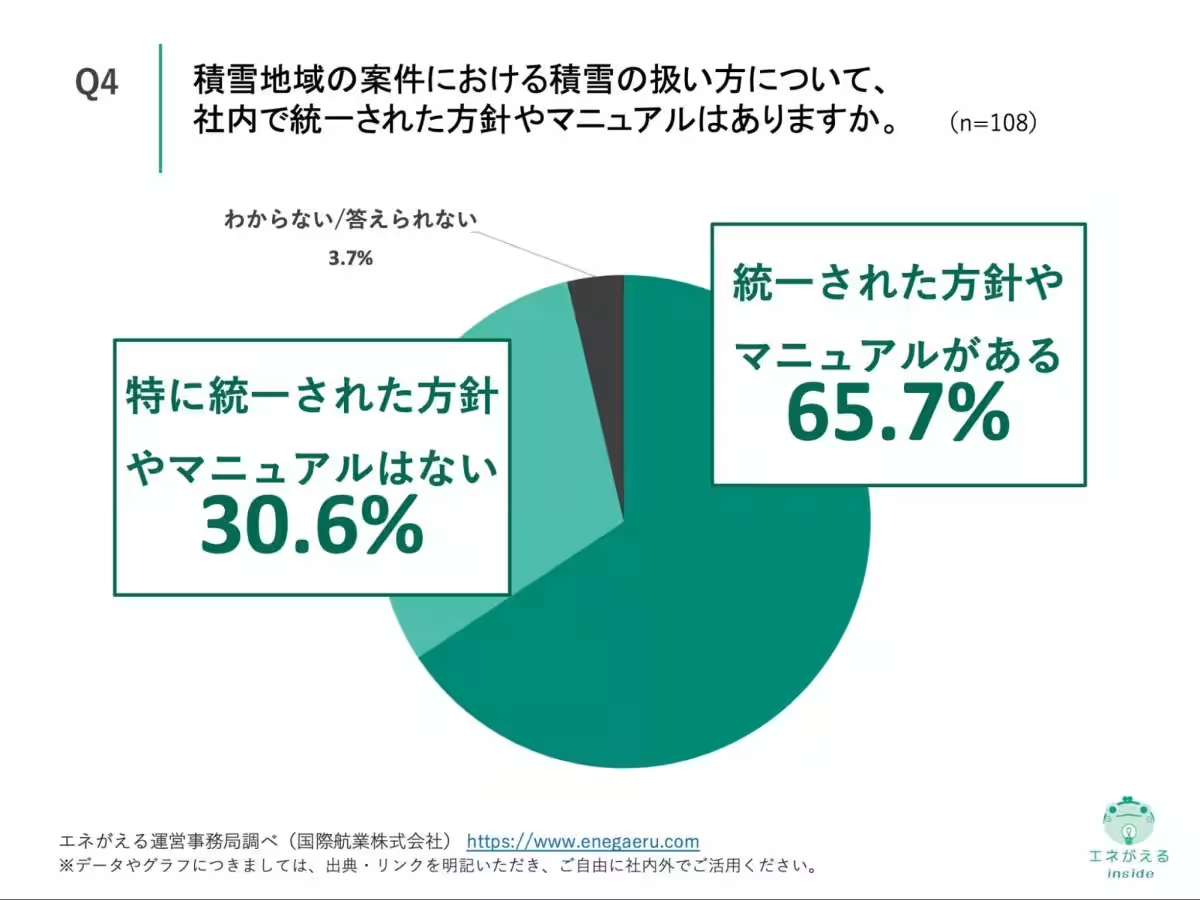
Interestingly, 65.7% of participants indicated their companies have standardized policies or manuals for managing snow-related proposals, yet 30.6% reported that no such guidance exists. This lack of uniformity can lead to inconsistencies and uncertainty among sales staff when addressing customer concerns.
Time Constraints and Hesitation in Grand Economic Benefits Explanations
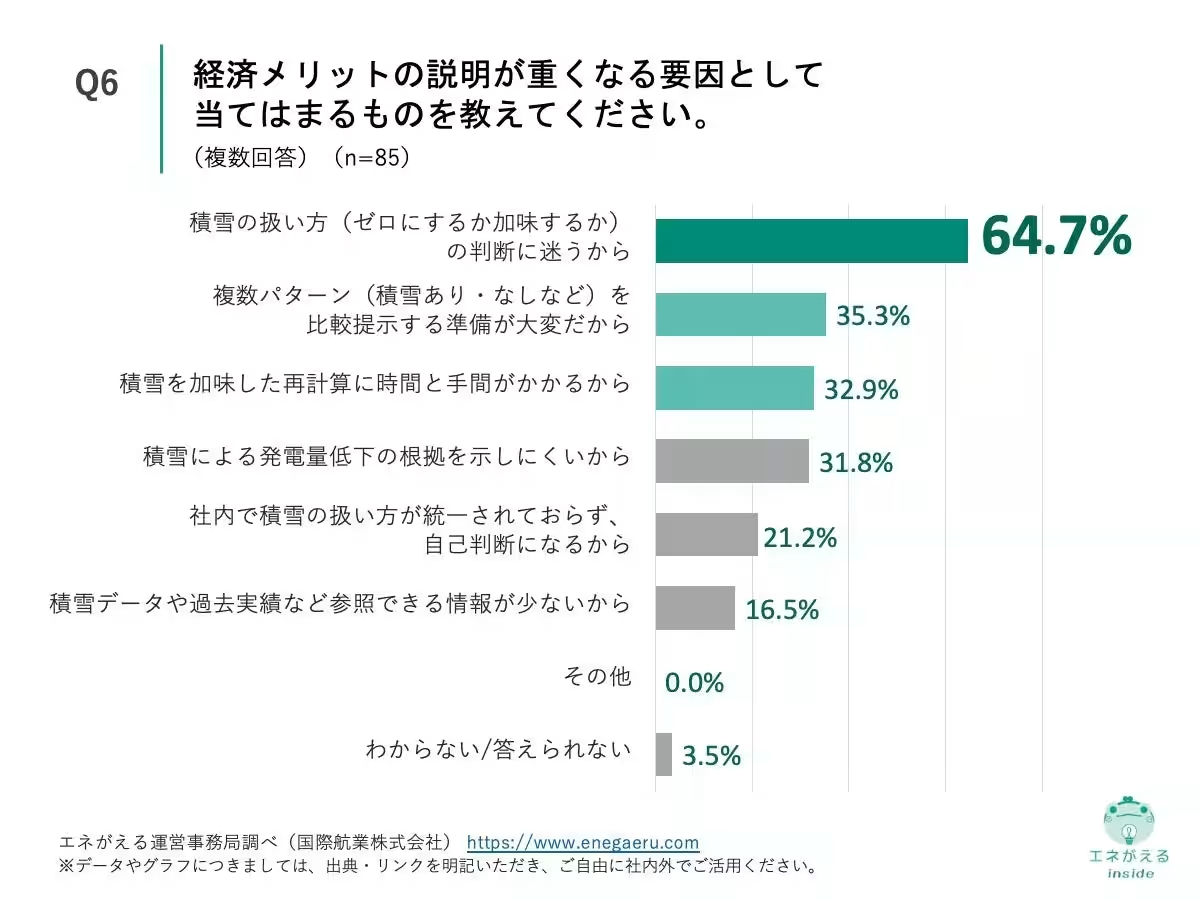
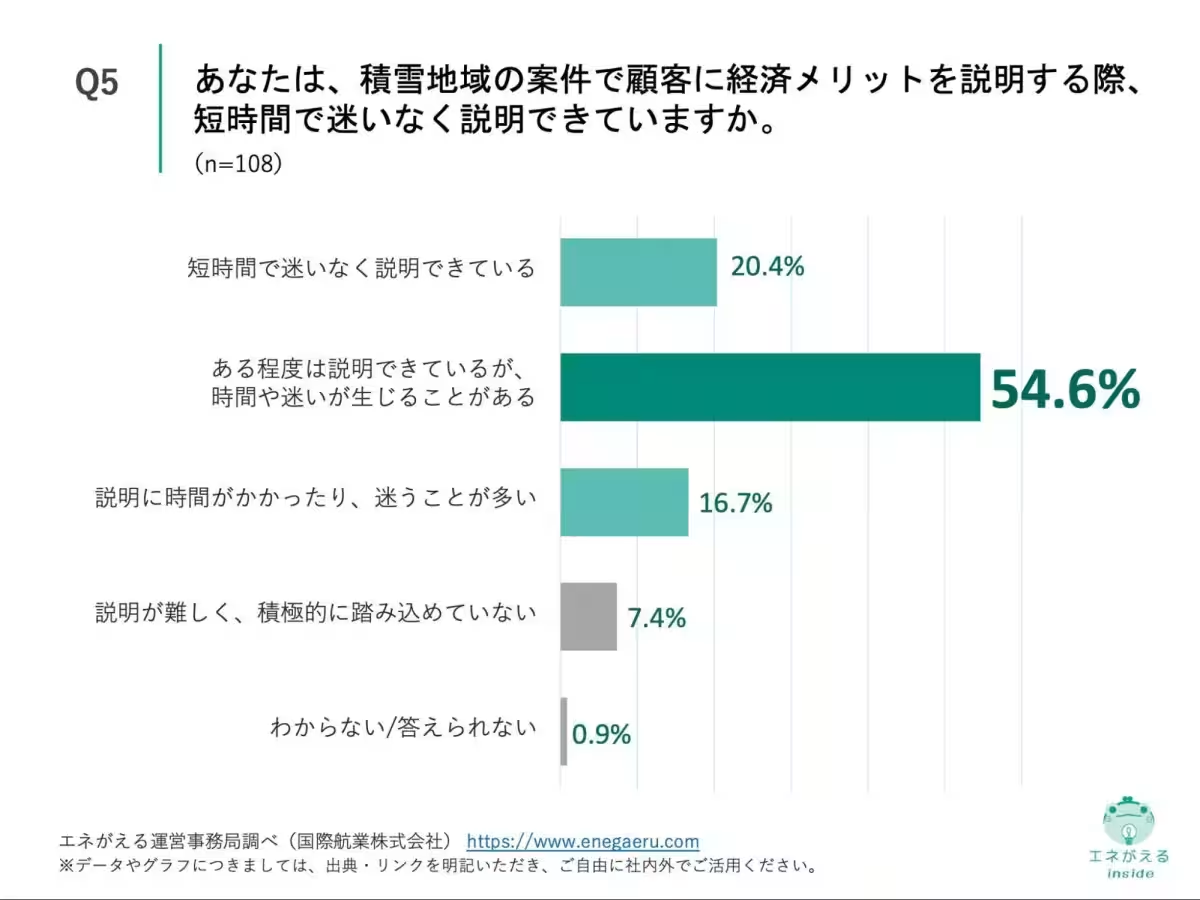
Sales personnel are also struggling with effective communication of the economic benefits of solar systems. More than half (54.6%) indicated they could explain these benefits to some degree but acknowledged that time pressures often lead to indecision during these discussions. Among those experiencing indecision, 64.7% specifically mentioned difficulties in determining how to handle snow-related data when explaining economic impacts to clients.
Customer Skepticism and Proposal Weaknesses
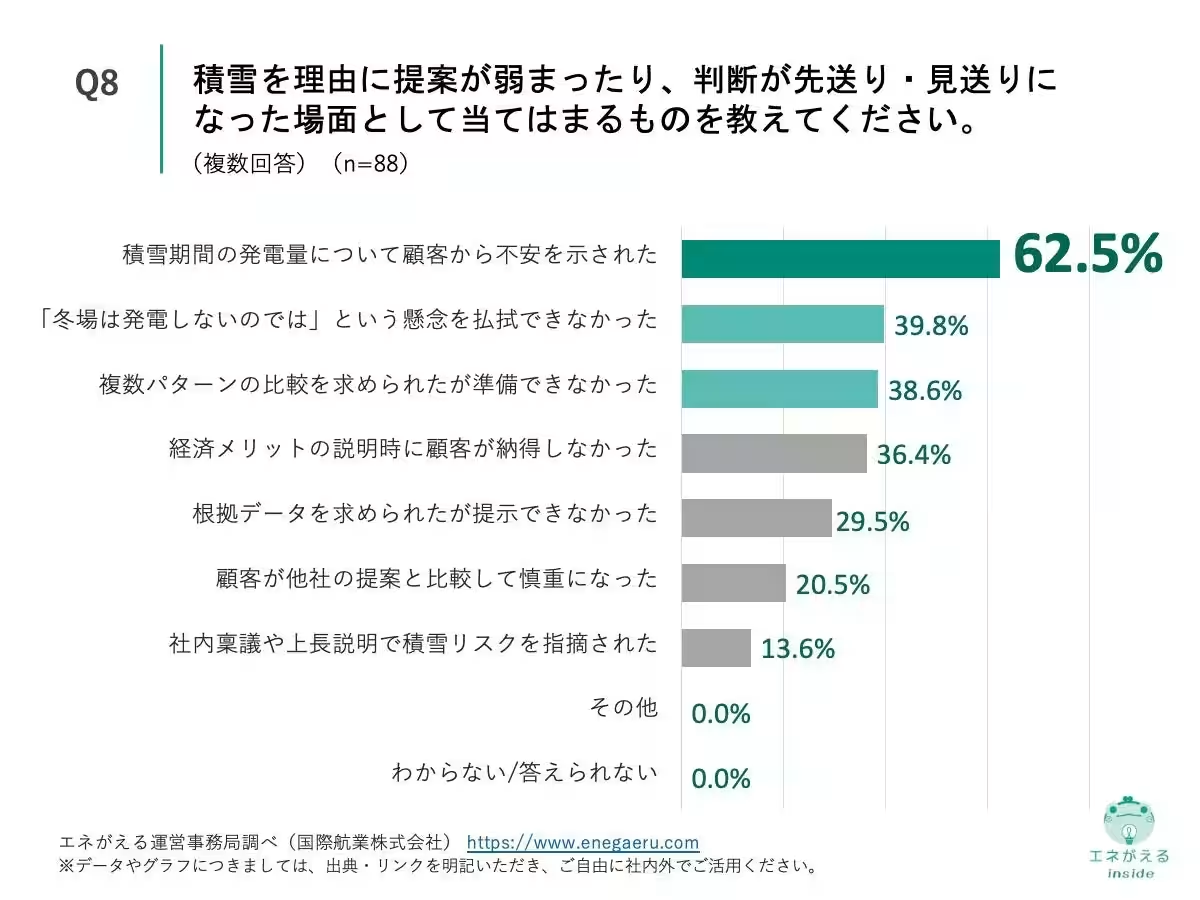
The consequences of these challenges are apparent; 62.5% of those who felt the impact of snow on proposals reported customers expressing concerns about the low output during snowy periods. Additionally, about 39.8% could not dispel fears related to winter energy production, further complicating the sale process. It is clear that effective communication of the advantages of solar power in snowy regions remains a major hurdle for sales professionals.
Hope on the Horizon: Innovative Solutions and Tools
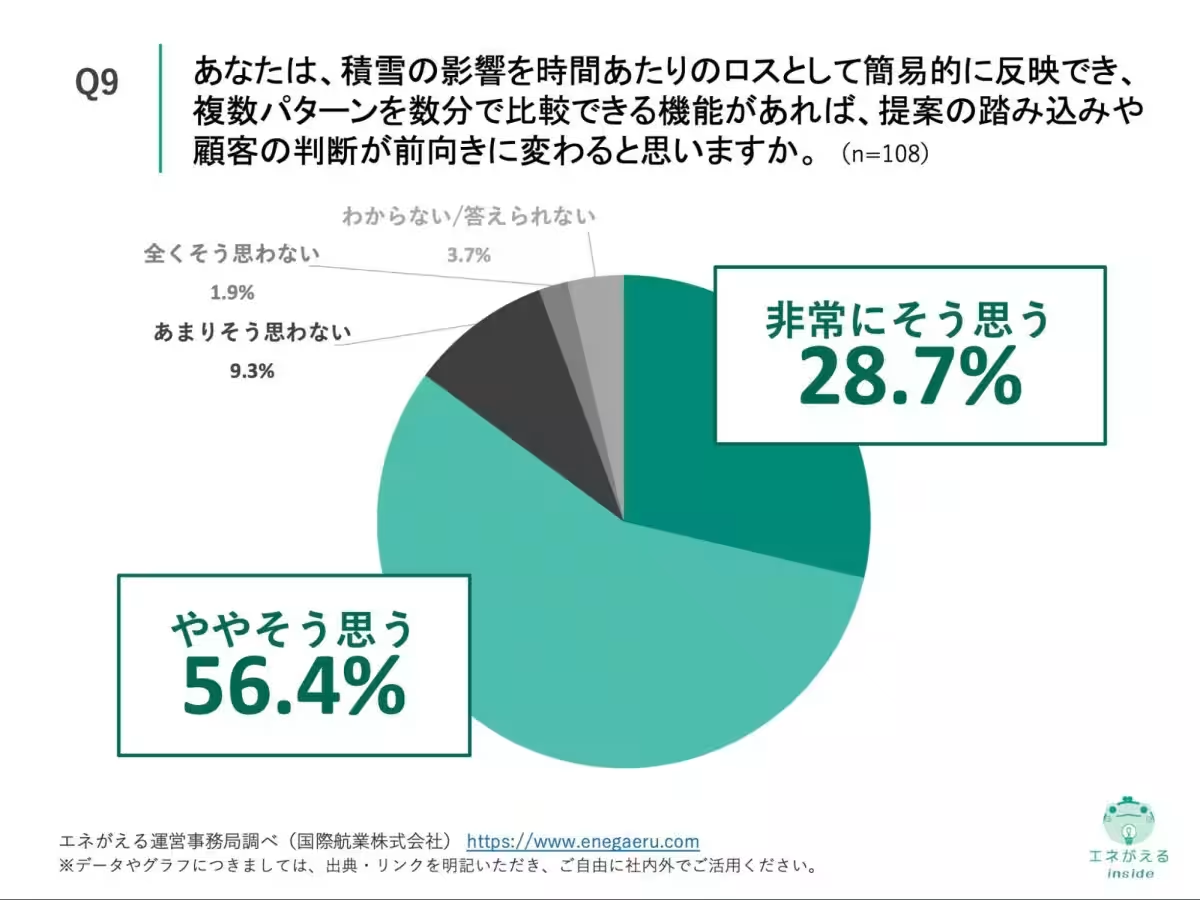
Despite these challenges, there is hope. A remarkable 85.1% of respondents believe that a functional tool capable of visualizing time losses caused by snow, and simulating various comparative scenarios, could significantly improve their proposals and customer decision-making processes.
Success Story: Solar World Co., Ltd.
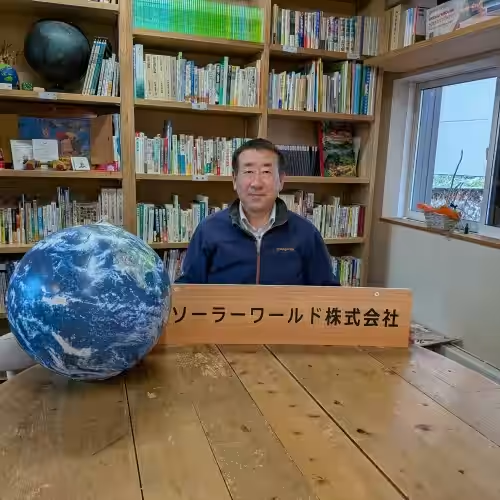
An illustrative example is provided by Solar World Co., Ltd., which operates installation and sales of solar power systems in Niigata Prefecture. After implementing the EnegaeruBiz tool, they reduced the proposal preparation time from three weeks to just one week. This tool allows them to adjust for energy production during the snow season effectively, maintaining high accuracy and further boosting client engagement by simplifying complex data into understandable visuals.
Conclusion
The recent report on solar proposal challenges in snowy regions indicates a pressing need for better strategies and tools. As the solar energy industry strives to thrive in varying climates, the eagerness among sales personnel for supportive tools, like the Enegaeru simulation platform, highlights the future direction needed to alleviate customer concerns and enhance contract acquisition success. Companies must address these needs to ultimately maximize solar energy's potential, even in the most challenging of environments.
Topics Consumer Products & Retail)
【About Using Articles】
You can freely use the title and article content by linking to the page where the article is posted.
※ Images cannot be used.
【About Links】
Links are free to use.