



Okayama University Secures EPOCH Funding to Transform Research Infrastructure and Strengthen Economic Security
Revamping Research Infrastructure in Japan: EPOCH at Okayama University
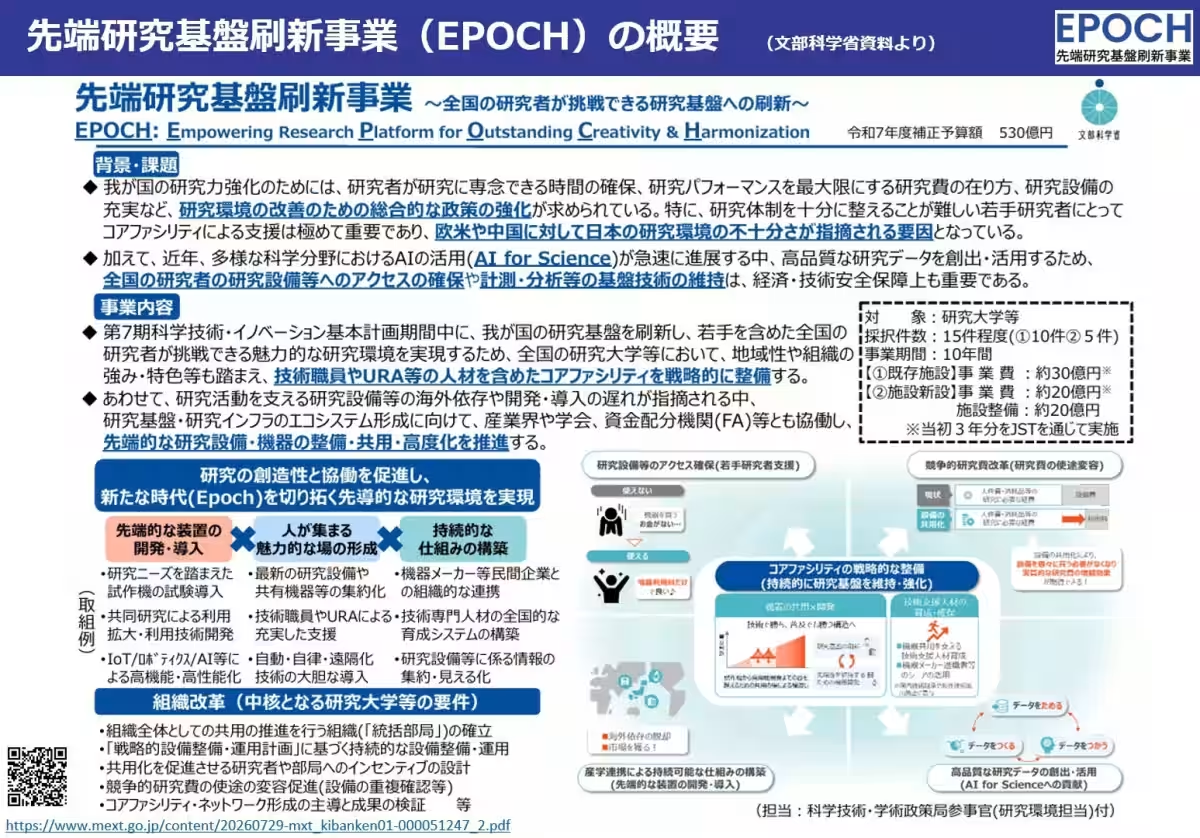
In a significant milestone for Japan's academic landscape, Okayama University has been selected for the Ministry of Education, Culture, Sports, Science and Technology’s (MEXT) Advanced Research Infrastructure Innovation Program (EPOCH). Announced during the regular press conference held by the university’s president on August 21, this funding aims to enhance Japan’s research environment and effectively foster collaboration among researchers across the country.
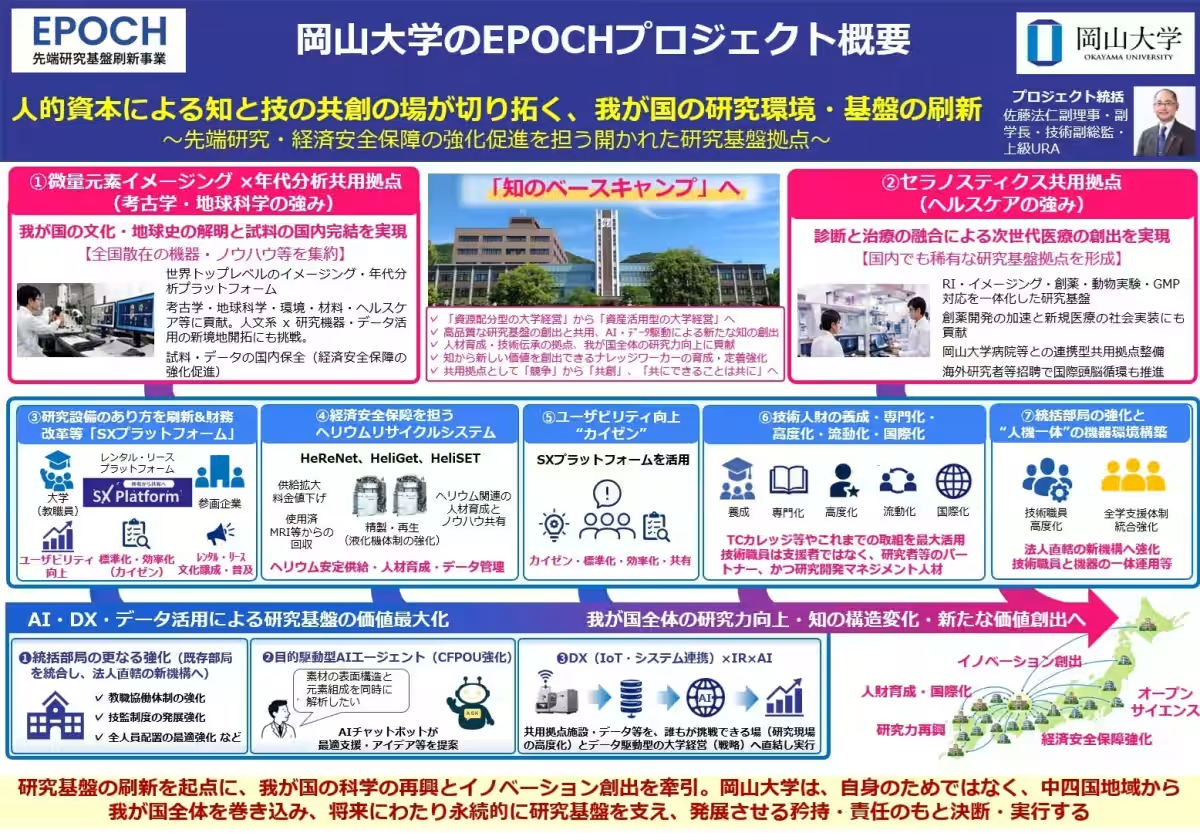
The EPOCH project aligns with the objectives of the 7th Science and Technology Innovation Basic Plan, focusing on establishing a research ecosystem that attracts both seasoned and emerging researchers. The project supports the nurturing of highly skilled personnel, including technological staff and university research administrators (URAs), which are essential for creating strategic core facilities that utilize the unique strengths and characteristics of regional research institutions.
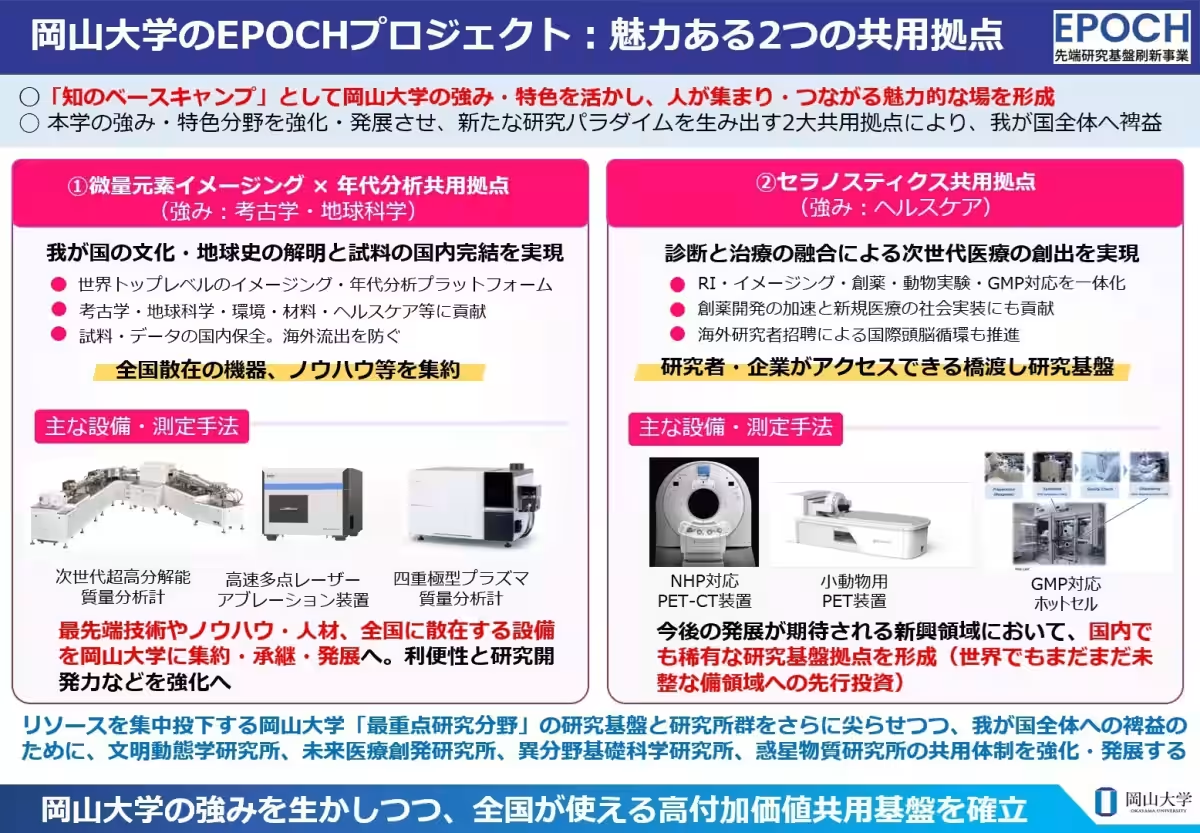
Over the next decade, Okayama University will strategically develop shared facilities centered on its strengths in archaeology and earth sciences, as well as healthcare. The Microelement Imaging and Dating Core Facility aims to improve Japan's capabilities in analyzing samples related to cultural heritage and earth history, thus contributing to economic security. Furthermore, the initiative seeks to consolidate dispersed equipment and expertise from across the country to enhance user convenience and foster substantial improvements in the equipment used.
In parallel, the Theranostics Core Facility, which focuses on the emerging field of theranostics—an innovative approach combining diagnostics and therapeutic treatment for cancer and other complicated diseases—will serve as Japan’s first dedicated facility in this area. This initiative is expected to facilitate groundbreaking medical advancements and support the development of therapies rooted in a molecular understanding of diseases.
Moreover, the EPOCH project will also address the training and advancement of the personnel responsible for managing these core facilities. By enhancing the specialization and fluidity of research staff, Okayama University aims to produce talented engineers capable of leading the way in transforming Japan’s advanced research foundation.
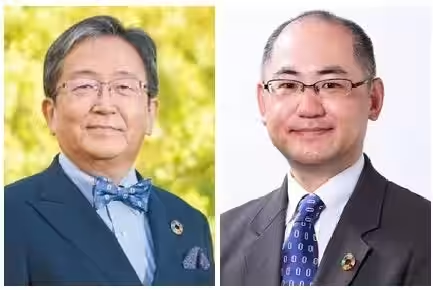
The project, under the leadership of Vice President Norihito Sato, who will oversee its implementation, underscores the university's commitment to not only strengthening its own research capabilities but also revitalizing Japan’s overall research infrastructure. As part of this initiative, the university will also enhance the Helium Recycling System (He3 Project), which plays a crucial role in economic security—demonstrating the university’s dedication to both research and practical applications in industry.
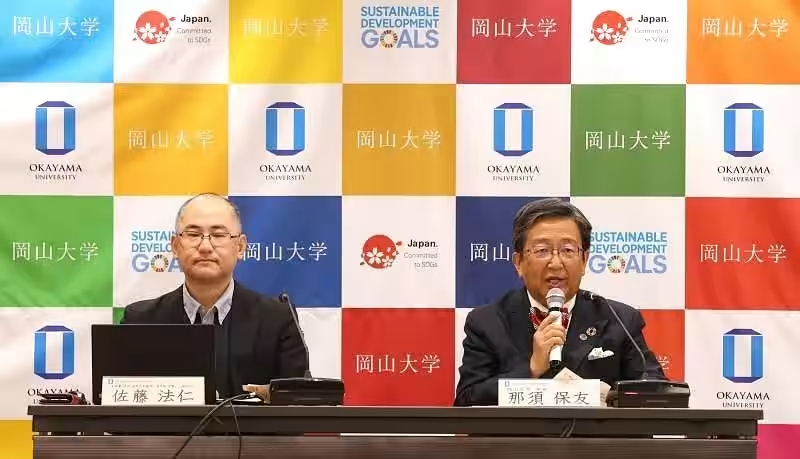
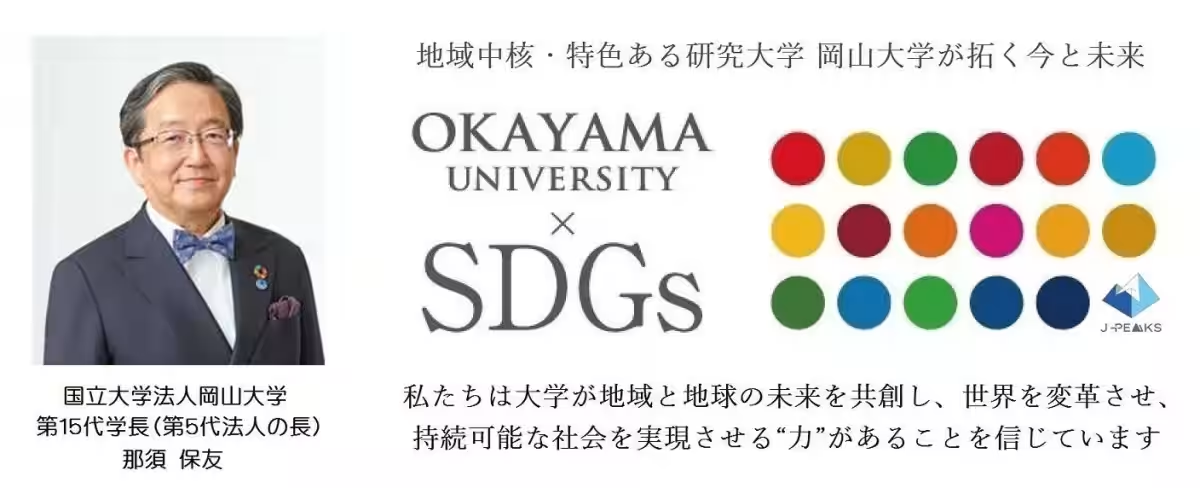
In a statement regarding the EPOCH approval, President Yoshitomo Nasu expressed the university’s determination to push forward despite the challenges presented by funding. He believes in proactively pursuing projects irrespective of funding outcomes, showing a strong commitment to supporting nationwide efforts in scientific advancement. He plans to significantly invest from the university's own budget to ensure this initiative's success, which he considers a turning point for Japan’s research environment.
The collaboration promises to not only transform Okayama University into a center of excellence but also to contribute significantly to a nationwide reform of research infrastructures, echoing the objectives of the J-PEAKS initiative aimed at positioning Japan as a leading nation in research and innovation.
As the EPOCH initiative unfolds, Okayama University is expected to openly share its findings and methodologies, thereby encouraging horizontal expansion across universities in Japan. This collaboration with diverse stakeholders emphasizes the importance of a unified approach to advancing research and innovation in Japan
In conclusion, the EPOCH project at Okayama University represents not just a step towards enhancing its research environment but also a commitment to rejuvenating Japan’s intellectual landscape as a whole. Interested parties are encouraged to watch the developments of this pivotal initiative, which promises to yield substantial benefits for researchers across the nation.
For more information regarding this program, please visit Okayama University’s official website.


Topics Other)




【About Using Articles】
You can freely use the title and article content by linking to the page where the article is posted.
※ Images cannot be used.
【About Links】
Links are free to use.