



Exploring the Surge of Gambling Addiction in the 2020s: A Deeper Look
Understanding Gambling Addiction in the 2020s
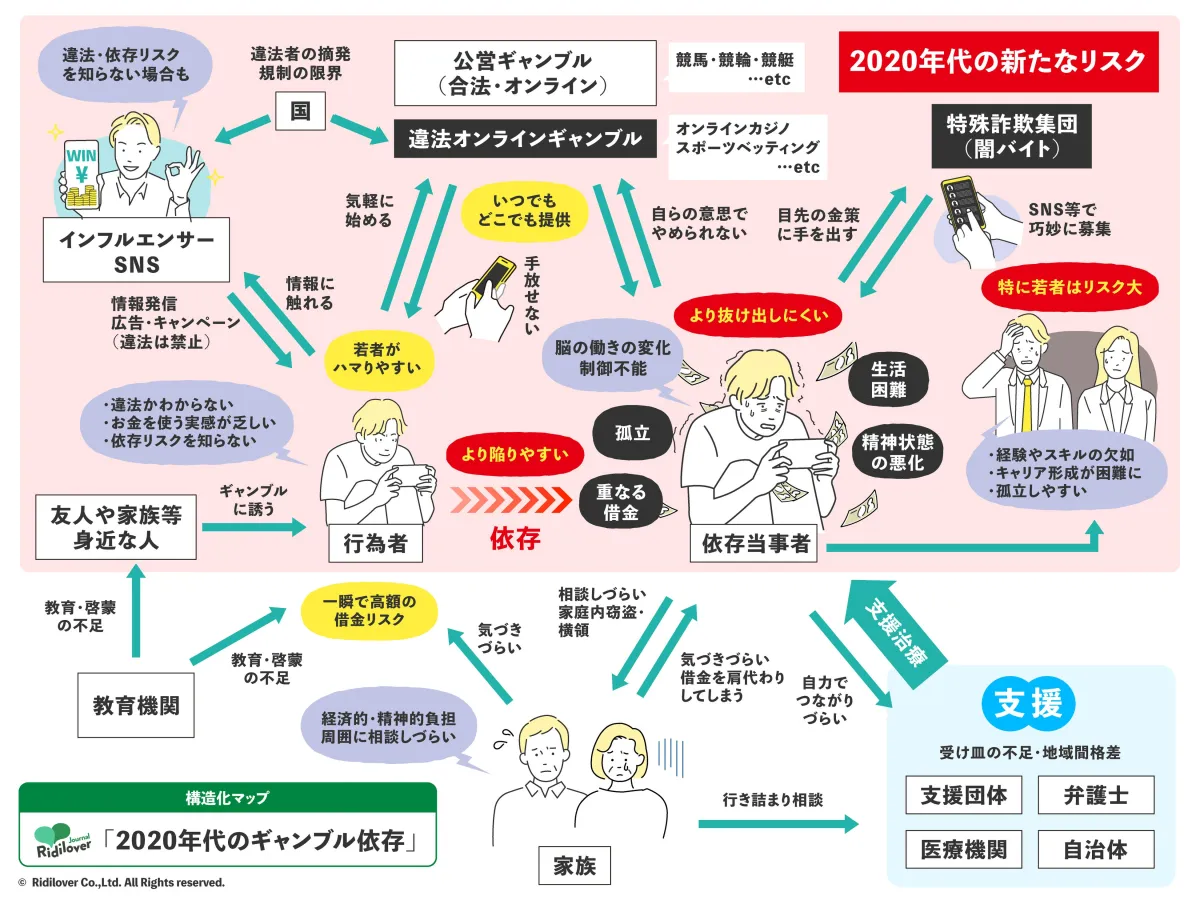
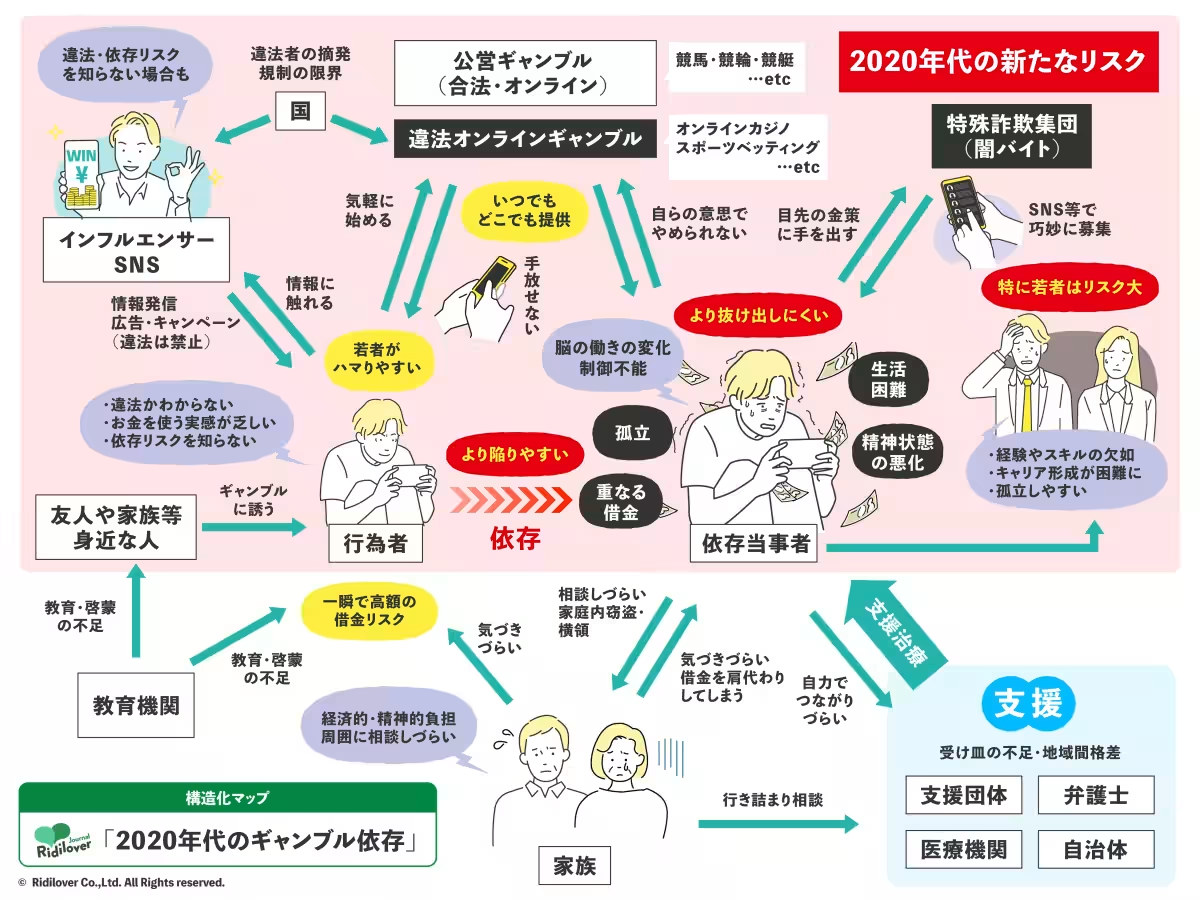
Ridilover, a Tokyo-based company, has released a structured six-part feature called "Gambling Addiction in the 2020s" through its dedicated social issue media, Ridilover Journal. This special examines how gambling addiction has become more prevalent among younger individuals, escalated rapidly, and resulted in higher debts in the current decade. By incorporating firsthand narratives and extensive data, this series aims to shed light on the stark realities of gambling addiction in our society today.
Key Highlights of the Series
More Young People Affected
Recent data indicates a worrying trend: a significant increase in gambling addiction cases among individuals in their twenties and thirties. A survey conducted by the Japan Gambling Addiction Problem Committee found that in 2023, approximately 80% of those seeking help belonged to these age groups. Medical professionals have echoed these findings, noting that the age of patients seeking treatment for gambling-related issues has notably decreased over the years.
Rapid Escalation of Addiction
The advent of online gambling platforms has made it easier for individuals to fall into the grips of addiction and debt in a much shorter timeframe. Findings show that about 30% of users incur their first debt within a week of starting online gambling, while another 30% do so within a month.
Increasing Debt Levels
The financial implications of gambling addiction are also severe. The average debt for individuals seeking help has escalated sharply, reaching 8.55 million yen in 2023, as reported by the Japan Gambling Addiction Problem Committee. Additionally, the Ministry of Health, Labor and Welfare has observed a rise in average gambling-related debts from approximately 3.94 million yen in 2020 to about 6.54 million yen in 2023.
Implications of the Findings
The 2020s have seen gambling become easily accessible anytime and anywhere, blurring the lines of personal responsibility and social awareness. With cashless betting options available and instant results, many individuals find themselves trapped in a cycle of addiction without immediate detection by their families or peers. Consequently, when problems become apparent, cases of debt and life destabilization have often reached critical levels. As for the younger generation, the risks extend beyond just financial hardship; they threaten vital aspects of life such as education and career development.
While the pathways to gambling addiction are widening, there remains a significant challenge in establishing preventive and recovery frameworks.
Series Structure
As discussions about the legality of online casinos and sports betting continue to rise, it’s essential to recognize that the underlying issues go beyond a binary classification of legal versus illegal. The rapid digitalization of gambling allows it to seep into everyday life, heightening its accessibility. This series addresses the mental and social structures that contribute to gambling addiction, moving the dialogue from personal failings to societal concerns.
The series is divided into three chapters:
Chapter 1: Structures That Encourage Addiction
1. The Ease of Gambling Addiction - An exploration of how smartphones facilitate gambling at any time, eliminate cash transactions, and provide instantaneous feedback.
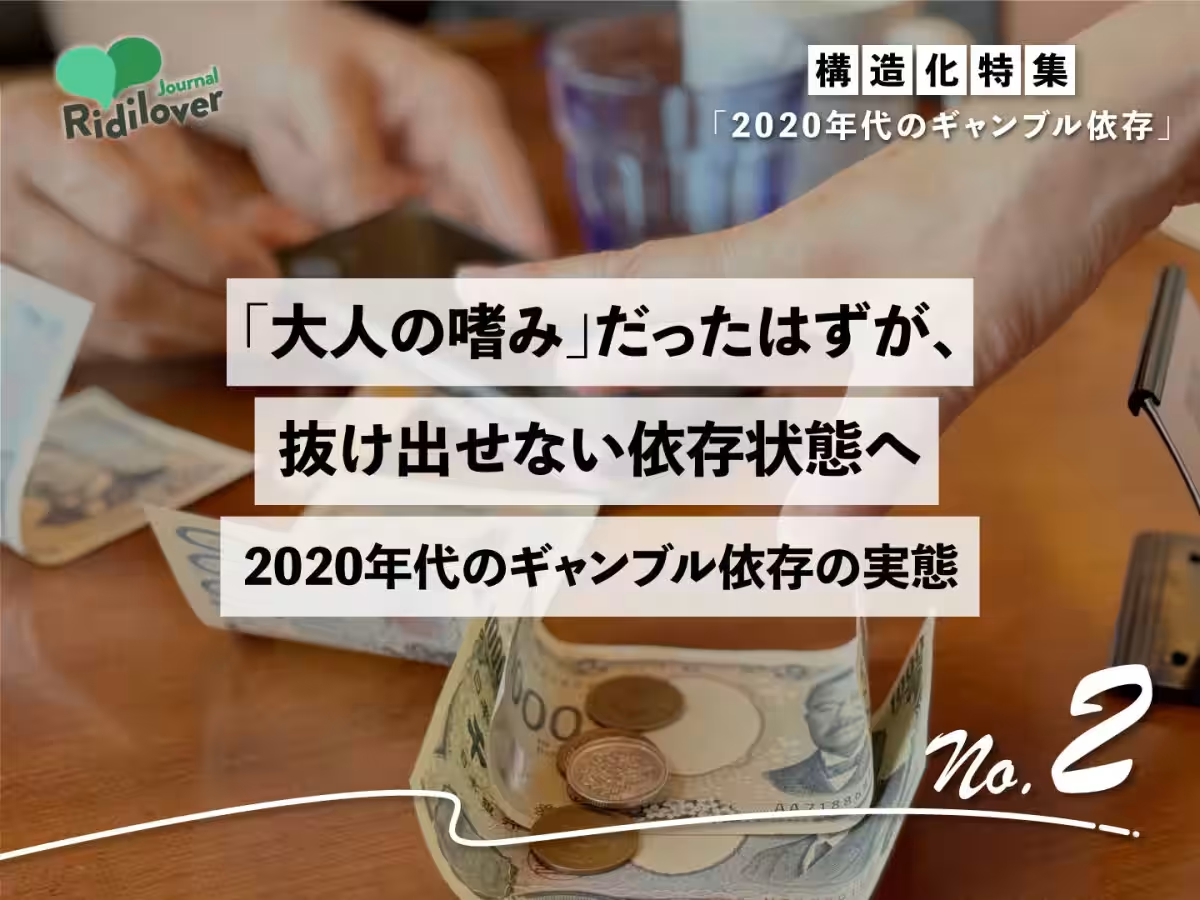
2. Reality of Gambling Addiction - Personal testimonials reveal the transition from traditional forms of gambling to sports betting and online casinos, often unnoticed by family members as debt accumulates.
Chapter 2: Structures That Hinder Recovery
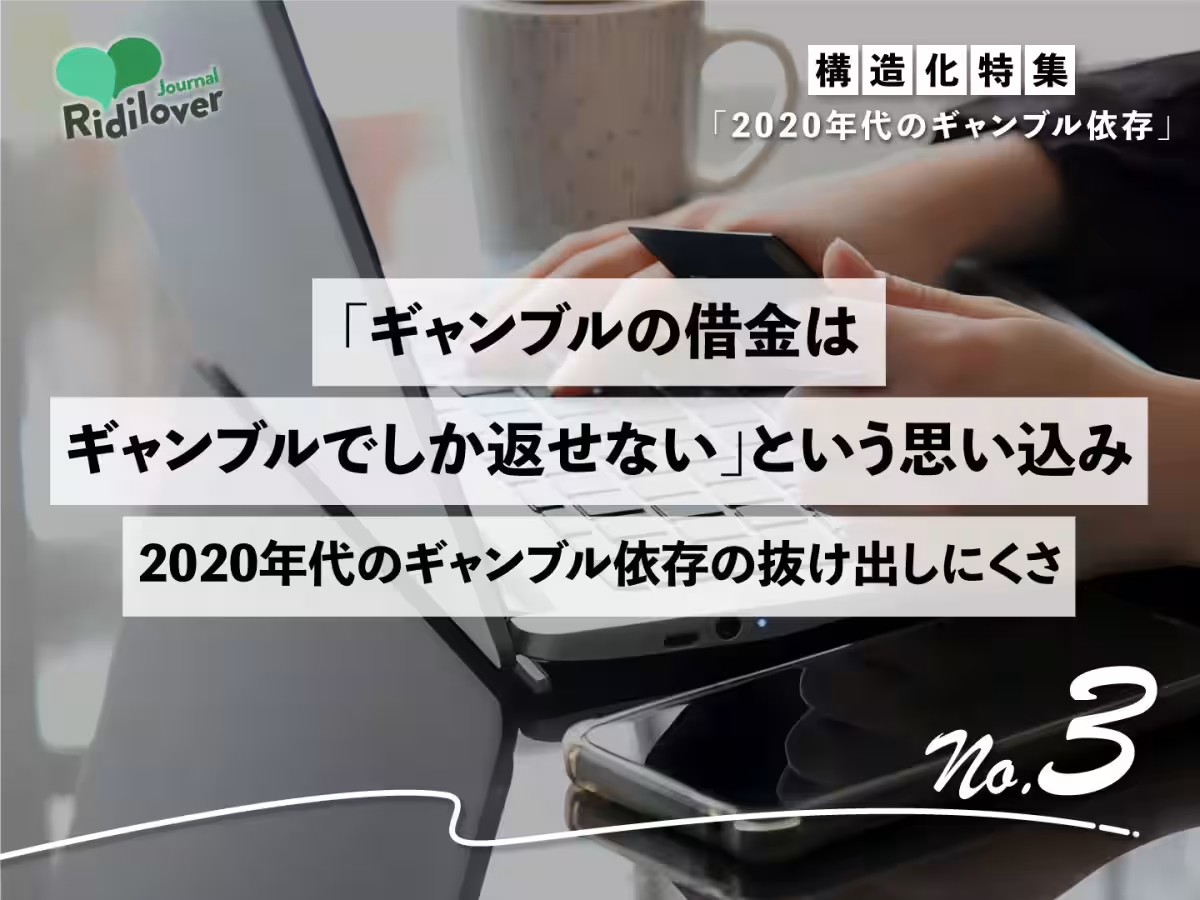
3. Barriers to Recovery - Discusses the misconception that gambling debts can only be repaid through further gambling, coupled with the risk of criminal involvement.
4. Impact on Youth - Examines how gambling addiction can undermine young people's futures, affecting their financial stability and educational prospects.
Chapter 3: Challenges in Creating Support Systems
5. Challenges in Support for Gambling Addiction - Reflects on the difficulty for individuals and families to recognize the addiction and seek help, along with factors such as shame and fear.
6. Prevention and Recovery Difficulties - Reviews the challenges posed by the increasing exposure to gambling and the obstacles in establishing effective prevention, regulation, and recovery assistance.
Editorial Comments
With online gambling becoming more embedded in daily life, it often leads to severe consequences by the time issues surface. This feature re-evaluates gambling addiction as not merely an individual dilemma but as a complex issue deeply intertwined with social structures and support systems. The series aims to highlight the ongoing changes, the growing risks, and to provoke thoughtful discourse on a societal issue that demands our attention.
For full access to all six articles, check out the Ridilover Journal's special feature page here.
Conclusion
The "Gambling Addiction in the 2020s" series is a crucial initiative by Ridilover Journal, aiming to foster understanding and discussion about the societal challenges posed by gambling addiction. Ridilover continues to be a pioneer in addressing social issues by providing insightful in-depth analyses and facilitating vital conversations.
- ---

Topics People & Culture)

【About Using Articles】
You can freely use the title and article content by linking to the page where the article is posted.
※ Images cannot be used.
【About Links】
Links are free to use.