



Understanding the Differences Between Milia and Eccrine Keratinocytes: A Guide for Women
Clear Up Your Skin: Understanding Milia and Eccrine Keratinocytes
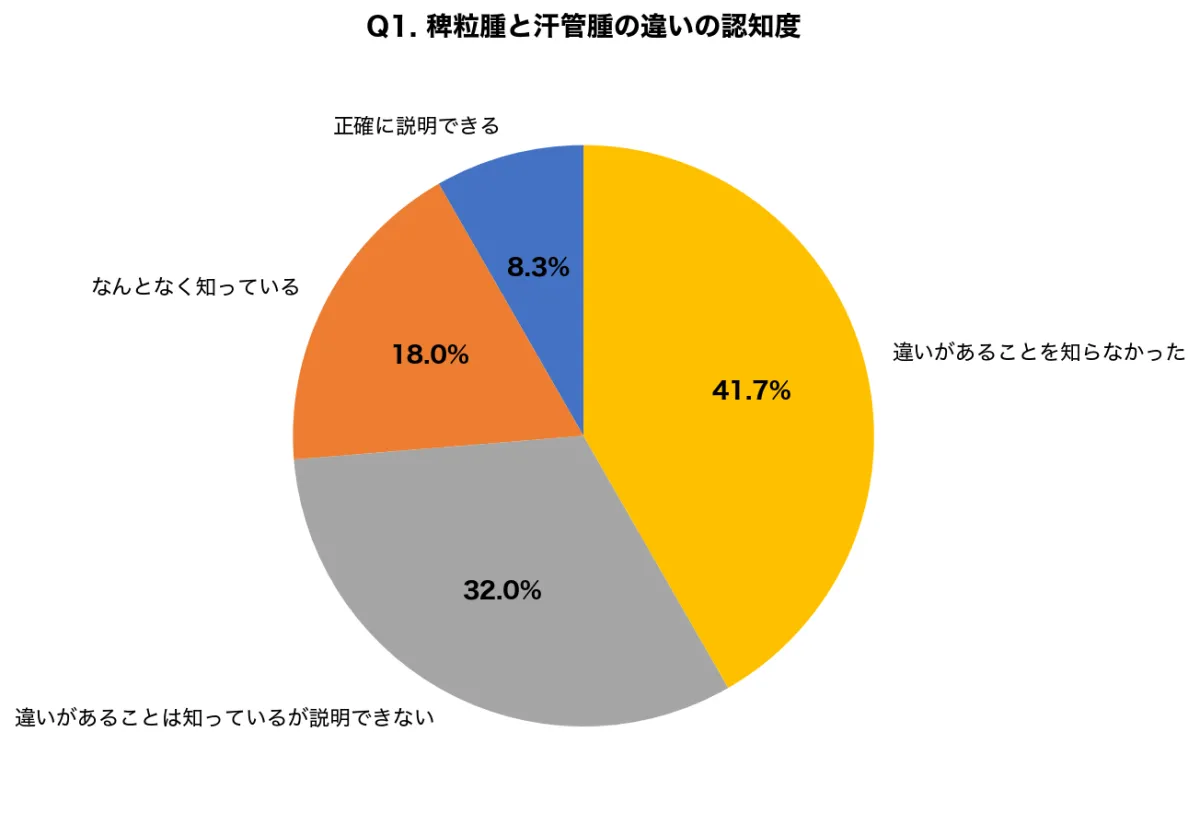
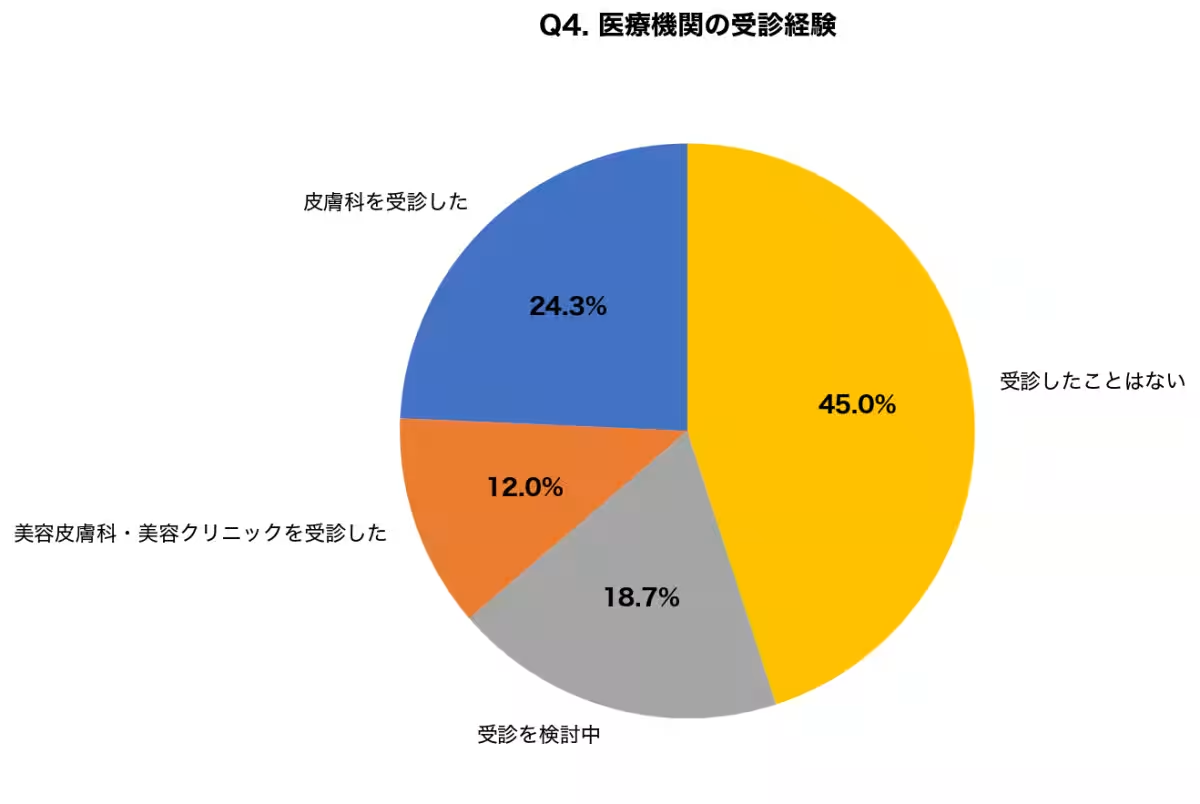
Milia and eccrine keratinocytes are common skin conditions that often perplex many, especially women seeking clear and flawless skin. According to a recent survey, a staggering 73.7% of women suffering from white bumps around their eyes are unaware of the differences between these two skin conditions. This article aims to provide clarity on milia and eccrine keratinocytes and highlight the importance of seeking professional medical treatment while avoiding self-remedies that may lead to complications.
The Facts About Milia and Eccrine Keratinocytes
At the core of the matter, the white bumps that many women find undesirable can primarily be classified as either milia or eccrine keratinocytes. Milia are tiny white cysts that typically measure 1 to 2mm, resulting from the accumulation of keratin near the surface of the skin. Most importantly, attempting to self-treat milia by squeezing or using needles can lead to infections or unsightly scarring, making medical intervention highly advisable.
Conversely, eccrine keratinocytes appear as skin-colored to slightly yellow lesions ranging from 2 to 3mm. They occur due to benign tumors in the sweat ducts and often require treatments like laser therapy or electrosurgery for removal.
Key Survey Insights
- - Over half of the women surveyed had no knowledge about the differences between milia and eccrine keratinocytes.
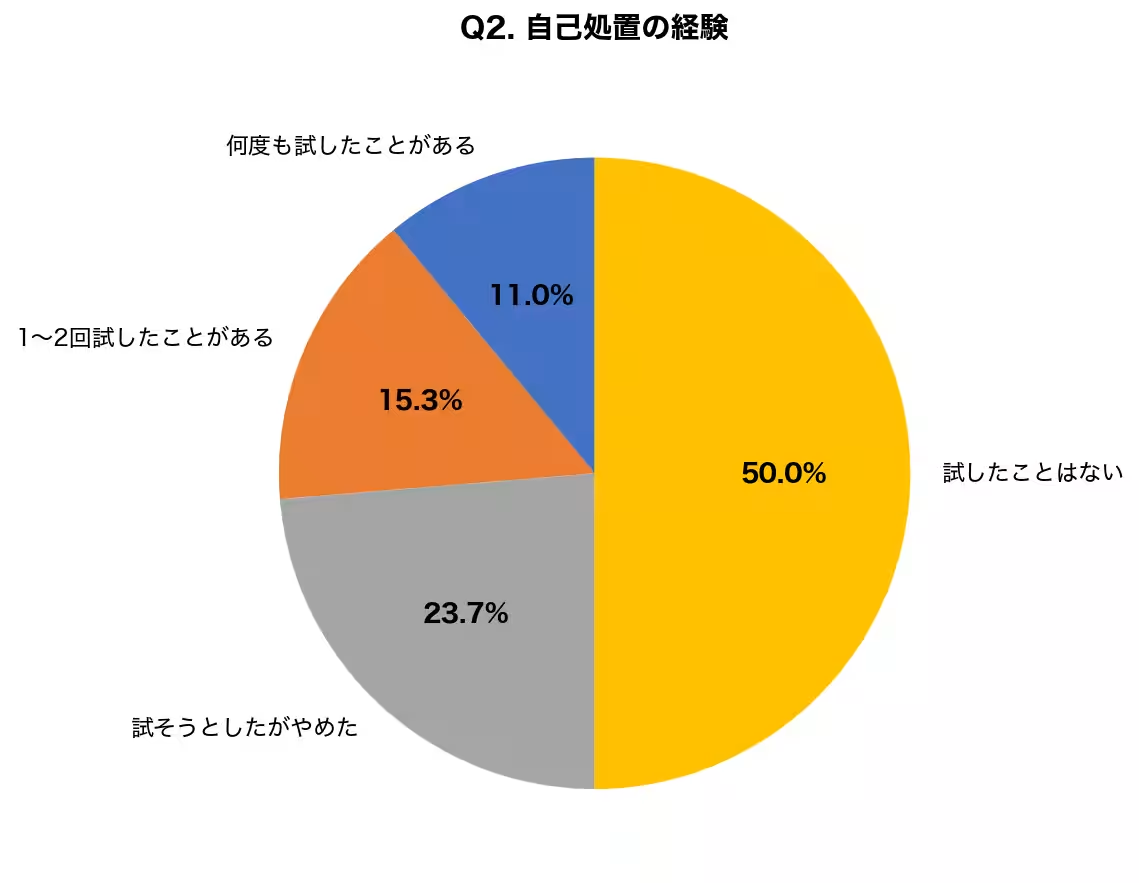
- - Around 26.3% had attempted to remove these bumps themselves, with an alarming 58.2% experiencing complications such as inflammation or scarring.
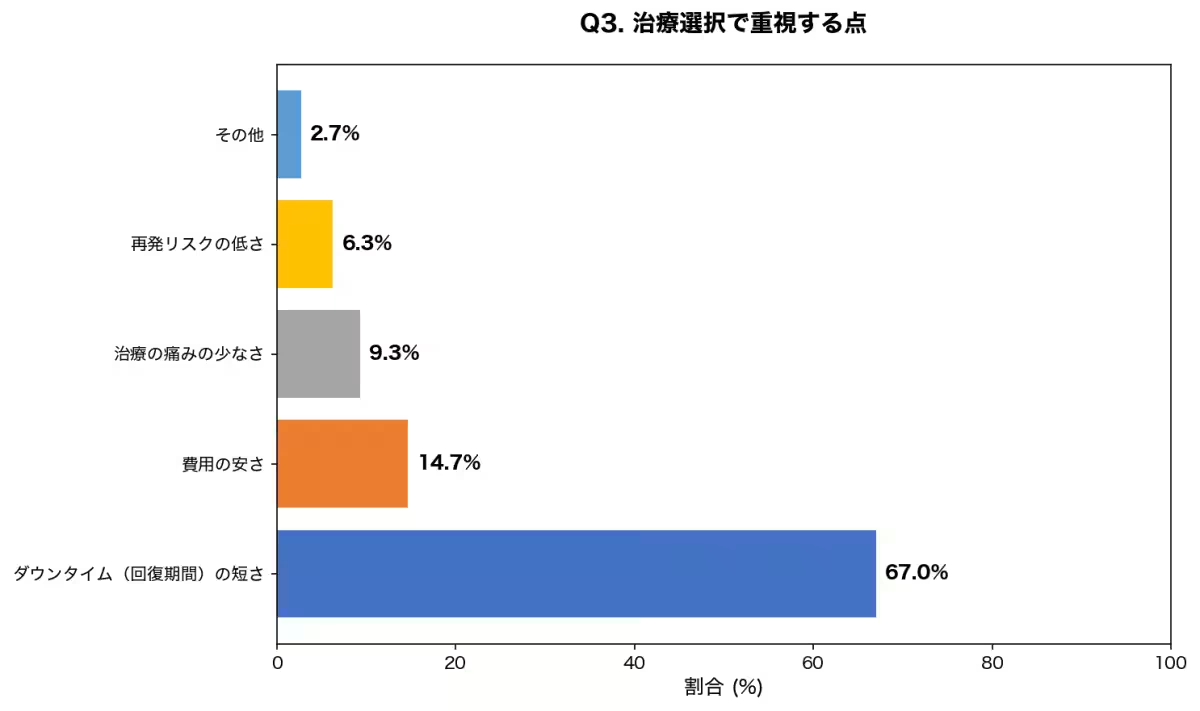
- - For those contemplating professional removal, 67.0% prioritized a short recovery period.
What Are Milia?
Milia are small, white keratin-filled cysts commonly found around the eyes and cheeks. They may spontaneously disappear, but for those seeking cosmetic improvements, treatments such as needle drainage or CO2 laser removal are recommended.
What Are Eccrine Keratinocytes?
Eccrine keratinocytes, another form of benign skin growth, result from the proliferation of sweat duct cells. They are typically skin-colored or yellowish bumps often seen under the eyes and on the forehead—more prevalent in women after puberty.
Diverse treatment options include CO2 laser therapy or electrosurgery, but unlike milia, eccrine lesions do not resolve on their own.
Treatment Effectiveness
In a clinical setting, CO2 lasers are employed for the removal of both milia and eccrine keratinocytes due to their ability to minimize damage to surrounding tissues while effectively vaporizing the affected areas. Most procedures are performed under local anesthesia, making them relatively painless for patients.
Caution Against Self-Treatment
The inclination to self-treat these bumps is prevalent, yet dangerous. Many women reported adverse effects, including inflammation and permanent scarring, after attempting to extract the lesions on their own. The delicate skin around the eyes makes it especially susceptible to complications if mishandled.
The Importance of Professional Medical Treatment
Professional treatment ensures a thorough diagnosis followed by appropriate care. The process typically involves a local anesthetic, a clean environment, and the reassurance of having a qualified dermatologist handle the procedure. Zaffy dermatologists recommend seeing a specialist instead of resorting to home remedies, which could exacerbate the condition.
Life After Treatment
Most patients can expect a relatively swift recovery period post-treatment: milia removal usually requires 1 to 3 days for redness to subside, whereas eccrine keratinocyte treatment might take 3 to 7 days, depending on the extent of removal.
As indicated in the survey, 67.0% of participants are keenly aware of the importance of minimizing recovery time, highlighting the need for efficient and effective treatment solutions.
Takeaway
The distinction between milia and eccrine keratinocytes is crucial for effective treatment. With rampant misinformation regarding self-treatment, understanding these skin conditions is imperative for making informed decisions about skincare. Anyone experiencing white bumps around their eyes is encouraged to consult with a qualified dermatologist to ensure safe and effective treatment options tailored to their needs. As emphasized by medical professionals, both milia and eccrine keratinocytes are benign, but addressing them under professional supervision is critical to avoid unnecessary complications.
In conclusion, instead of following advice from unverified sources on social media or beauty websites, seek out professional healthcare providers who can offer accurate diagnosis and treatment. Preventing risks and securing timely medical attention will promote healthier skin and peace of mind.
Topics Health)
【About Using Articles】
You can freely use the title and article content by linking to the page where the article is posted.
※ Images cannot be used.
【About Links】
Links are free to use.