




AI-Powered Solutions Preventing Employee Turnover with CROSS AXIA Technology
Preventing Employee Turnover through Innovative AI Solutions
In today's competitive job market, organizations face significant challenges in retaining their talent. Enter CROSS AXIA, a groundbreaking team simulator developed by MarkerNet, which harnesses the power of artificial intelligence to predict and mitigate the risk of unexpected employee turnover—referred to as 'magical turnover'.
Understanding 'Magical Turnover'
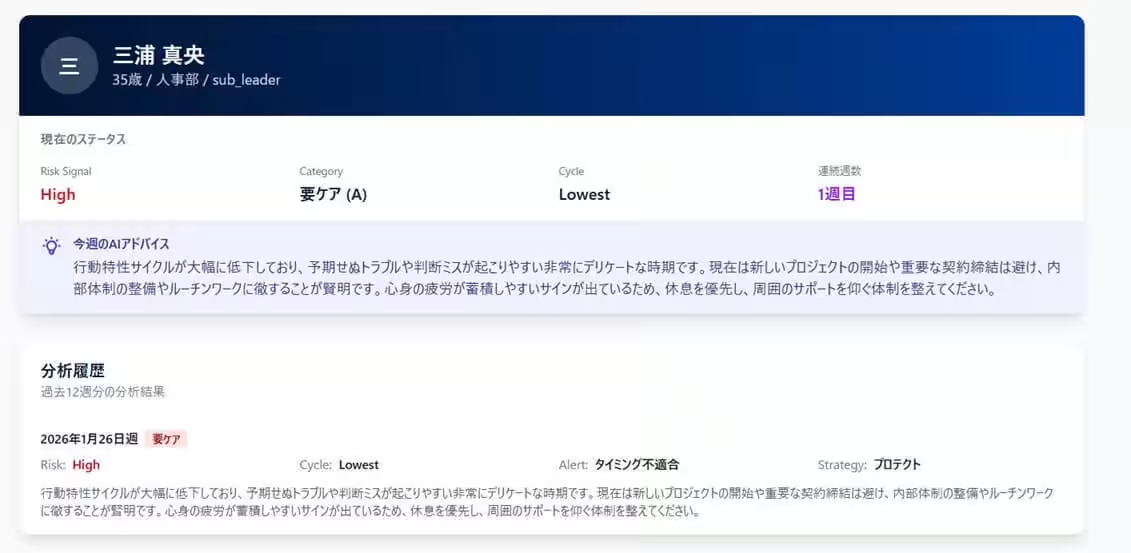
CROSS AXIA's unique feature, the Timing Optimizer, identifies critical moments when employees may be at risk of leaving due to a dip in judgment caused by their personal cycles and psychological states. Unlike traditional retention strategies, this approach does not insist on keeping all employees under every circumstance. Instead, it facilitates conversations between employers and employees who might be experiencing these transient moments of decision-making impairment, guiding them towards more favorable decisions.
The Timing Optimizer operates by analyzing behavioral patterns and psychological waves of employees to predict when their personal situations may lead to detrimental decisions. If an employee shows signs of discontent or expresses their intention to leave during these identified periods, it is likely not a strategic career move but rather a reaction to a temporary emotional state.
Team Simulation: Visualizing Strengths and Compatibility
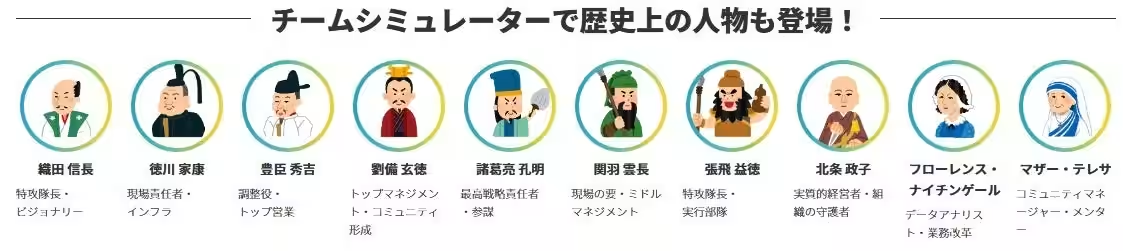
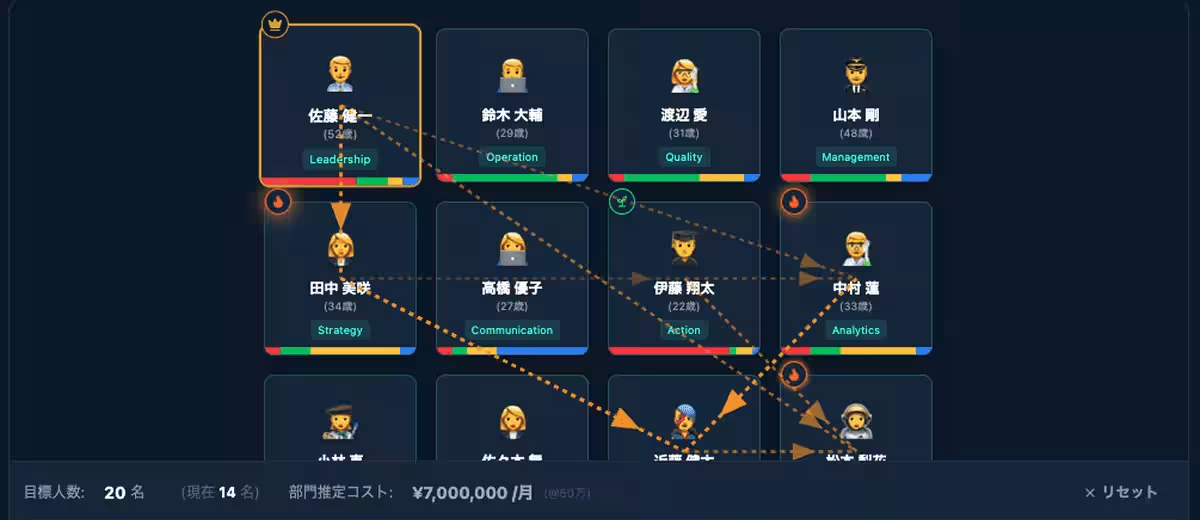
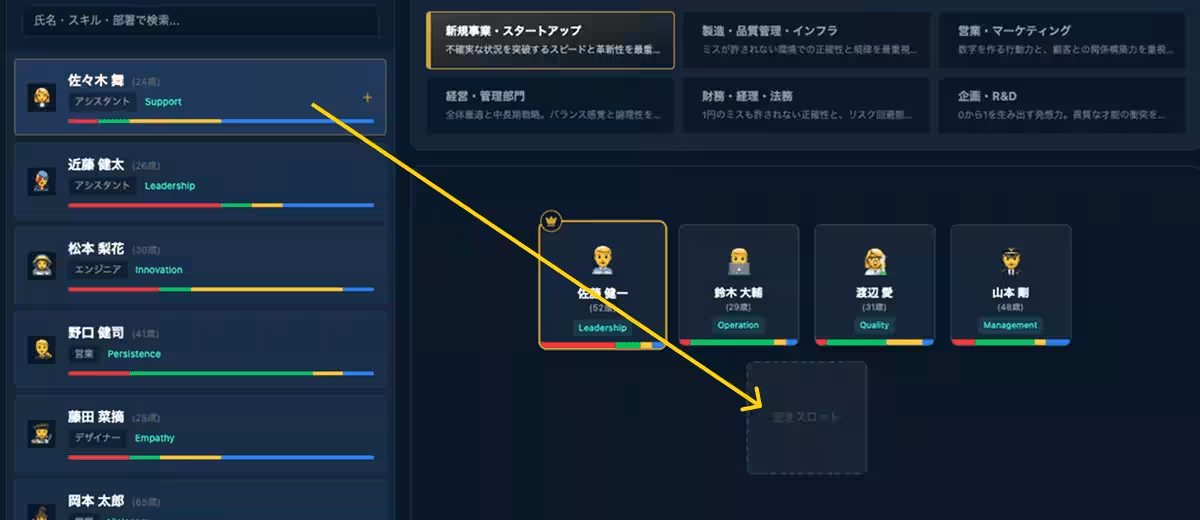
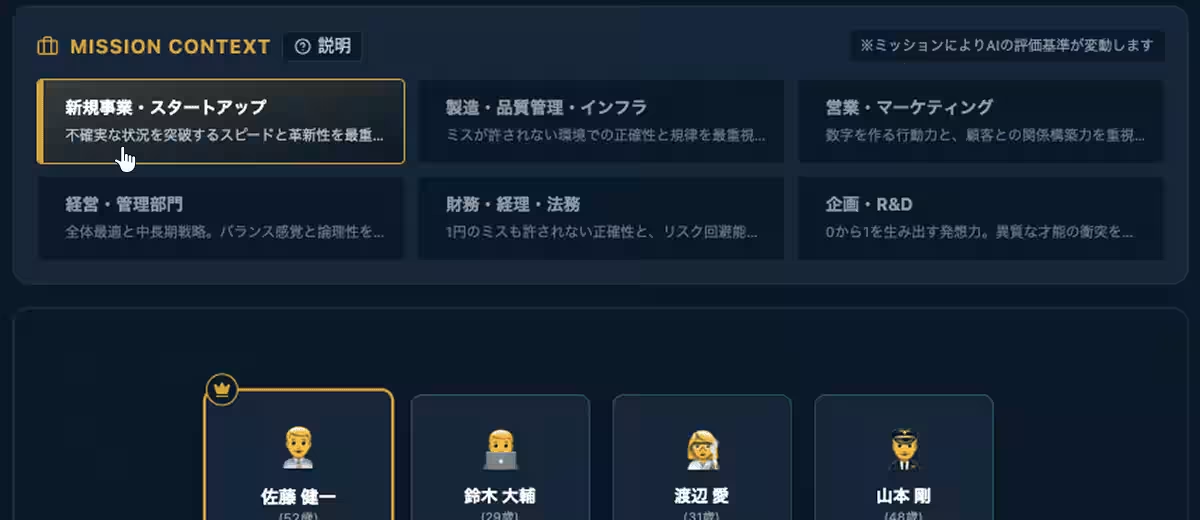
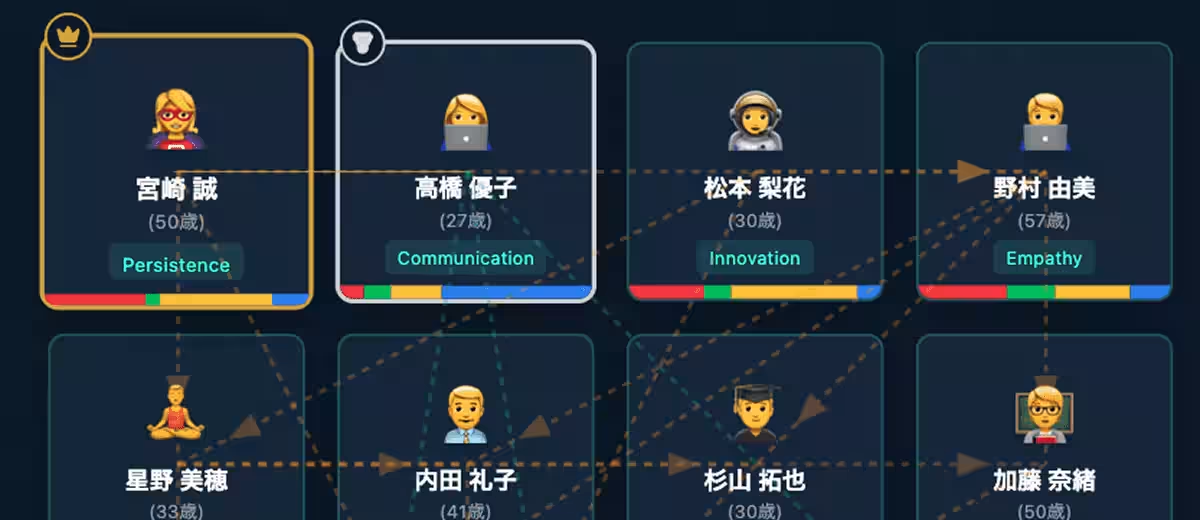
In addition to the Timing Optimizer, CROSS AXIA offers a Team Simulation feature that conducts statistical behavioral analyses. This functionality allows leaders to visualize the right deployment of personnel and understands the dynamics of team compatibility. Leaders can identify which team members complement each other best and how to leverage their strengths effectively without relying solely on personal judgment or past experiences.
- - Timing Optimizer: Identifies potential moments of 'magical turnover' by analyzing behavioral characteristics and psychological waves, highlighting employees who require focused intervention.
- - Team Simulator: Leverages AI to analyze individual traits and compatibility, optimizing team configuration and leadership suitability.
- - Personal Analysis: Provides a deep dive into each employee's strengths, potential challenges, and effective approaches to harness their unique qualities in the workplace.
- - Interpersonal Compatibility Forecasting: Assesses team members' synergy and prospective areas for improved collaboration and communication based on data.
The central premise of CROSS AXIA is to act as a 'future-predicting' simulator, supporting resource managers and team leaders in their decision-making processes while facilitating continuous timing management. The emotional and behavioral cycles of employees are intrinsically dynamic, which is why traditional one-time evaluations fall short of capturing necessary changes. CROSS AXIA maintains a continuous observatory stance on each employee's behavioral cycles and psychological states, ensuring that the most effective engagement strategies are deployed at the most opportune moments.
Subscription Model: Fostering Continuous Relationships
By utilizing a subscription model, organizations can maintain consistent oversight of their employees—not only pinpointing singular moments but monitoring individuals over longer timelines. This continuous approach to employee engagement fosters trust and establishes a robust relationship, ultimately preventing unfortunate turnover by addressing issues proactively rather than reactively.
Furthermore, the platform ensures that communication regarding timing and awareness is maintained, alerting HR personnel about potential concerning trends or moments for engagement.
Future Aspirations
MarkerNet aims to solidify CROSS AXIA's position as a dynamic technology that continuously evolves while integrating real-time data from organizations. By doing so, they hope to grow alongside their clients, ensuring that every team reaches its full potential while minimizing undesired turnover.
In conclusion, innovative AI solutions like CROSS AXIA are reshaping the future of employee retention strategies. As organizations harness these powerful tools, they will not only protect their talents but will also thrive in a constantly evolving business landscape.



Topics Business Technology)
【About Using Articles】
You can freely use the title and article content by linking to the page where the article is posted.
※ Images cannot be used.
【About Links】
Links are free to use.