




2025 National Living Satisfaction Rankings Released for Municipalities by Good Room Network
Introduction
In an effort to enhance understanding of living conditions across Japan, Daito Trust Co., headquartered in Minato, Tokyo, has released the results of its comprehensive satisfaction survey, the "Good Room Network Living Satisfaction Rankings 2025." This survey evaluates the happiness of residents in 1,890 municipalities, making it a significant resource for governments and citizens alike. The evaluation data has been made publicly available as of May 13, enabling anyone interested to download the details in Excel format from the official website.
Background of the Survey
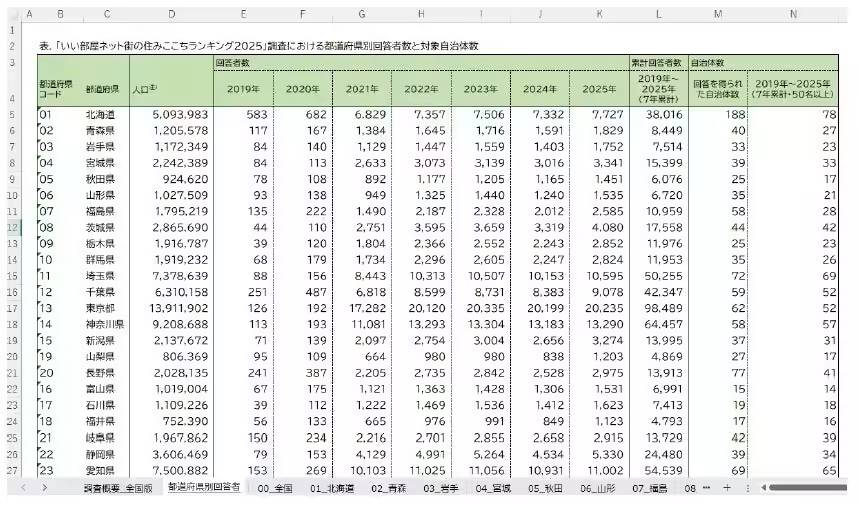
Conducted over several years with participation from 845,588 individuals aged 20 and over, the survey aims to encapsulate the true feelings of residents on their living environments. The insights derived not only help individuals find suitable places to live but also enhance overall life satisfaction. By understanding what aspects of a municipality residents value most effectively, local governments can tailor their policies and initiatives to meet community needs.
Detailed Evaluation Data
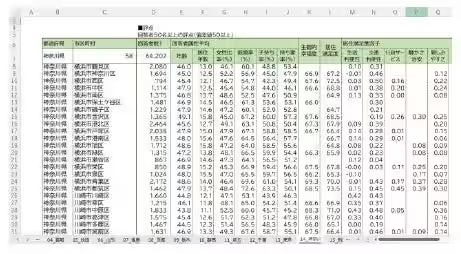
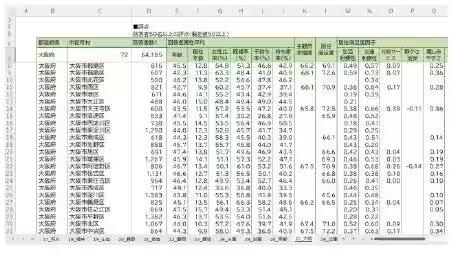
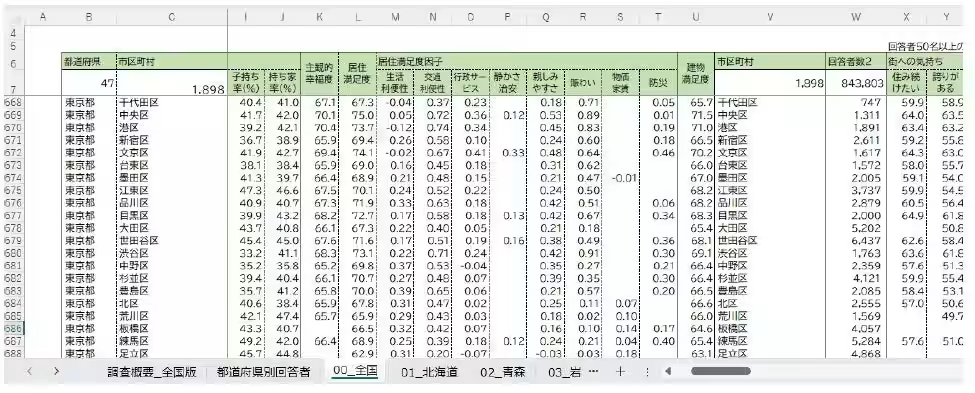
One of the standout features of this rankings system is the transparent presentation of evaluation data for each municipality. It categorically displays how each area fares based on various criteria important to residents' quality of life. Specifically, the survey assessed municipalities based on eight critical factors that influence living comfort:
- - Living Convenience
- - Transportation Viability
- - Government Services
- - Safety and Security
- - Community Feel
- - Vibrancy and Activity
- - Cost of Living and Rent
- - Disaster Preparedness
Each of these factors comprises extensive questions used to rate local living conditions, revealing significant insights into why certain areas hold more appeal than others.
Accessing the Data
The Excel sheets on the official website break down the data not only nationally but also regionally, allowing for nuanced comparisons across prefectures. This structure enables local government officials to delve into specific areas of concern or strength within their jurisdictions, fostering better decision-making and more effective community planning. Notably, municipalities with a deviation below a score of 50 lack visibility in these sheets, focusing on higher-rated areas
Insights from Residents
Overall, the ratings encapsulate not just the satisfaction levels but also the emotional attachments residents have towards their hometowns. Survey questions focused on feelings regarding their communities reveal insights such as the desire to continue living in specific areas, levels of pride for their municipalities, and overall affection.
For instance, the analysis highlights how sentiments like "I want to continue living here" or "I am proud of my community" correlate with higher living satisfaction scores. This knowledge serves as an invaluable tool for municipalities aiming to implement targeted improvements based on genuine feedback.
Conclusion
As the Good Room Network continues to explore living conditions nationwide, the 2025 Living Satisfaction Rankings stand as a testament to the power of data-driven insights. The initiative encourages transparency, enables municipalities to learn from each other, and ultimately contributes to creating happier living environments for residents.
The collaboration with MacroMill, responsible for disseminating the survey and collecting responses, ensures credibility and reliability in the data presented. This extensive dataset not only assists local governments in enhancing policy but also allows citizens to make informed choices about where they choose to live, cultivating a happier, more engaged community across Japan.
For further detailed insights and access to the downloadable data, visit the Good Room Network's official website.

Topics Consumer Products & Retail)






【About Using Articles】
You can freely use the title and article content by linking to the page where the article is posted.
※ Images cannot be used.
【About Links】
Links are free to use.