



Over One Third of End Users Utilize Generative AI in Daily Tasks: Insights from ielove Group Survey
Over One Third of End Users Utilize Generative AI in Daily Tasks
A new survey conducted by ielove Group, a company dedicated to digital transformation in the real estate industry, has shed light on the usage of Generative AI among end users actively searching for housing. Out of 967 valid responses, it was found that 34% reported utilizing Generative AI, with higher usage rates among younger individuals aged below 30. This article dives into the findings and implications of the survey, revealing trends and challenges associated with the implementation of this innovative technology.
Survey Background
Following a previous survey targeting real estate companies, ielove Group aimed to understand how end users are engaging with Generative AI in their everyday lives. This technology, which has gained traction in boosting operational efficiencies, is increasingly finding applications in various aspects of daily activities. Such a shift requires insights into both the utilization and barriers faced by end users.
Key Findings from the Survey
1. Generative AI Usage Rate
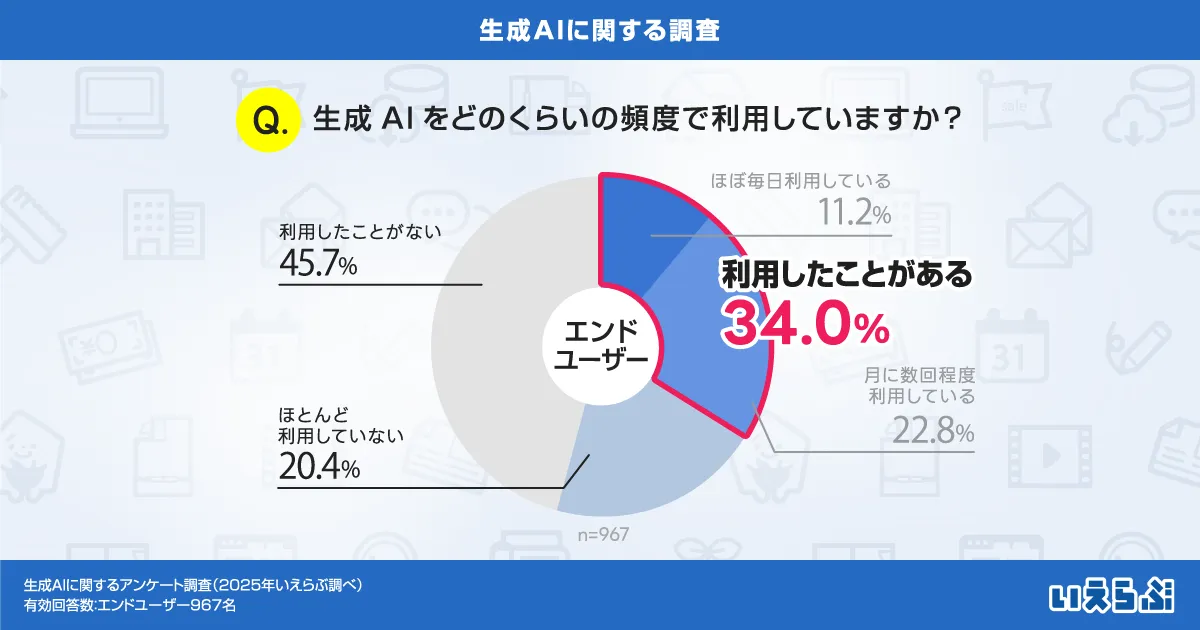
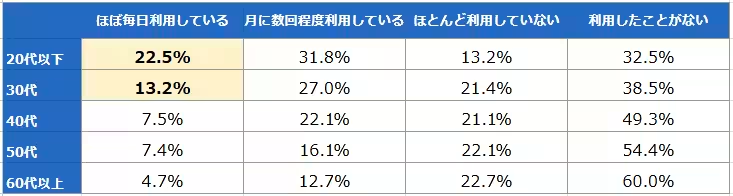
Almost a third of participants, precisely 34%, reported they have engaged with Generative AI tools, while 66% have not. Remarkably, a significant number of respondents in their 20s and 30s indicated they use it almost daily, yet there remains a noteworthy gap in knowledge, with some from the same demographic reporting no experience with the technology. This suggests that familiarity with Generative AI may vary greatly even within the same age group.
2. Popular Generative AI Tools
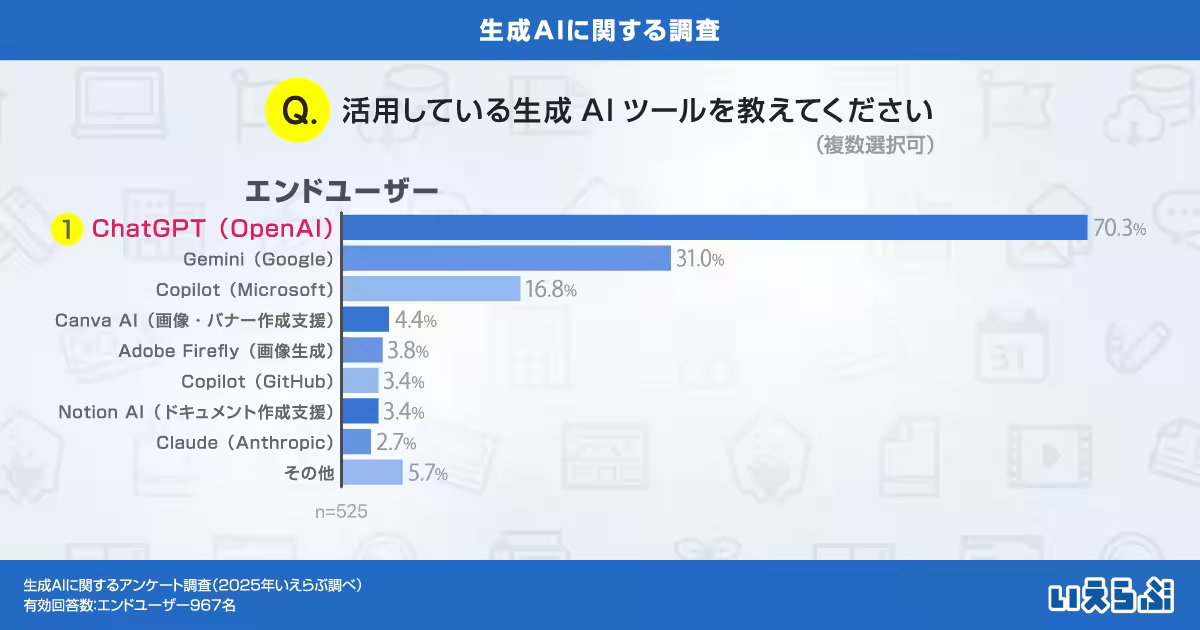
Among those who have experience using Generative AI, ChatGPT from OpenAI emerged as the most popular tool, with a staggering 70.3% of users indicating its utilization. Following ChatGPT, Google's Gemini was used by 31.0% of respondents, while Microsoft's Copilot was at 16.8%. When asked about the impression of AI-generated articles, 42.7% acknowledged they felt some discomfort but found them generally readable. However, 37.9% expressed concerns regarding their reliability, signaling room for improvement in accuracy and reader confidence.
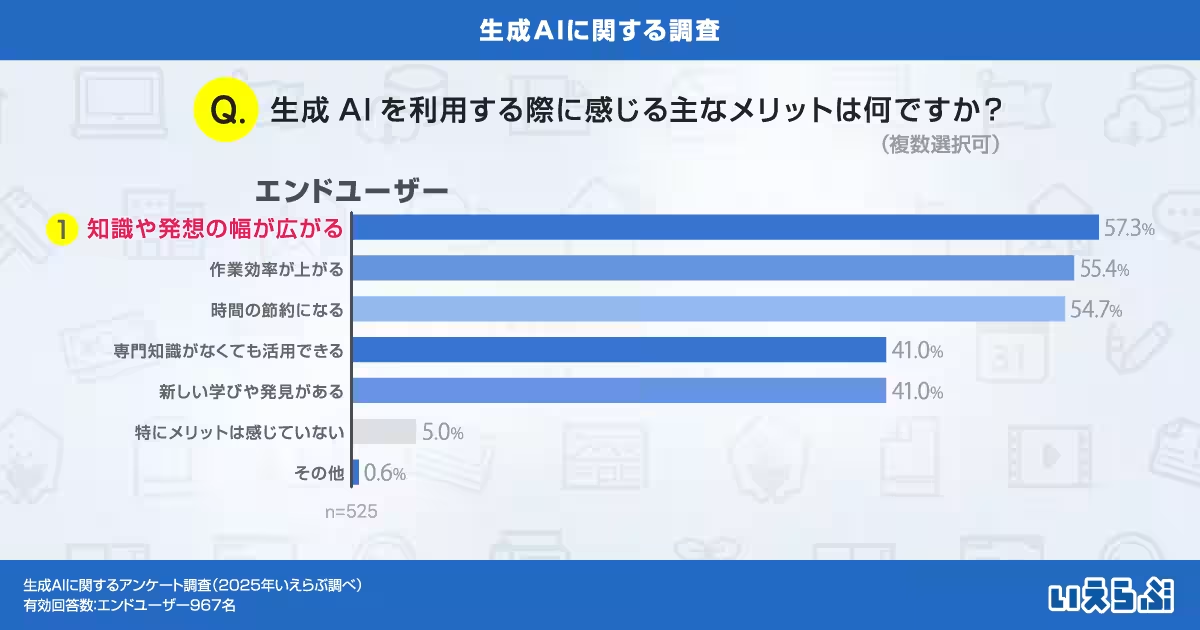
Additional benefits cited by users included an expanded range of ideas and knowledge (57.3%), increased work efficiency (55.4%), and time savings (54.7%). Interestingly, while real estate professionals primarily mentioned productivity enhancements, end users frequently reported gaining new perspectives and insights through their interactions with these tools.
3. AI Agent Usage
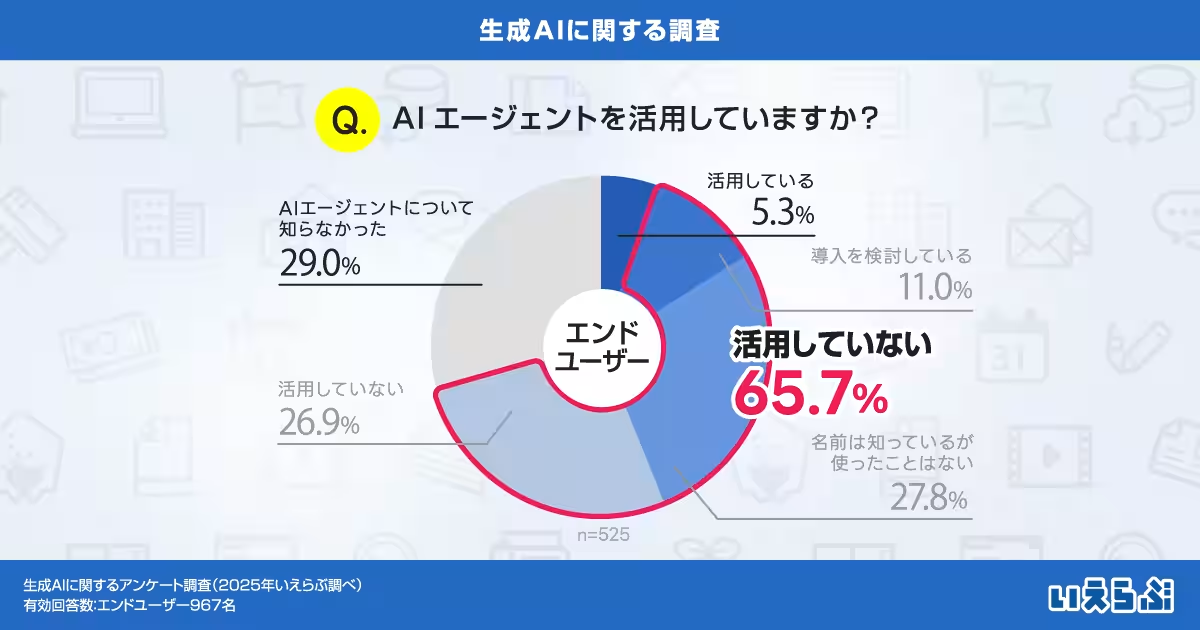
Despite the apparent enthusiasm for Generative AI, only 5.3% of users reported using AI agents, with many respondents either unaware of their existence or never having used one. There is a substantial gap in knowledge when it comes to distinguishing between Generative AI, like ChatGPT, and AI agents, which are designed to autonomously perform tasks based on defined objectives. This lack of understanding signifies that enhancing awareness and education about AI agents is crucial for their broader adoption.
4. Future Interest in Generative AI
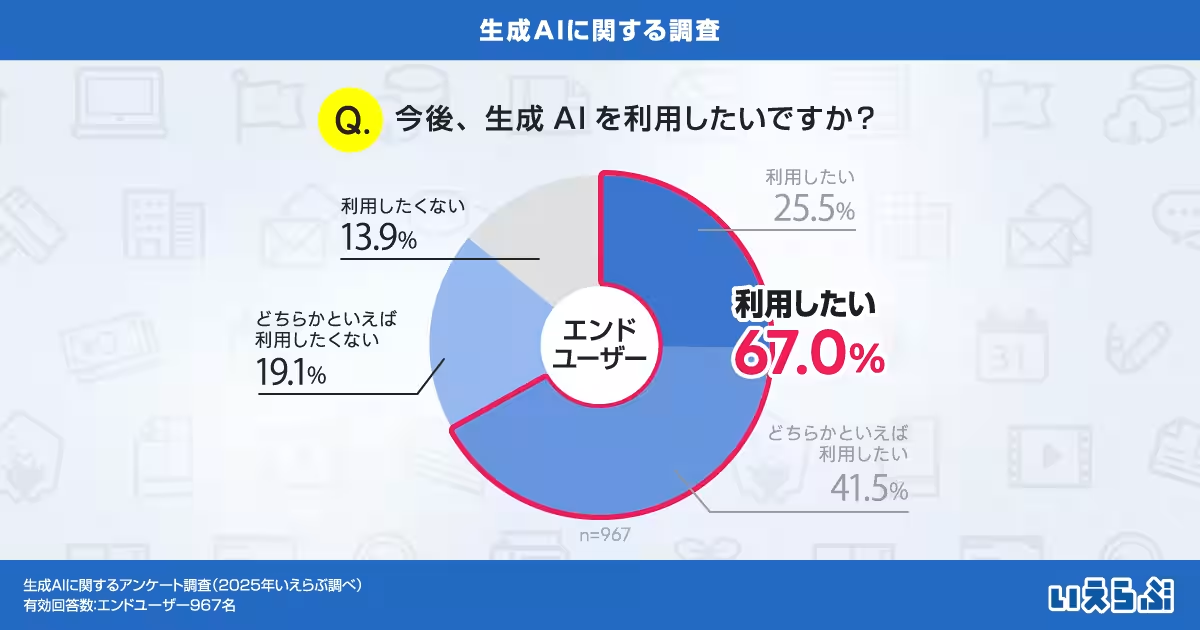
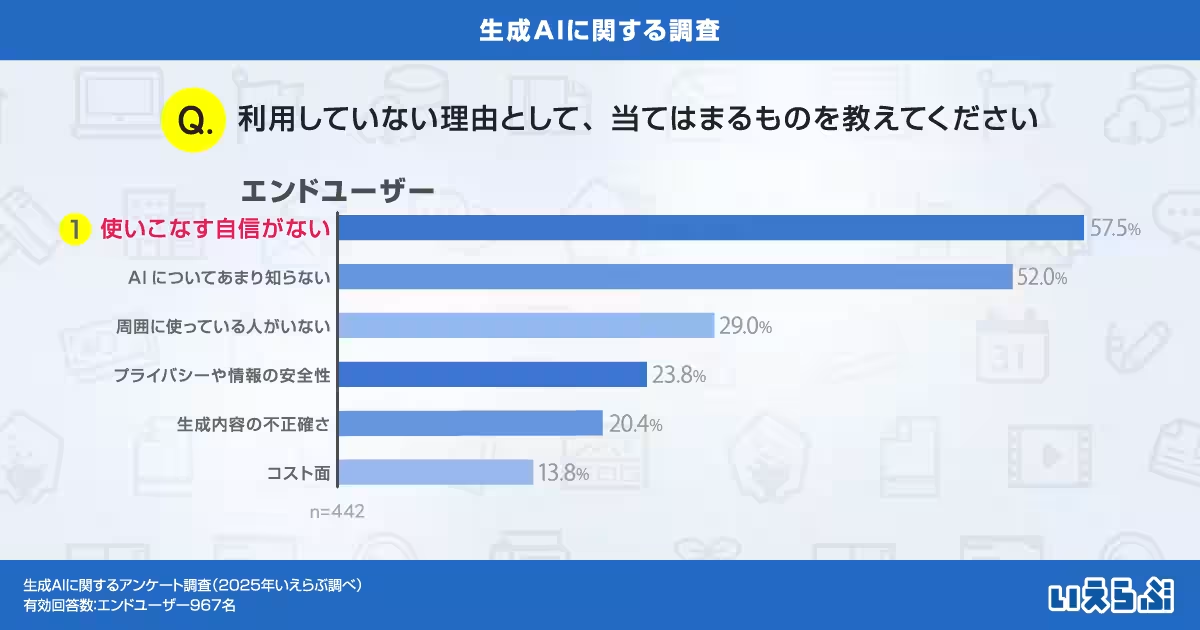
When participants were questioned on their interest in utilizing Generative AI moving forward, 25.5% expressed a desire to engage with such tools, despite the high interest from real estate companies at 67%. Addressing the concerns of those currently not using Generative AI, the predominant reasons for hesitation included a lack of confidence in using the technology (57.5%) and limited knowledge about it (52.0%). These findings emphasize that technological advancement must go hand in hand with user-friendly experiences to ensure a wider adoption.
Comments from ielove Group's Executive Officer
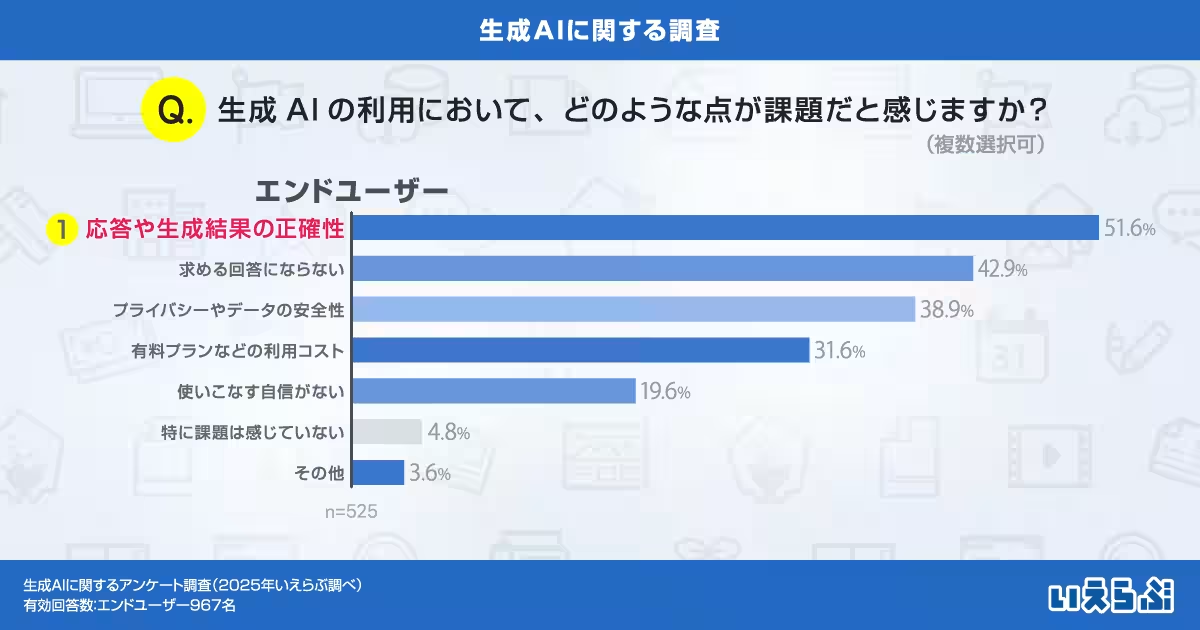
Kentarou Wada, an executive officer at ielove Group, commented that the perception of Generative AI has shifted from a tool used primarily in specialized areas to a growing presence in daily life. The survey illustrates that individuals under 30 are increasingly inclined to seek information from AI rather than traditional search methods, indicating a cultural shift from Googling to engaging with AI for inquiries. The feedback suggests that while many users find value in Generative AI, there are still anxieties about their ability to utilize the technology effectively.
Moving forward, ielove Group aims to ensure that these tools are accessible and reliable for users. Their mission is to enhance services and functionalities to establish Generative AI as an integral part of everyday life for individuals seeking solutions in their housing journeys.
Conclusion
The results from ielove's survey unveil intriguing insights into the landscape of Generative AI among end users. With significant usage evident among younger populations, companies must prioritize education and practical engagement strategies to foster comfort and trust in AI technologies. As Generative AI continues to permeate our daily lives, the path to its broader acceptance will require a concentrated effort in making it not just accessible but also user-friendly.

Topics Consumer Technology)
【About Using Articles】
You can freely use the title and article content by linking to the page where the article is posted.
※ Images cannot be used.
【About Links】
Links are free to use.